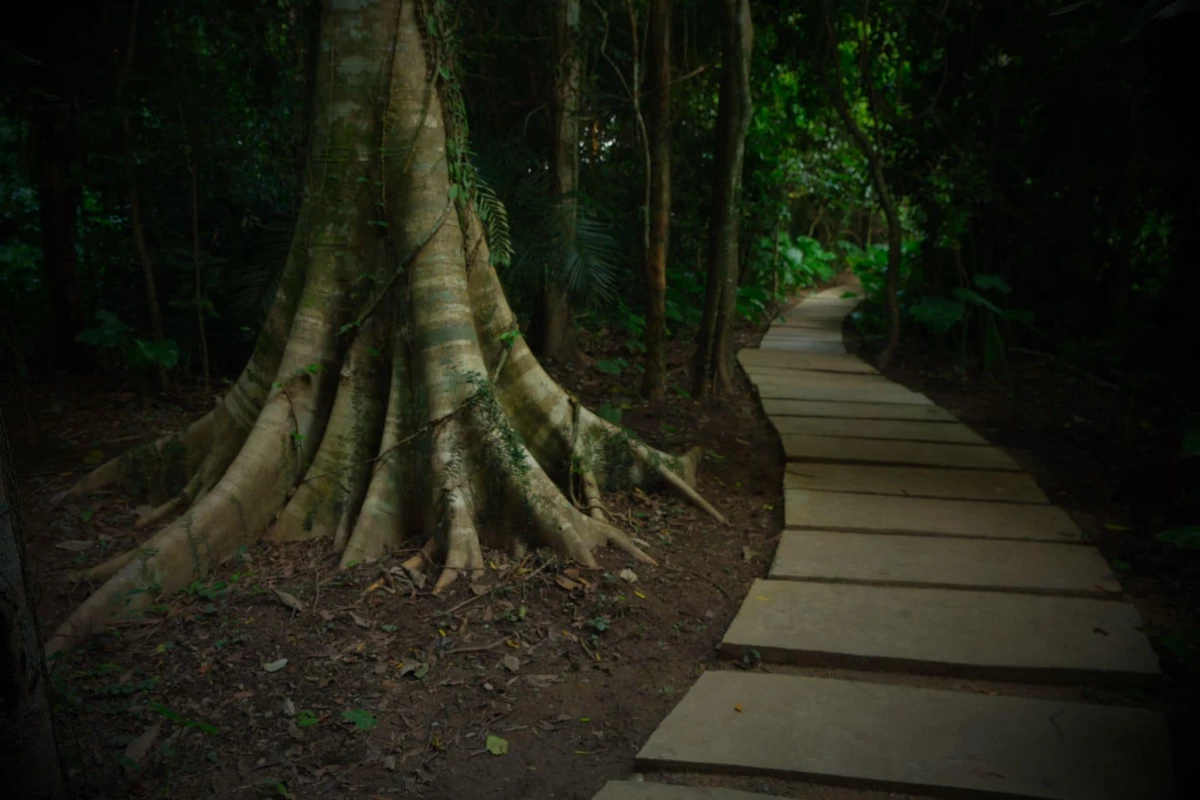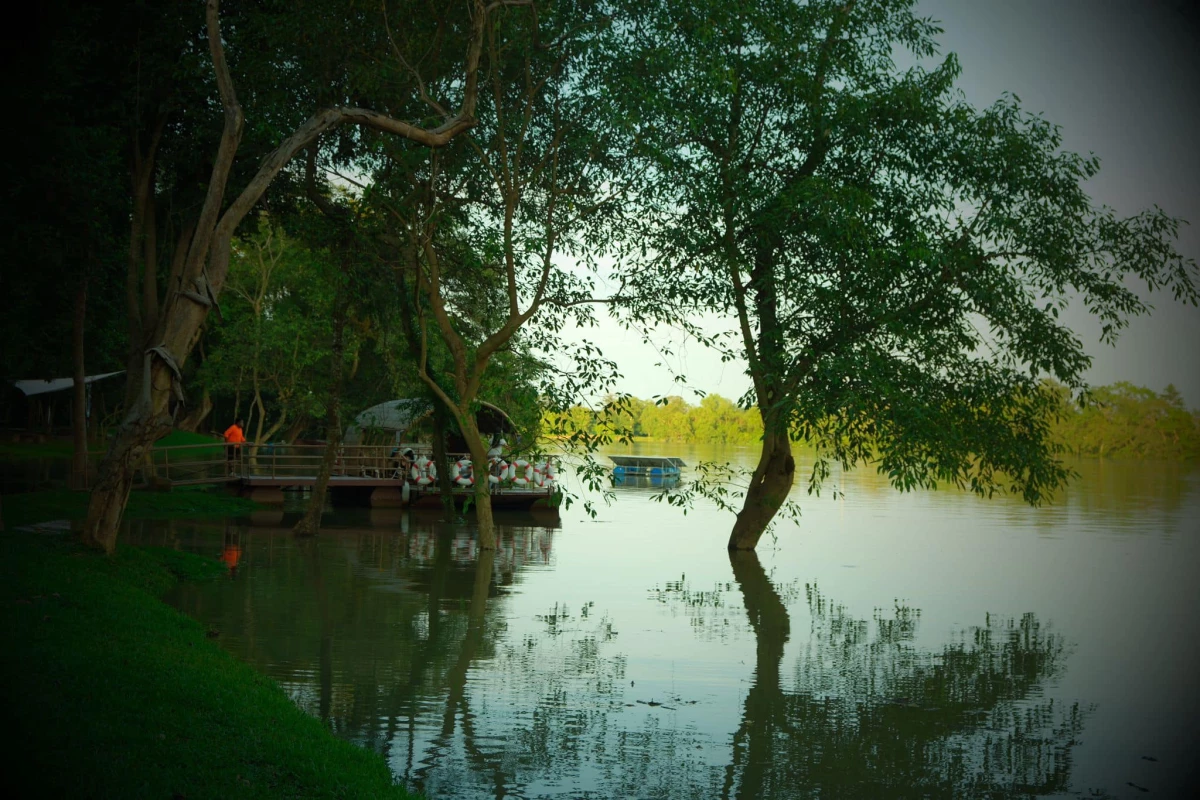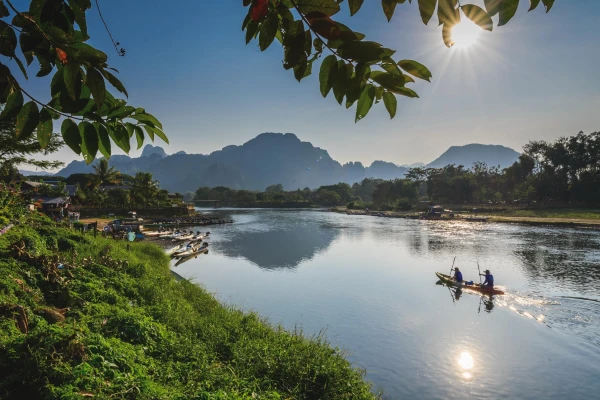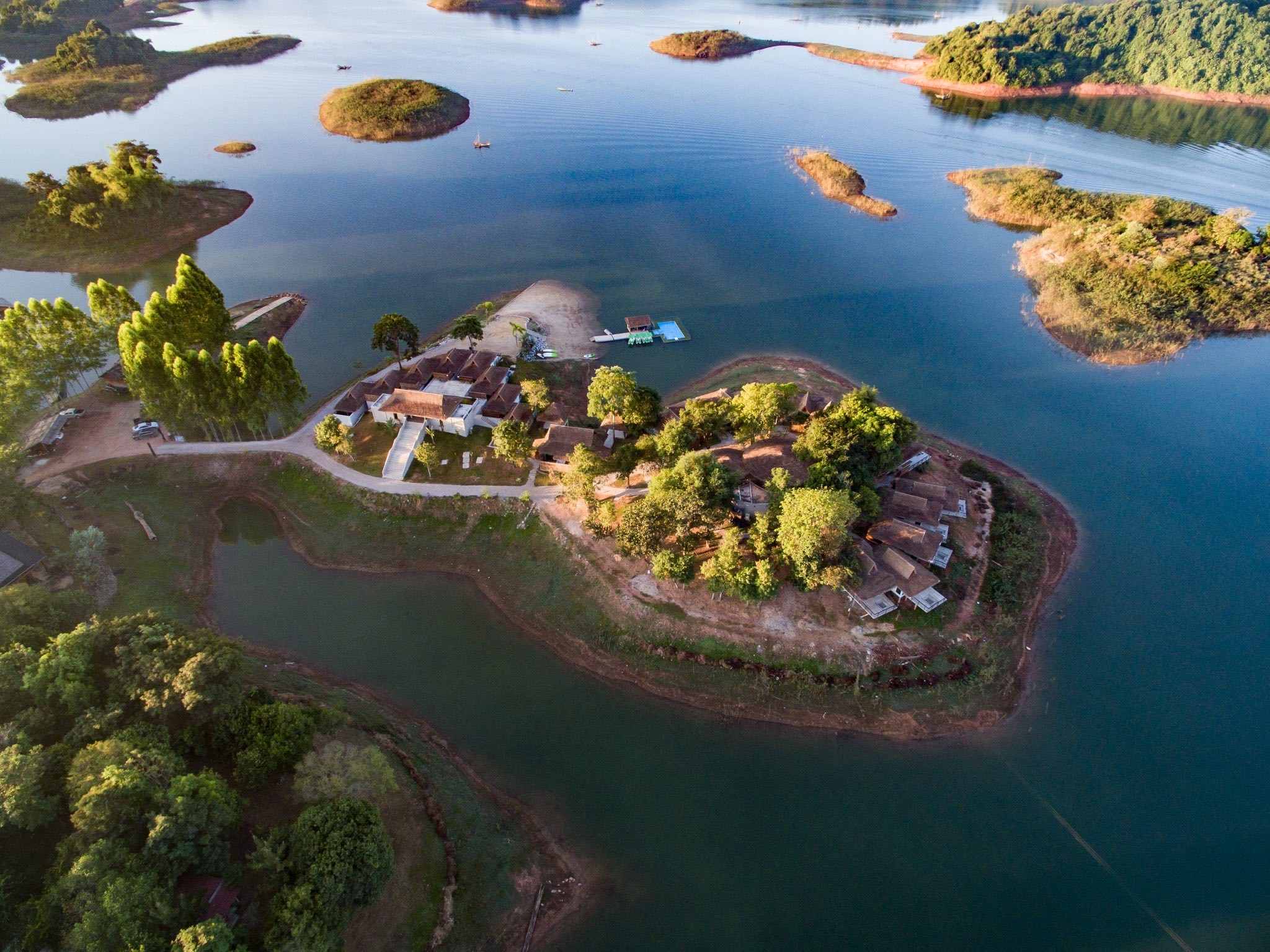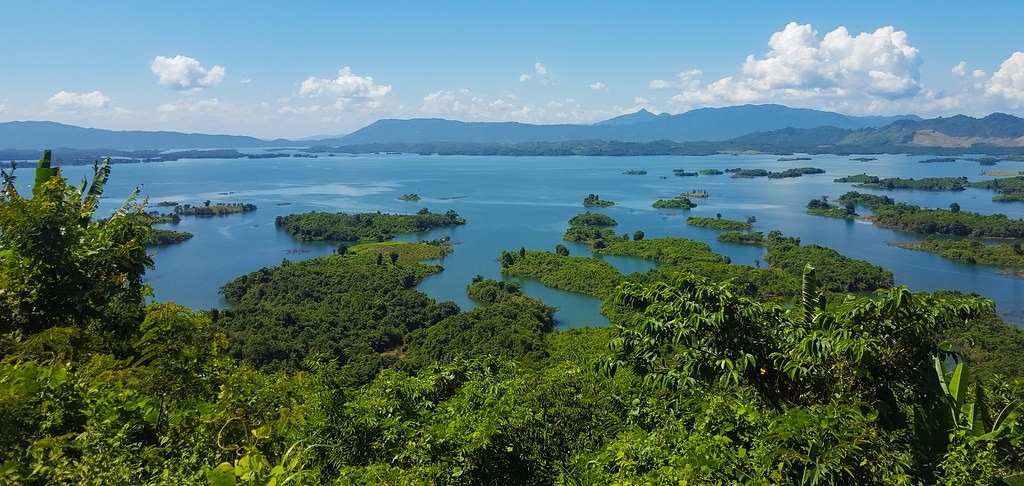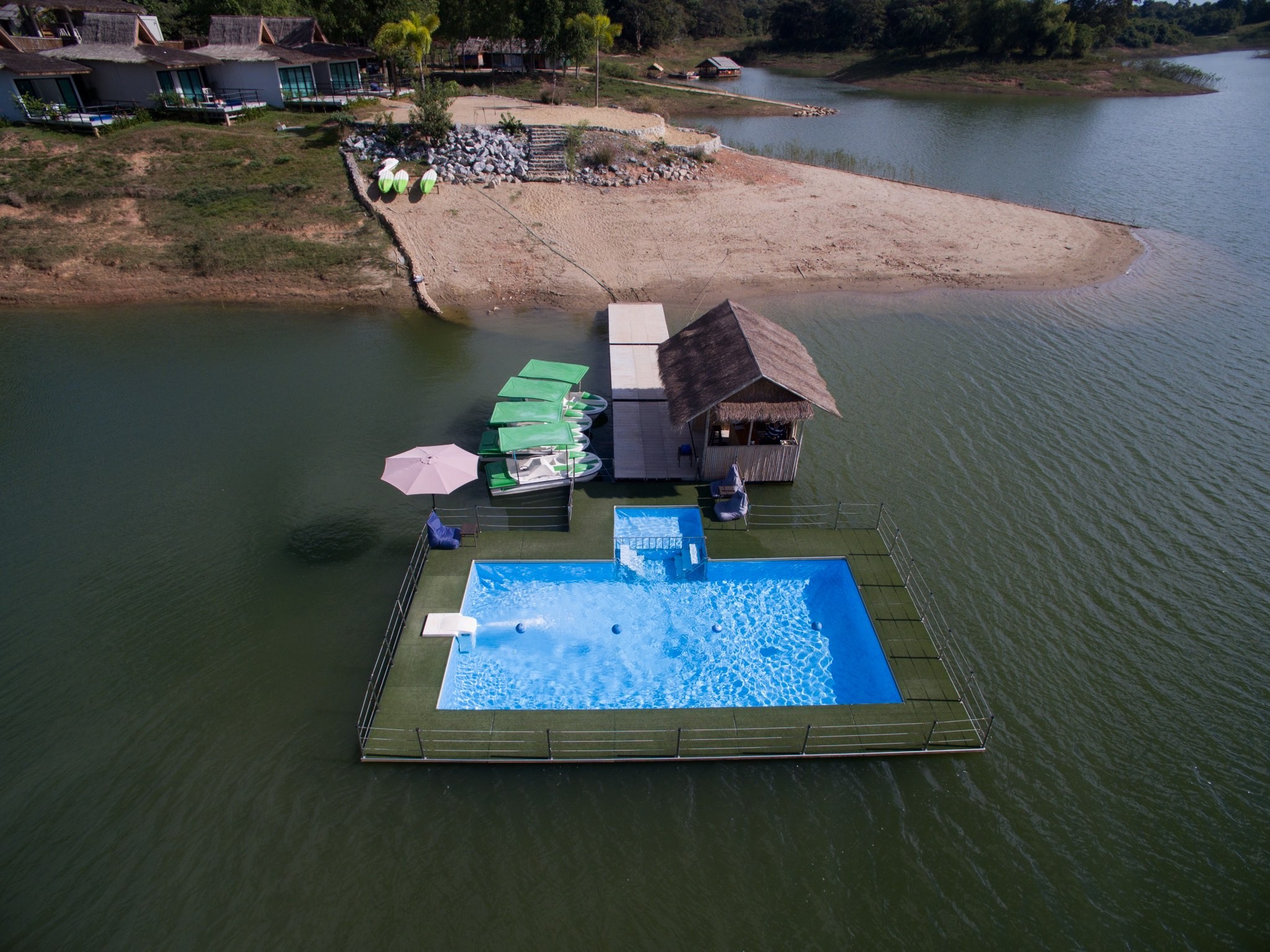
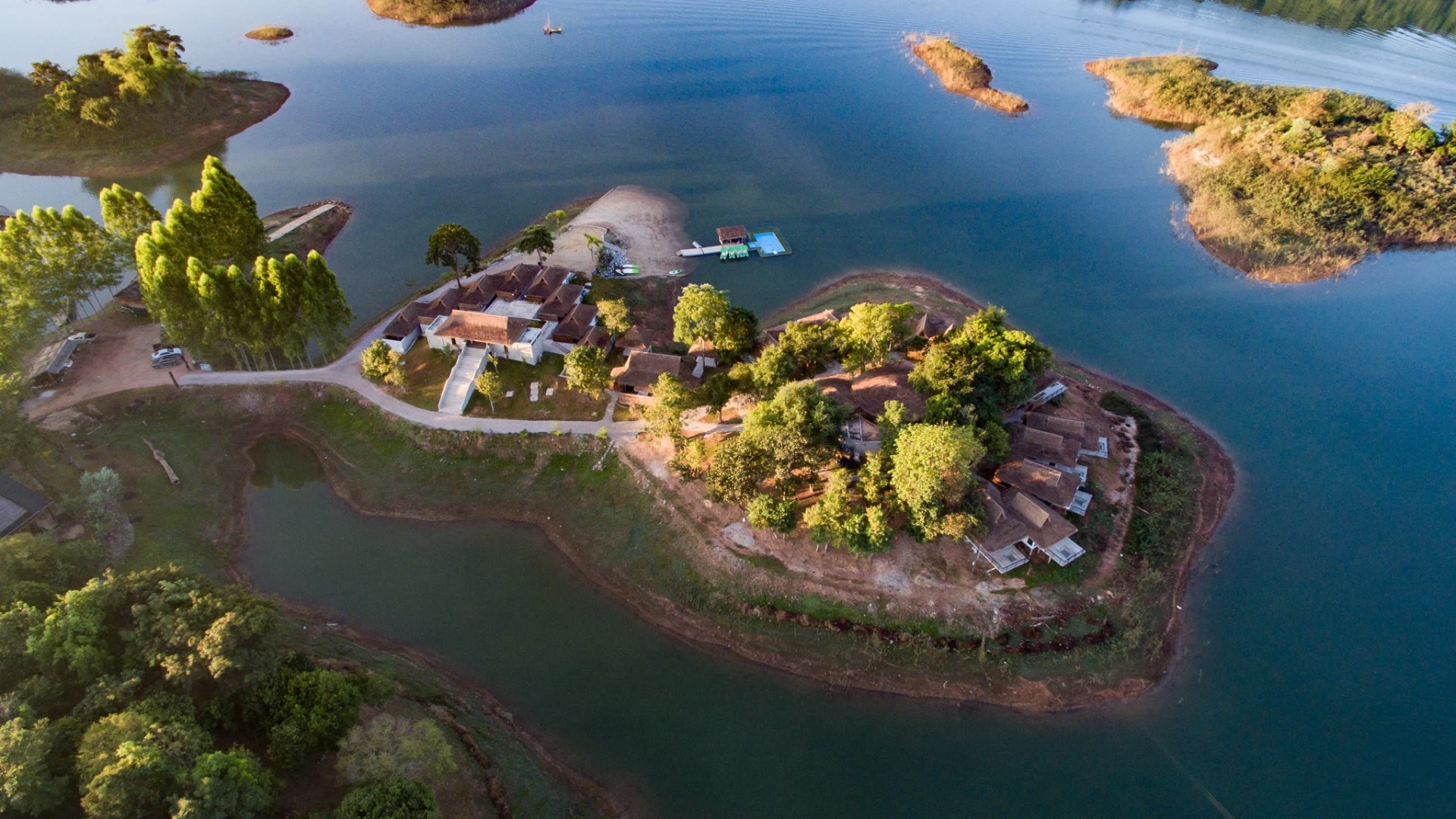
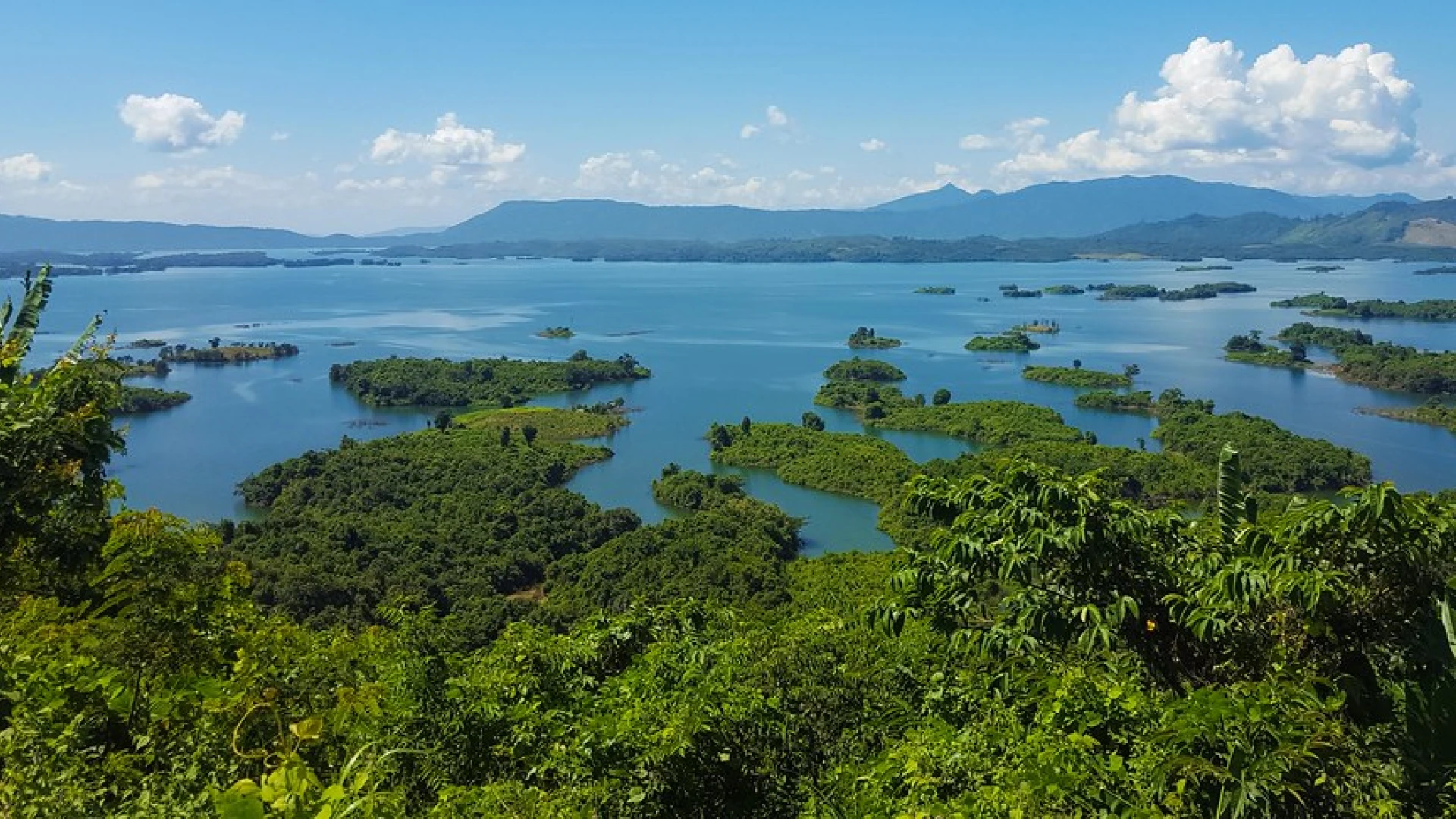
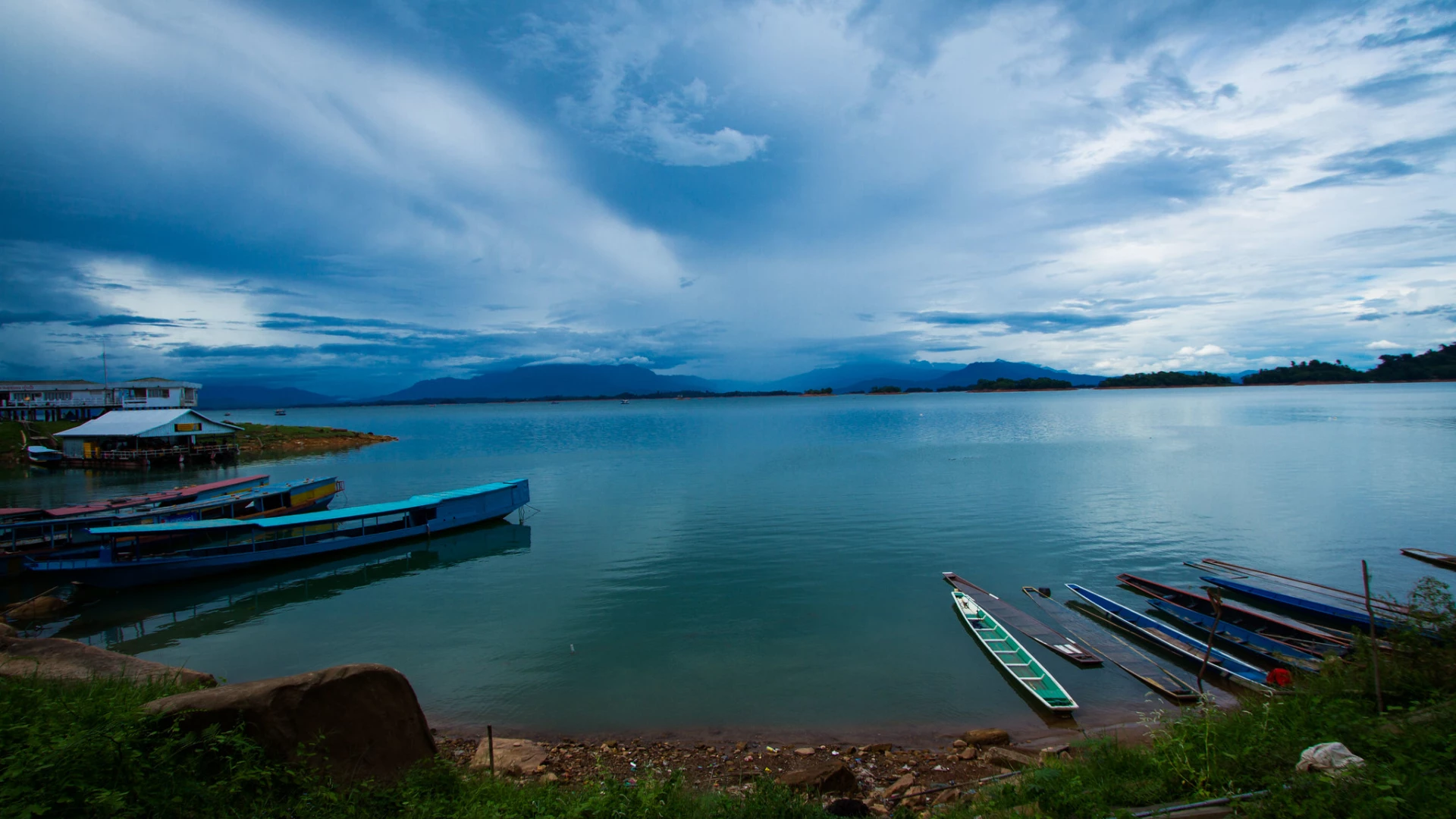
Nam Ngum Lake is located in Keo-Oudom District Vientiane Province. It is the biggest lake in Laos, with a beautiful scenery. It is suitable for relaxing, traveling by boat and enjoying food.
Vientiane
Nam Ngum Lake is located in Keo-Oudom District Vientiane Province. It is the biggest lake in Laos, with a beautiful scenery. It is suitable for relaxing, traveling by boat and enjoying food.
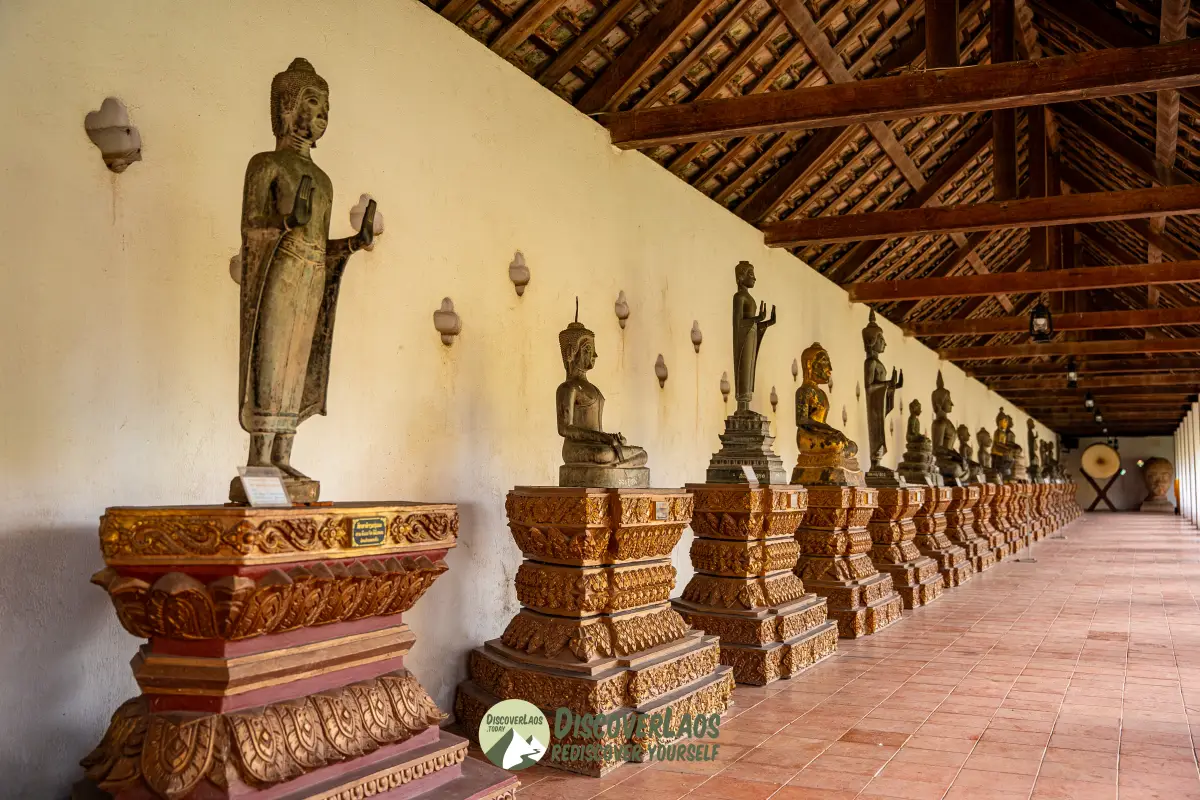
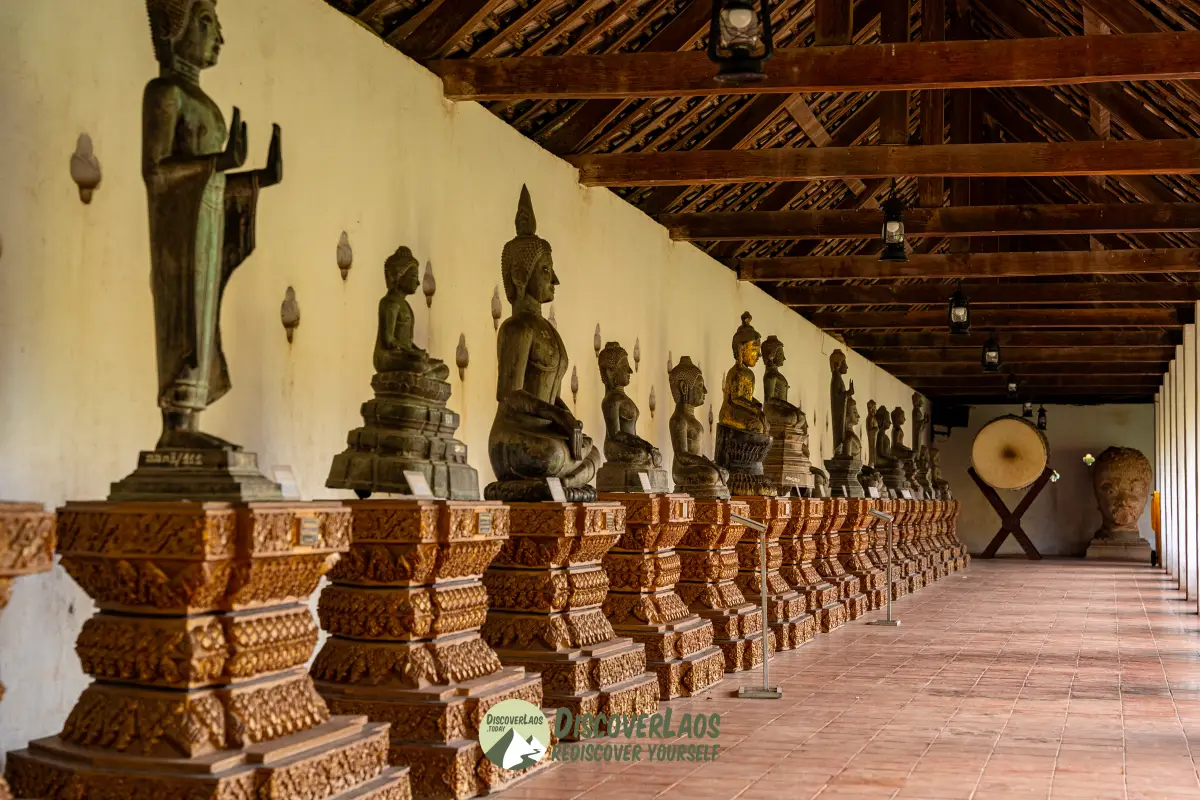
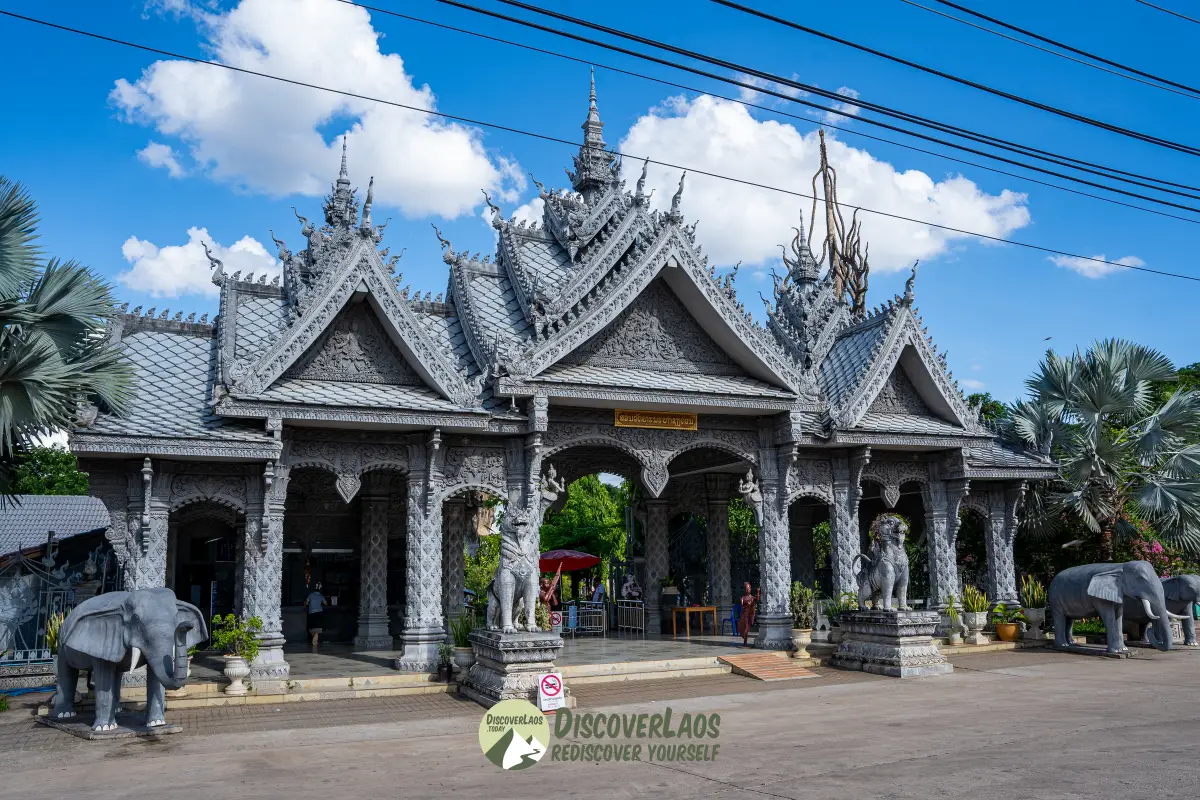
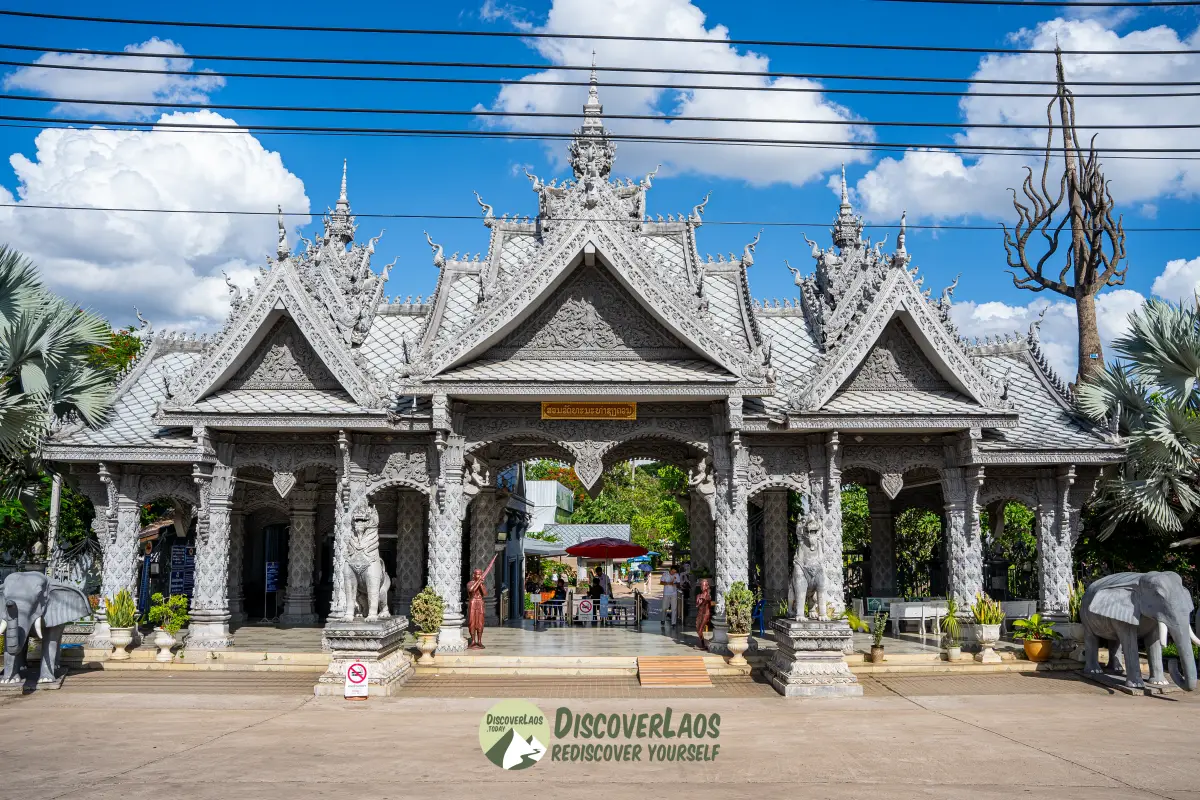
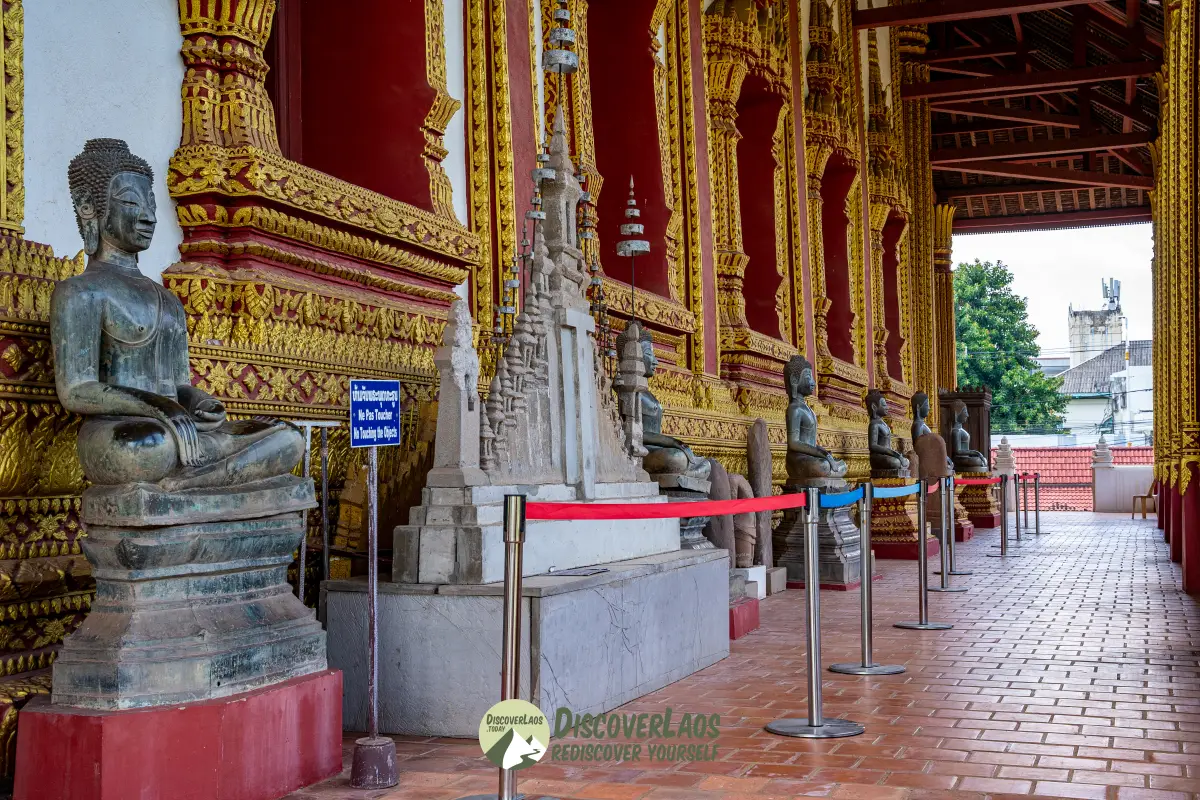
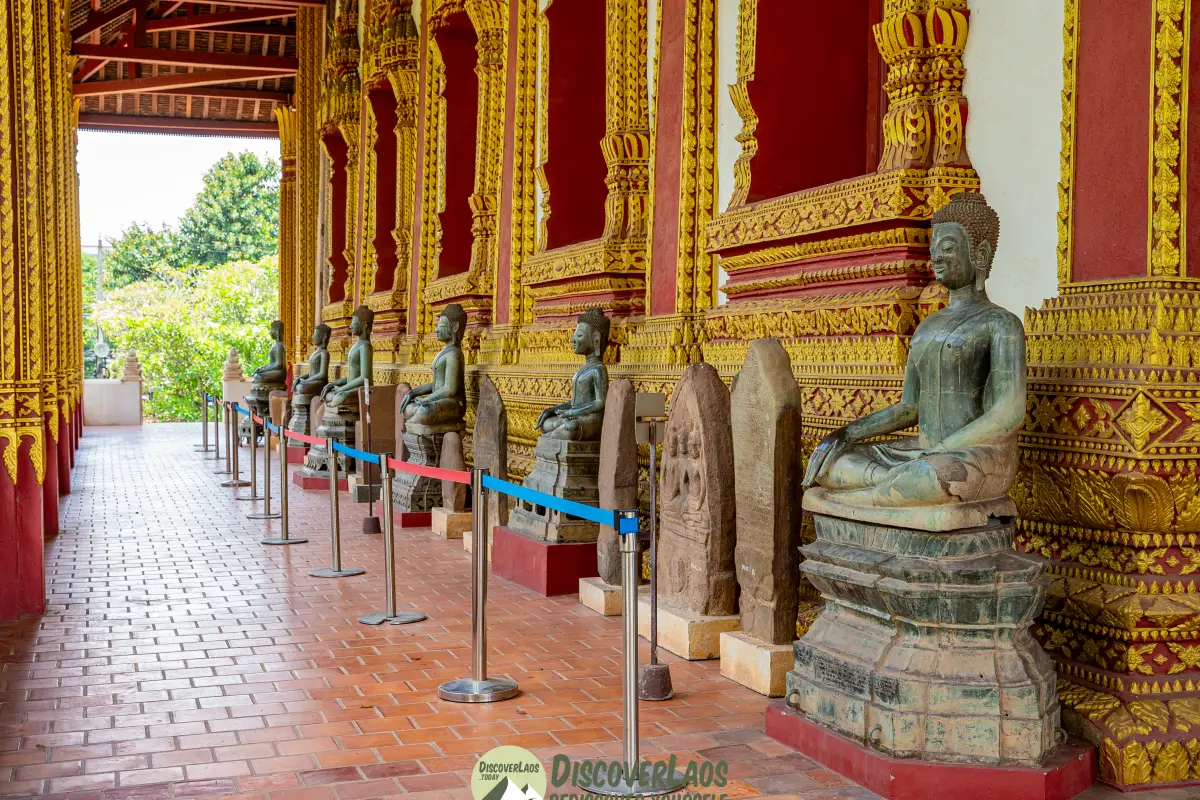
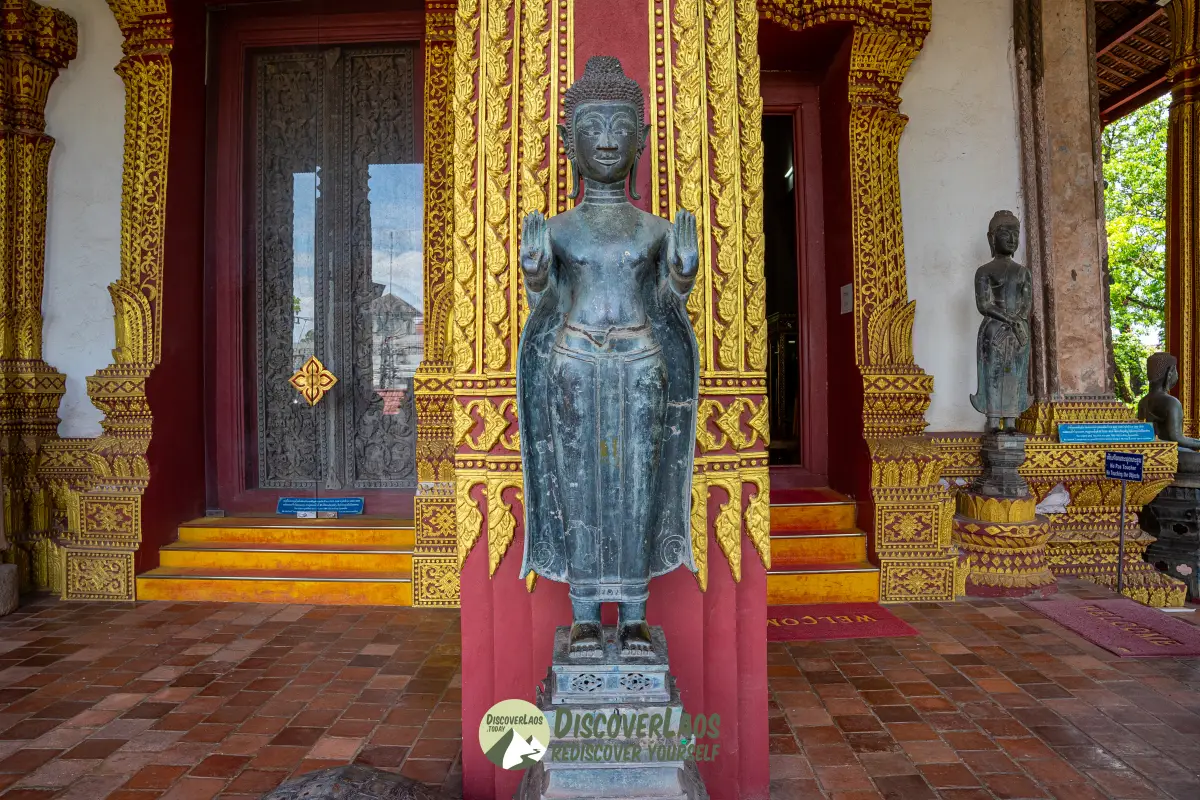
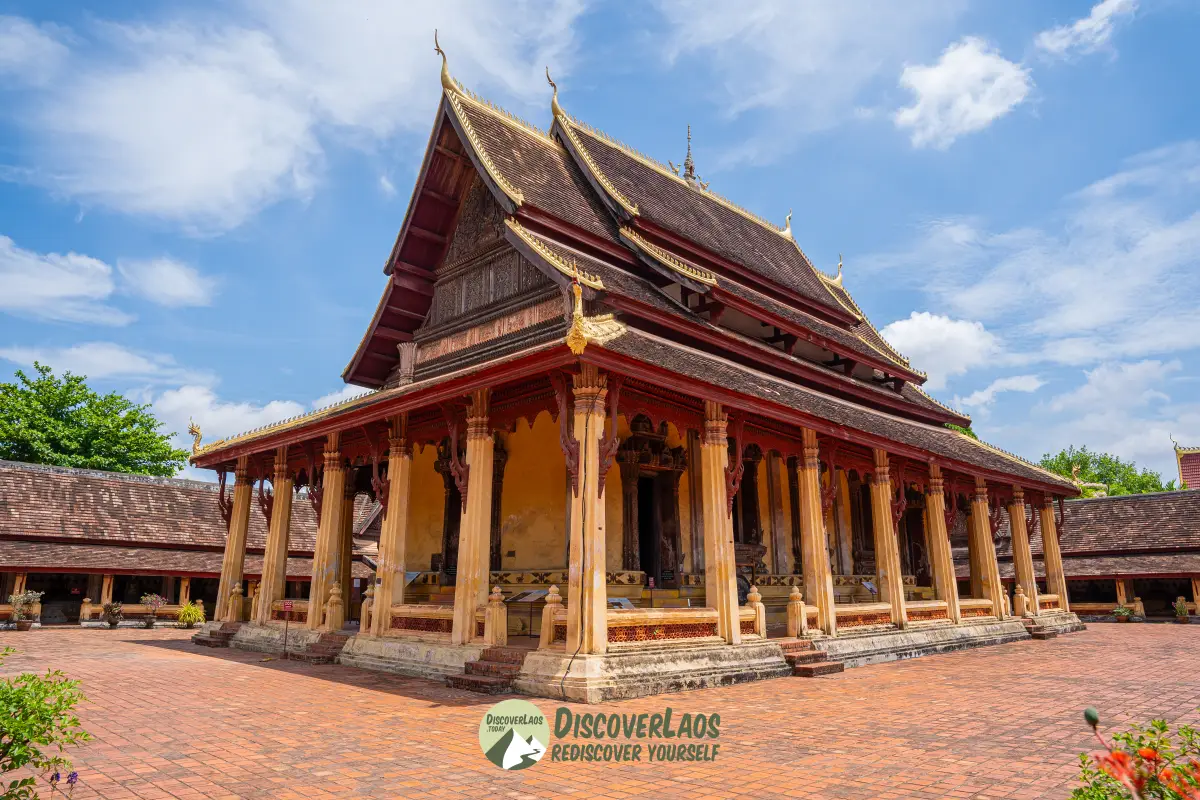
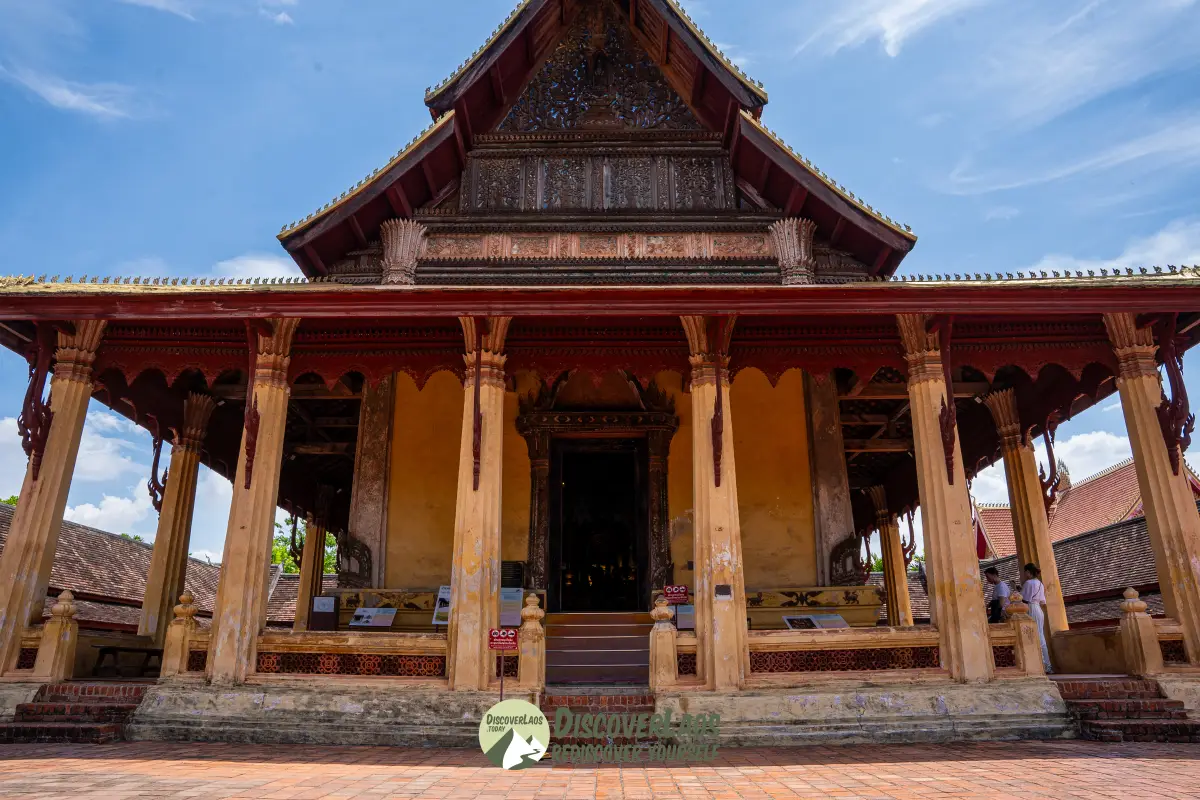
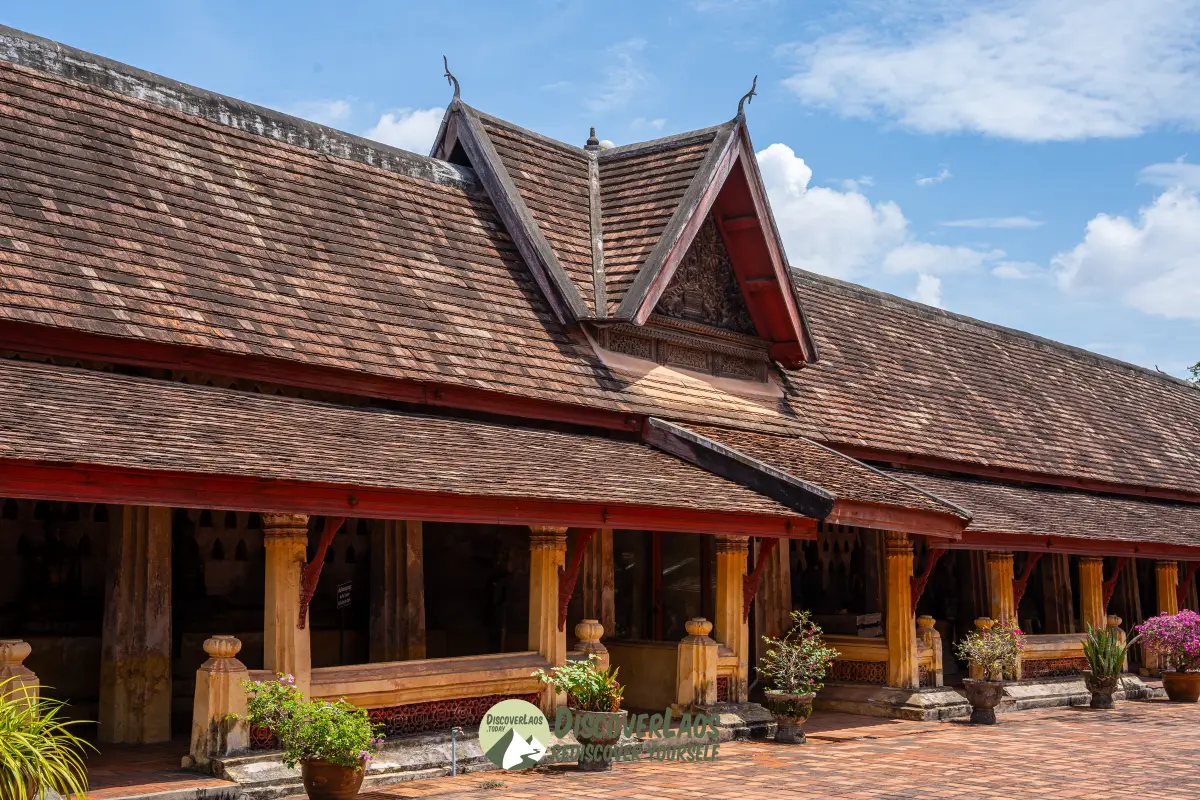
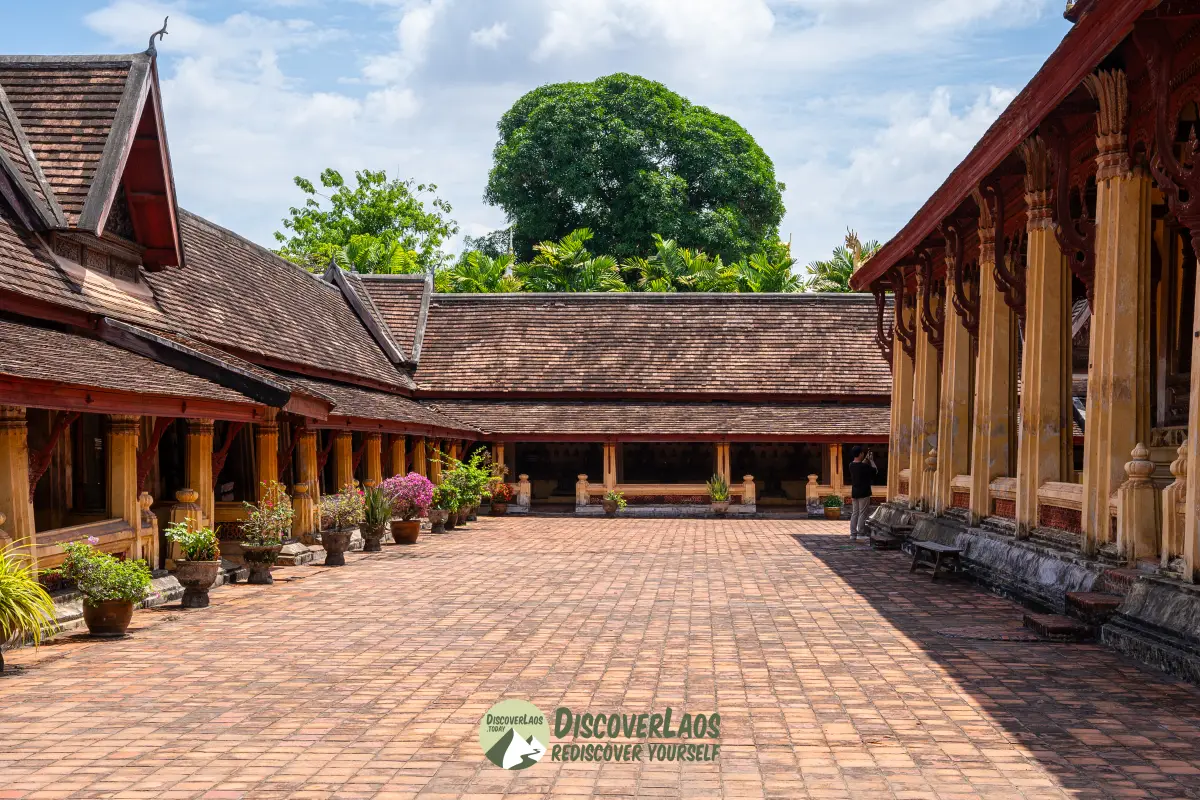
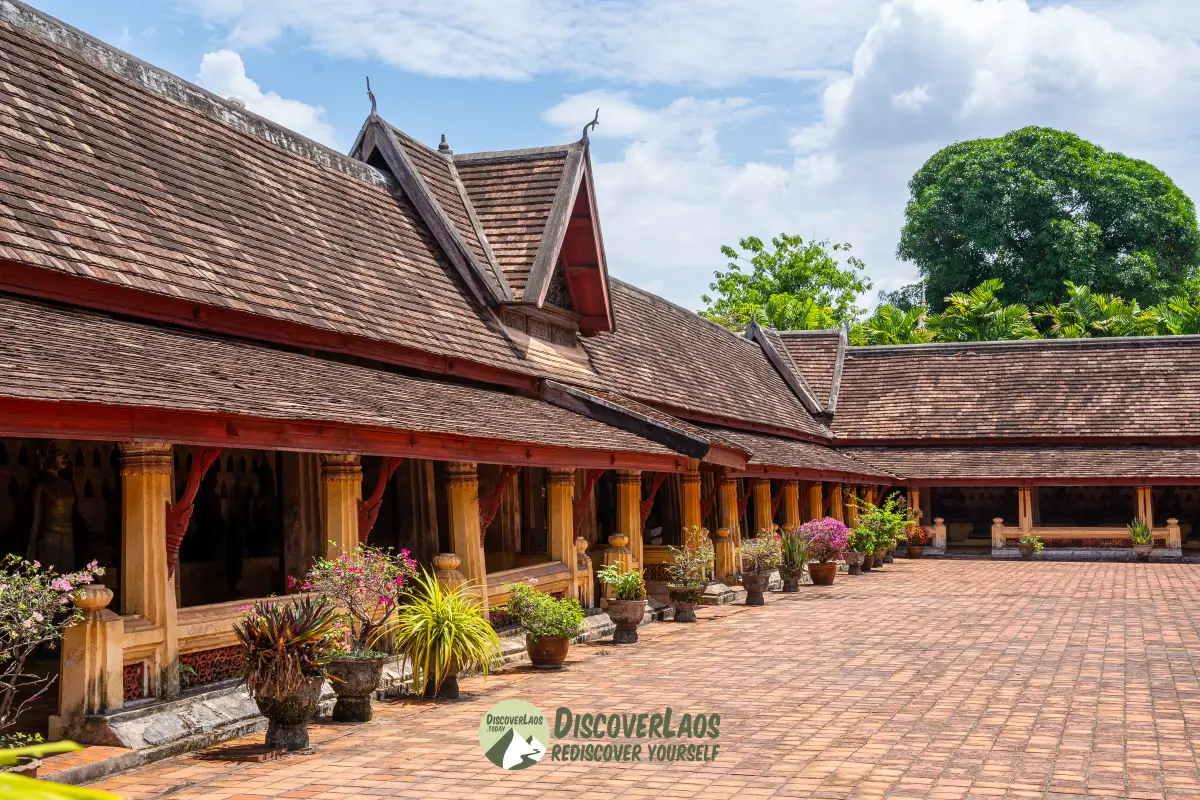
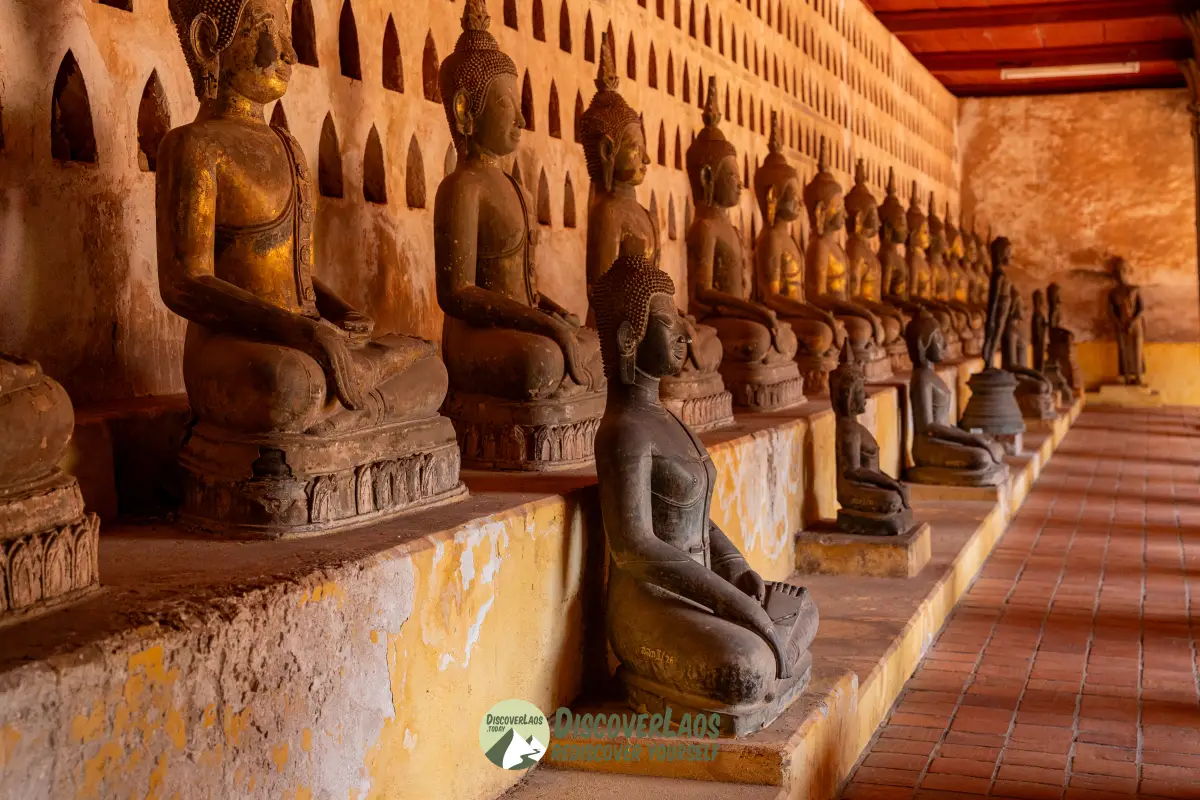
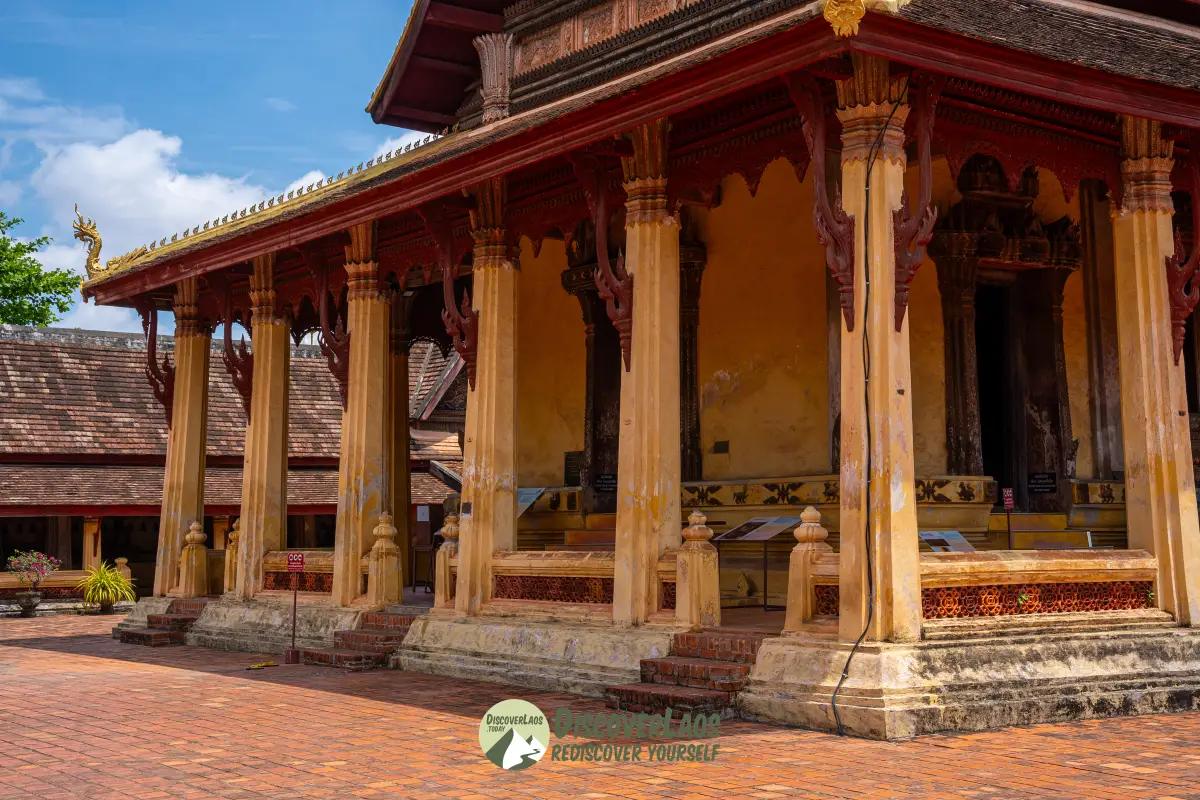
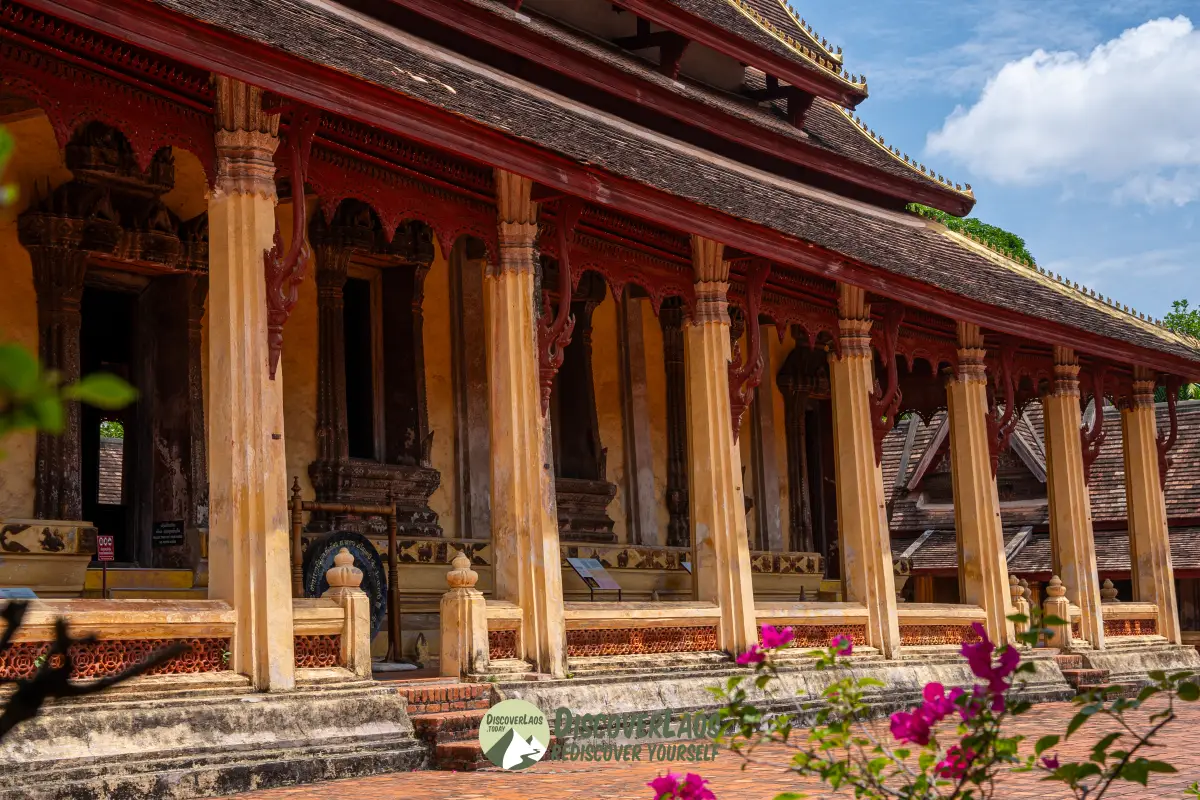
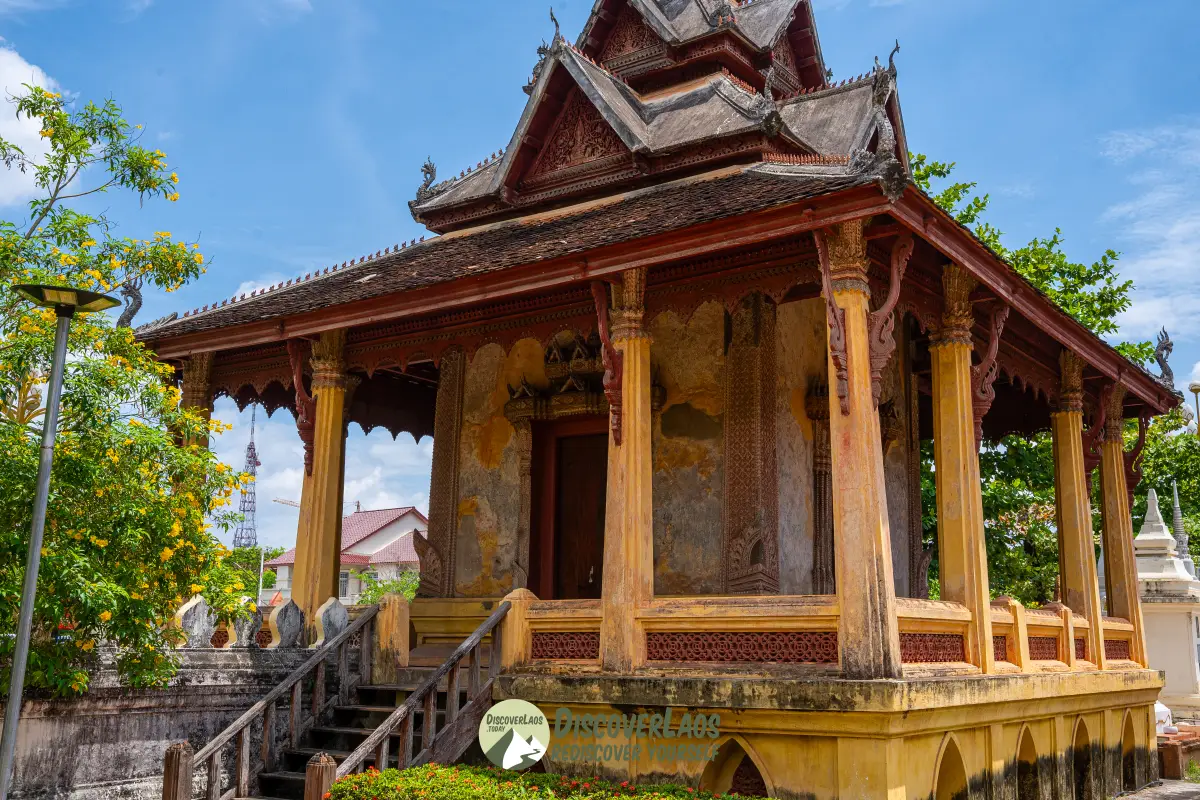
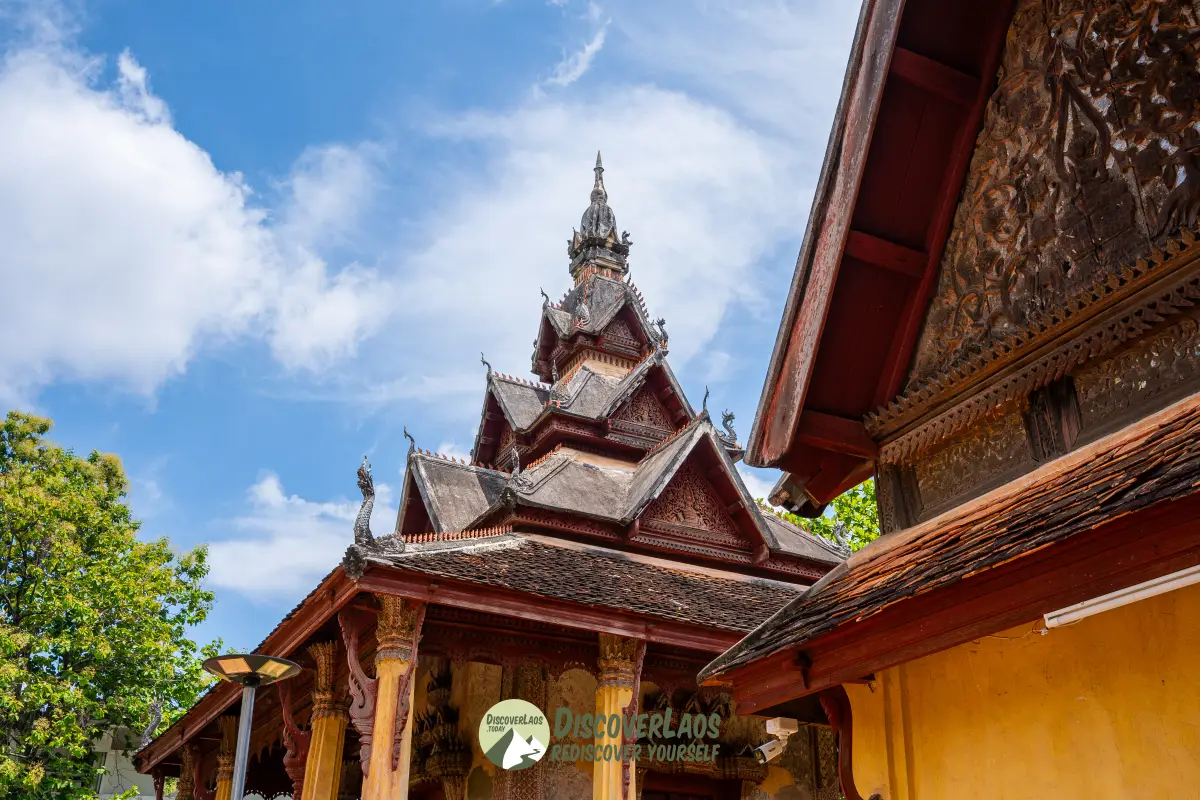
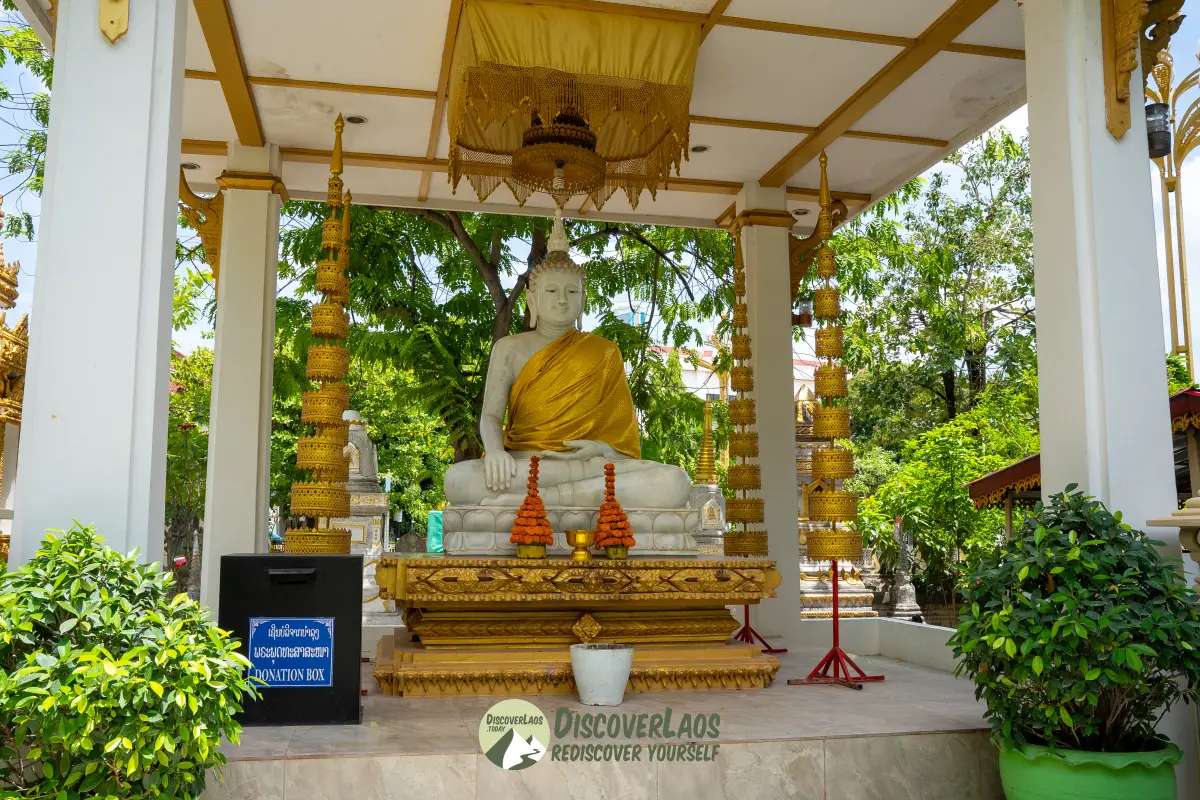
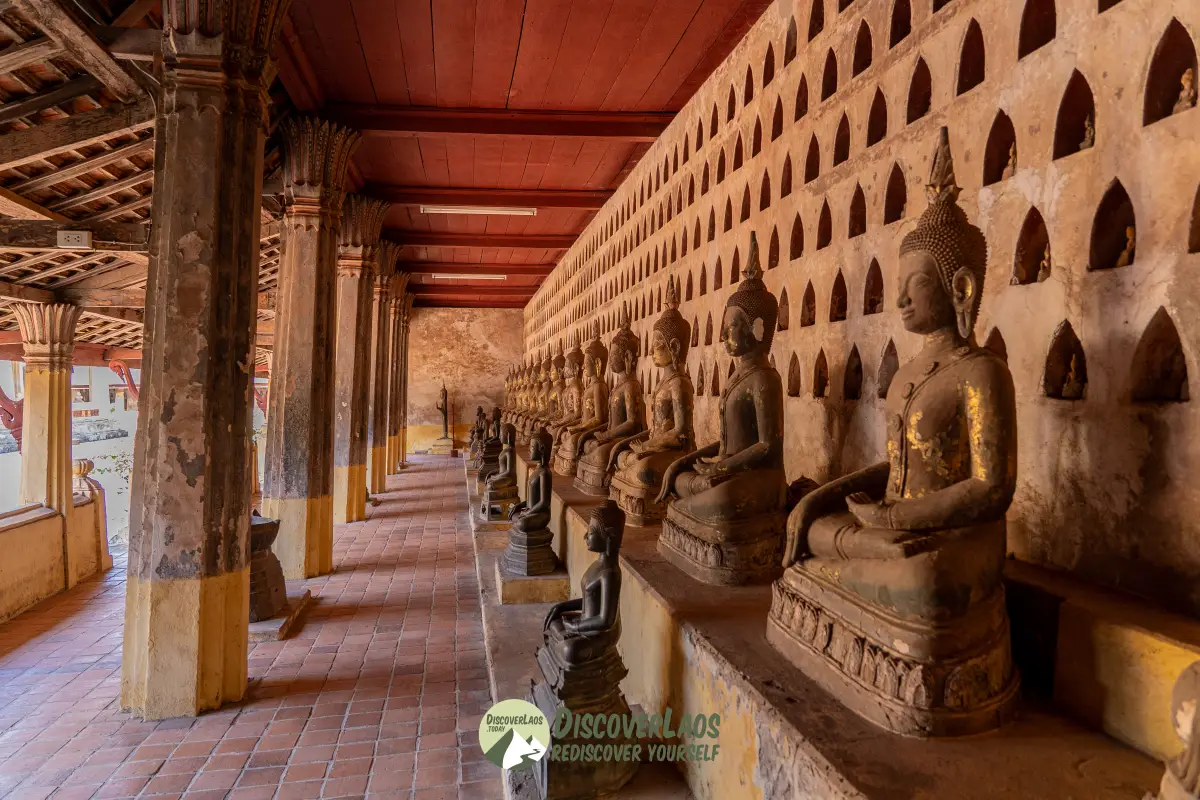
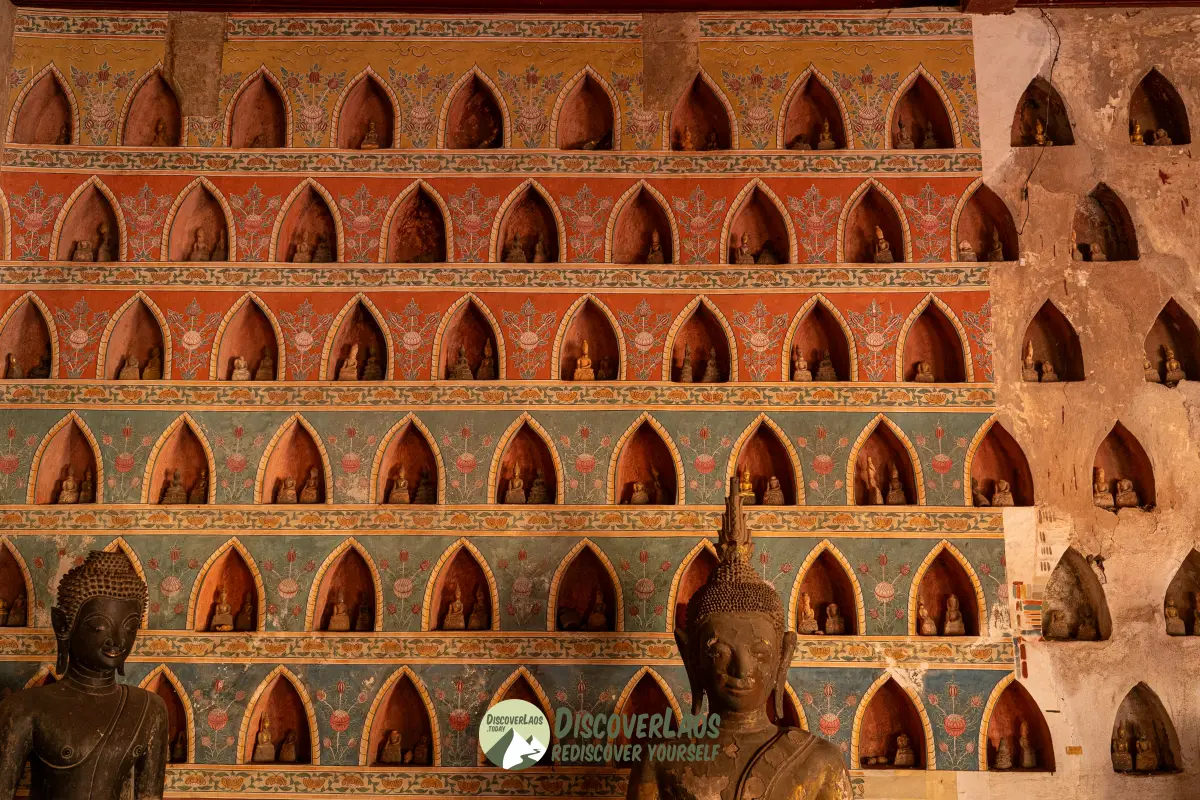
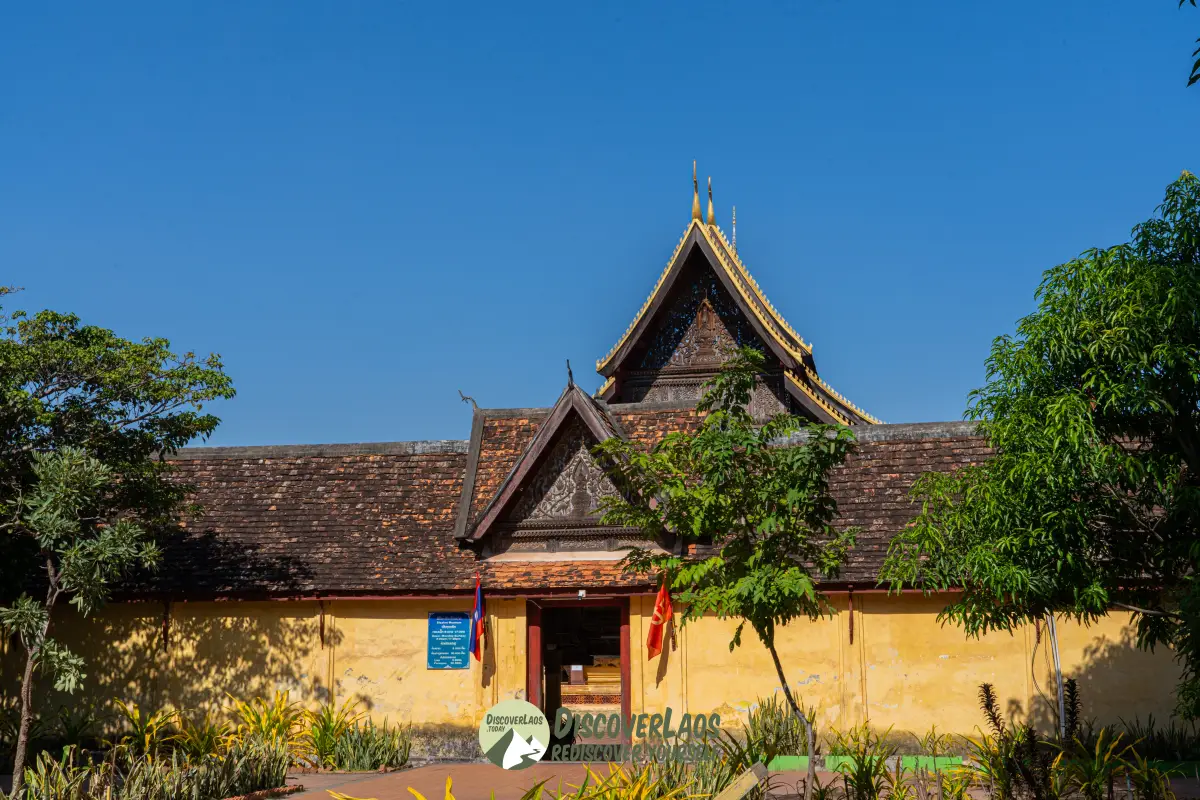
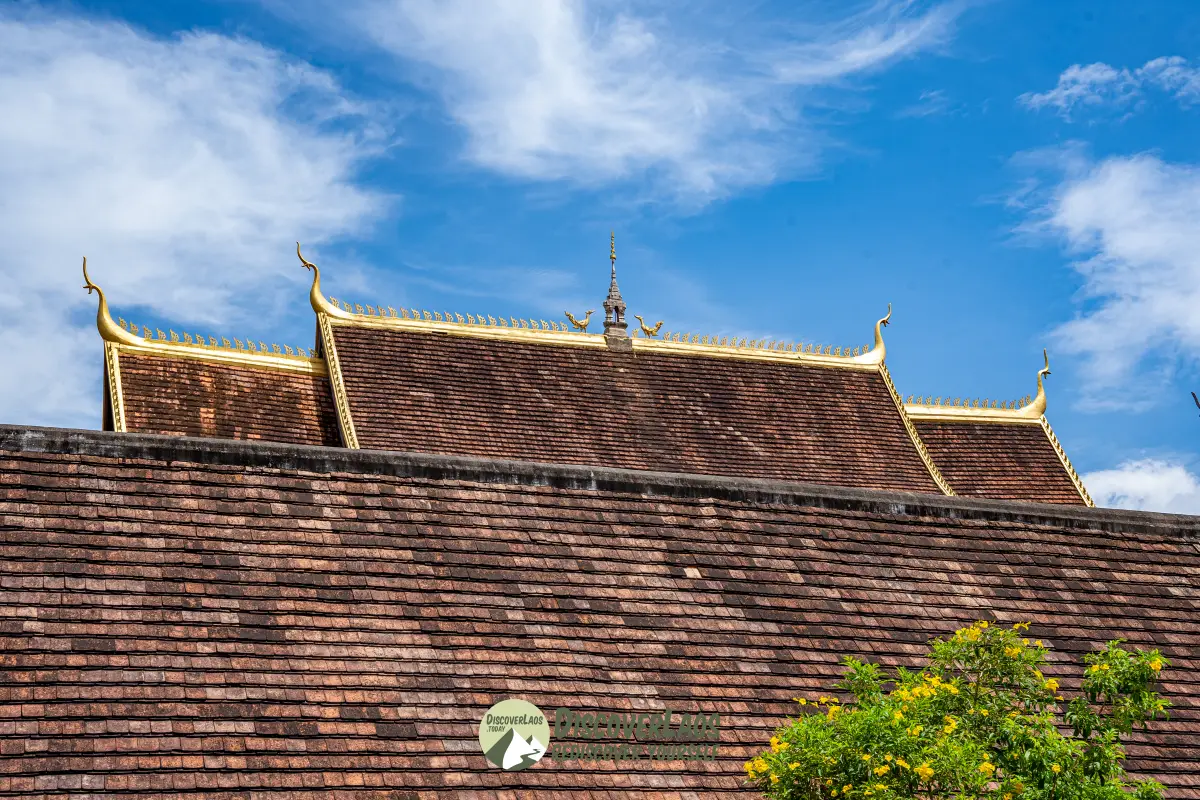
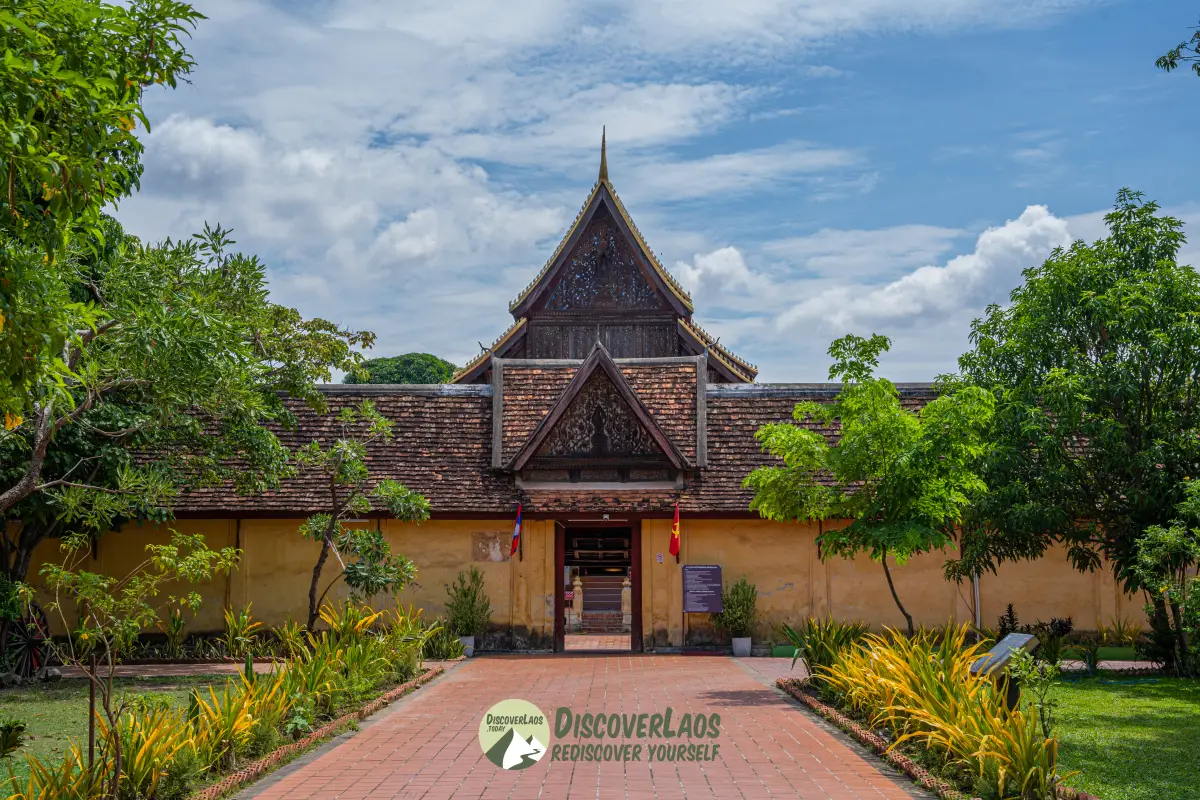
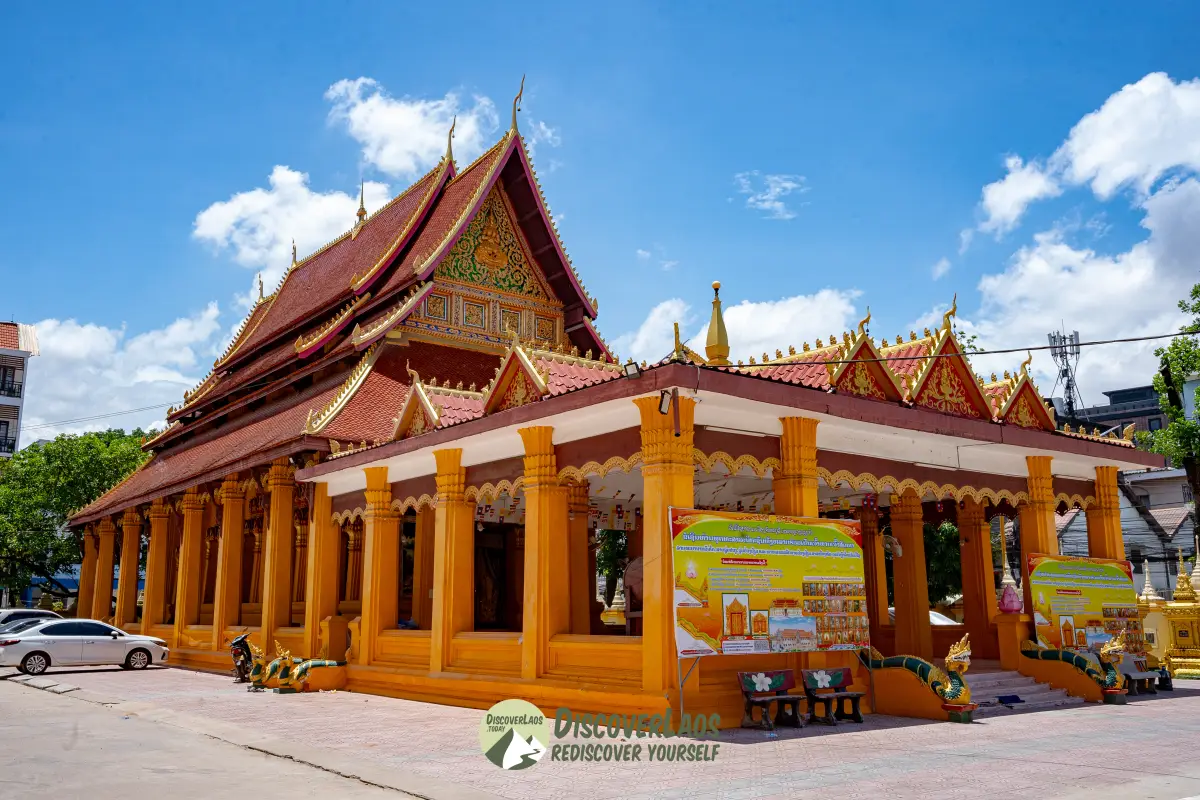
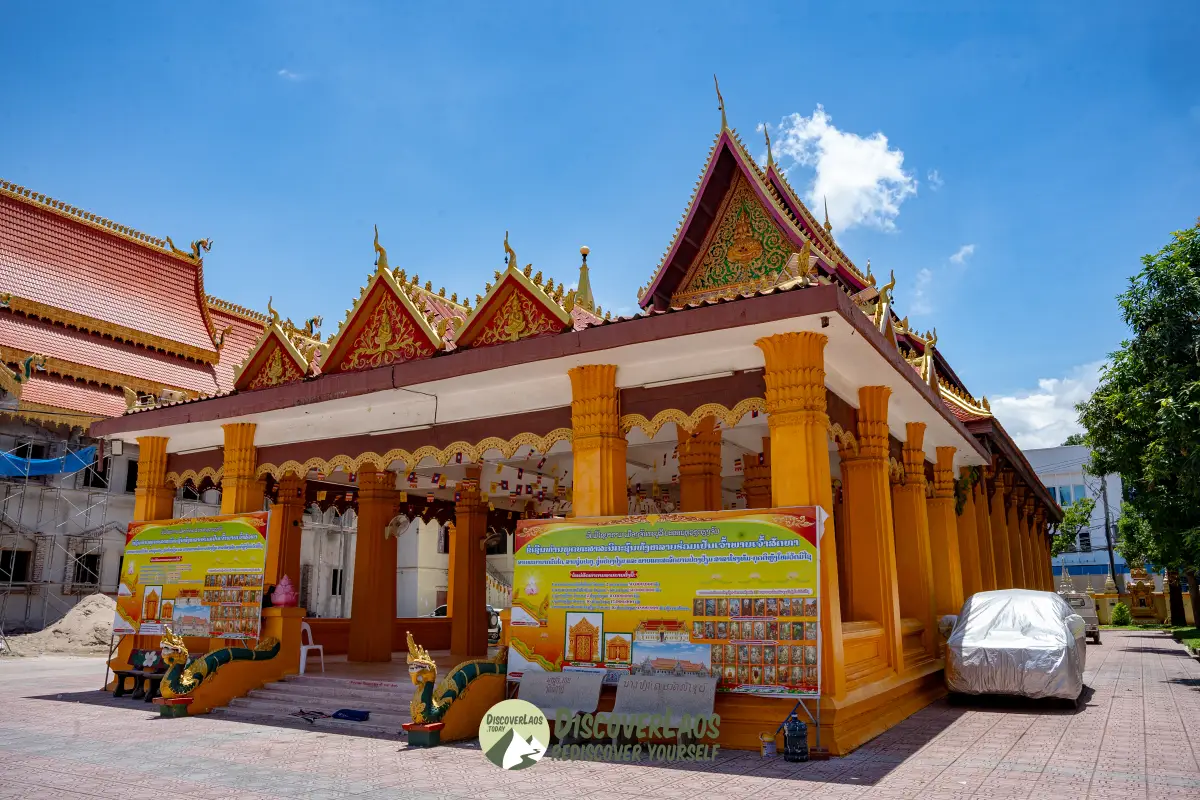
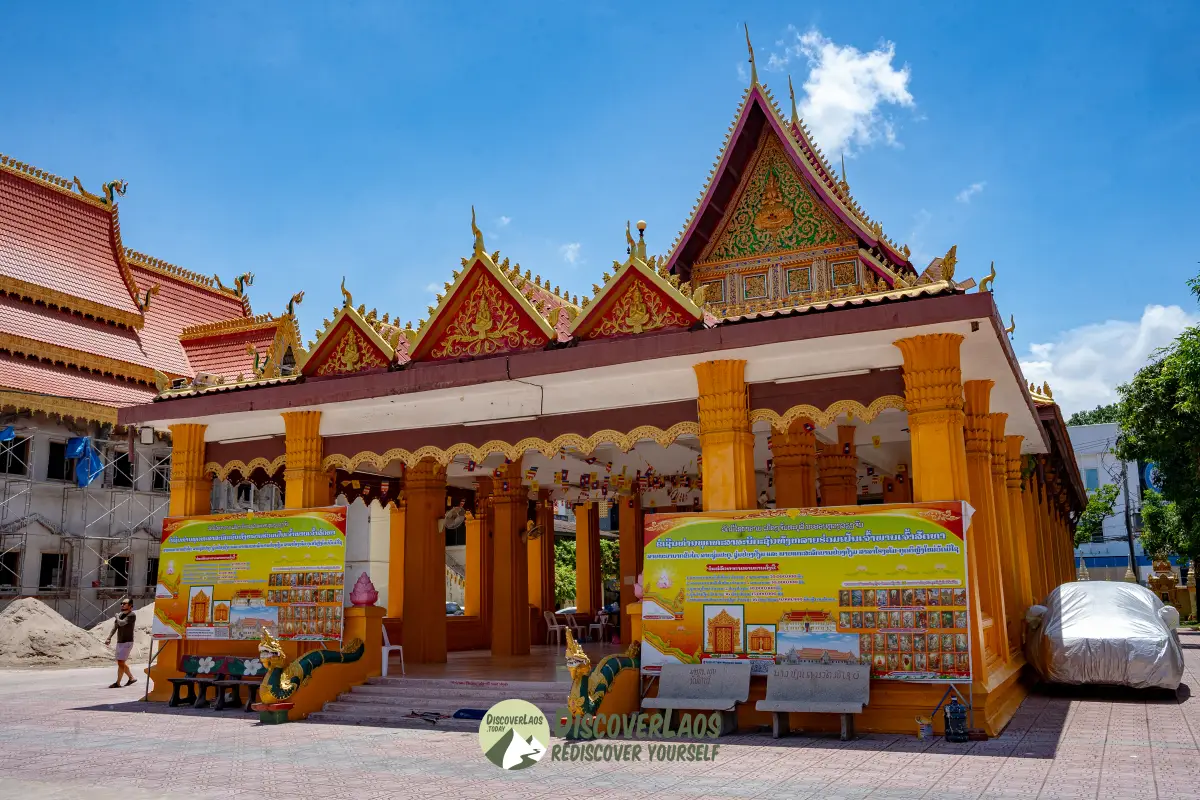
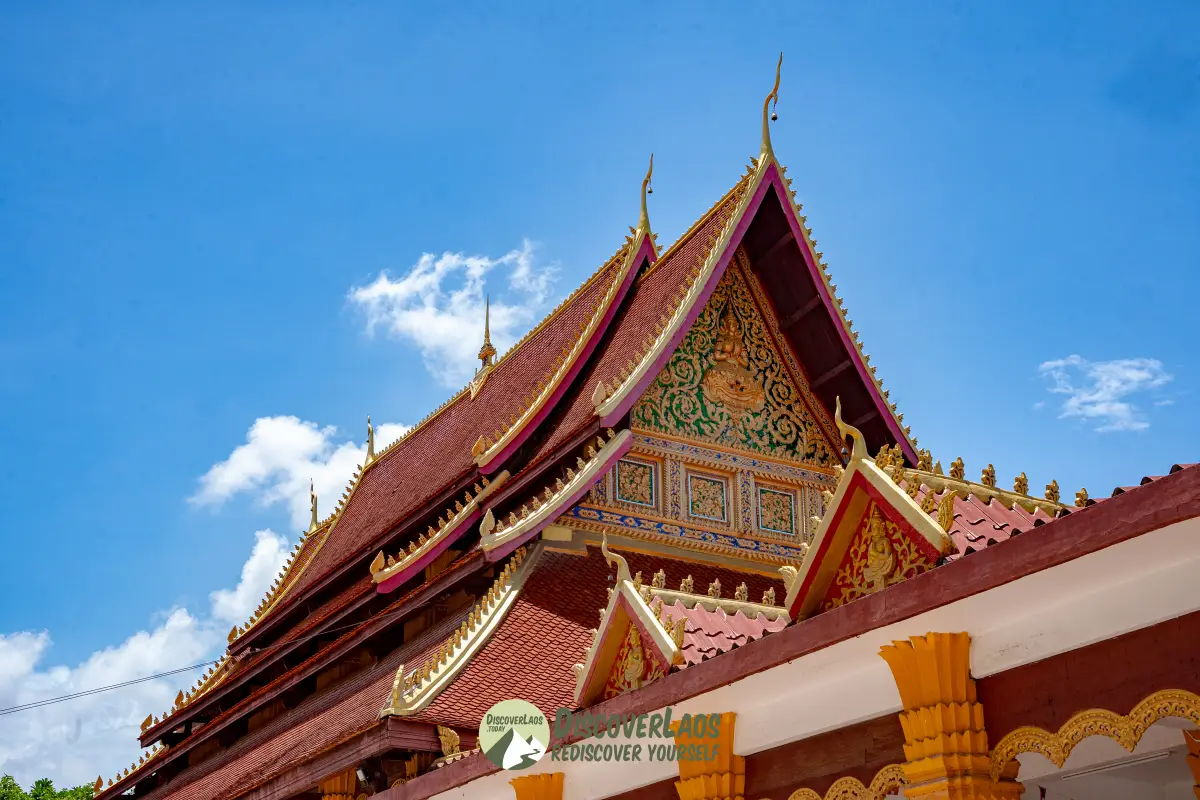
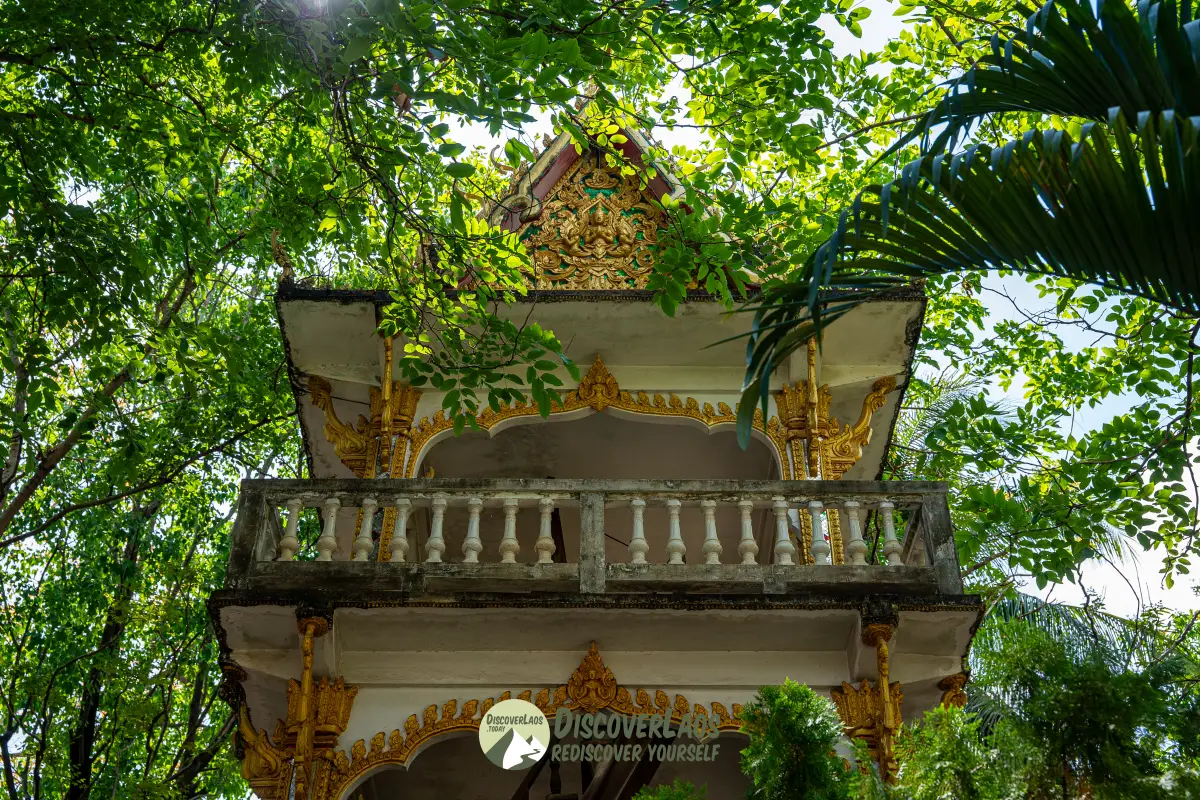
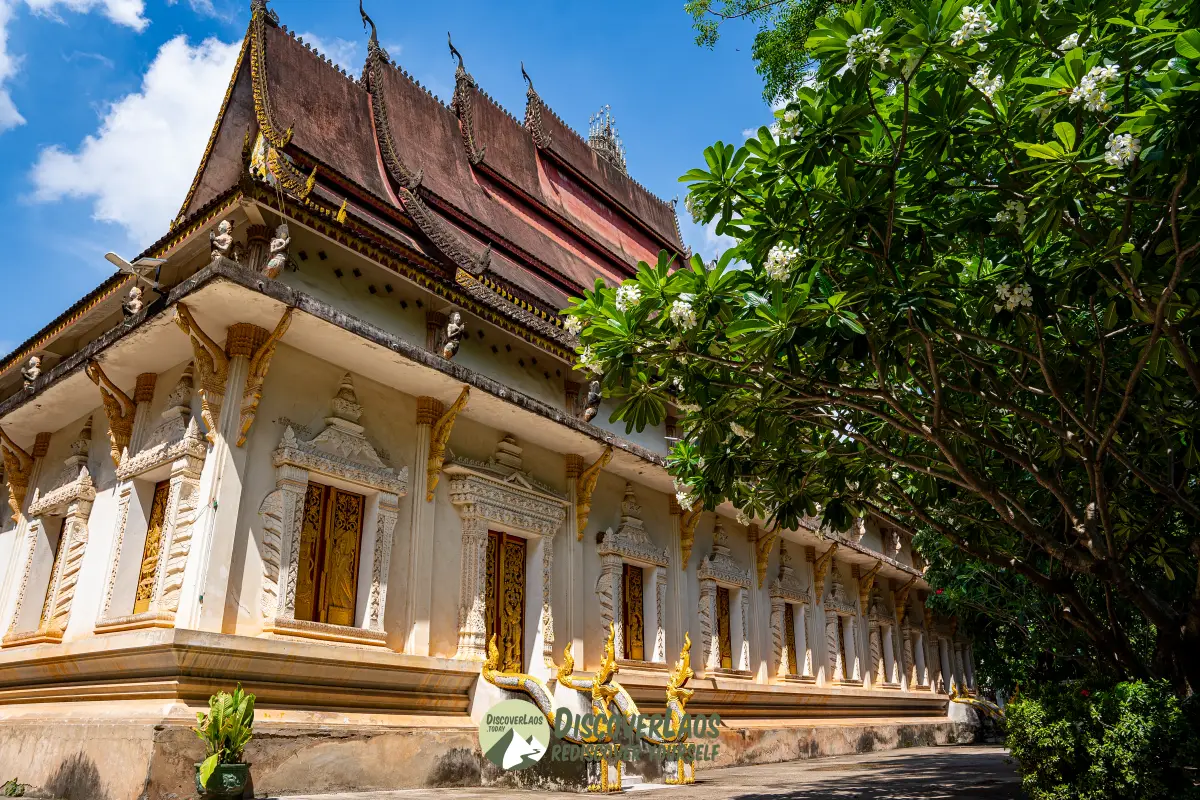
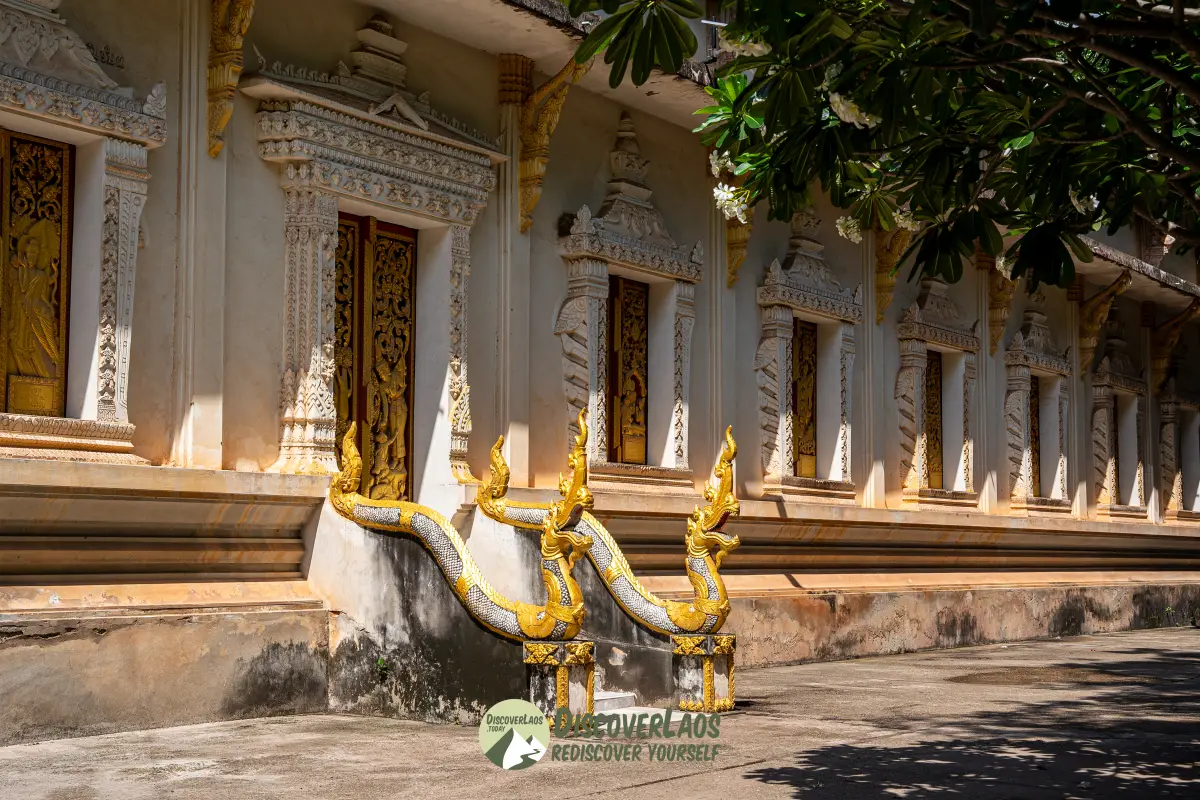
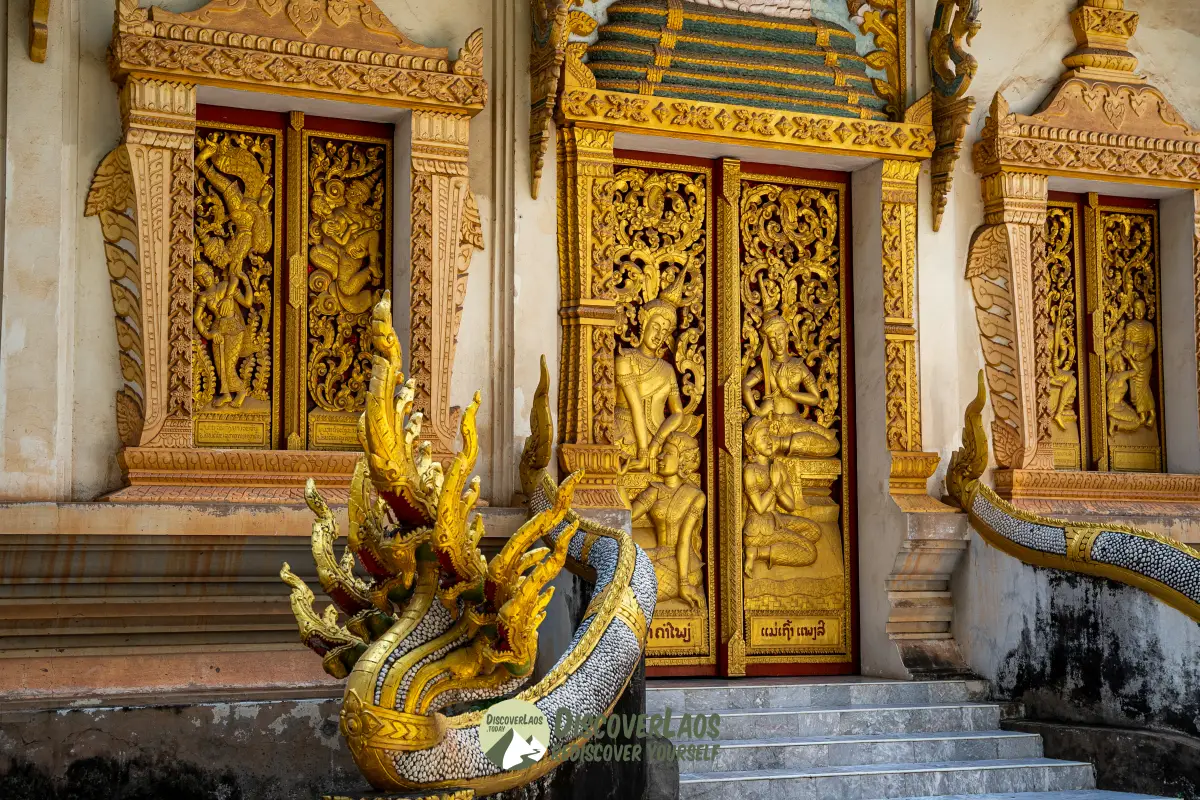
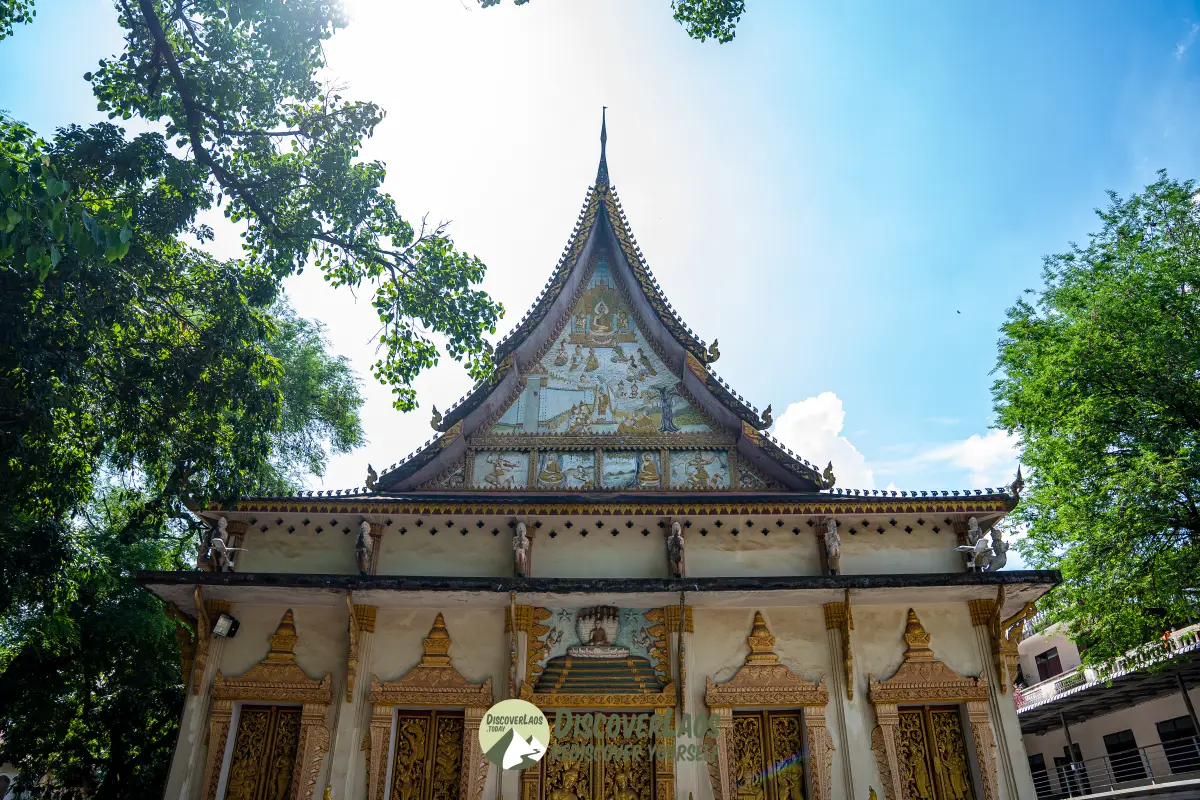
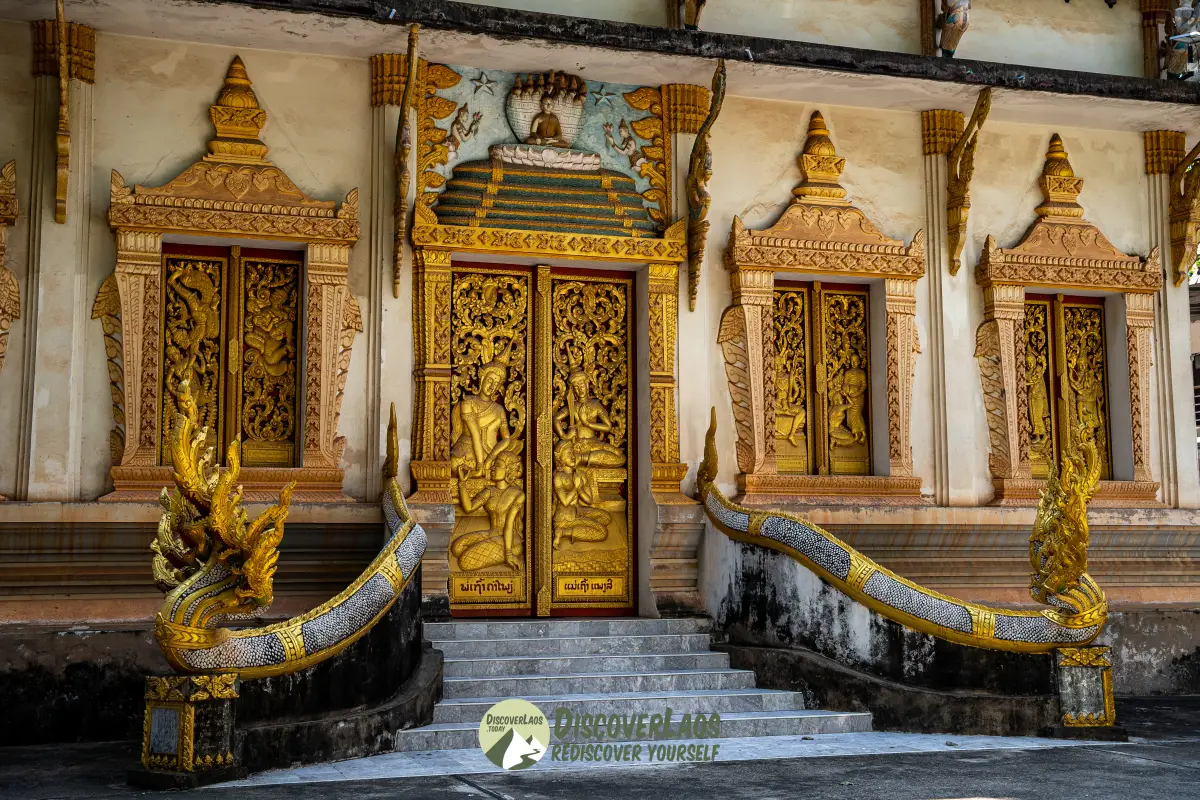
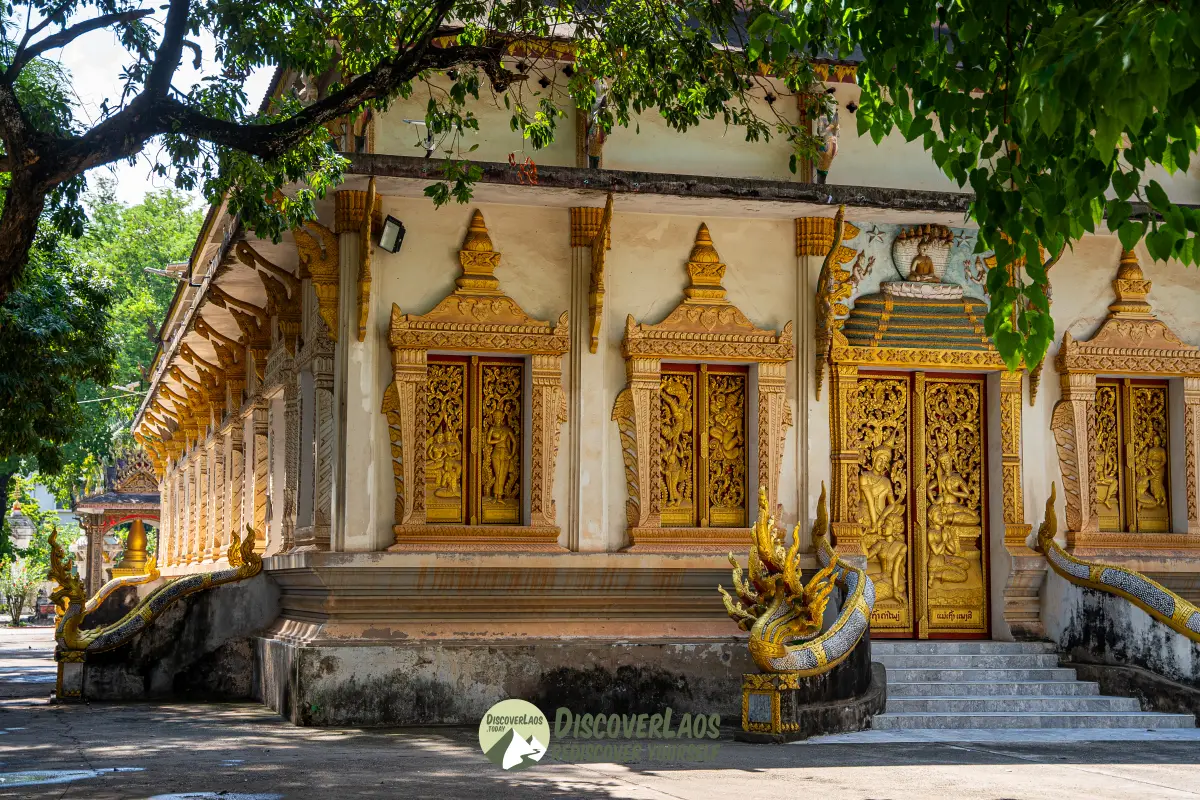
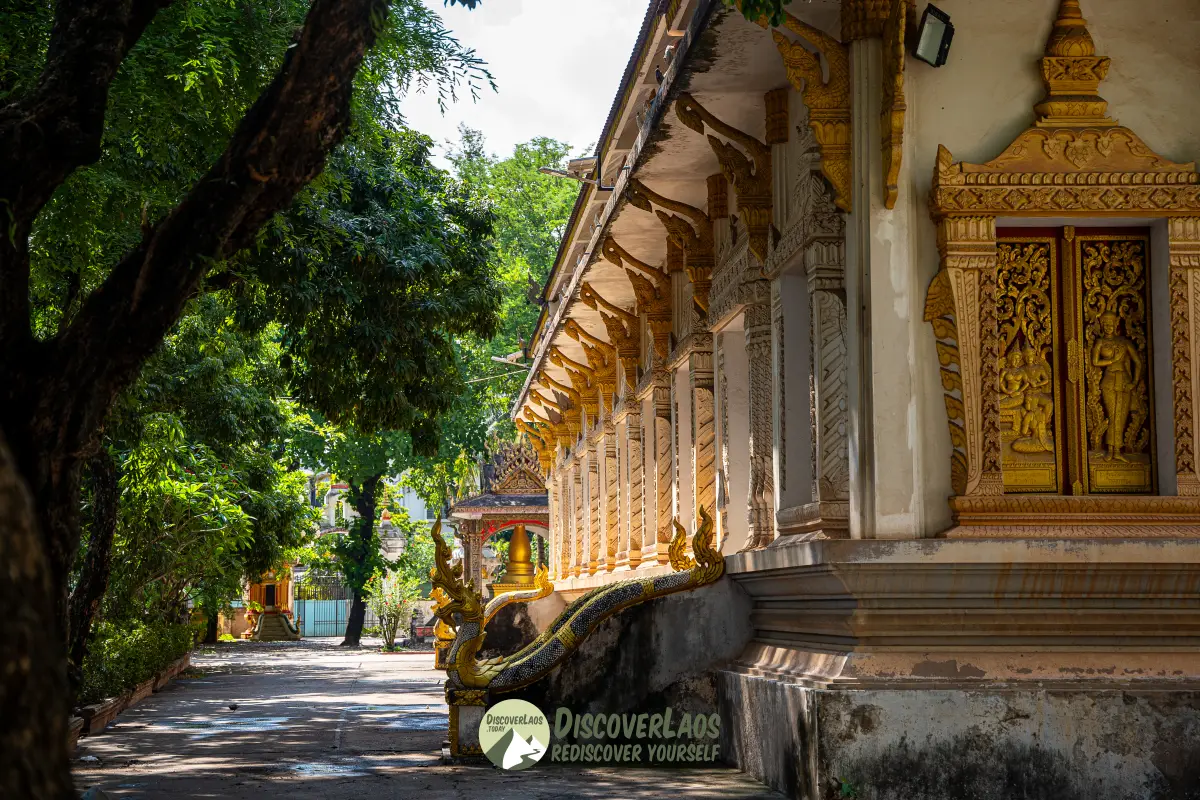
Sisaket is the only ancient temple remaining intact after the destruction of the Siamese in 1828. It’s located in the center of the old city, where it was built in 1818 by King Anouvong. The old monastery stands intact in its original form and certainly is one of the most interesting in the country. Inside the main hall, the courtyard walls house hundreds of little inches and shelves containing a total of 6,840 Buddha images.
Open daily from 08:00 to 12:00 and 13:00 to 17:00 (except on public holidays)
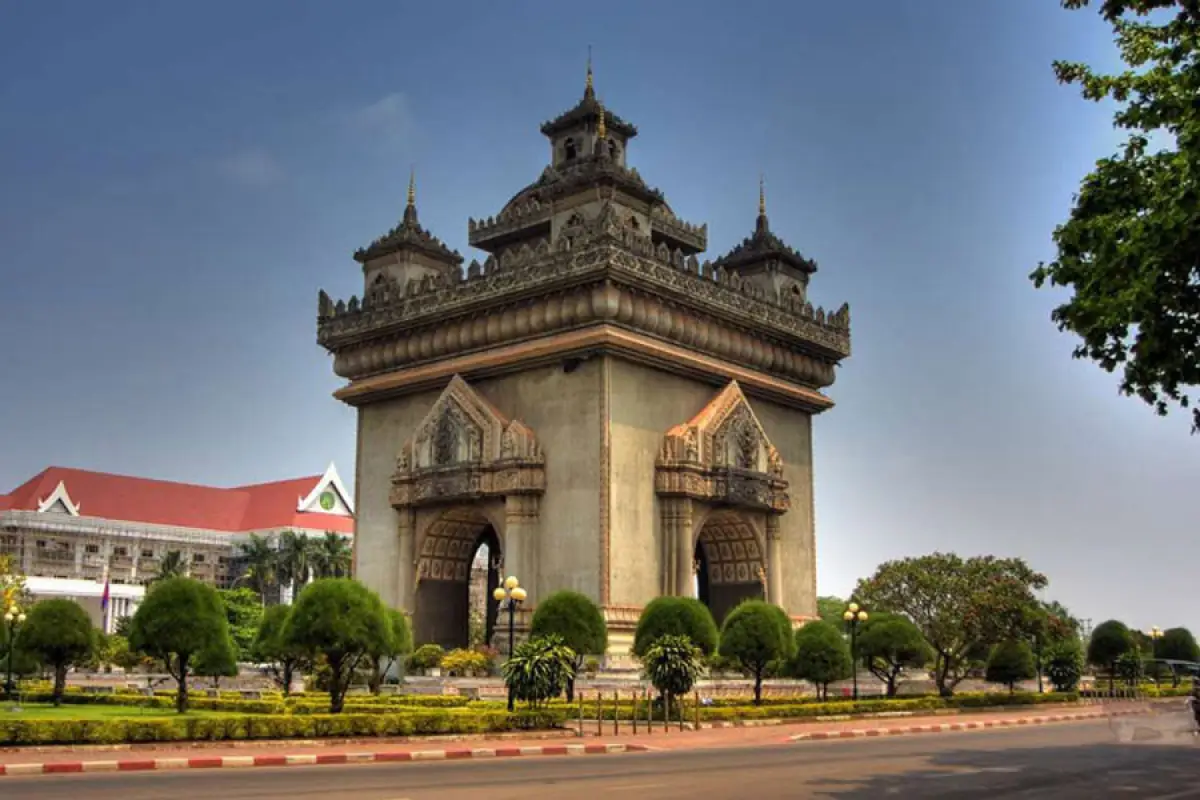
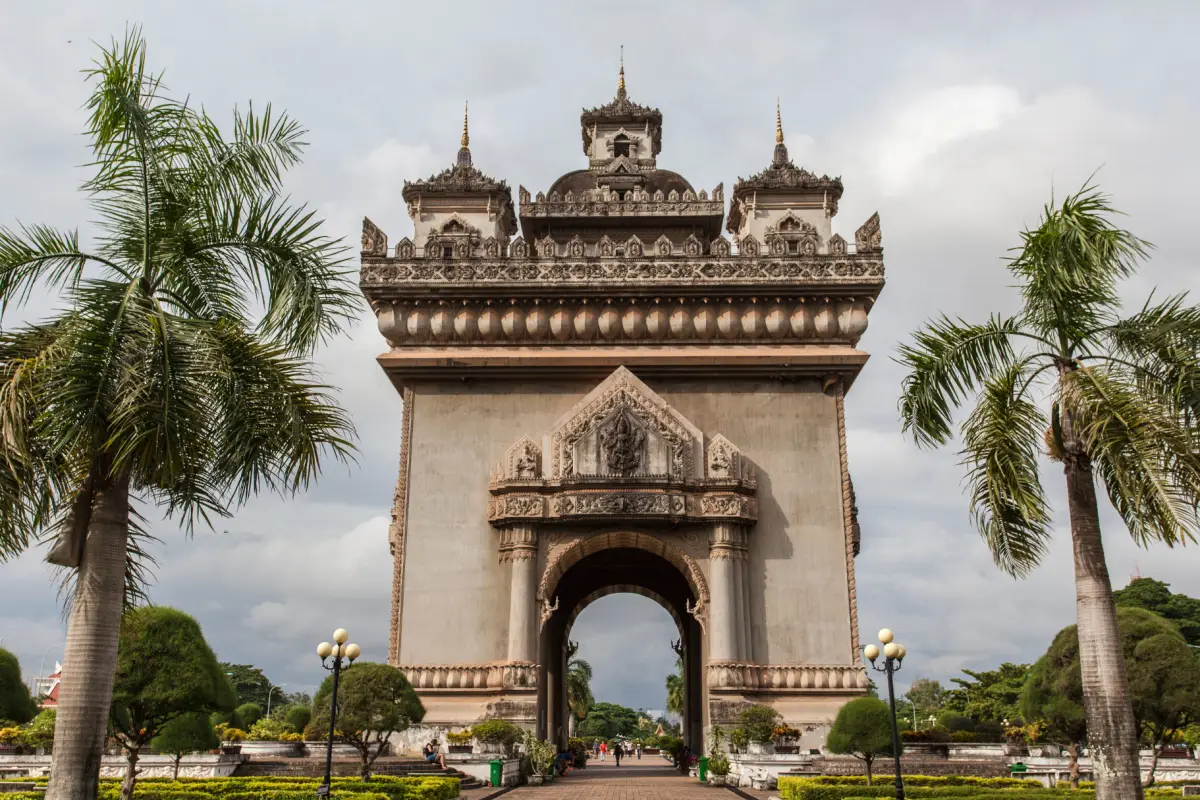
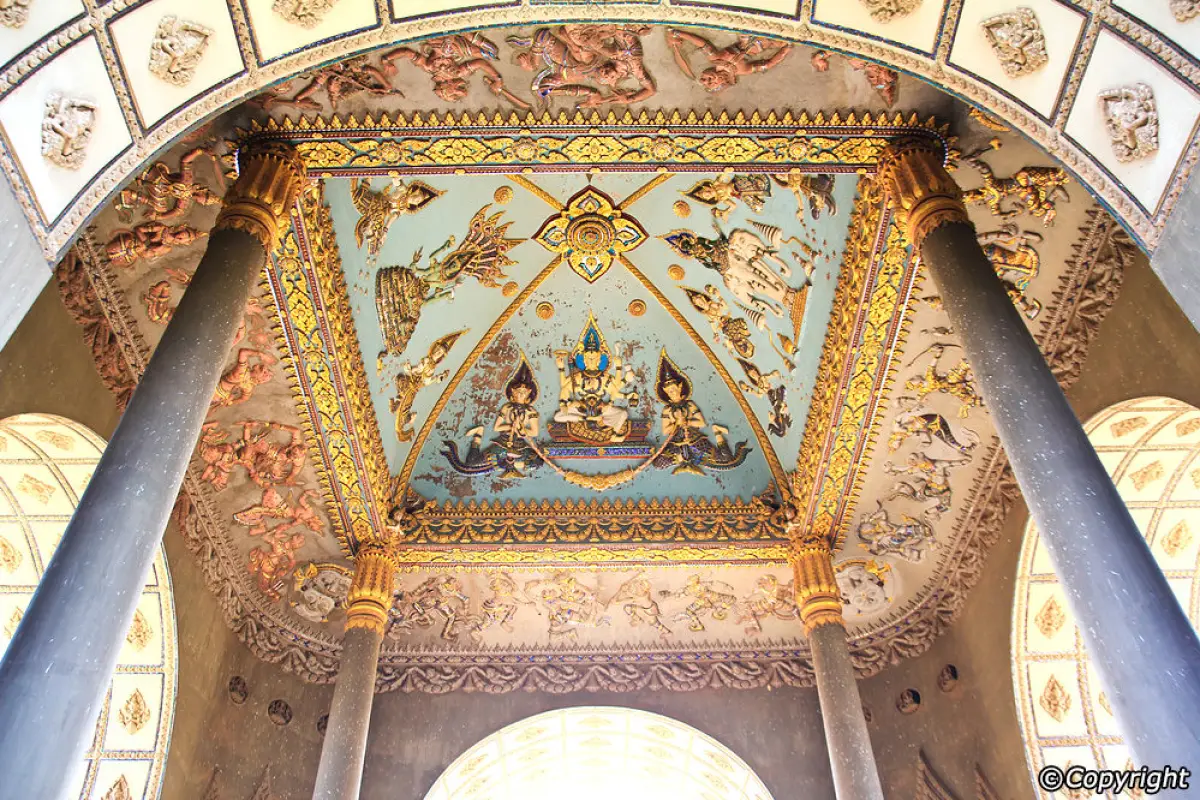
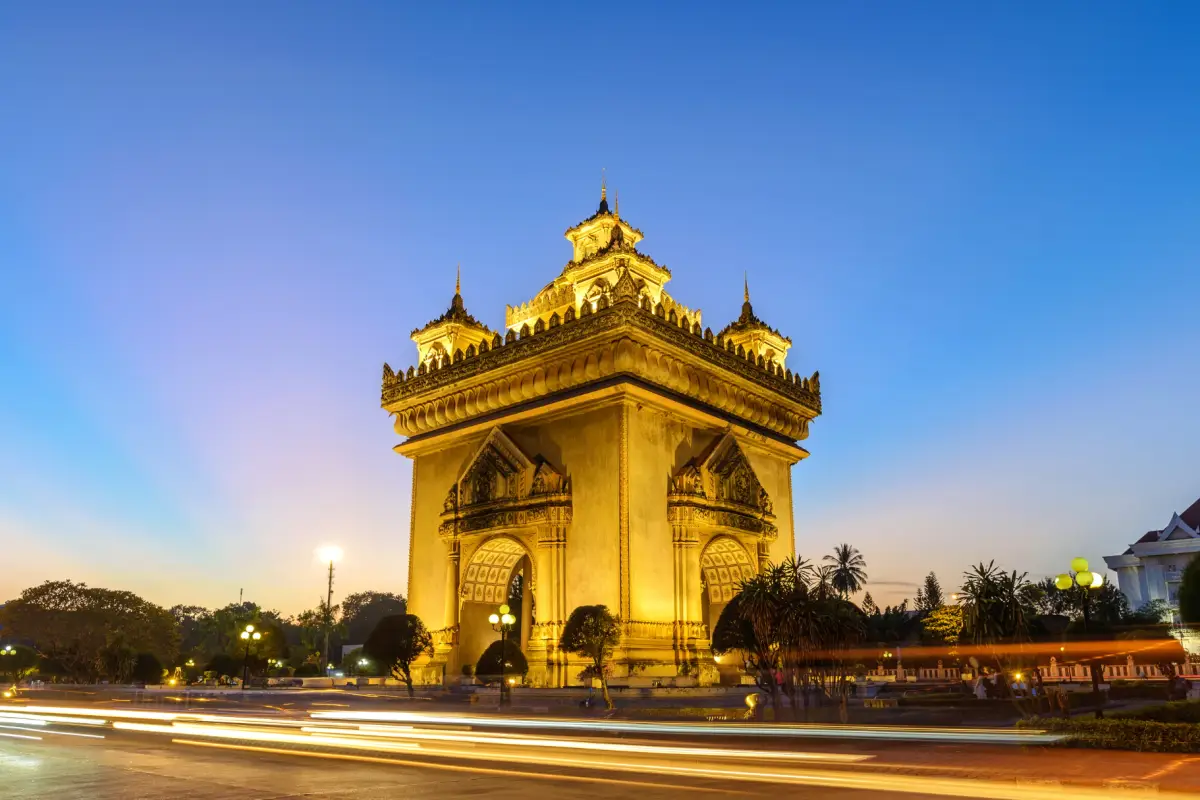
The memorial monument, Patouxay, was built in 1957 and is perhaps the most prominent landmark in the city. It is situated on Lanexang Avenue. Though inspired by the arc de Triomphe in Paris, the design further incorporates quintessential Lao motifs including “Kinnaly”, a mythical bird woman. Energetic visitors can climb to the top of the monument, which reveals an excellent panoramic view of the city.
Open daily from 08:00 to 17:00
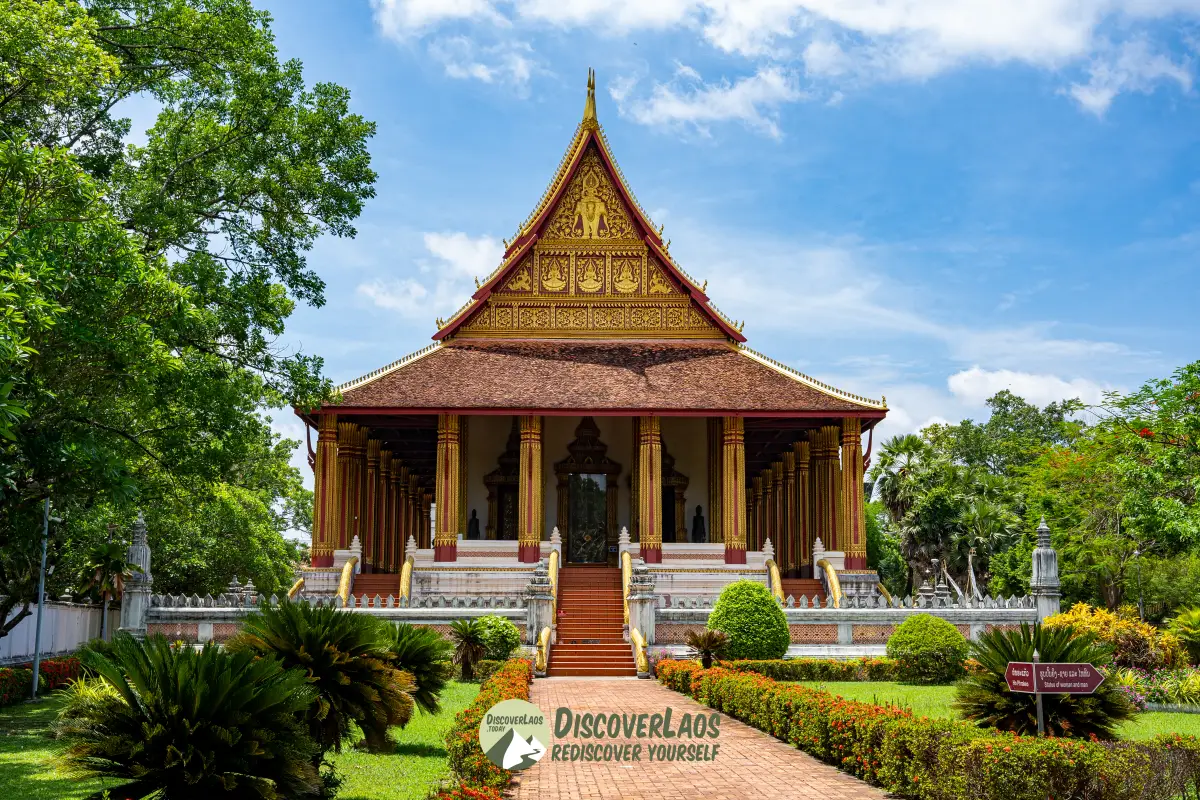
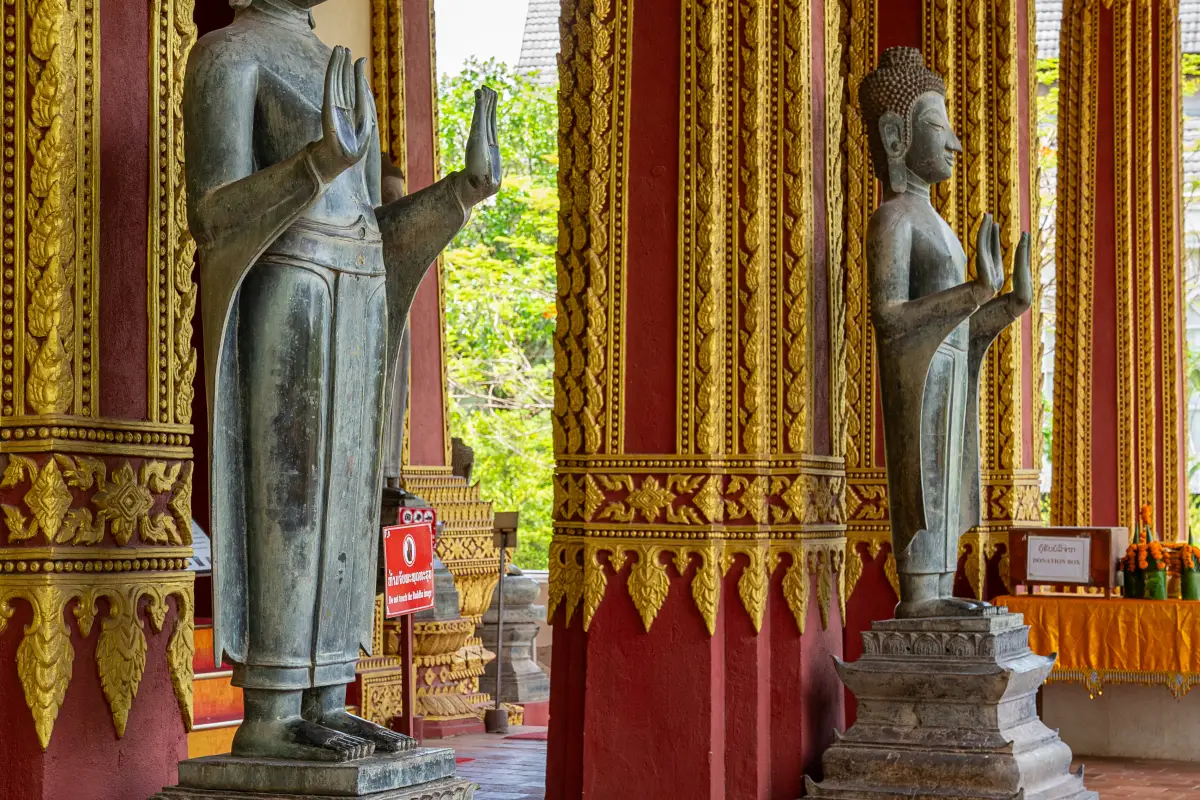
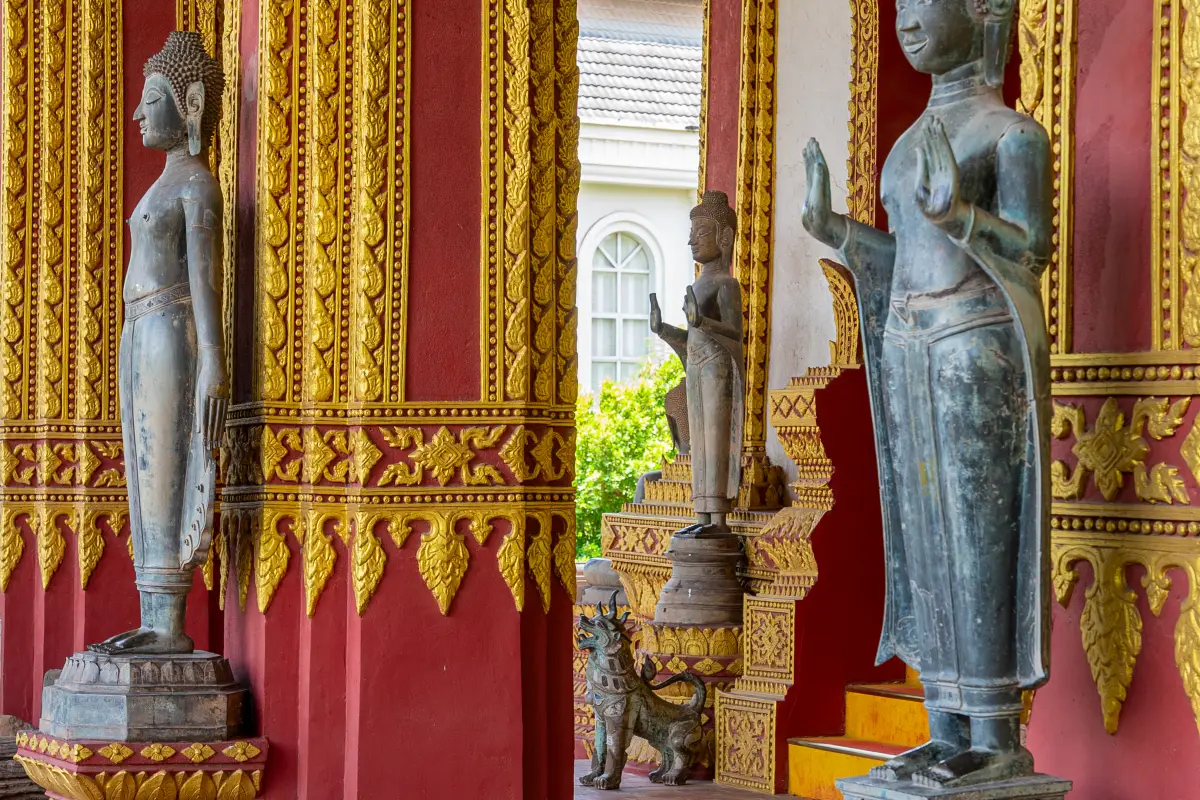
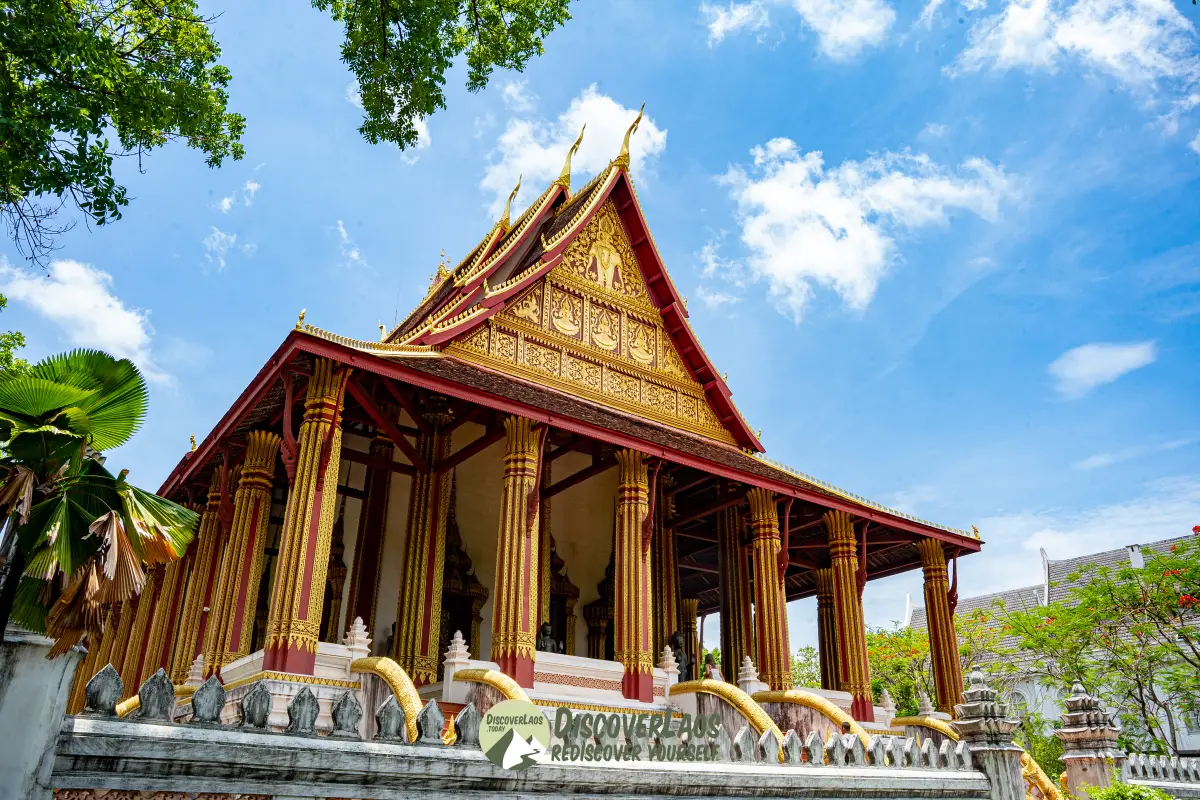
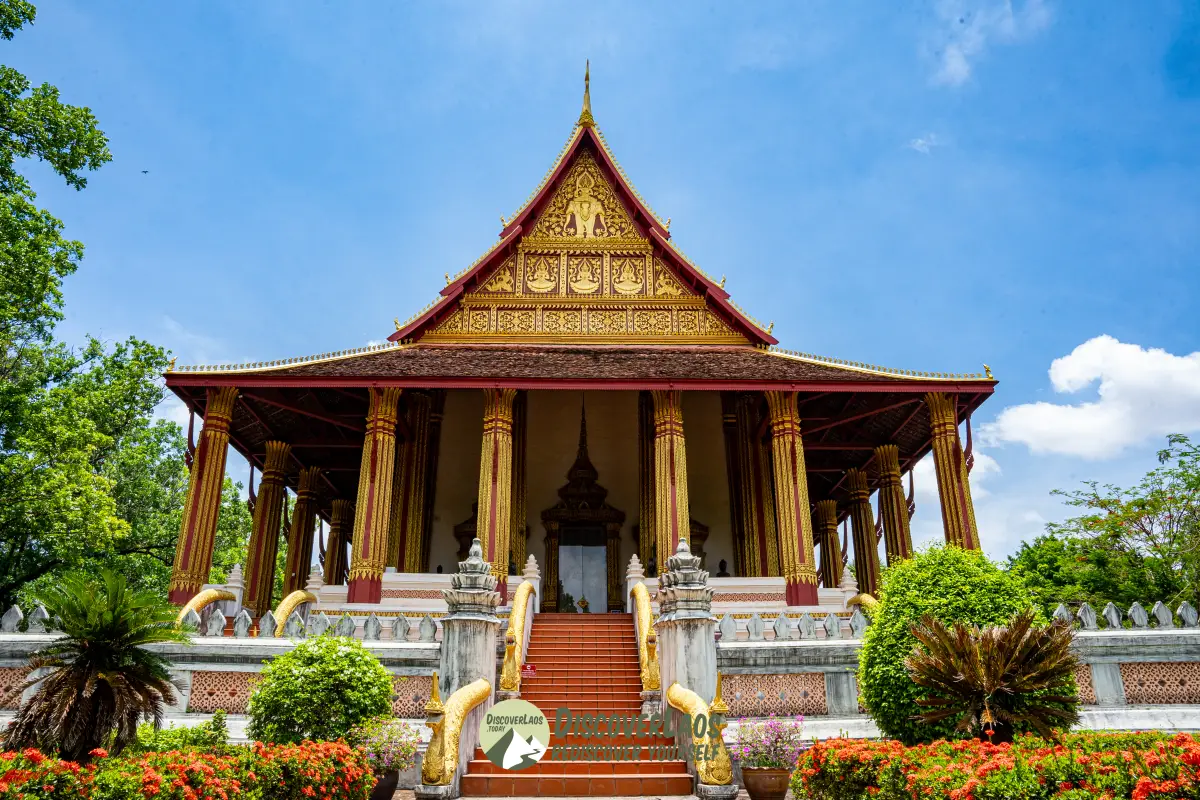
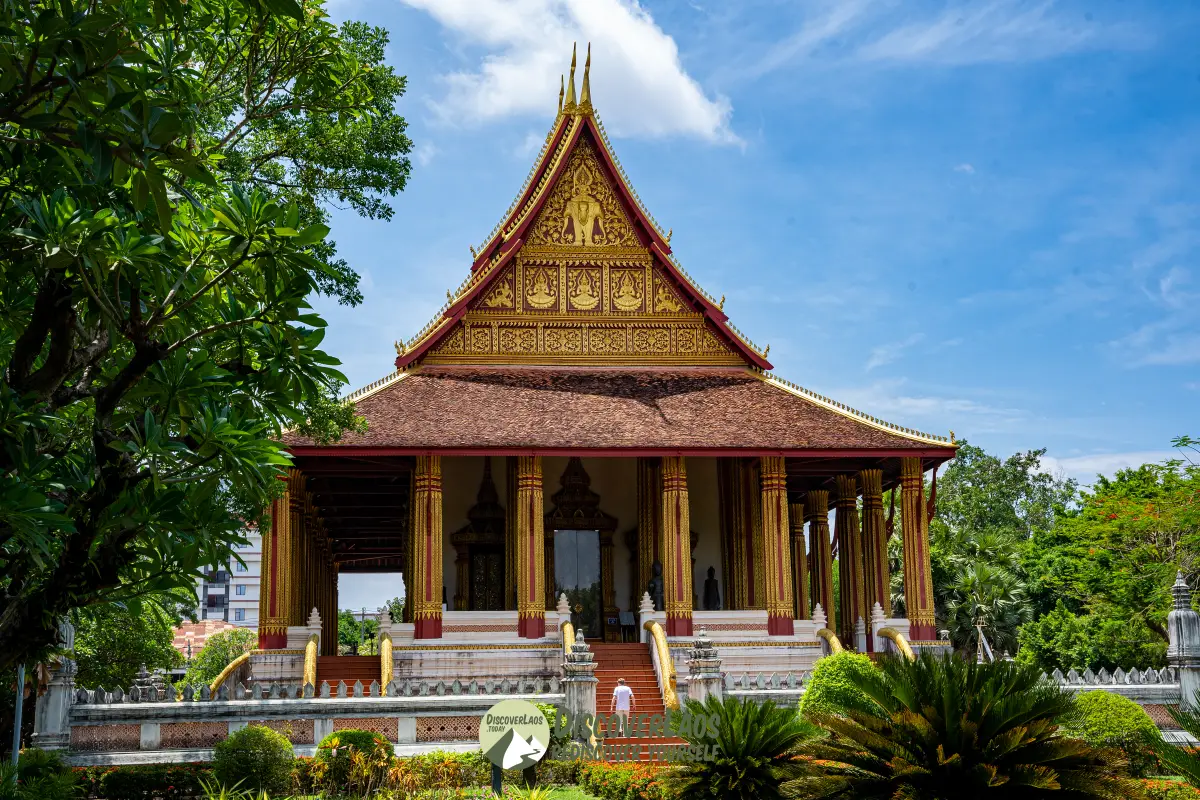
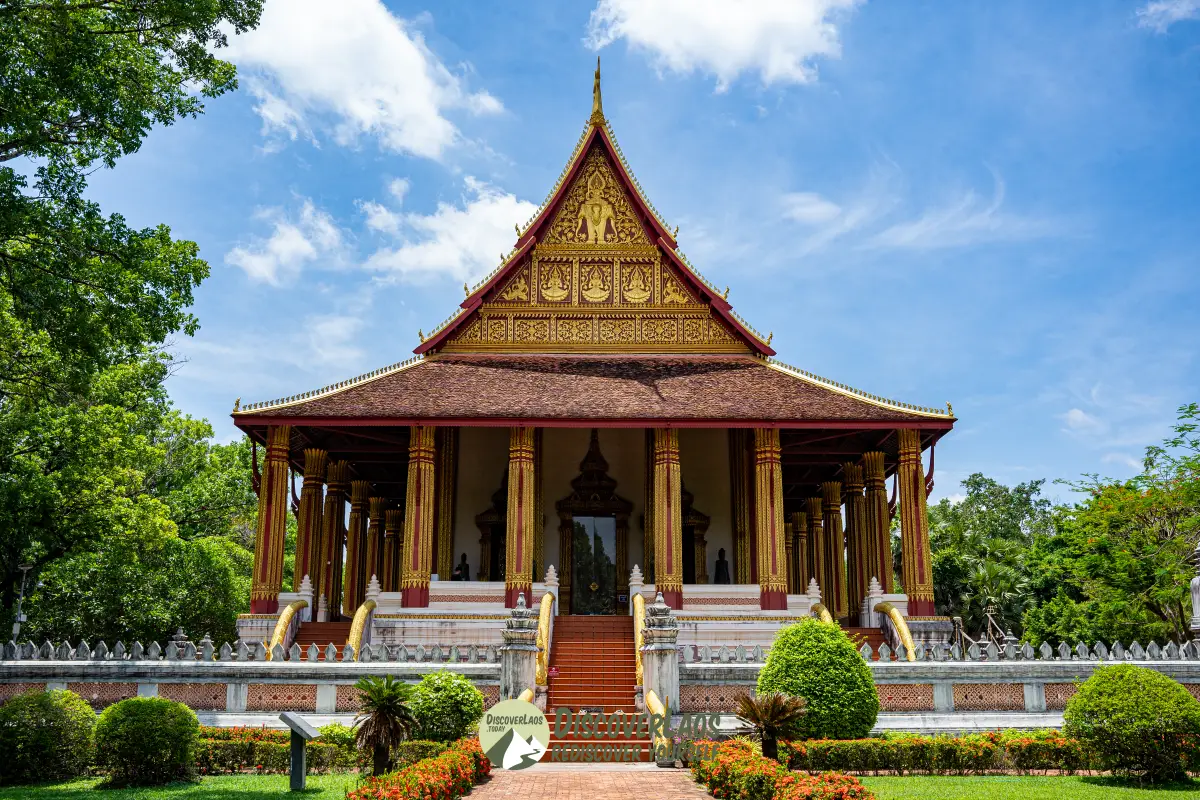
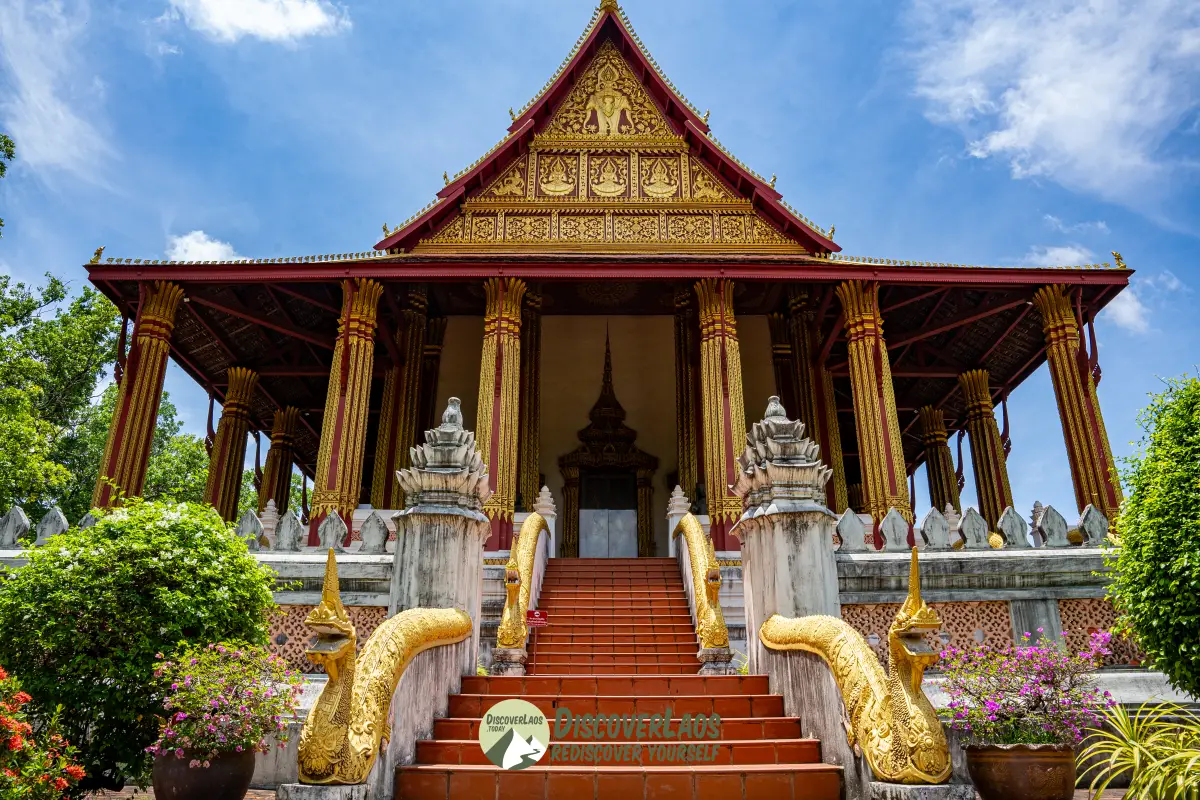
Originally, this ancient temple was built in 1565 by King Xayasetthathilath to house the Emerald Buddha 1565-1779 (lost to the Siamese in 1828) as his personal place of worship. It was reconstructed in 1936. For this reason, monks have not taken up residence here, unlike in other temples in Laos.
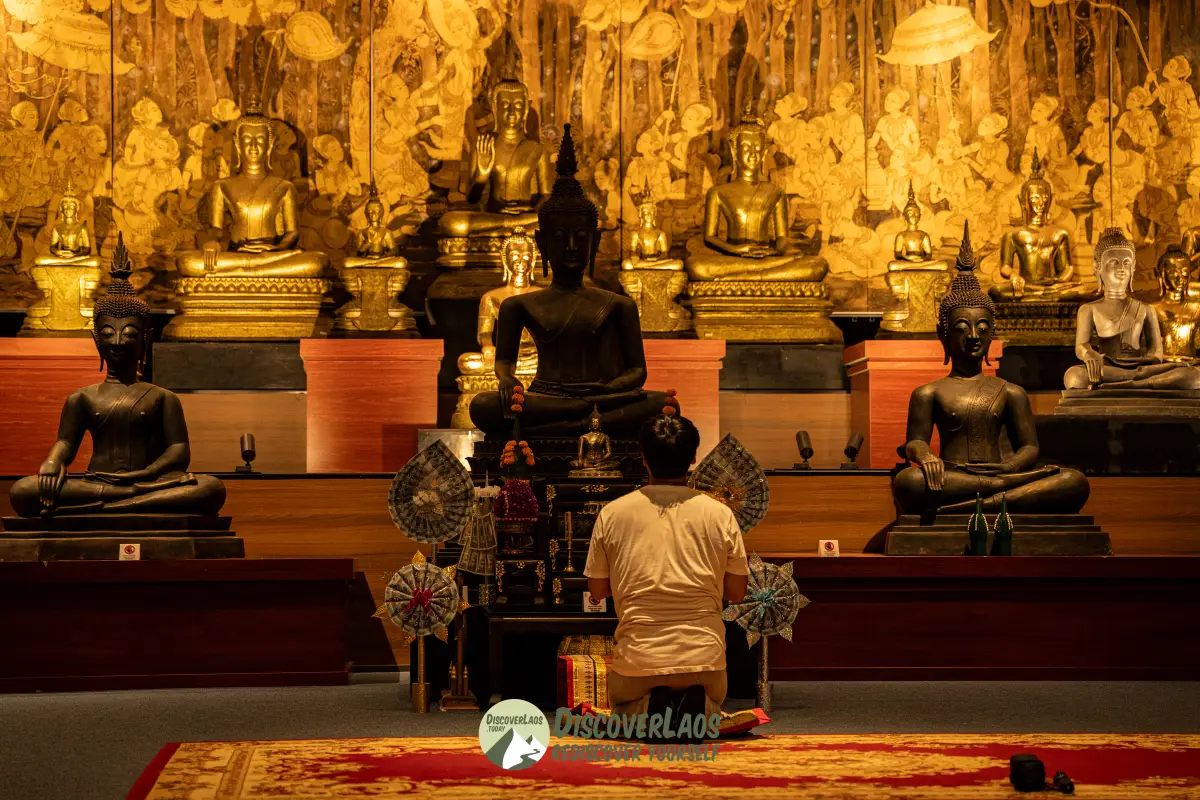
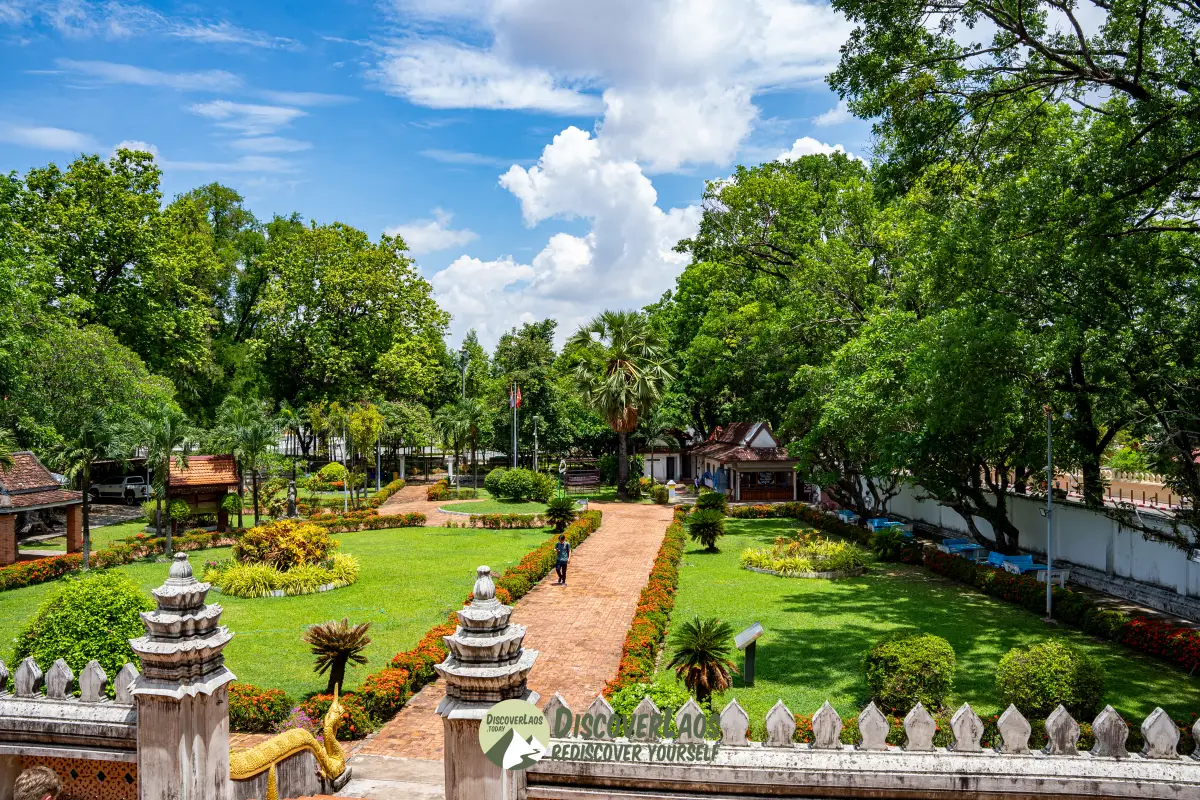
During the 1970s, the temple was converted from a place of worship into a museum and now houses the finest national collection of Buddhist sculptures and artifacts. From the terrace of Hor Phra Keo, one can enjoy a view overlooking the president’s Palace (former Royal Palace) and garden.
Open daily from 08:00 to 12:00 and 13:00 to 16:00
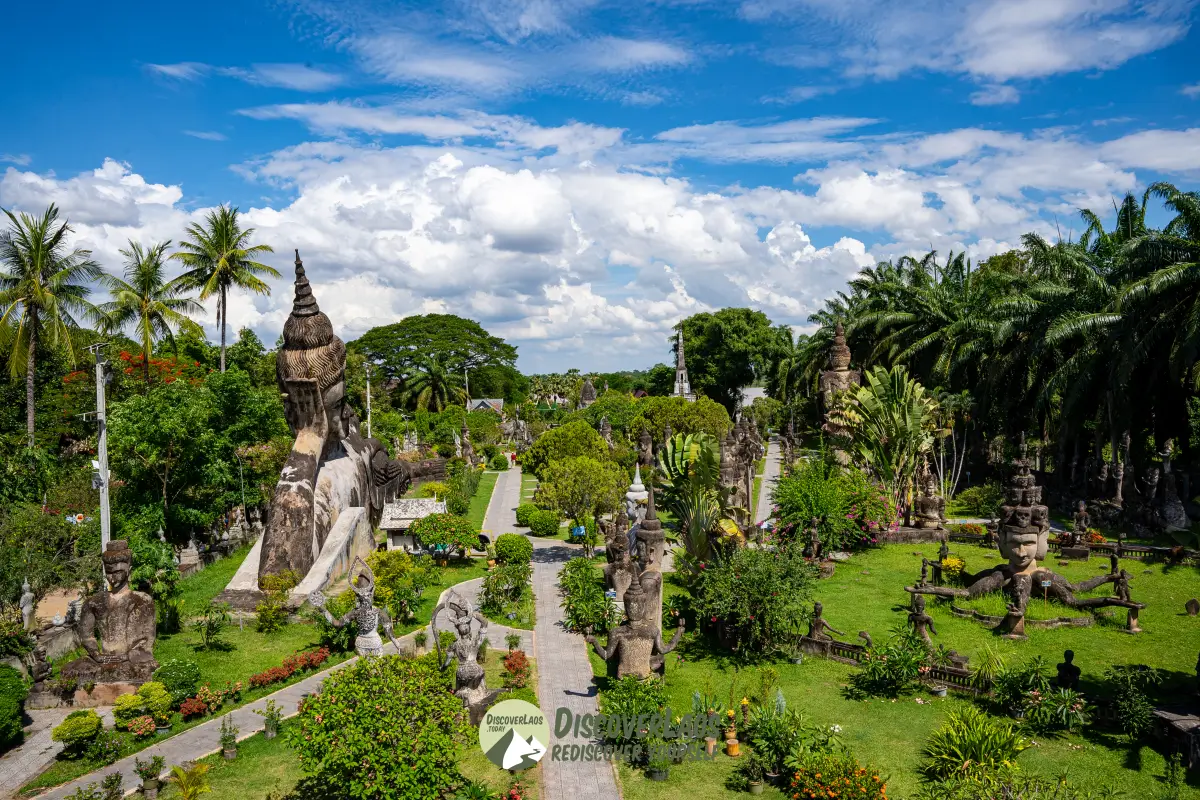
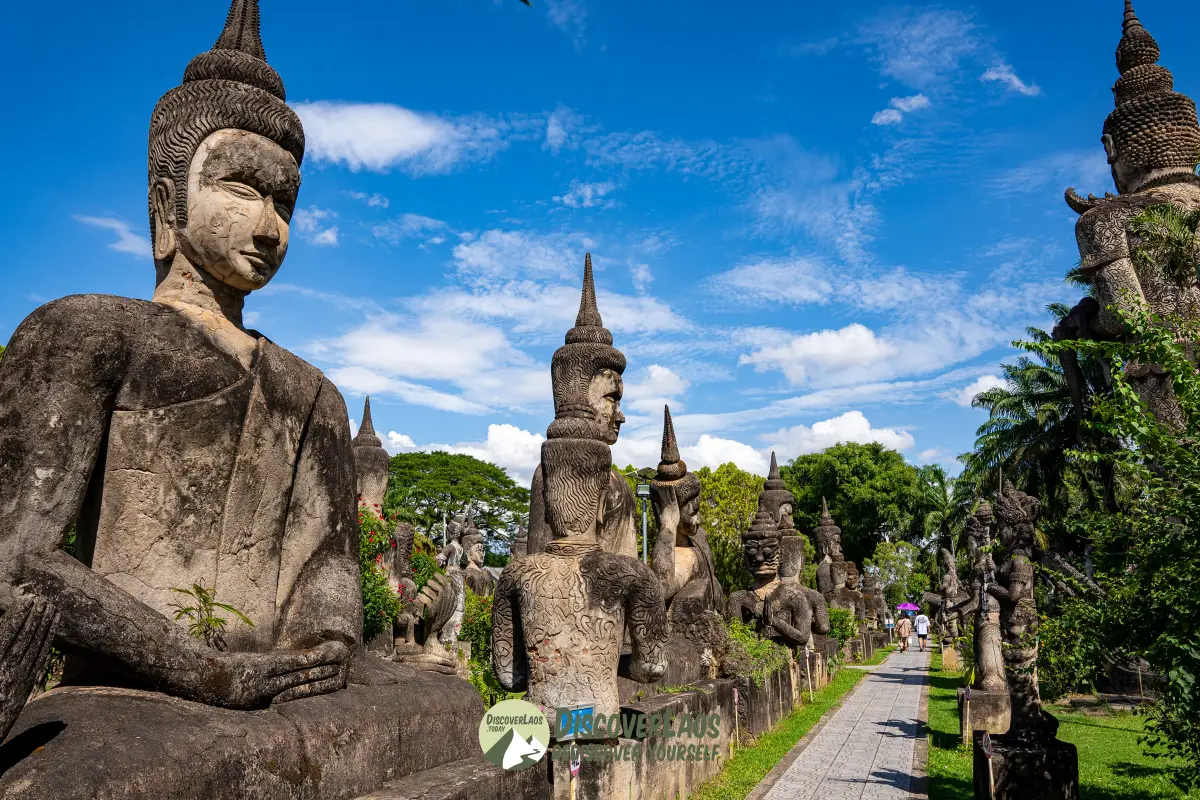
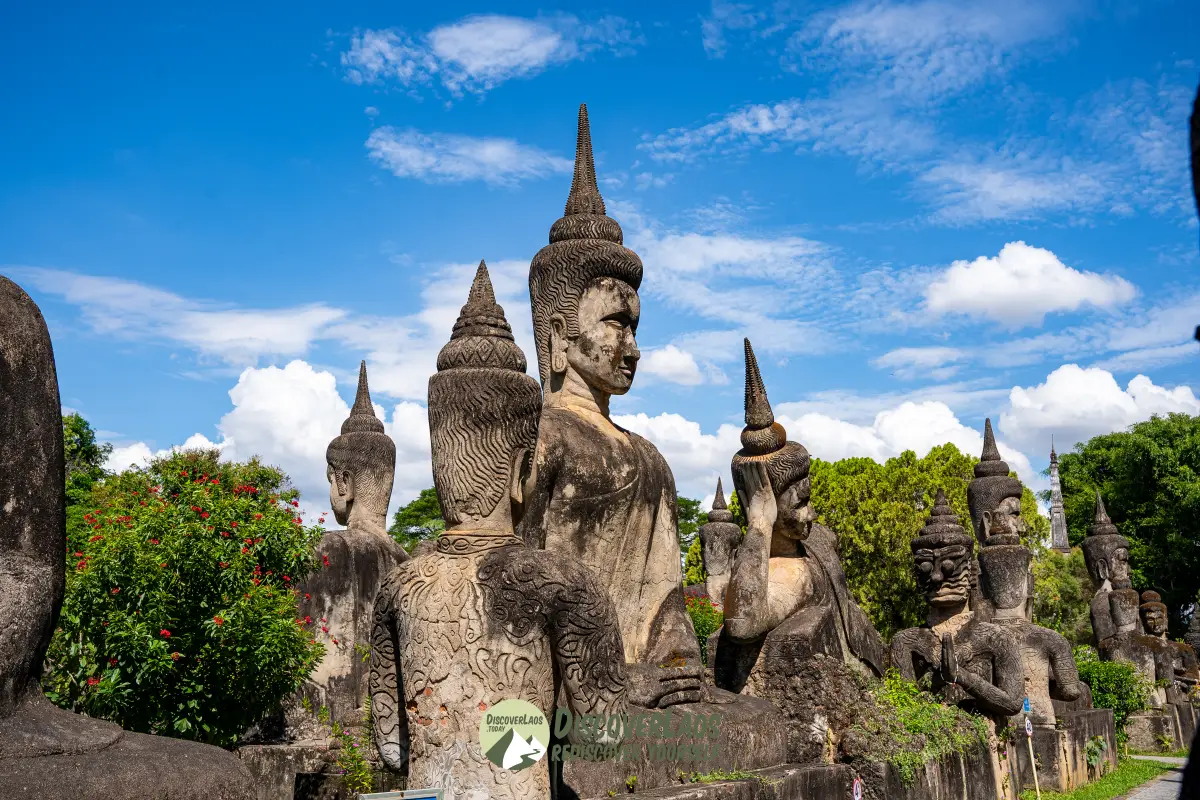
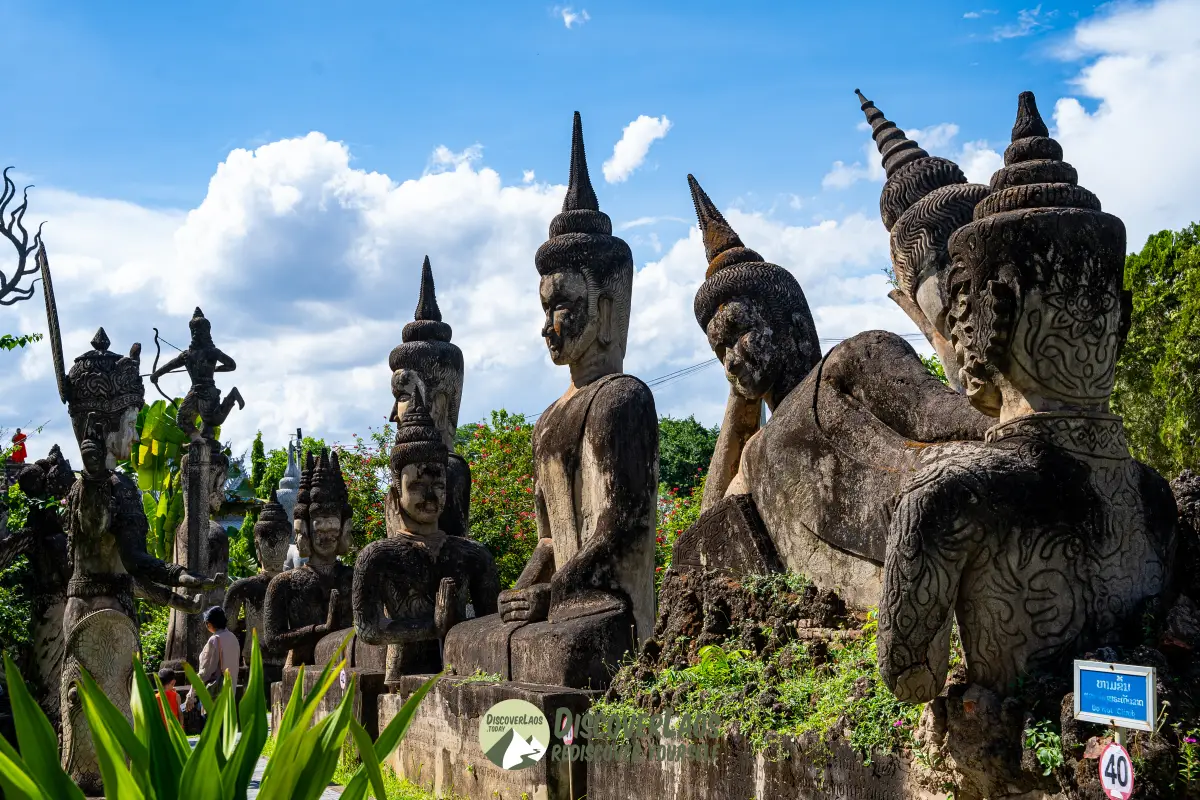
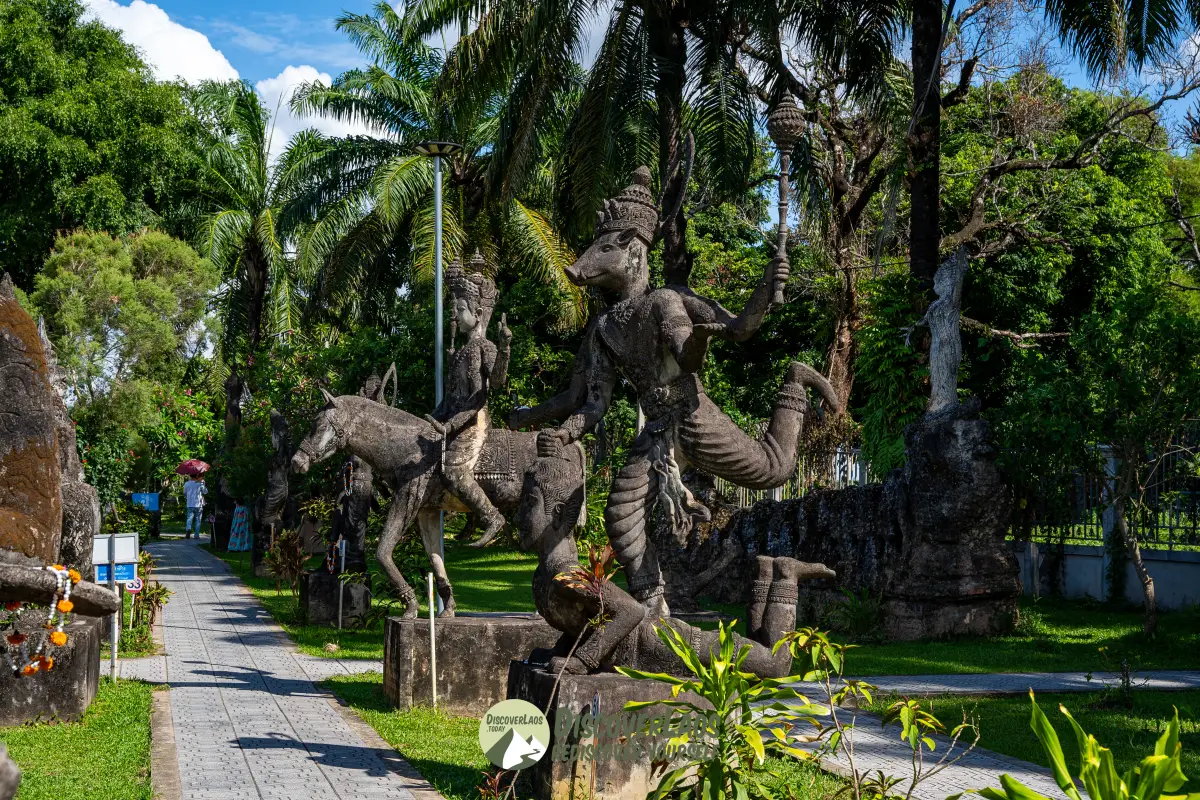
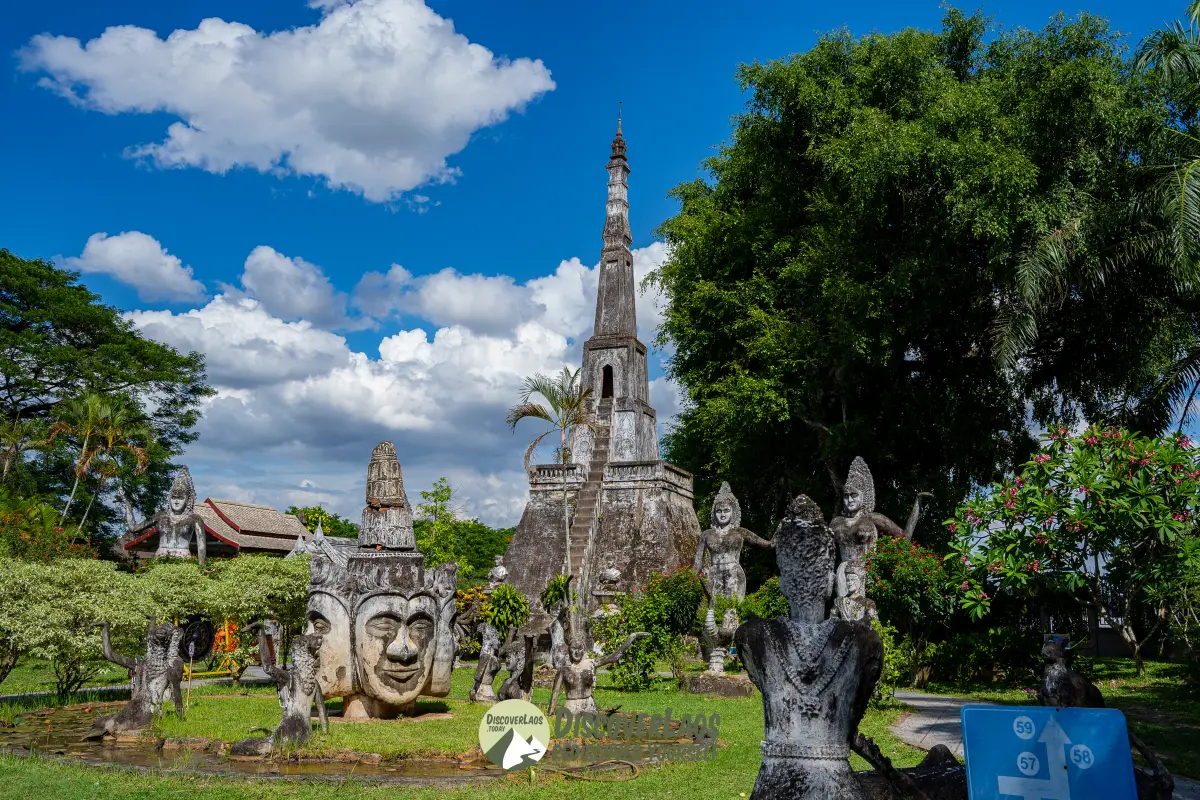
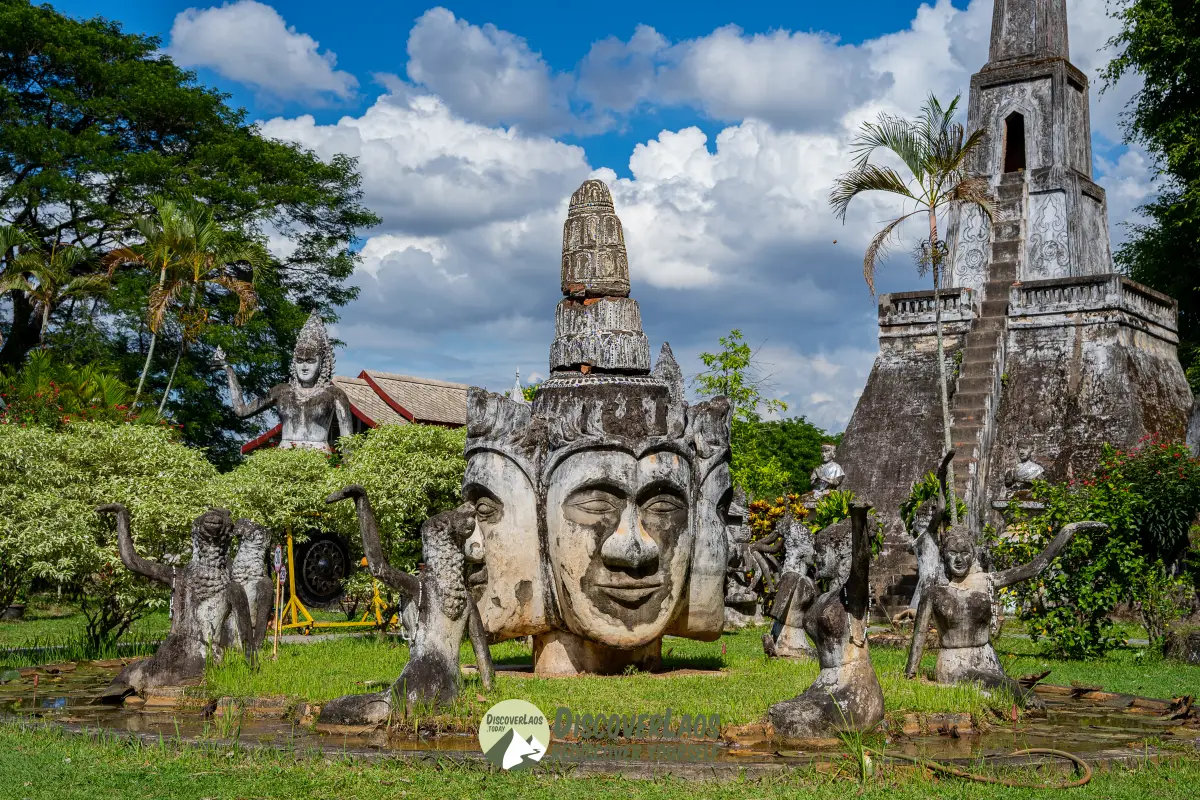
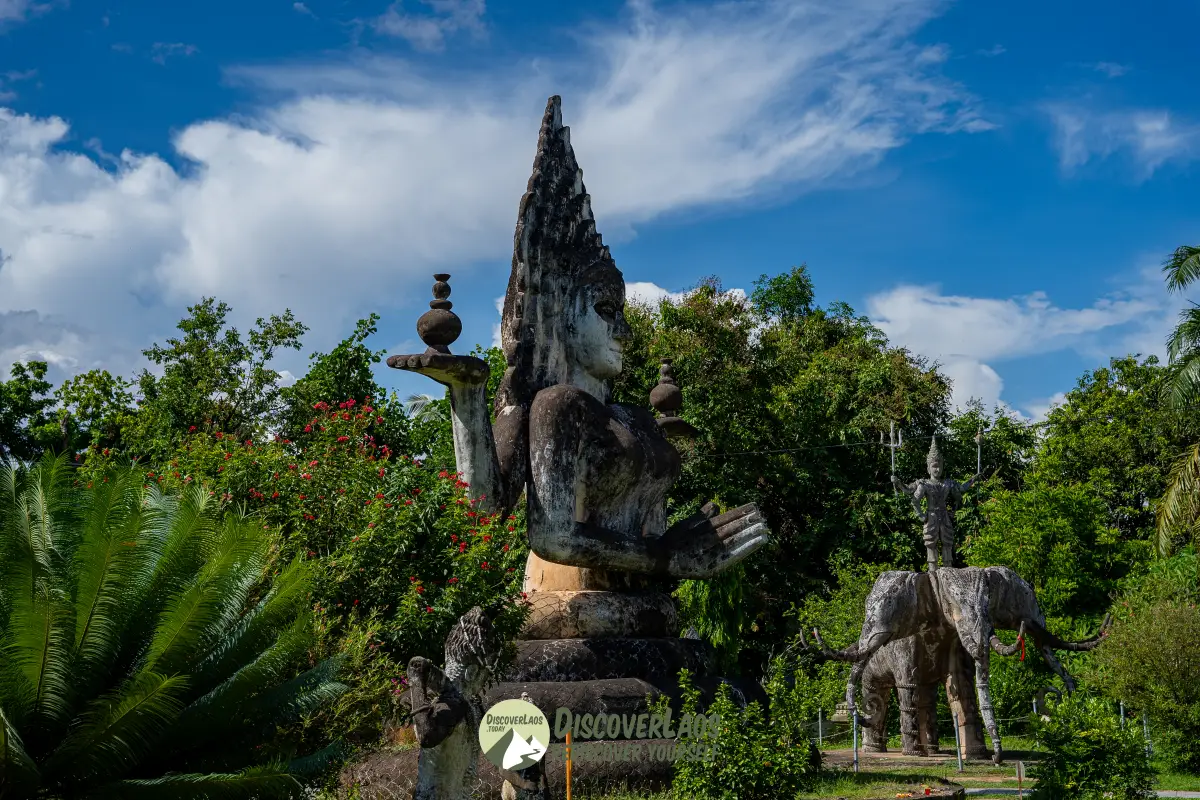
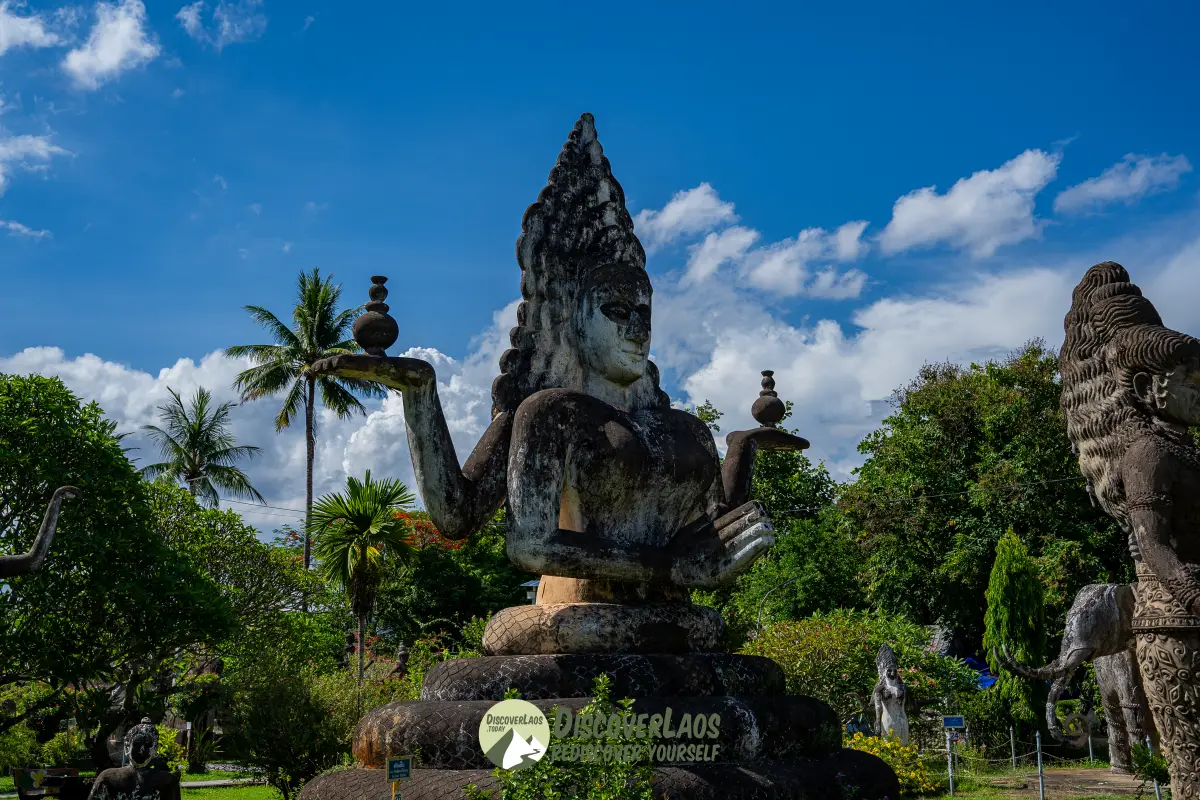
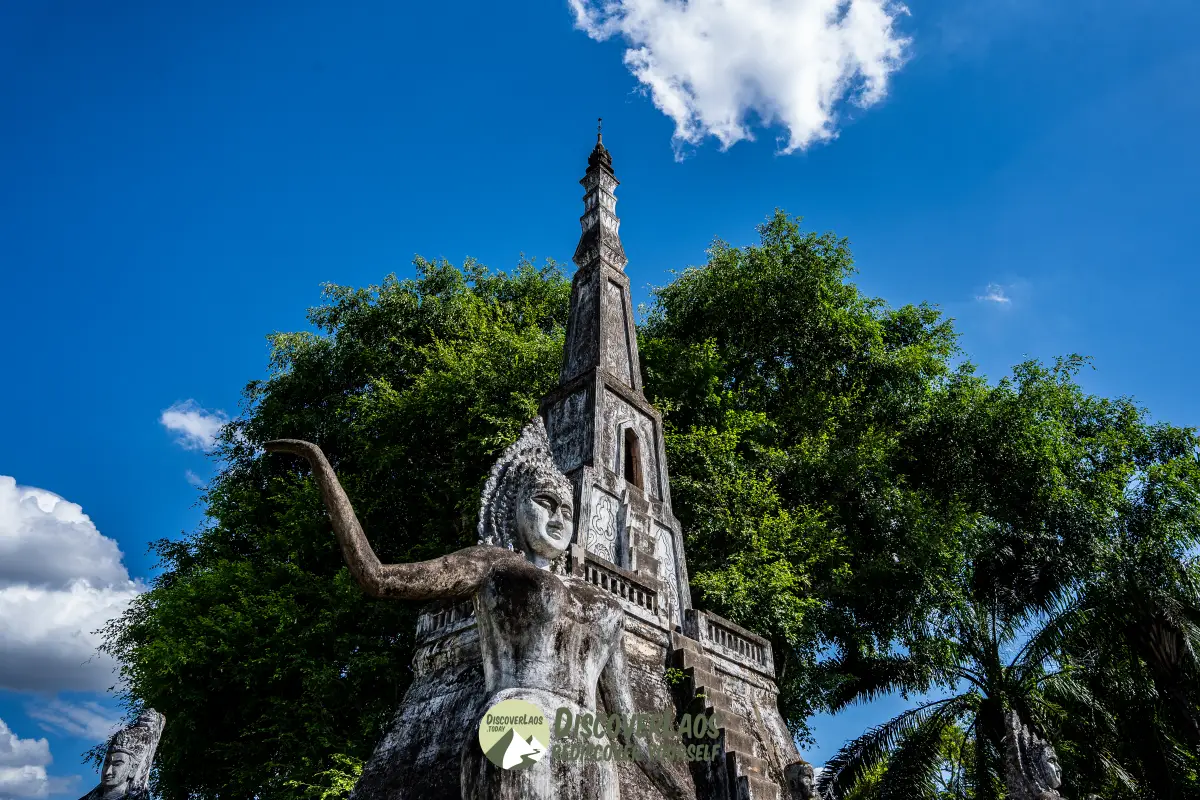
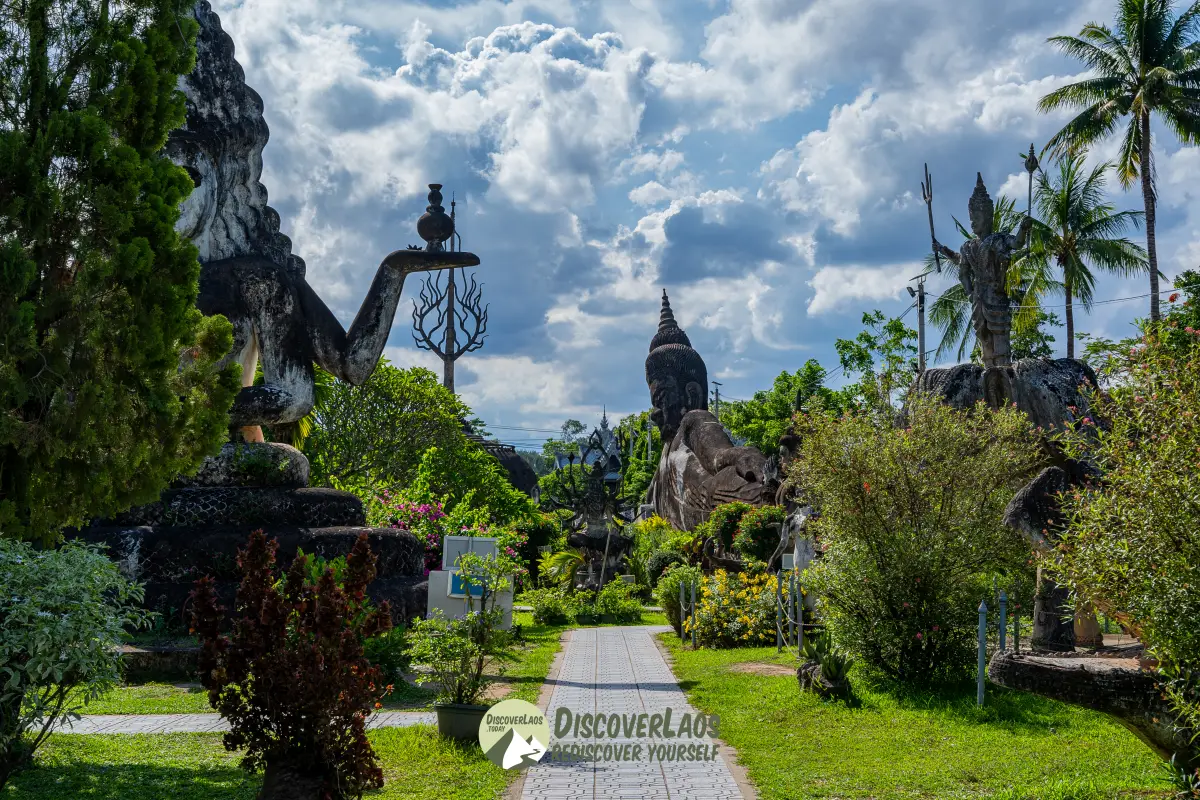
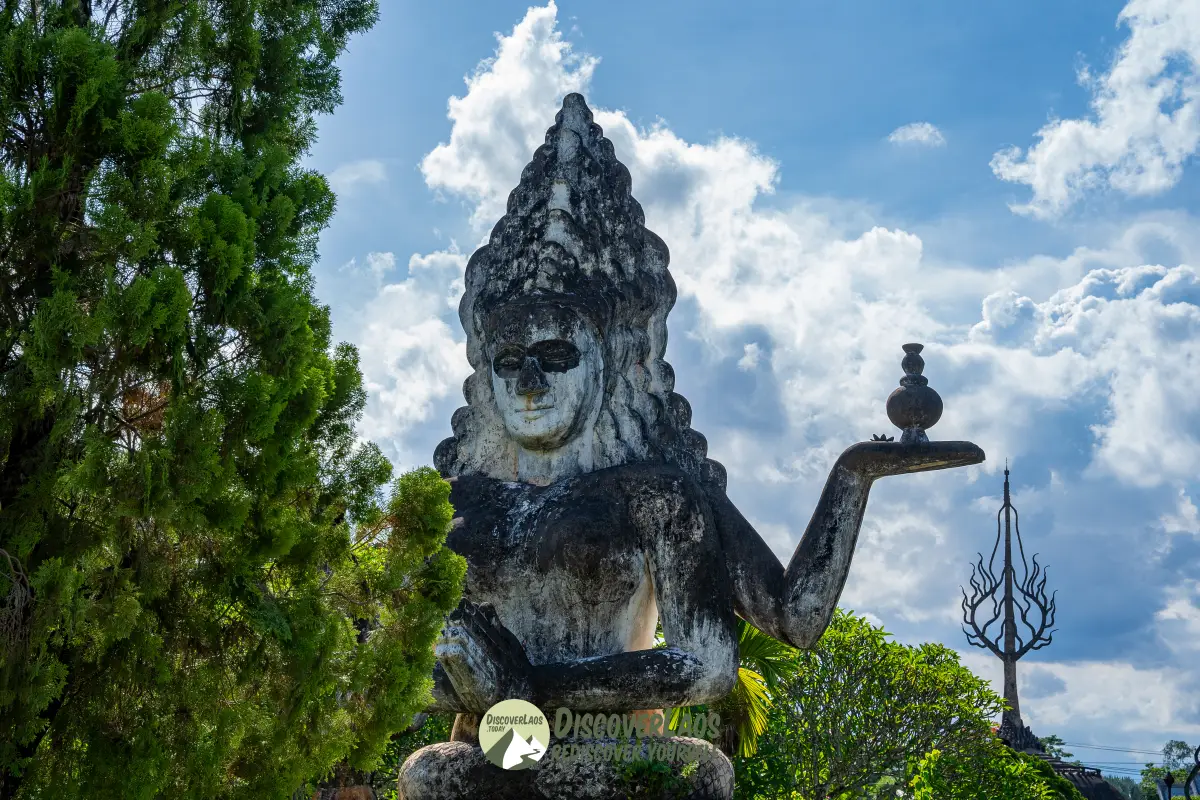
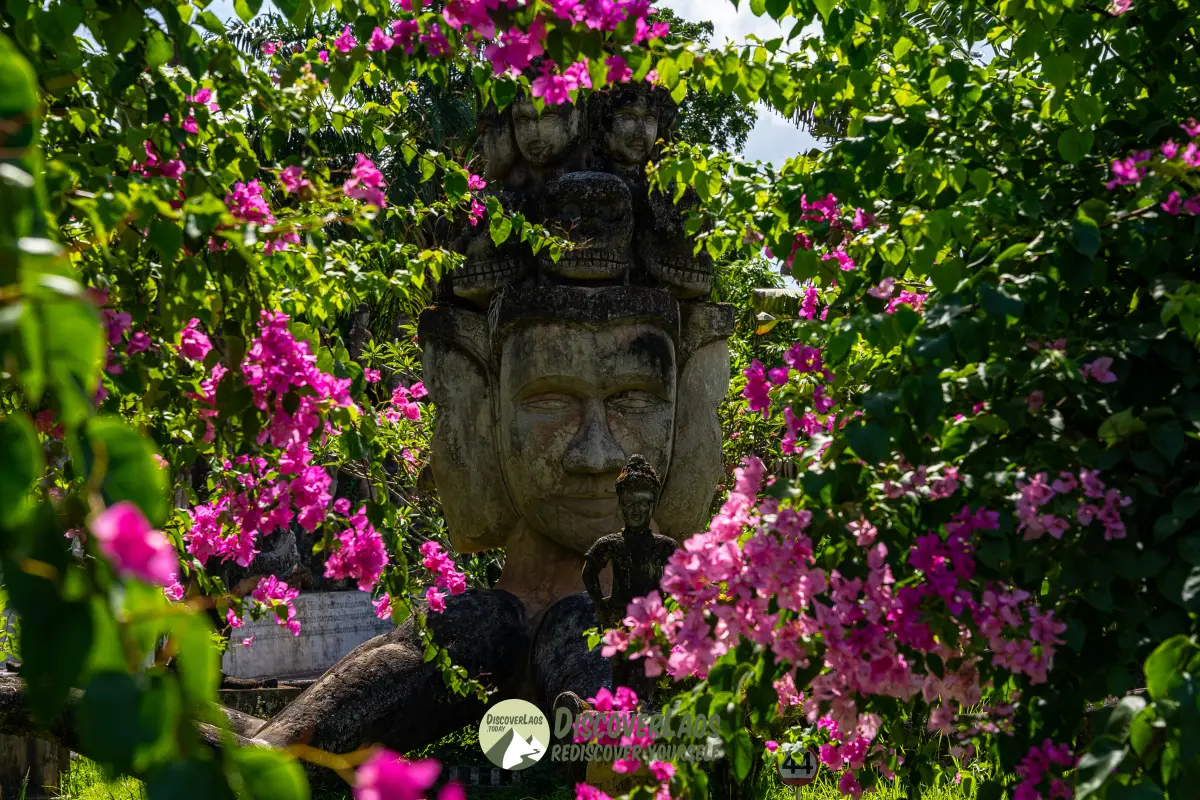
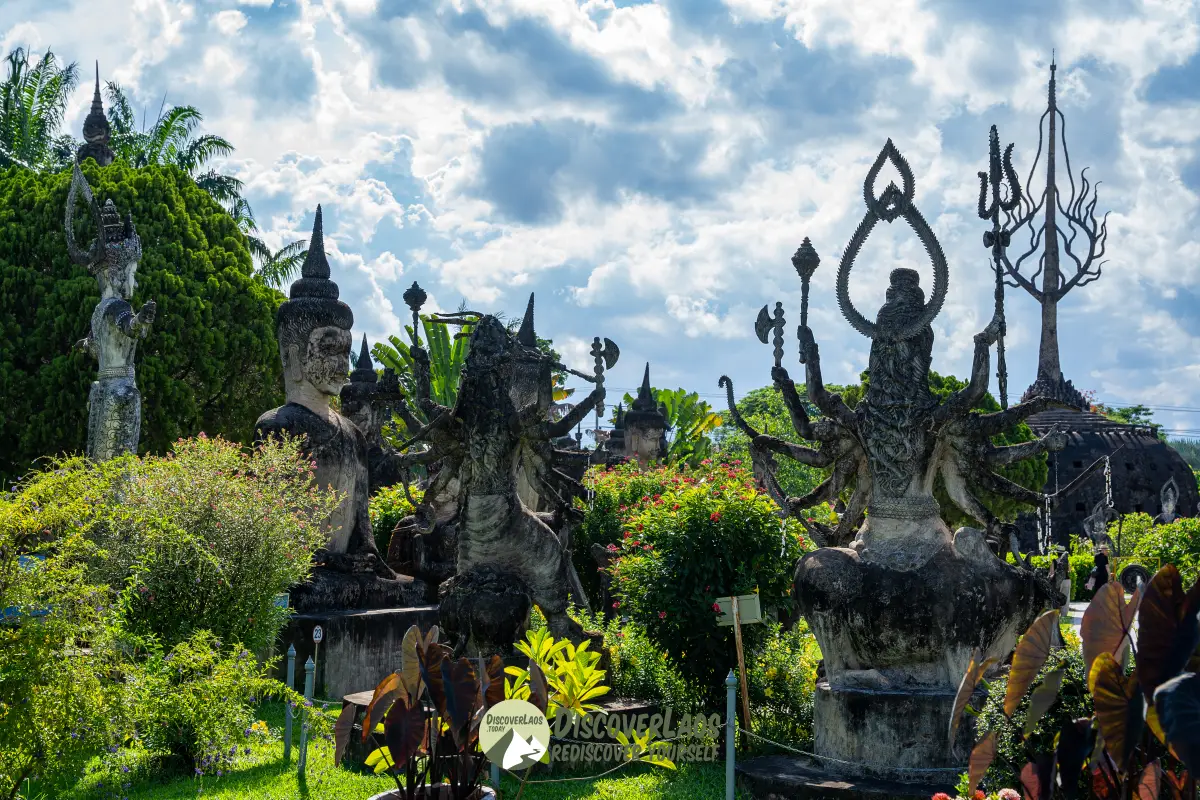
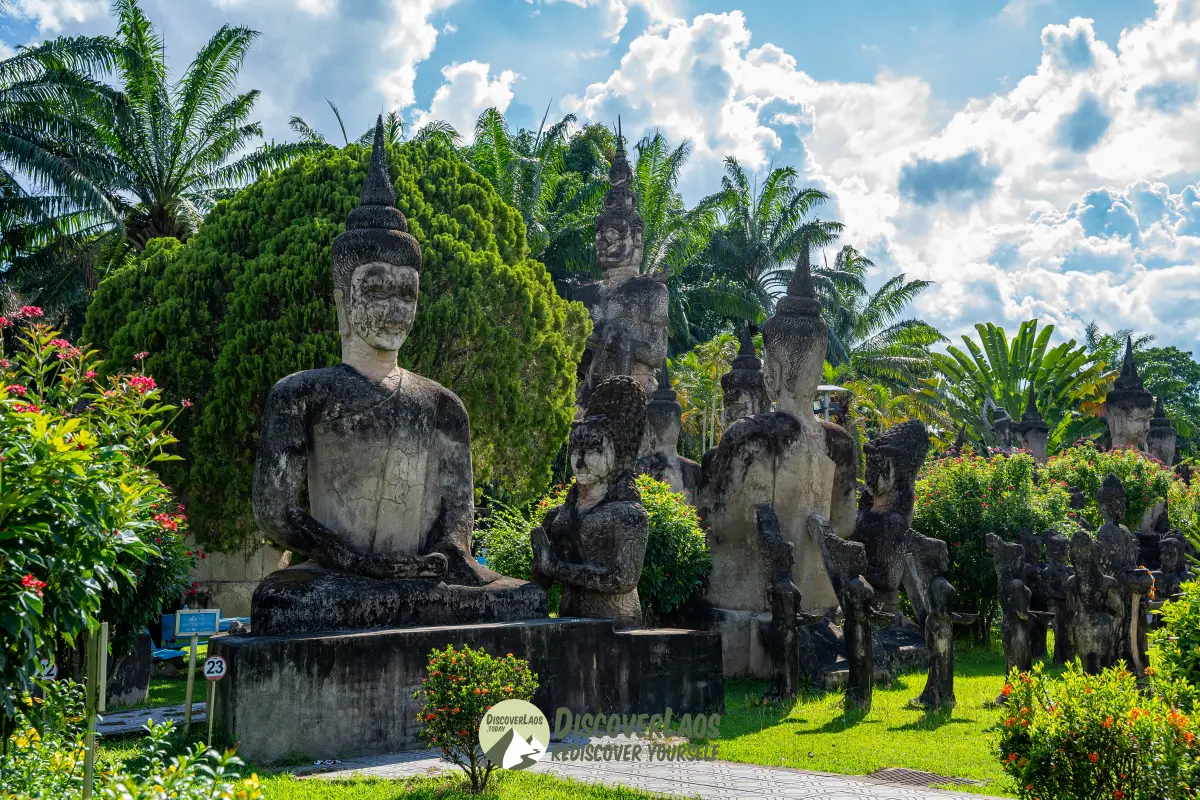
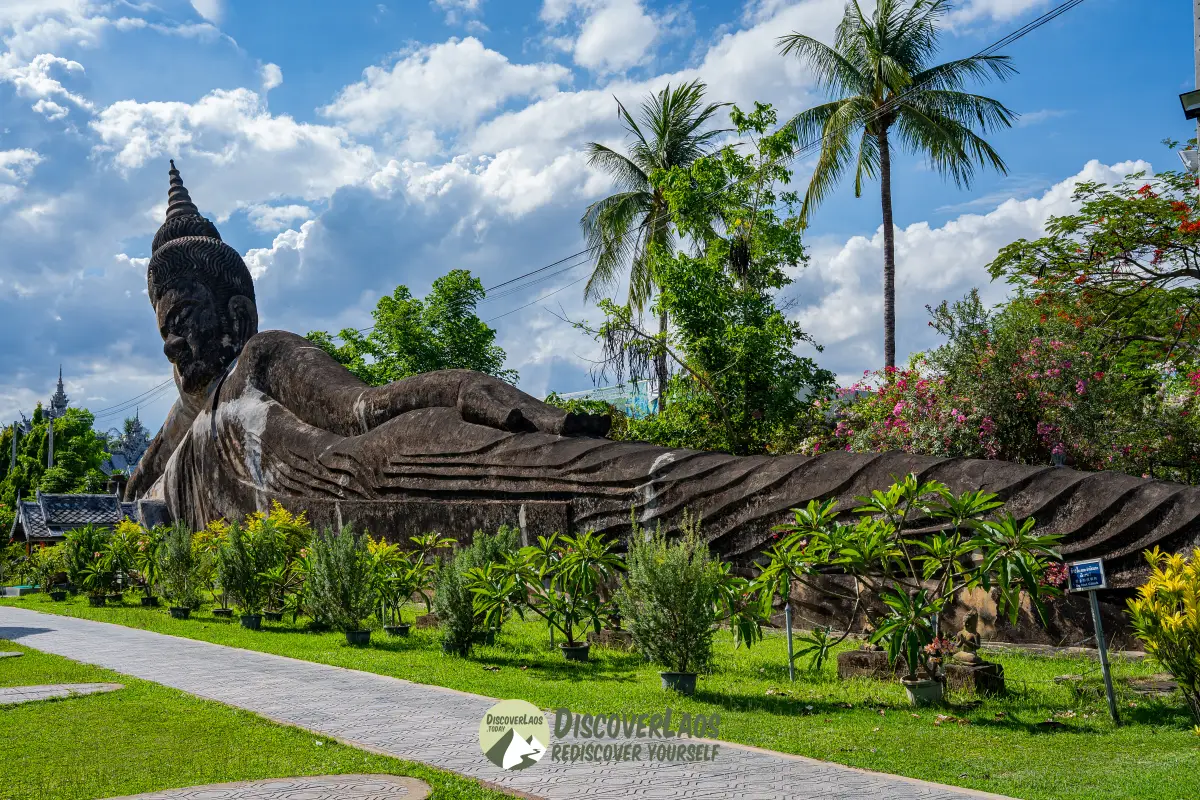
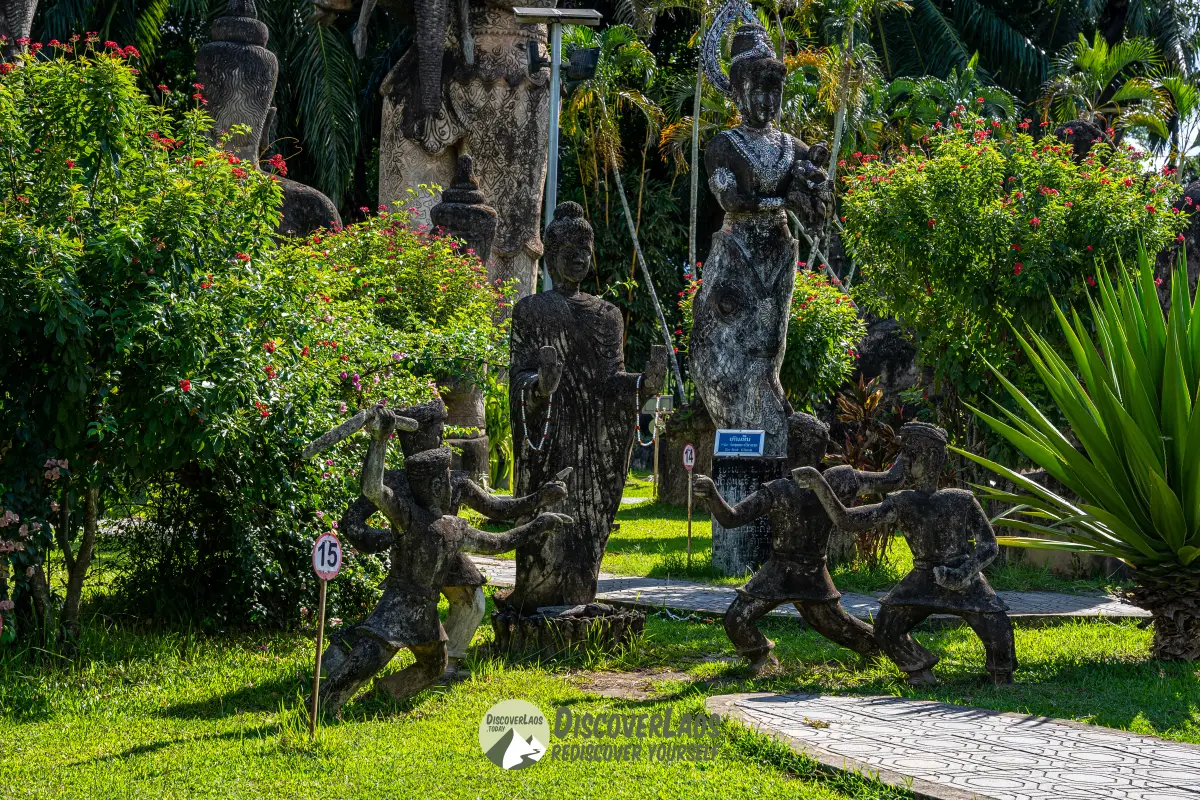
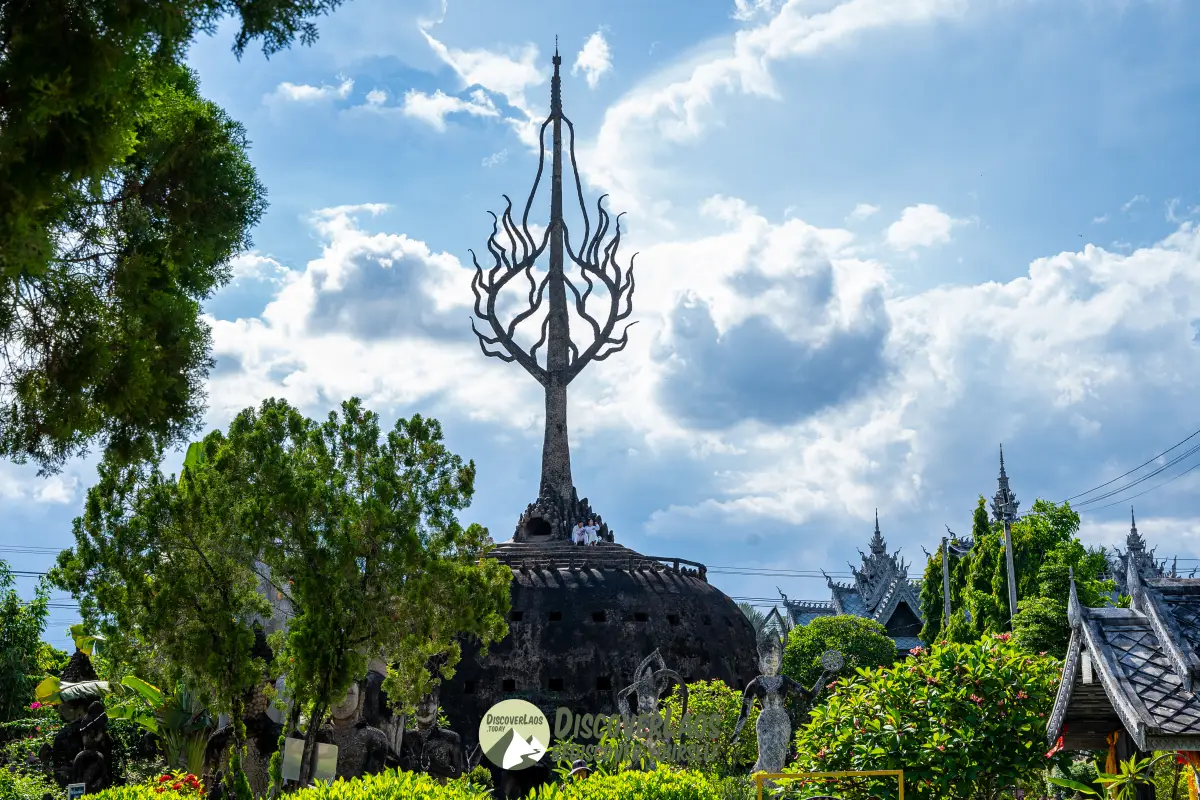
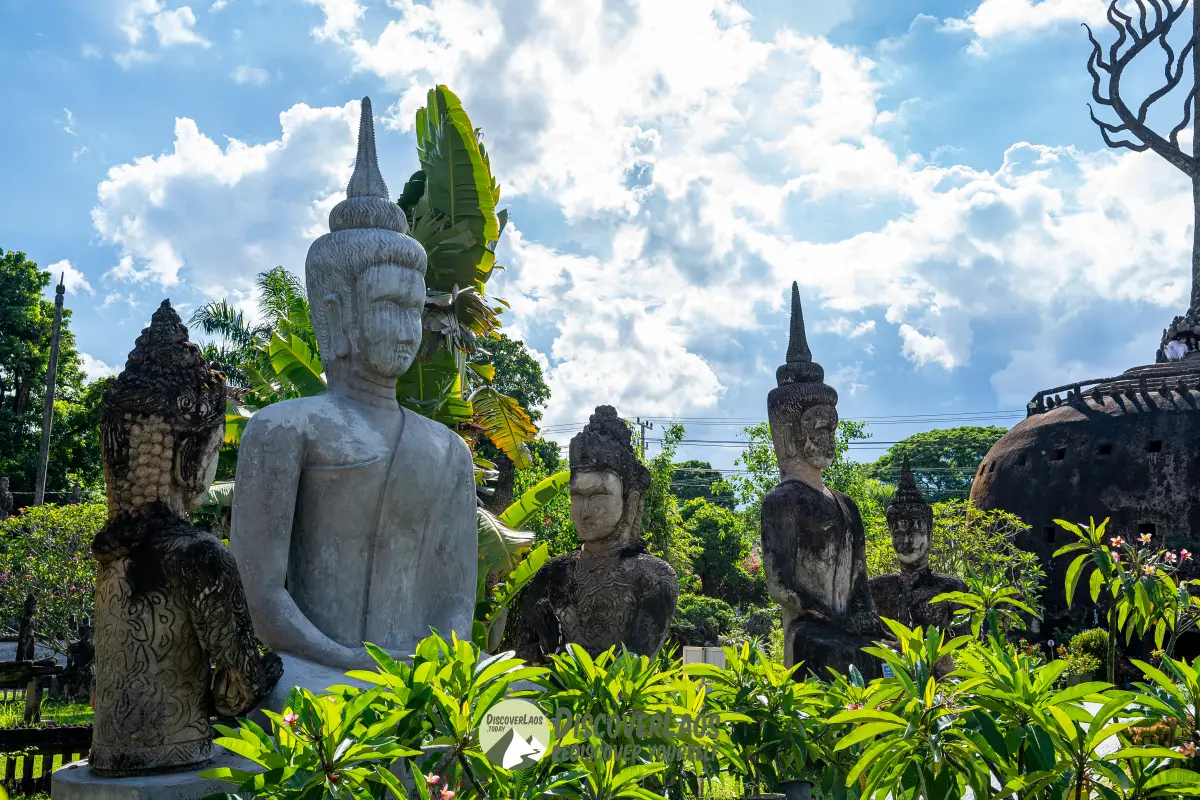
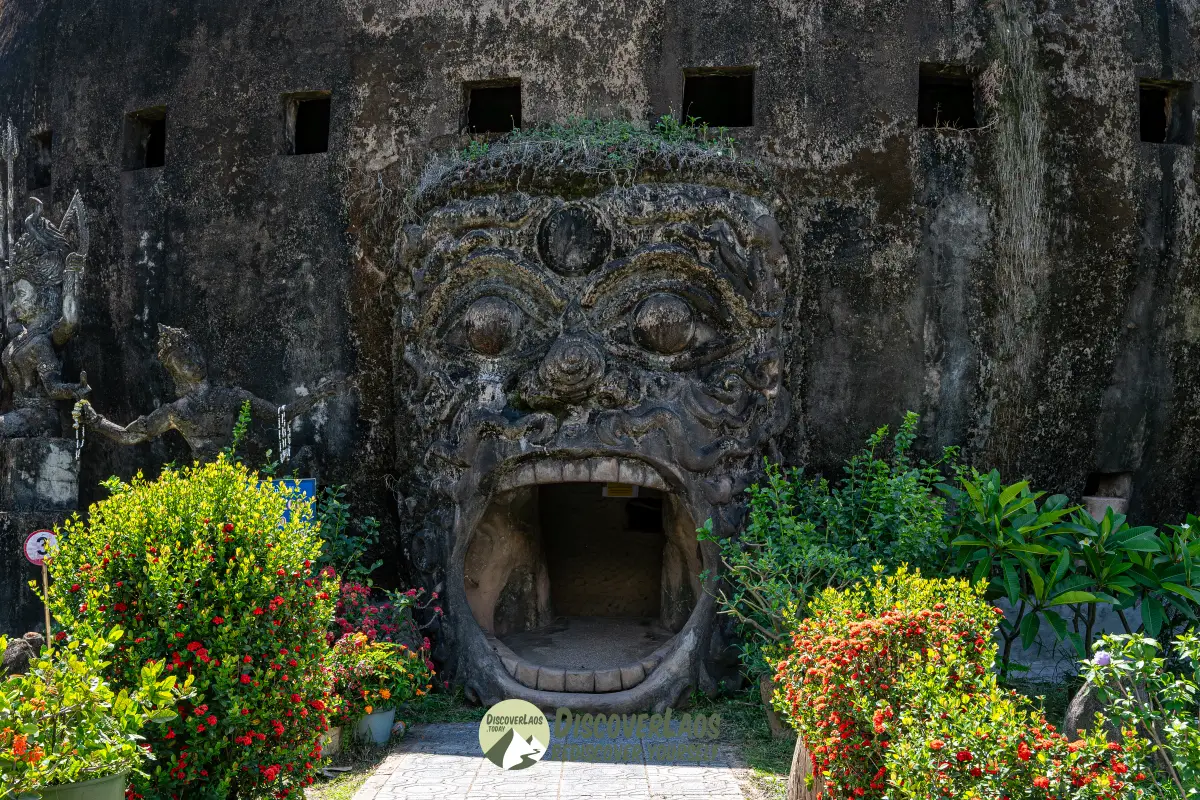
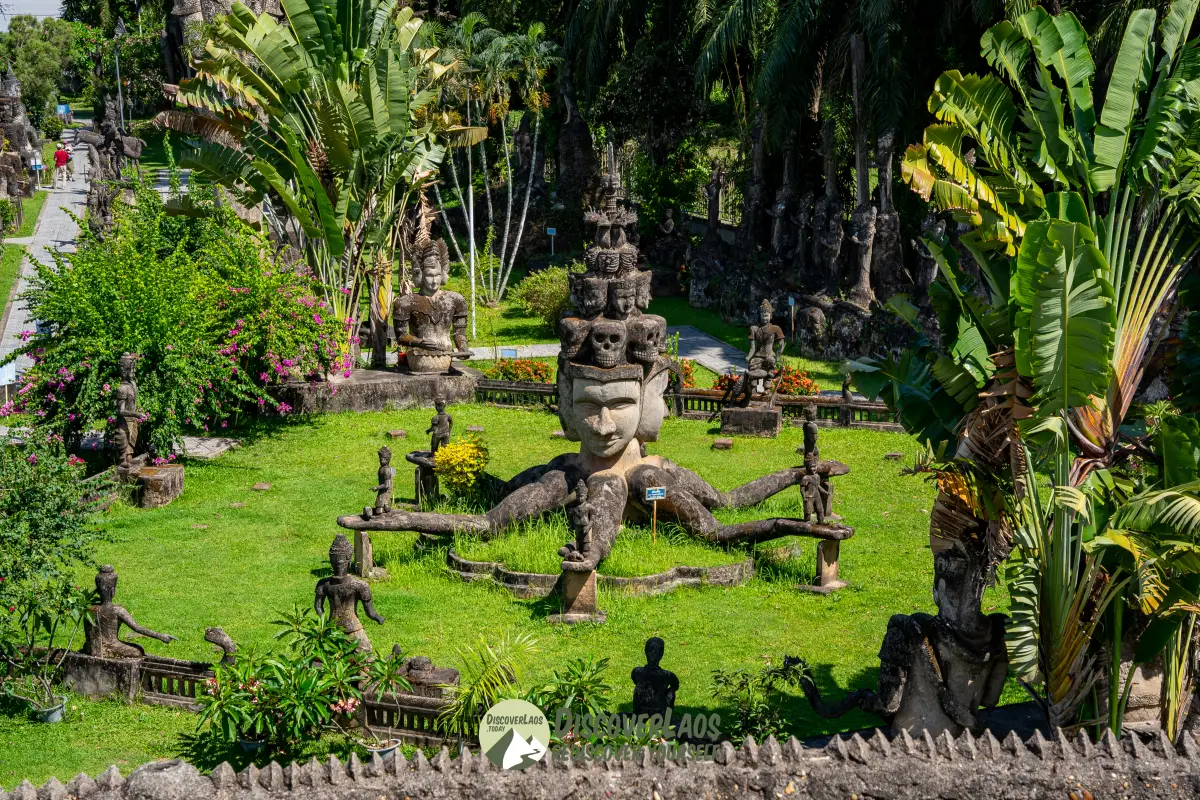
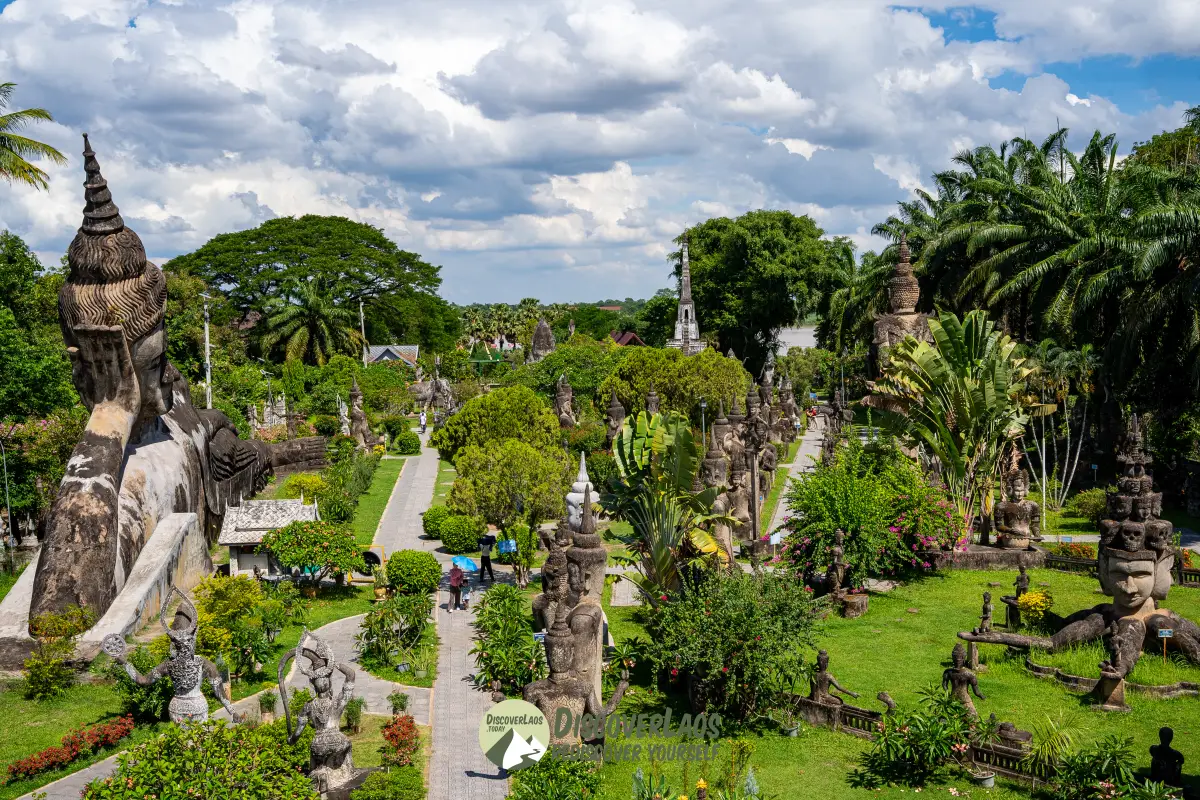
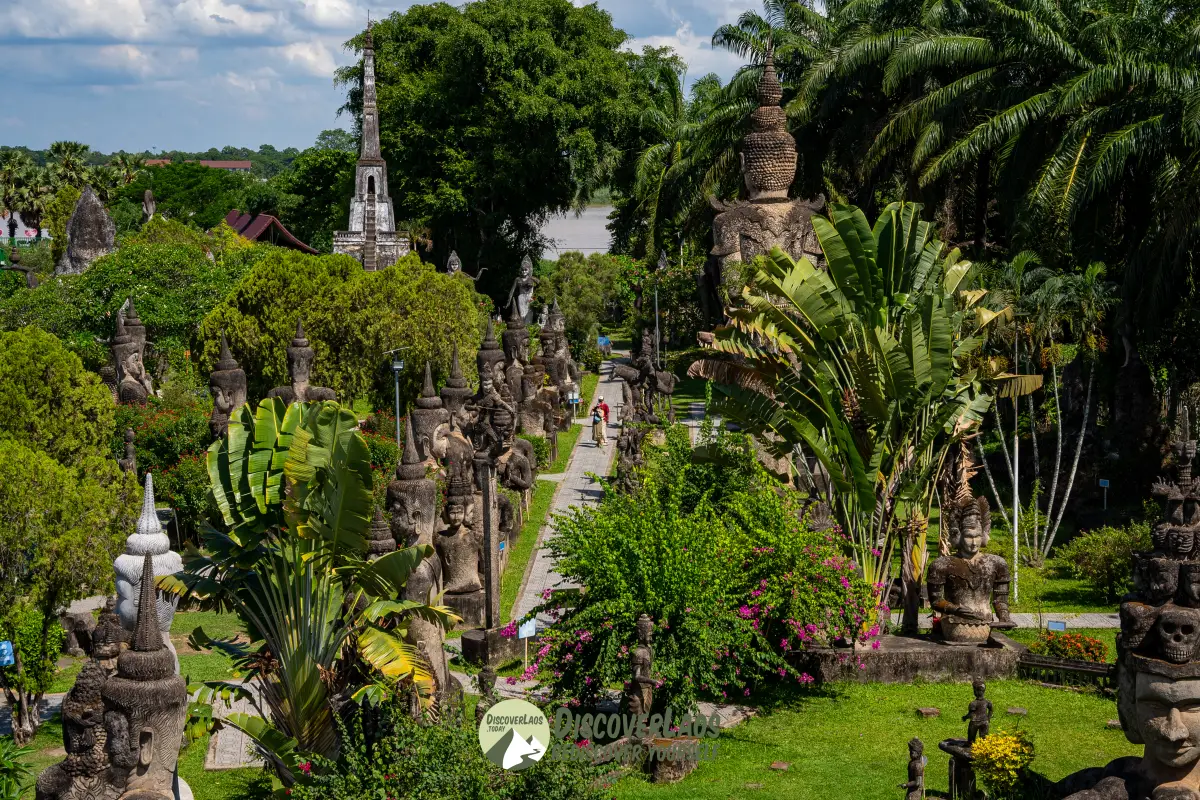
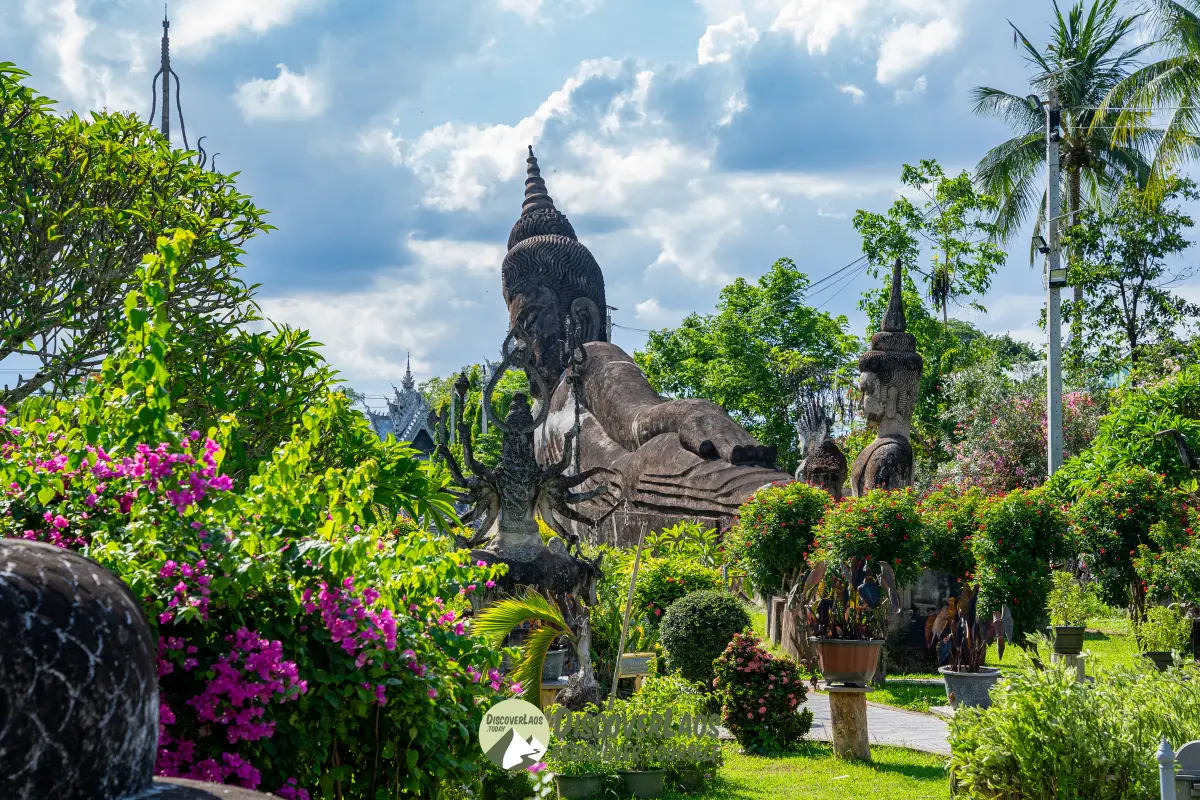
The Xieng Khouan Buddha Park is a famous sculpture park with more than 200 religious statues, including a huge 40-metre high reclining Buddha image. The best spot for photography here is on top of the giant pumpkin structure, which stands about three stories high. The entrance is crafted to look like a demon’s mouth (about three metres high) with a stone ladder inside leading to a bird’s eye view of the entire Xieng Kuan Park.
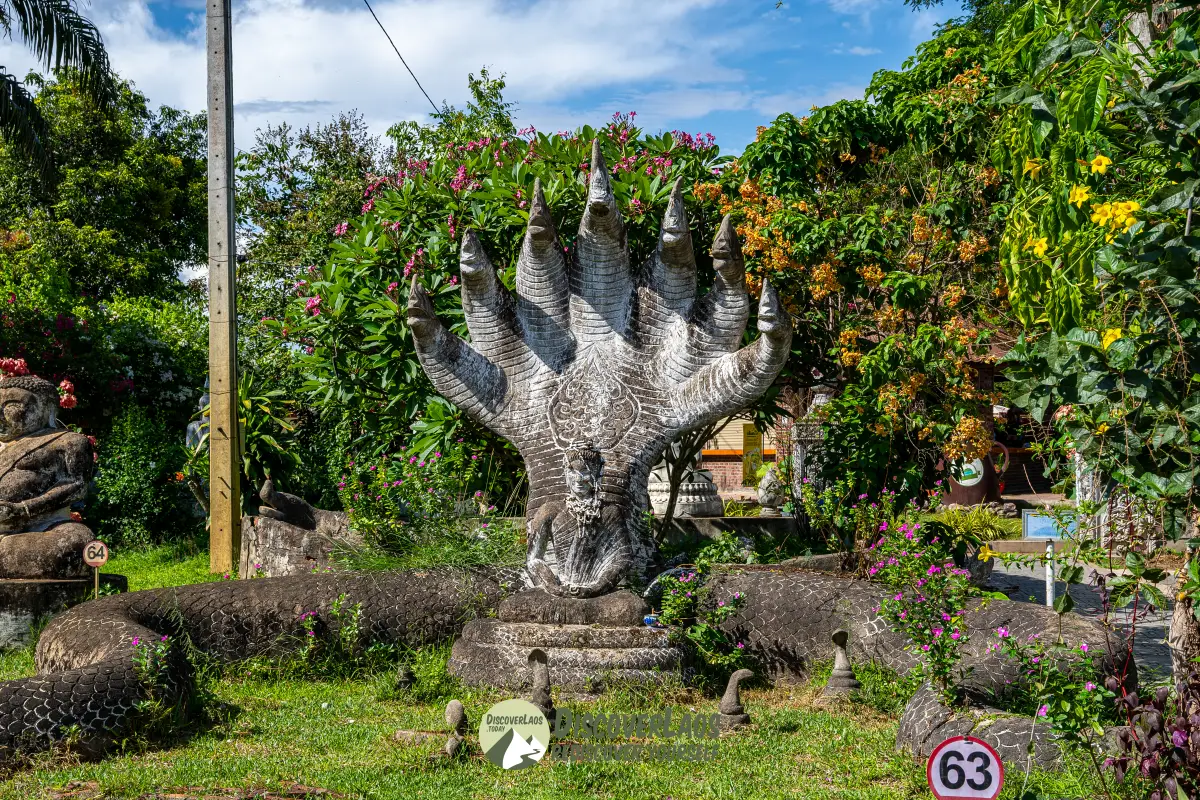
Buddha Park was built in 1958 by Luang Pu Bunleua Sulilat, a monk who studied both Buddhism and Hinduism. This explains why his park is full not only of Buddha images but also of Hindu gods as well as demons and animals from both beliefs. The most outstanding ones include Indra, the king of Hindu gods riding the three-headed elephant (aka Erawan and Airavata), a four-armed deity sitting on a horse and an artistic deity with 12 faces and many hands, each holding interesting objects. They are all equally impressive not only because of their enormous size but because they are full of interesting details and interesting motifs.
There is a local eatery and café offering food and drinks to tourists at one end of the park right next to the Mekong River that makes a great spot to chill after all the walking and climbing. Among the popular snacks are papaya salad, fried bananas and cold Lao beer. It also has a souvenir shop and restrooms. There is a small fee for entering the park as well as for photography.
Open daily from 08:00 to 16:30
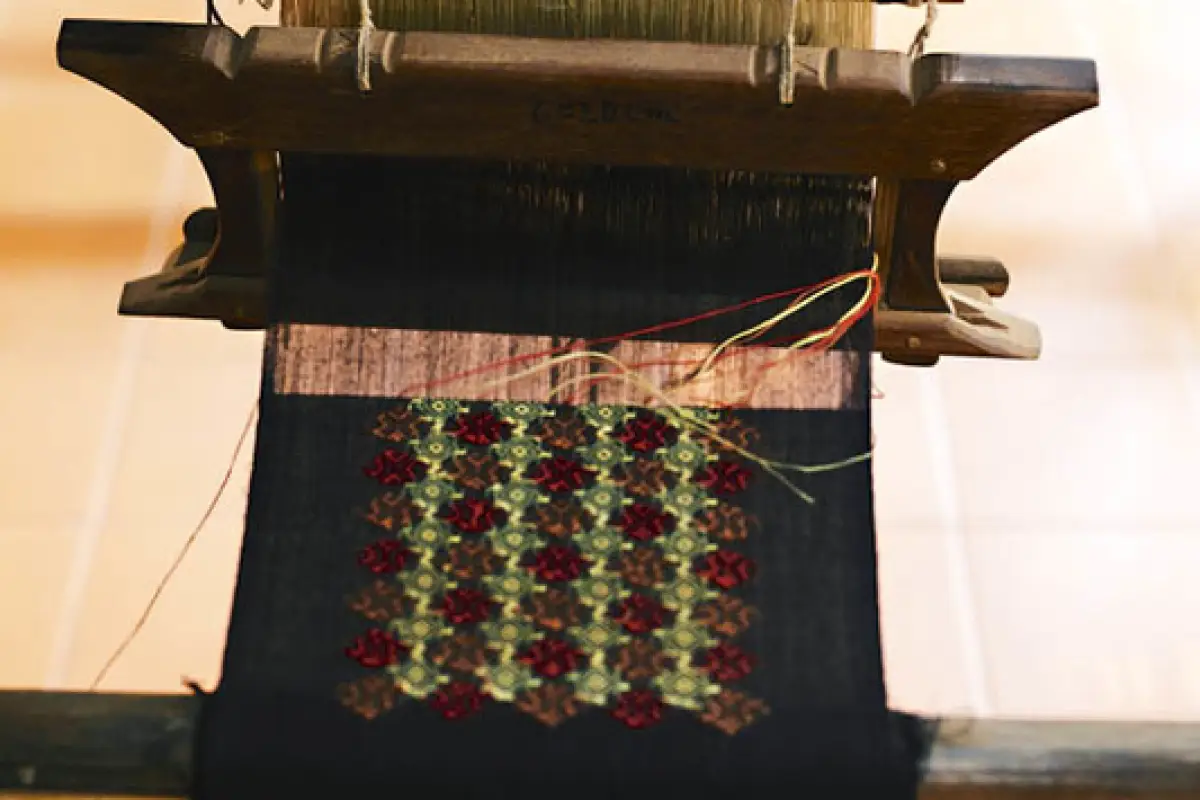
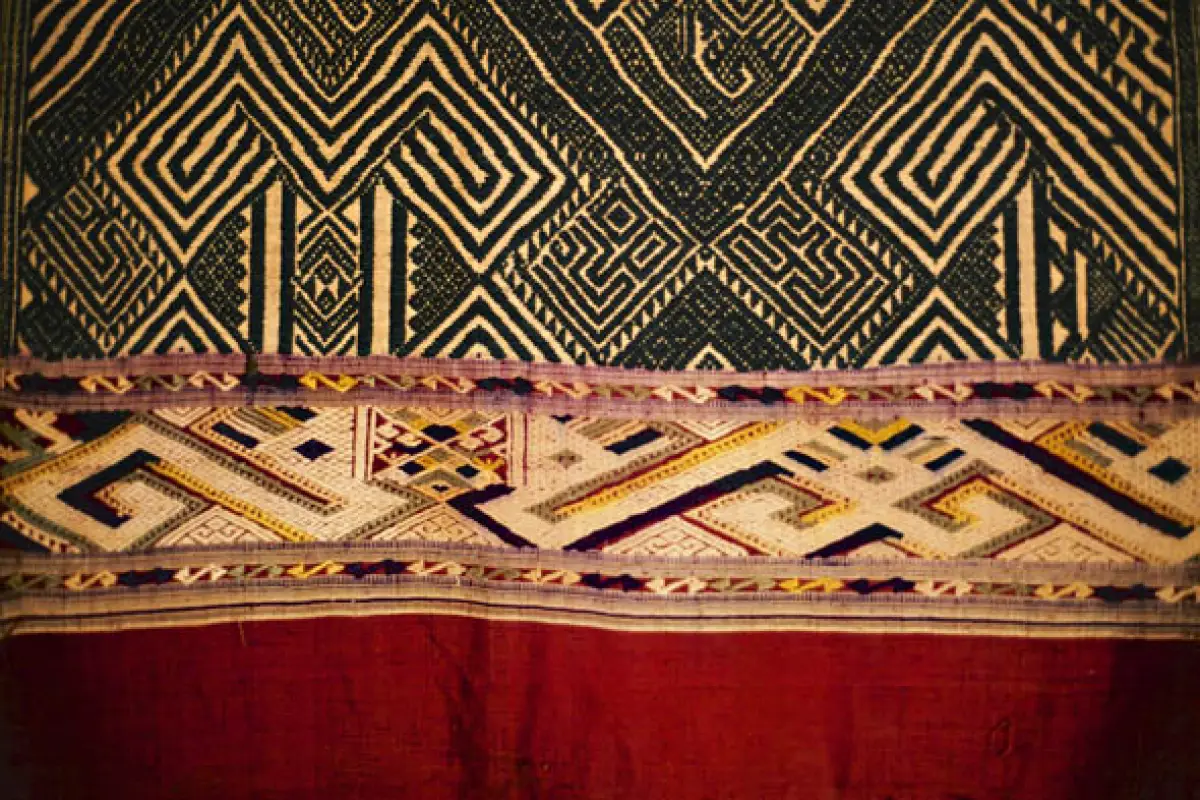
Lao is quite well known for its silk-woven products. The country’s silk fabric is appreciated for its exquisite beauty and fine workmanship. The technique used is sophisticated and potentially one of the most complex weaving techniques that exists. It requires as high level of perseverance and artistic talent to create exquisite fabrics, whose colors are natural products dyes. Weaving, as practiced by Lao people, depicts their way of life, their environment and spiritual beliefs. It is thought by many to be an example of a successful combination of the local knowledge and silk of the people of South East Asia.
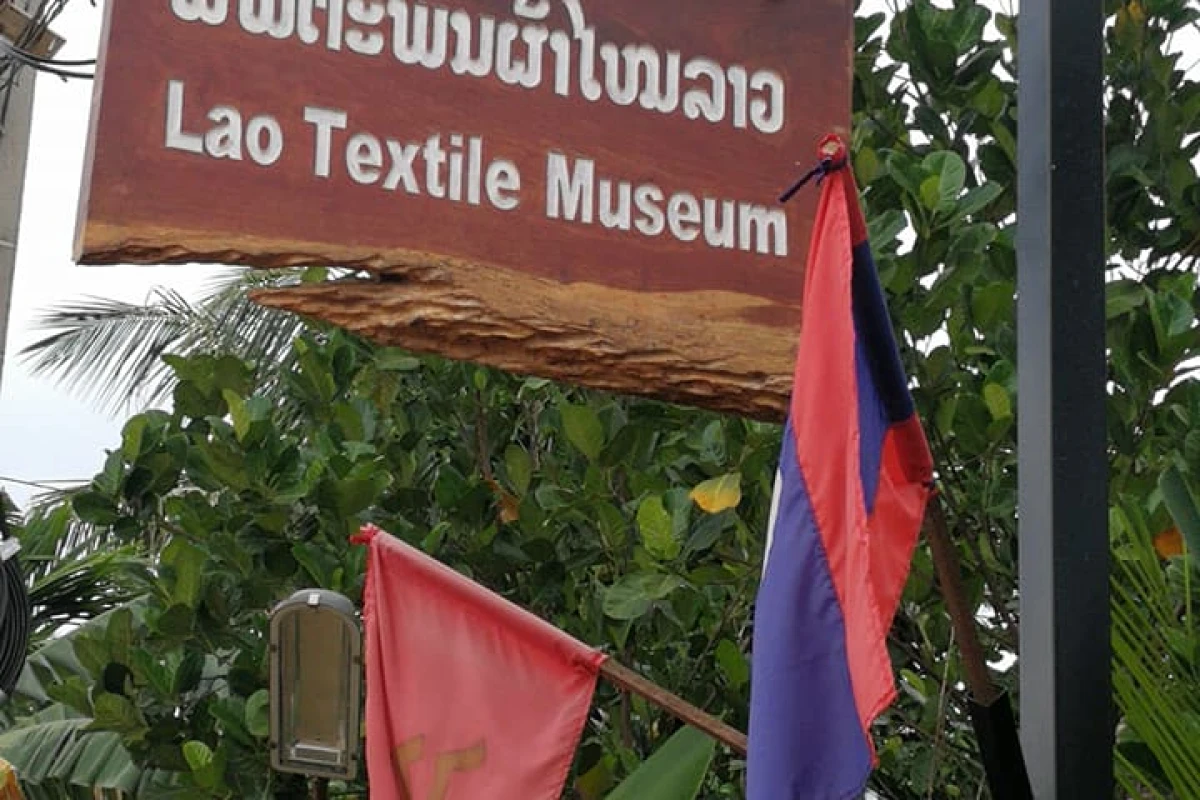
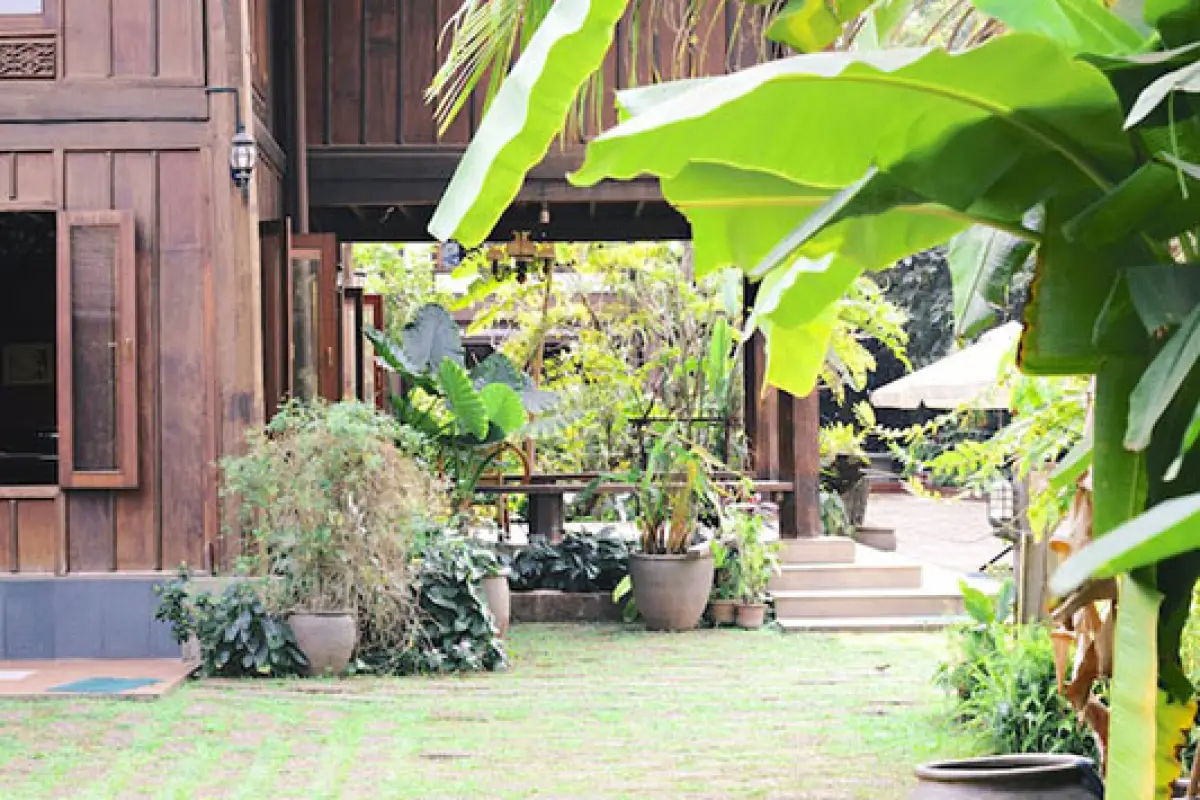
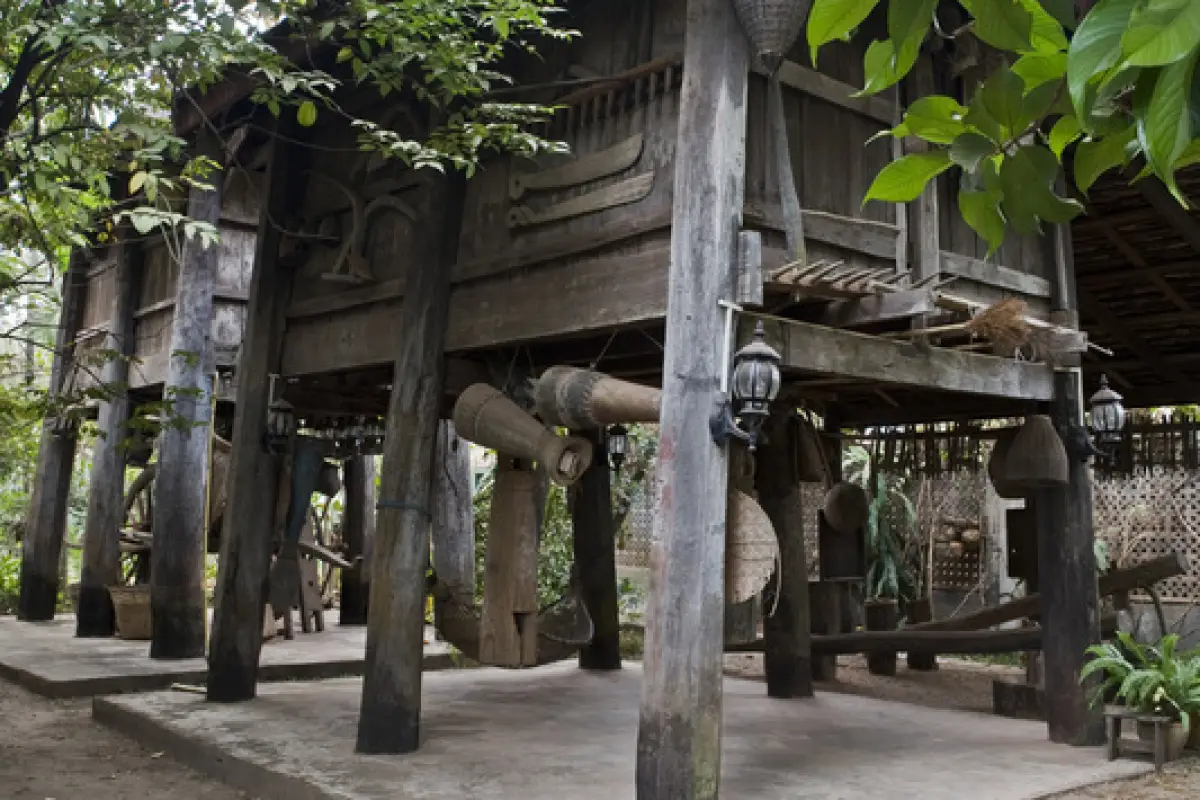
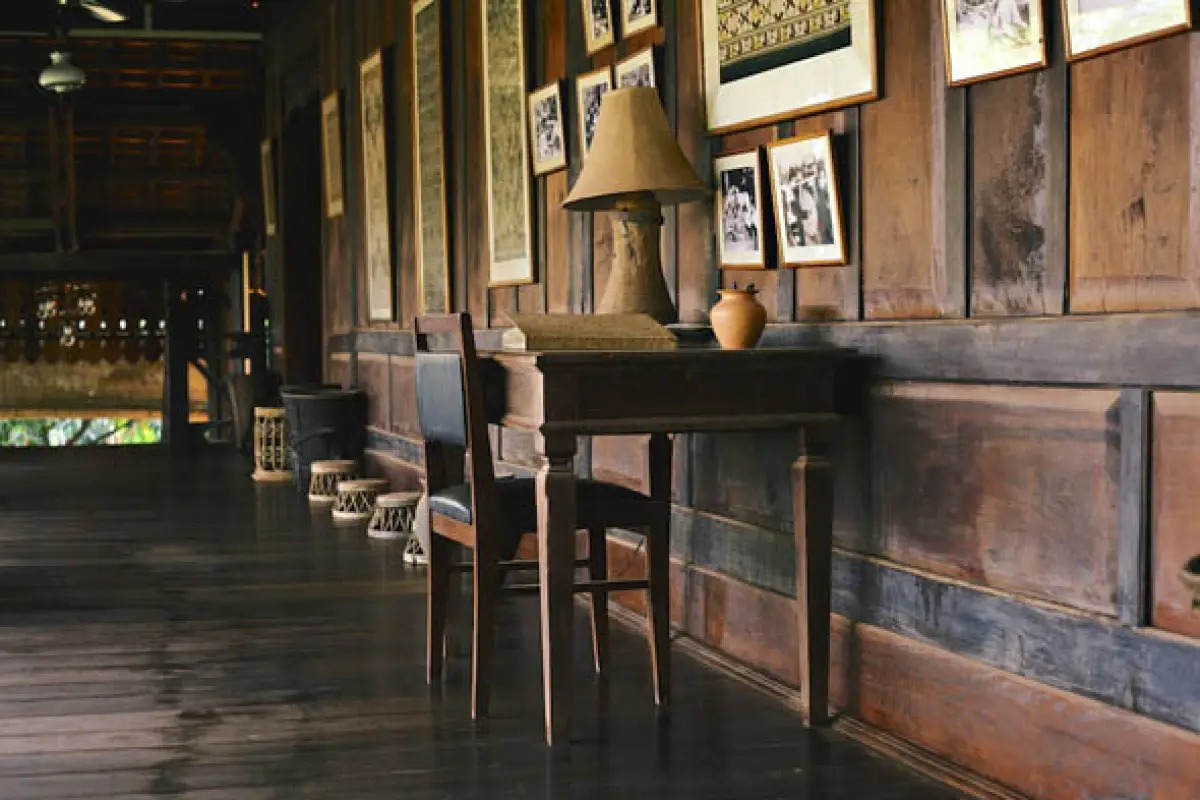
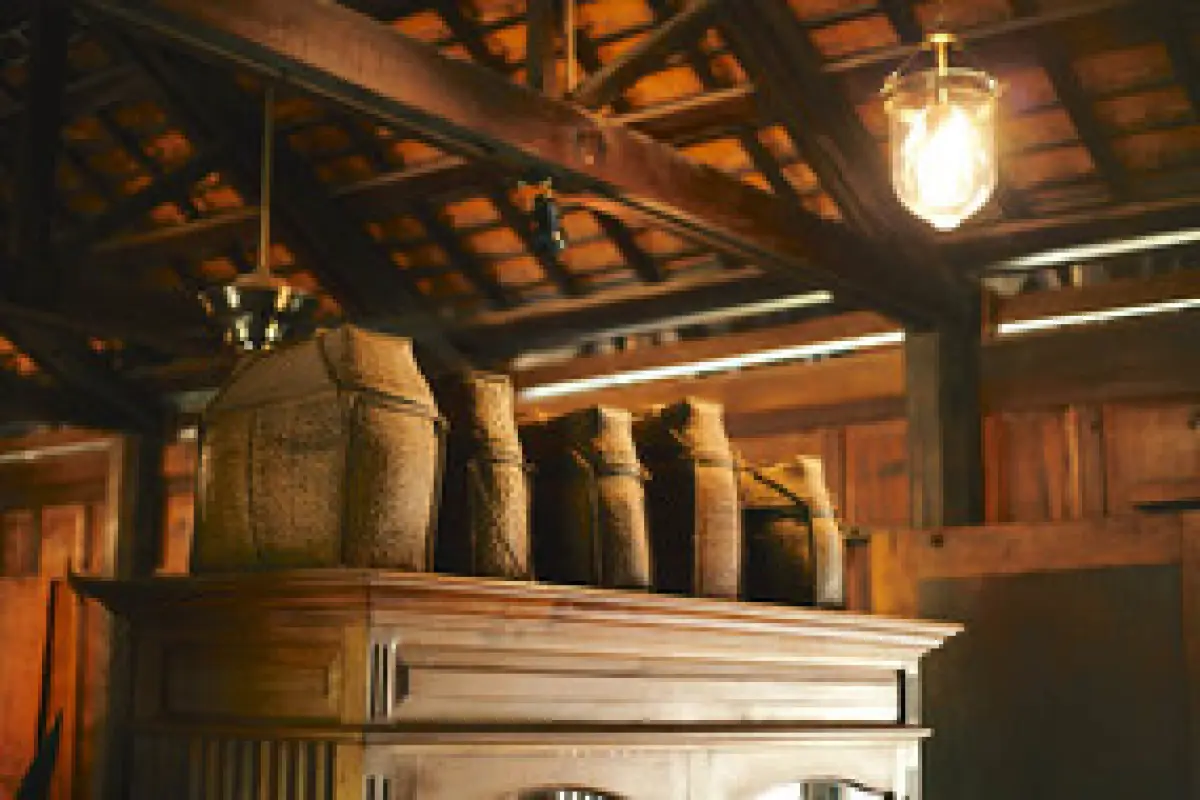
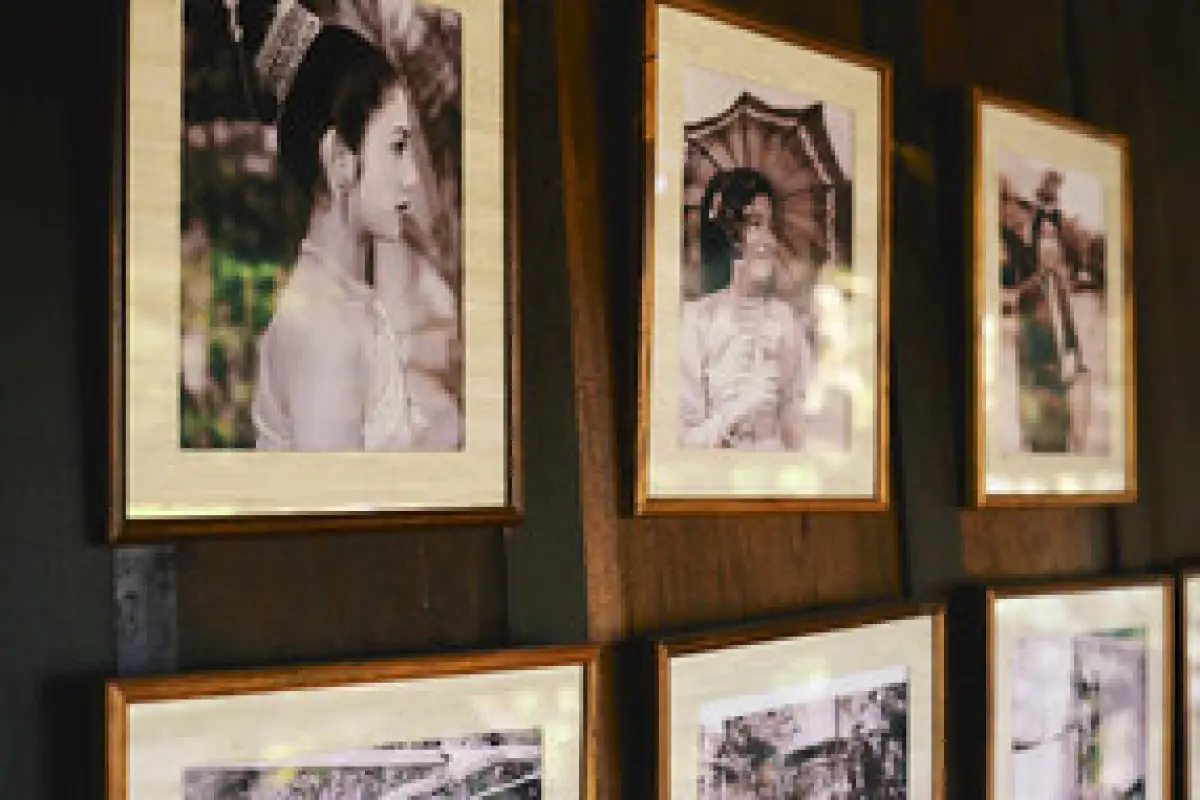
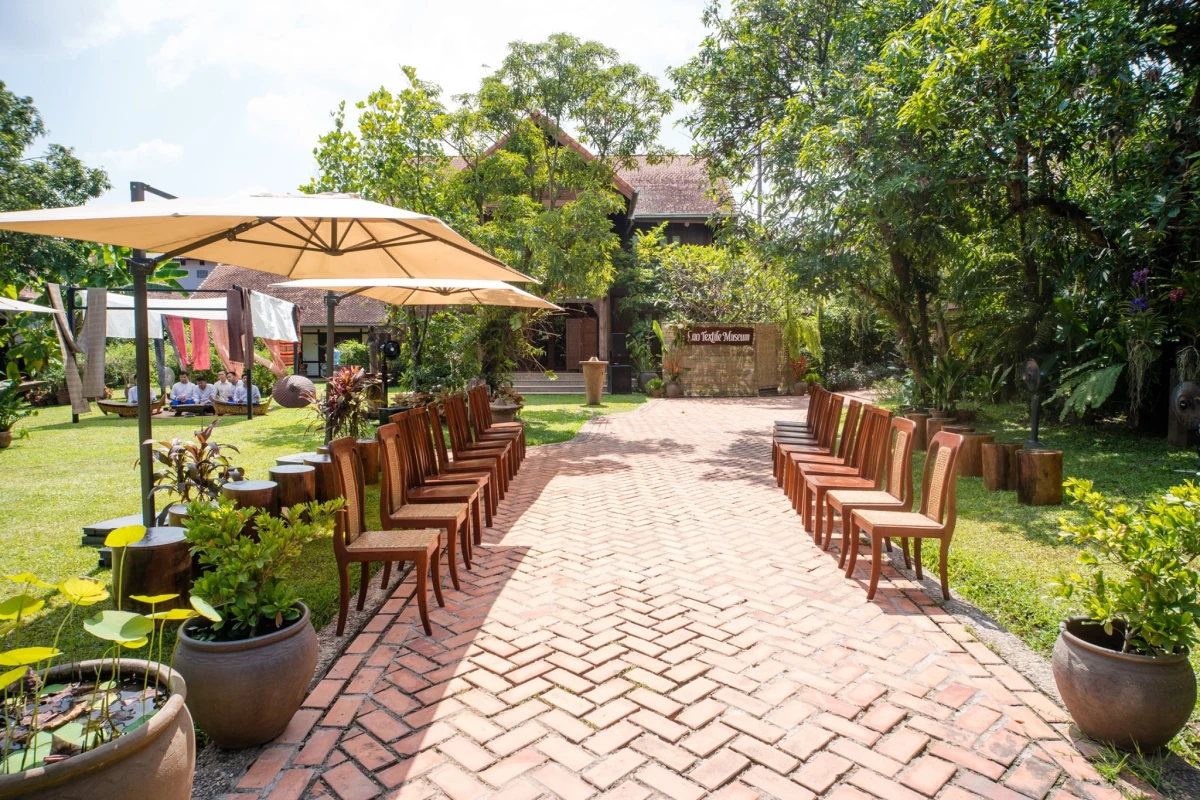
The curious mind may ask how Lao people used to produce silk fabrics, considered as masterpieces in their own right, hundreds of years before, at a time when commercial competition was not common. You can find answers to these questions and more at the Lao Textile Museum, which is the first private museum in Laos. On display are antique pieces of silk made by difference ethnic group of the country, housed in a typical Lao wooden house, amidst peaceful and pleasant surrounding and gardens of flowers.
Open daily from 09:00 to 16:00
Located at the headquarters of Sinouk Coffee, one of Laos’ best known coffee planter and roaster, this place stand as a Coffee Learning House, unique in Laos. Here, you can learn about the history of coffee in the Coffee Gallery, including the planting and harvesting process. Watch a live roasting and experience a cupping session to identify flavors and aroma like a master.
Regular cupping sessions are held on Saturdays and require prior registration - check its Facebook page for more details (sinoukcoffeeofficial).
To book a private session, it is recommended to book at least 1 day in advance. Barista courses of varying length, whether for half a day or up to 2 days, are also available to beginner and intermediate. You will learn how to prepare latte art and understand a coffee shop environment.
Onsite, there is also a coffee shop, Café Sinouk, where you can enjoy coffee and food. That makes a good stop on the way to or back from Xiang Khuan (Buddha Park) if you have your own wheels. It is sign posted just past the US Embassy when traveling towards the Friendship Bridge from Vientiane.
Open daily from 08:30 to 17:00
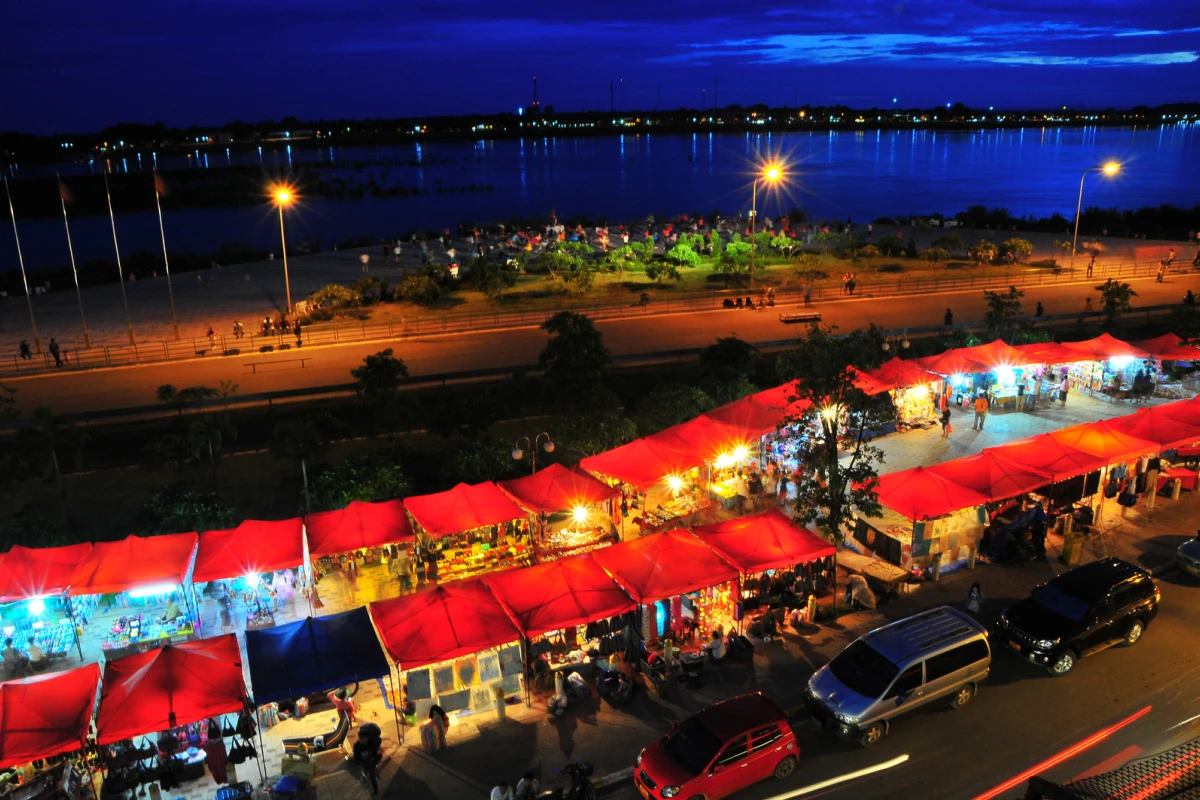
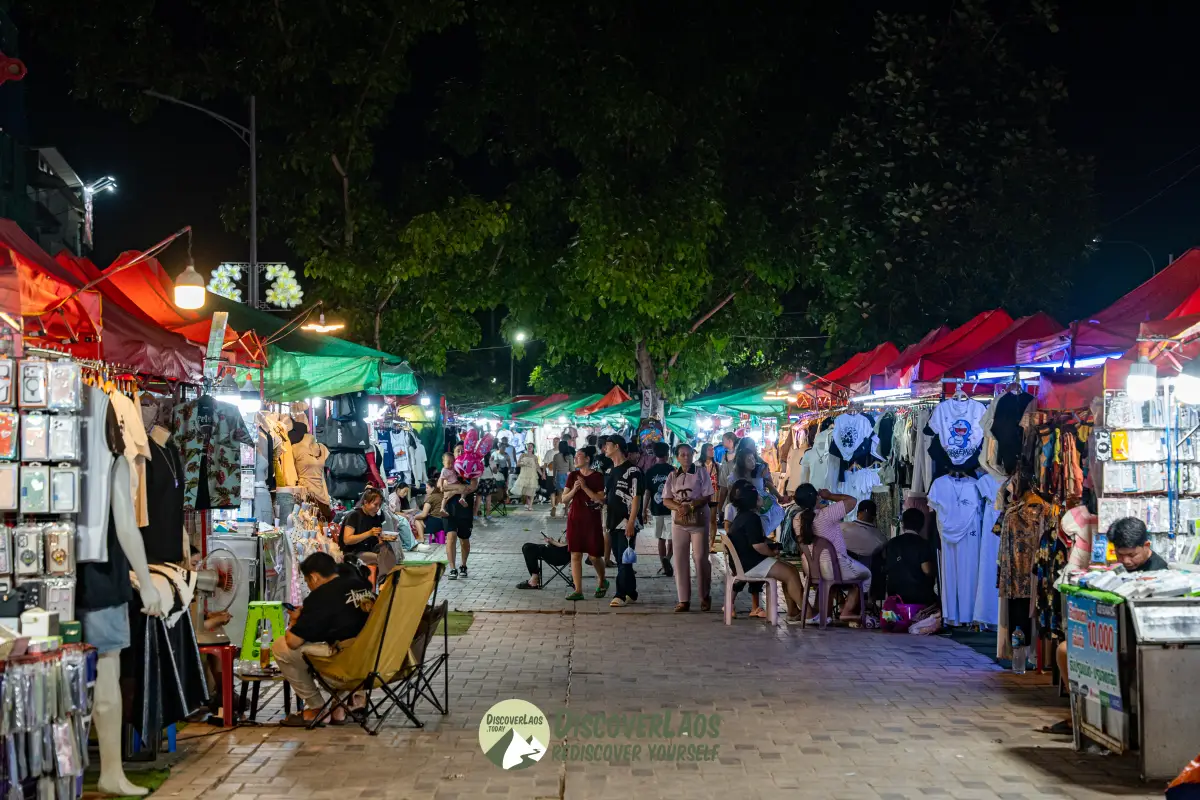
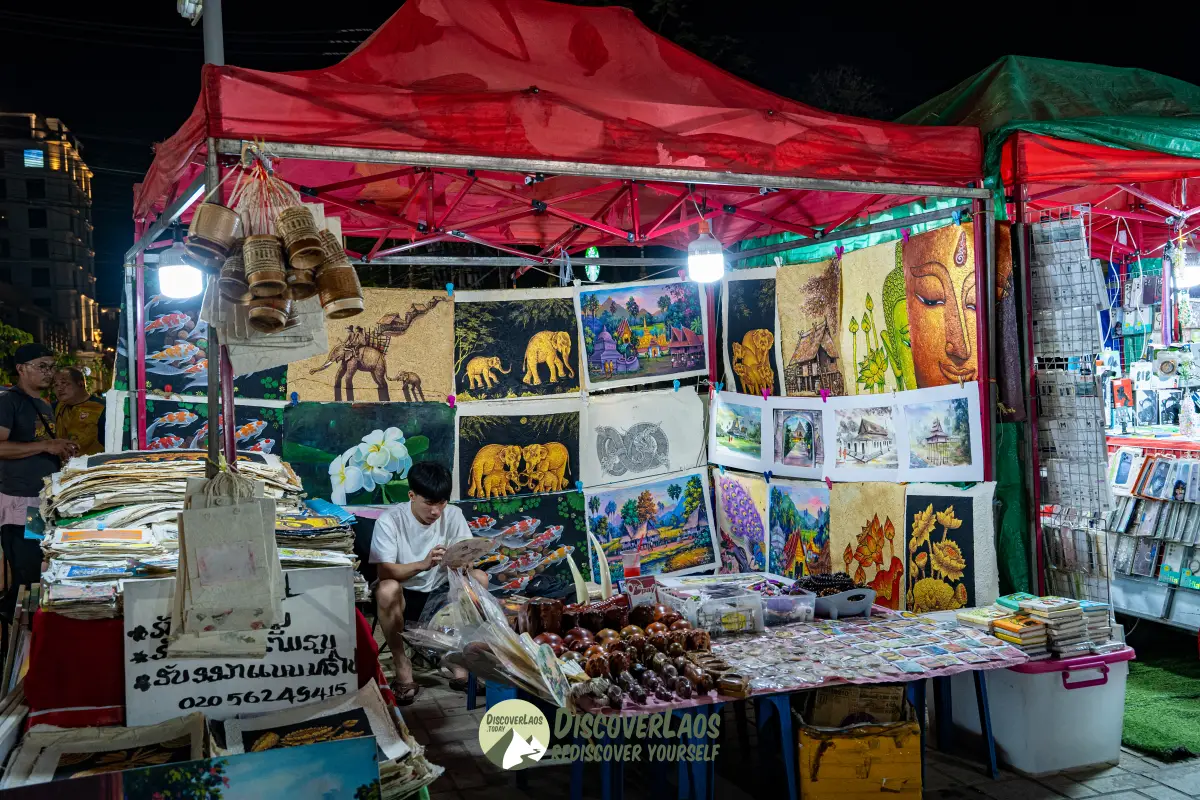
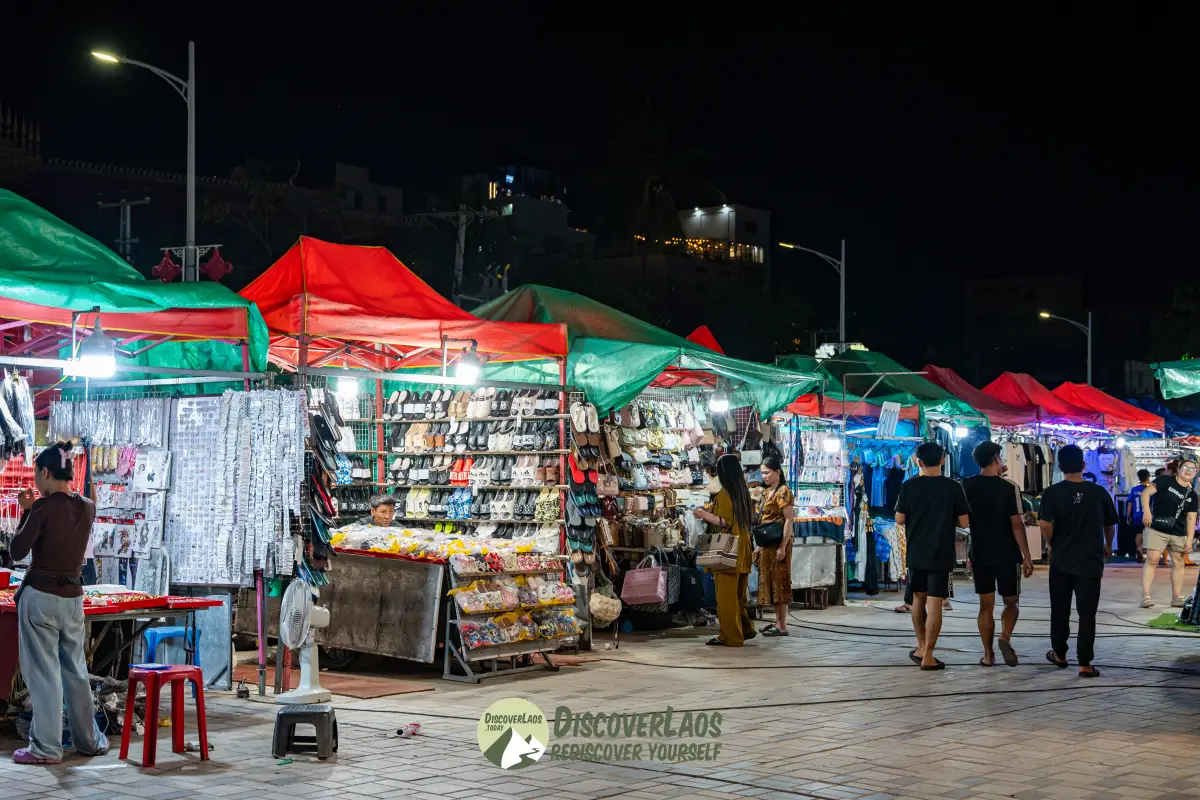
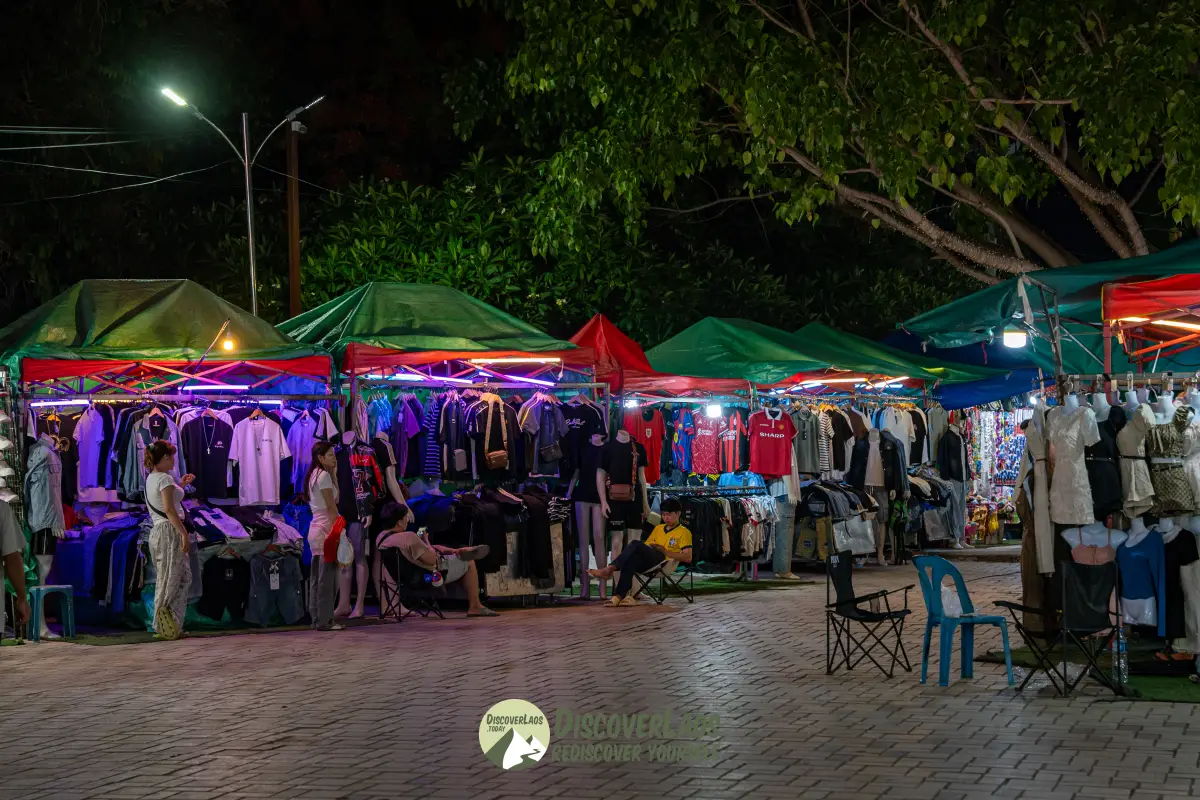
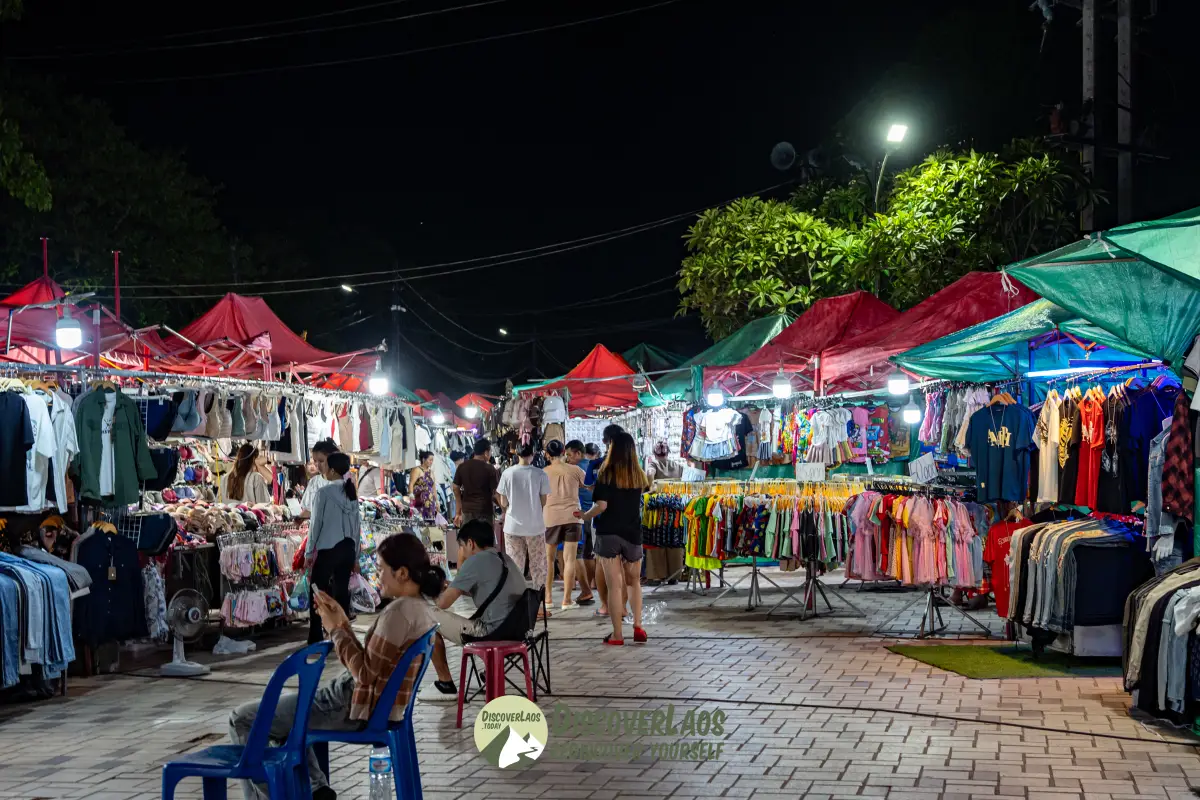
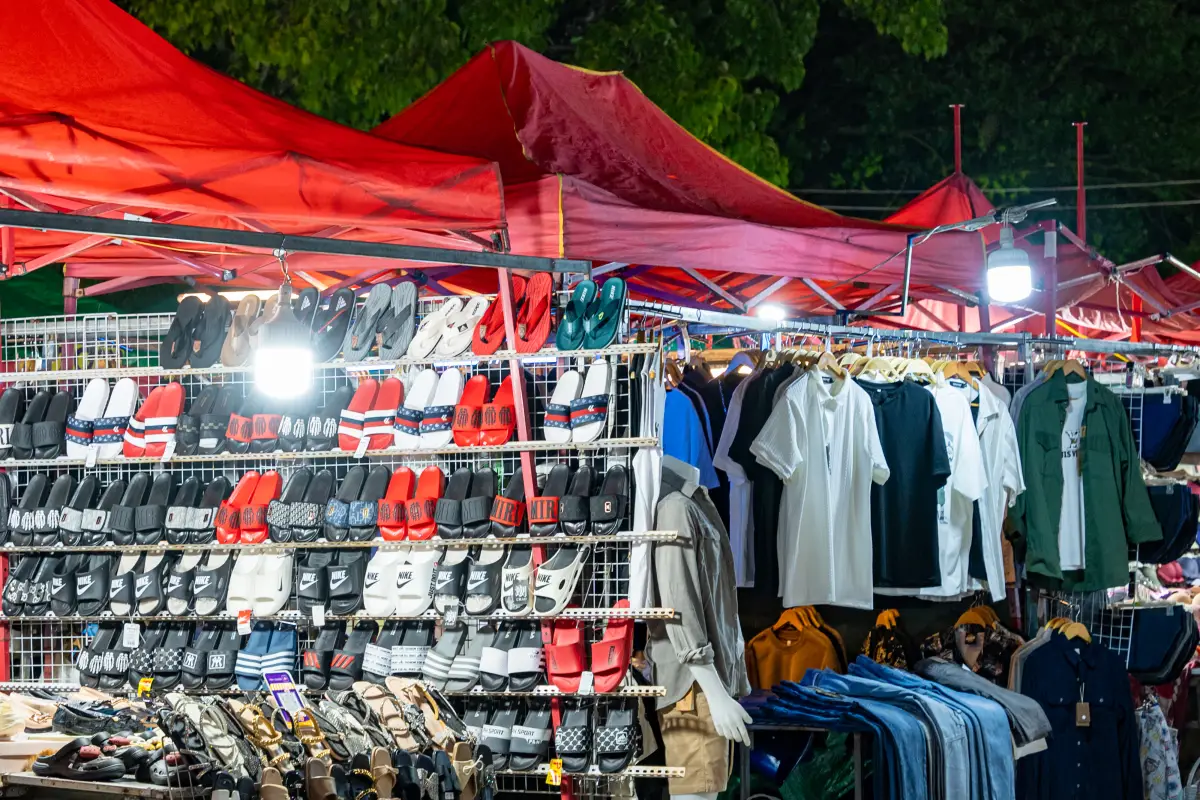
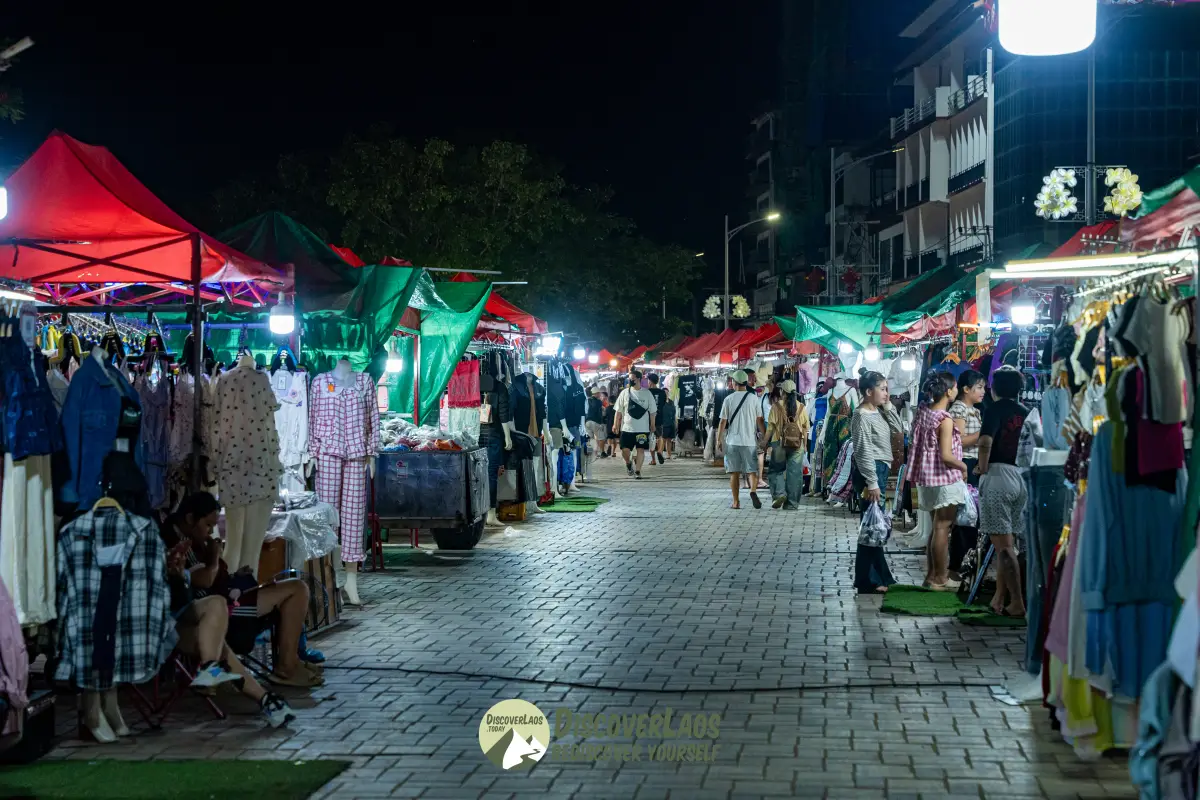
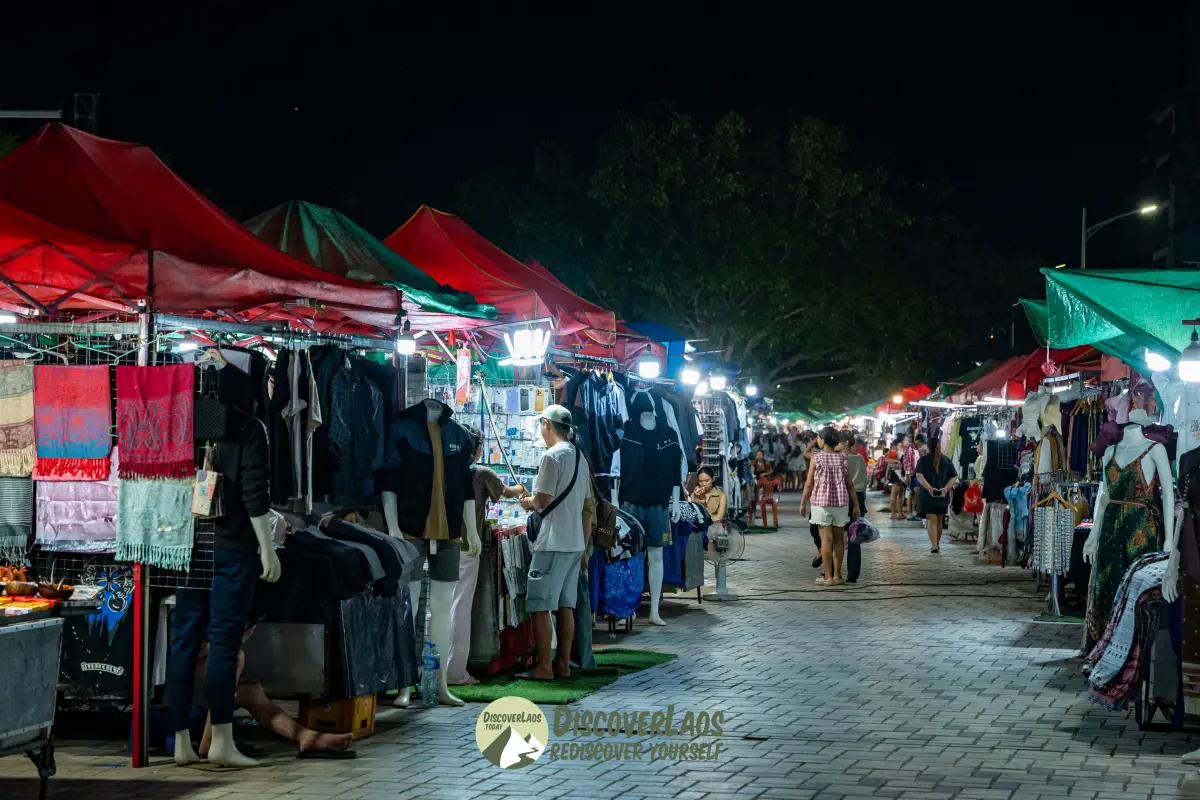
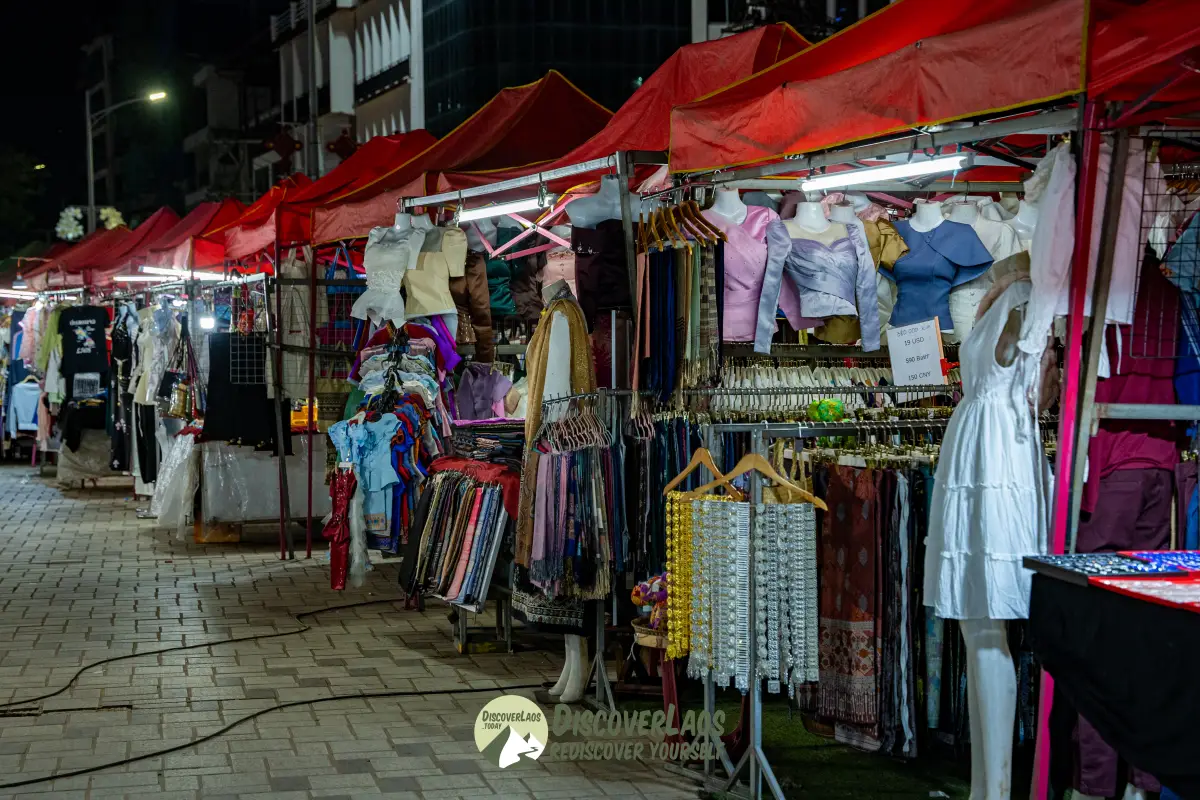
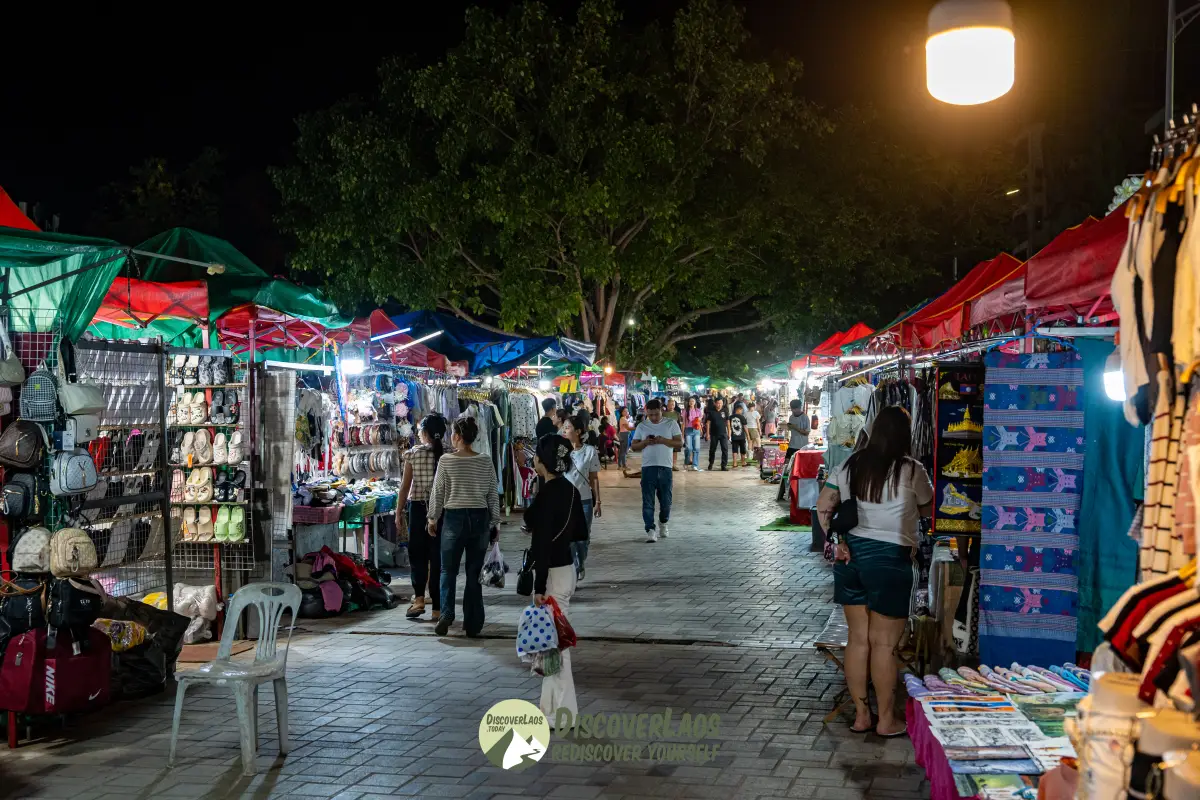
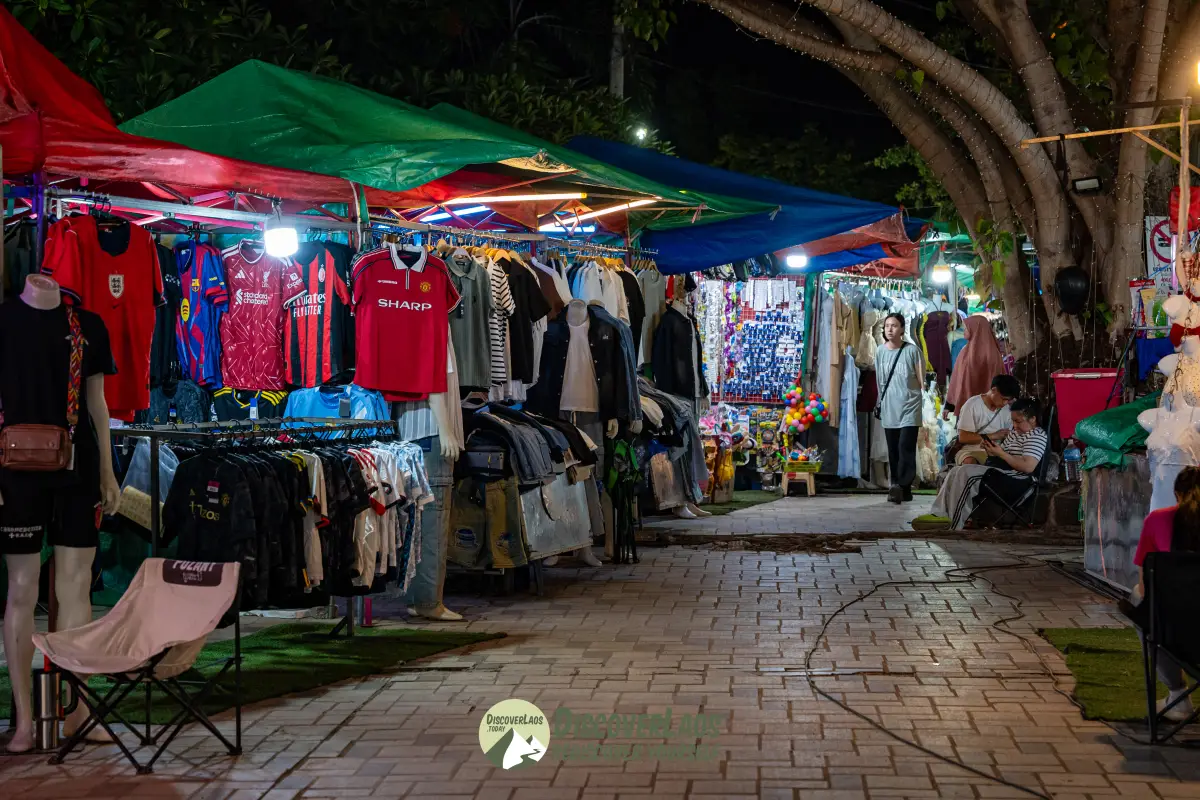
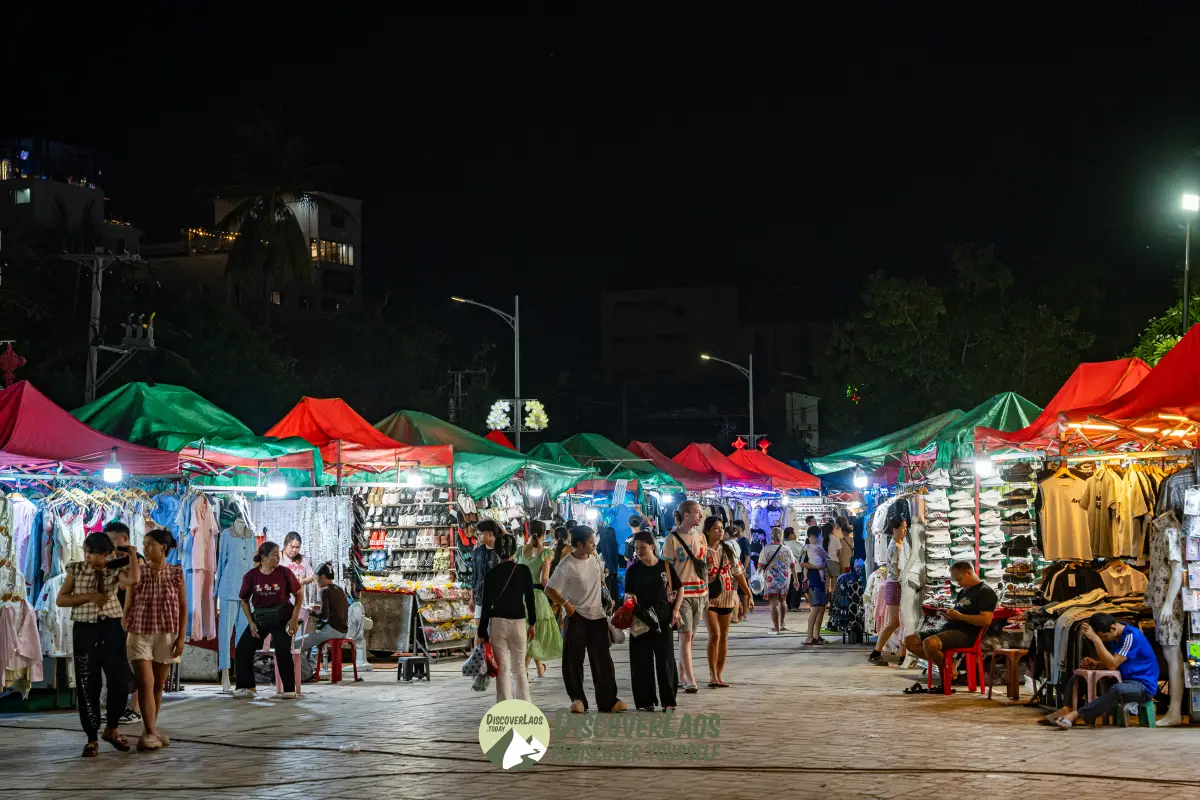
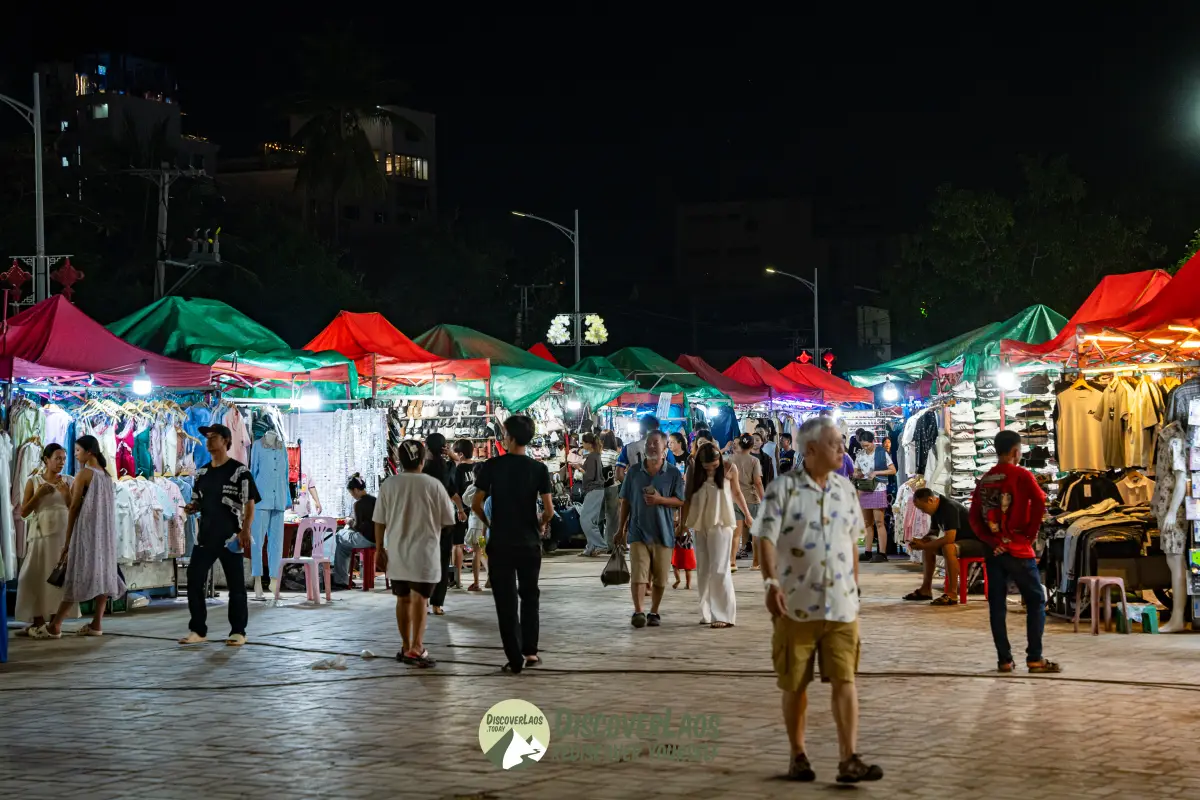
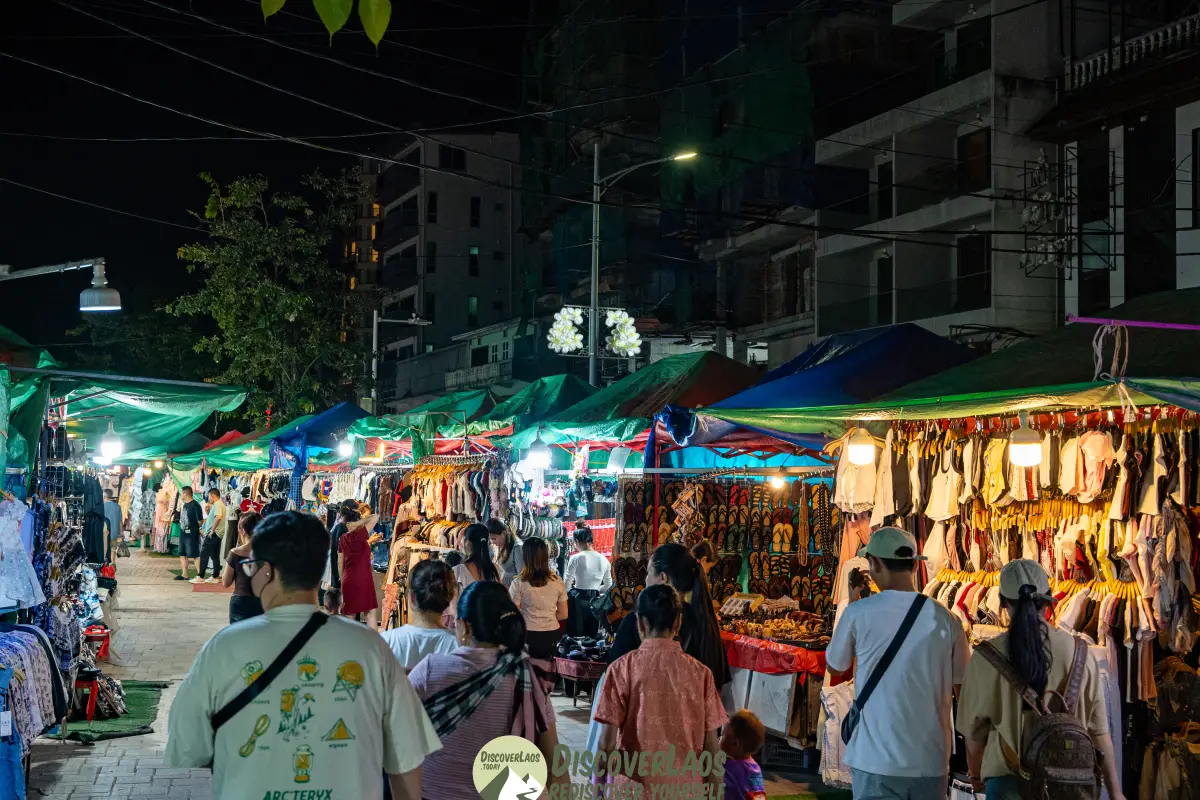
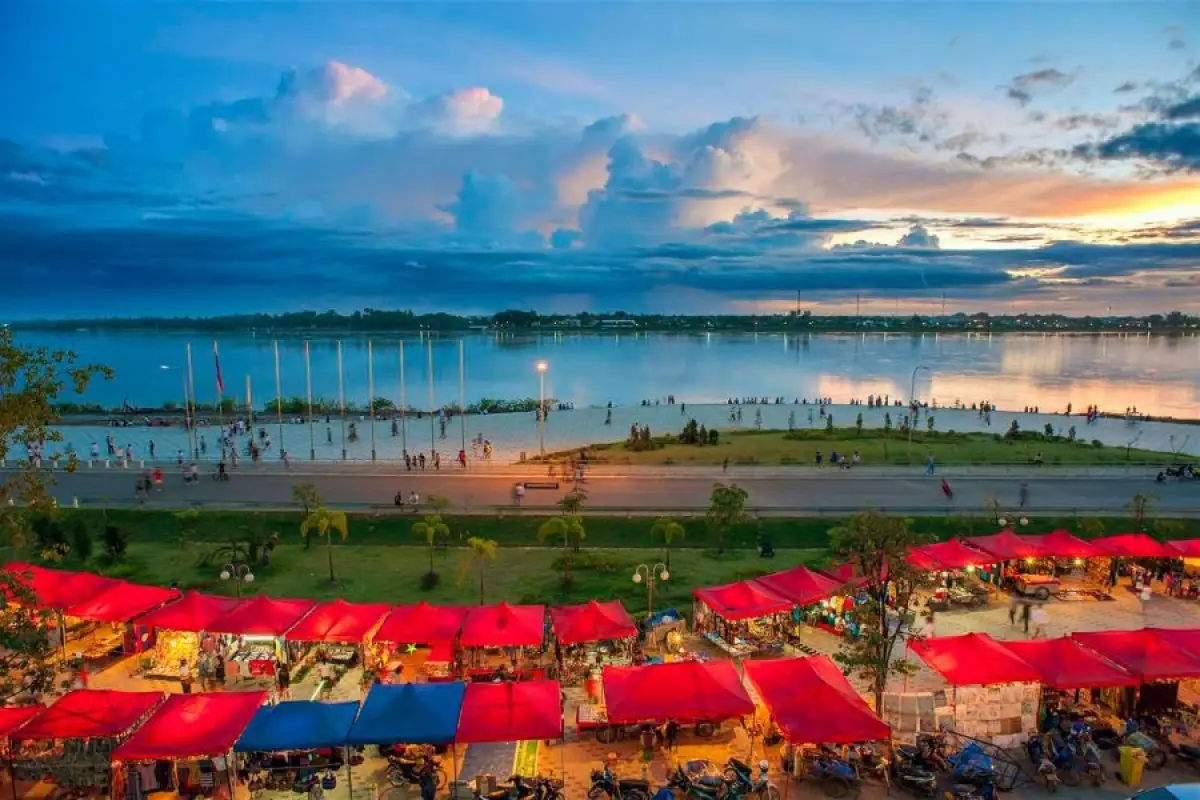
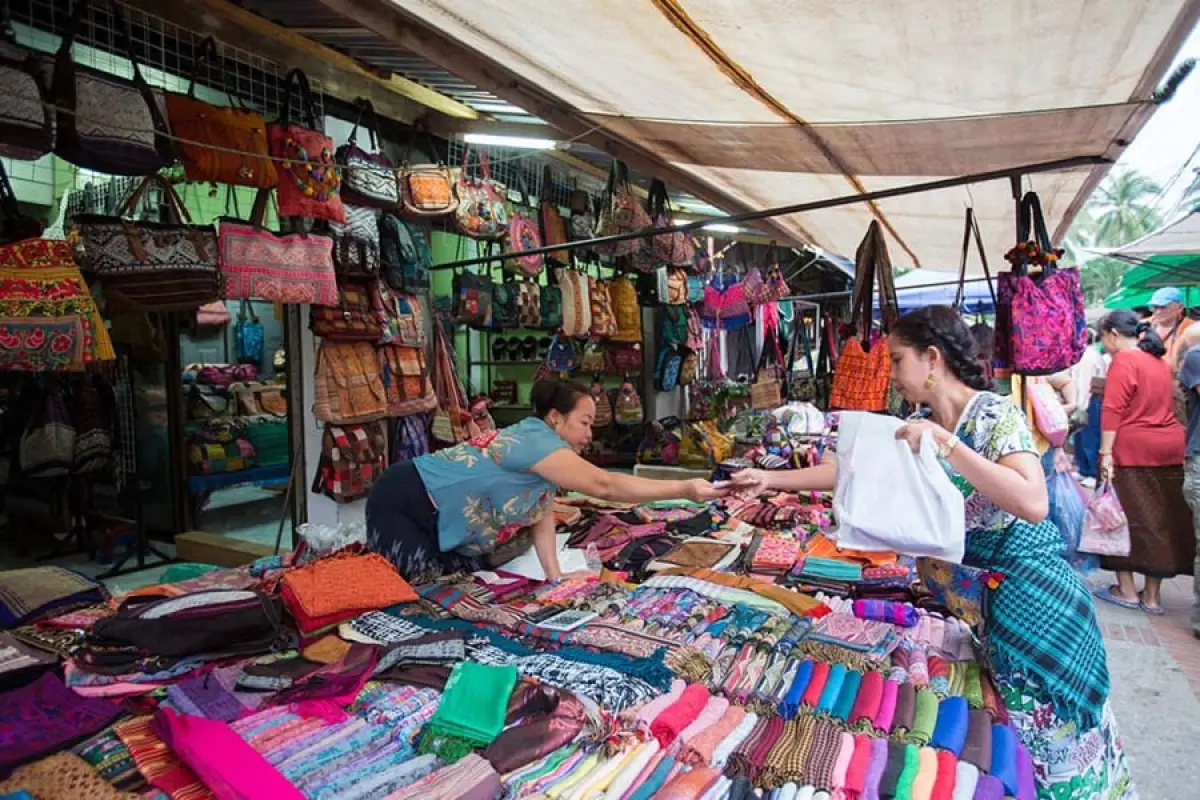
With its clean, orderly stalls and all manner of merchandise that make great souvenirs or mementos, Vientiane Night Market is aimed primarily towards tourists. It all begins around sunset when a small army of sellers begin setting up their red-roofed stalls directly on the riverside promenade. You can’t fail to see it. The whole riverside area is alive at this time with joggers and dog-walkers taking advantage of the cooling breezes and stunning backdrop of the sun lazily sinking into the Mekong river.
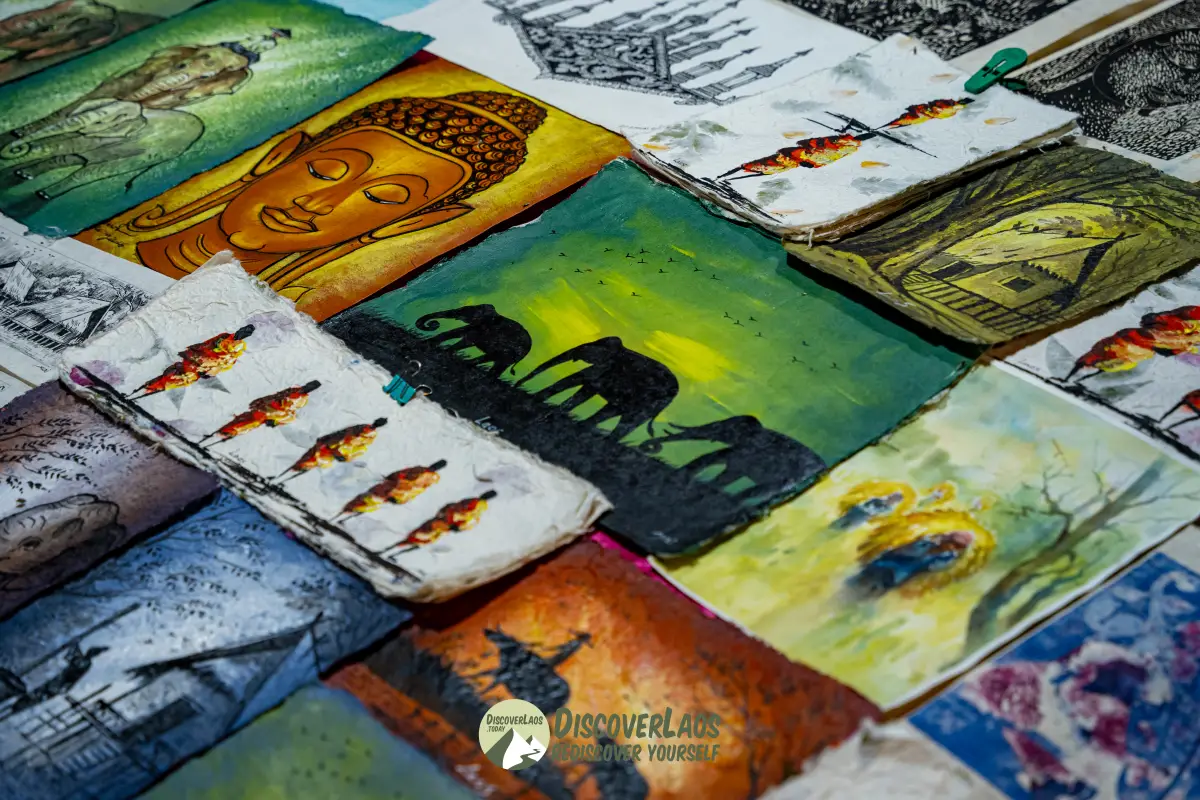
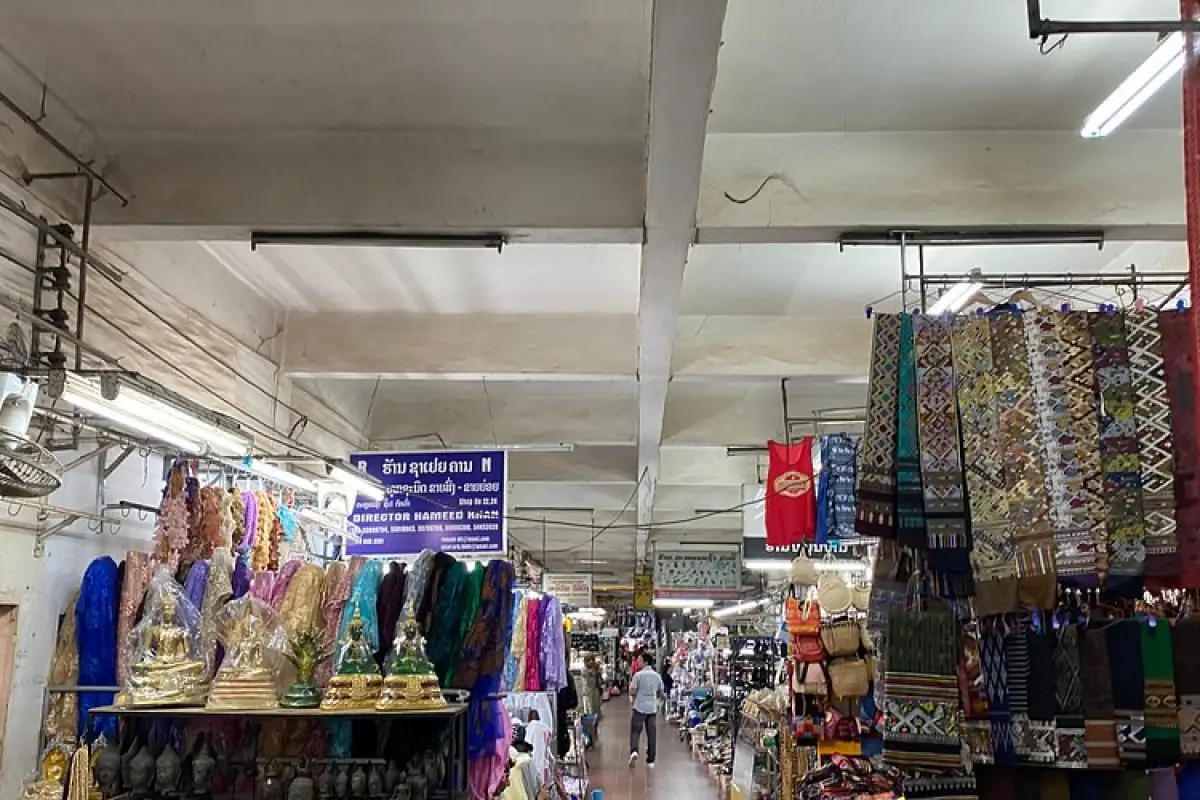
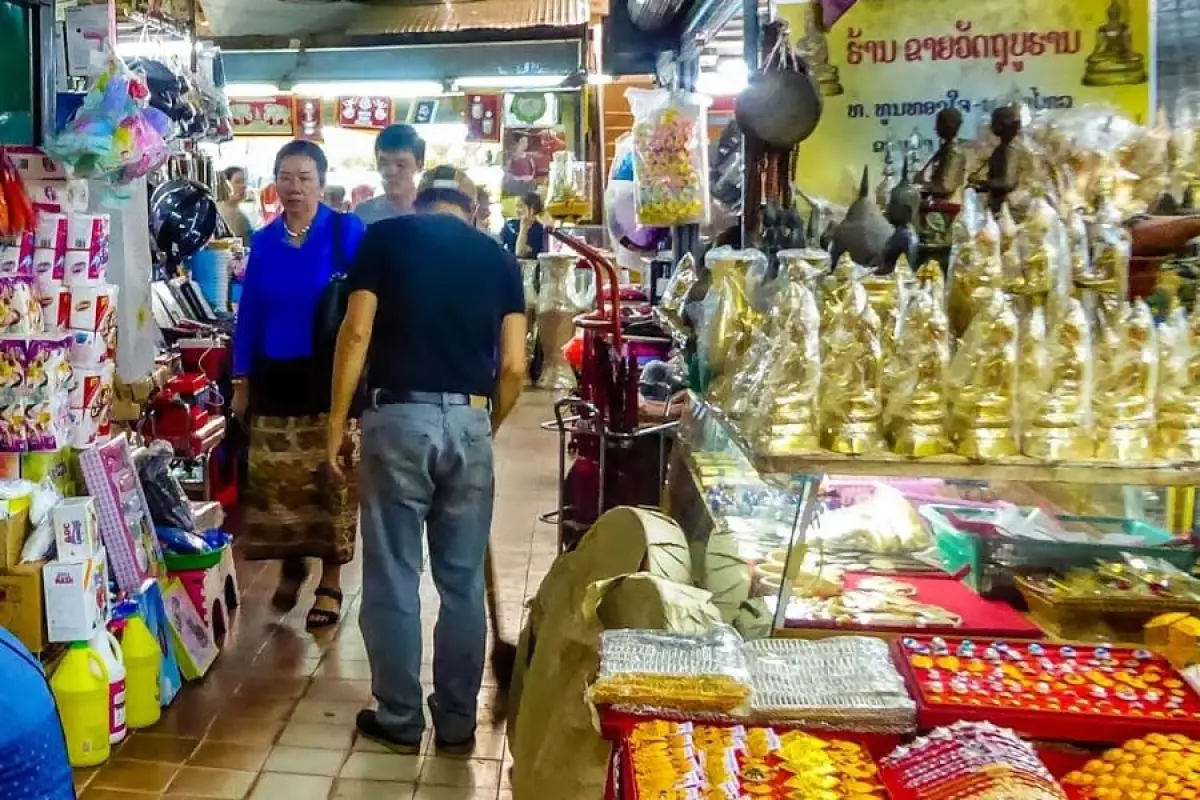
Products on offer are fairly typical of night markets throughout the region. You will find a predictable array of Buddhist-inspired paintings and knickknacks, cheap sunglasses, and Beer Lao T-shirts. The clothes stalls - with fishermen pants and one-size-fits-all dresses and skirts - tend to be geared towards the backpacker. With only US$10, you can pick up at least a couple of products here, but, for bargain hunters, it’s worth mentioning that everything on offer here can be found at a slightly cheaper price at other markets. The traders seem to have picked out all the best-sellers from the Morning Market and set them up in more attractive and convenient environment.
Open daily from 17:00 to 22:00
(Most important National Cultural Monument of Laos)
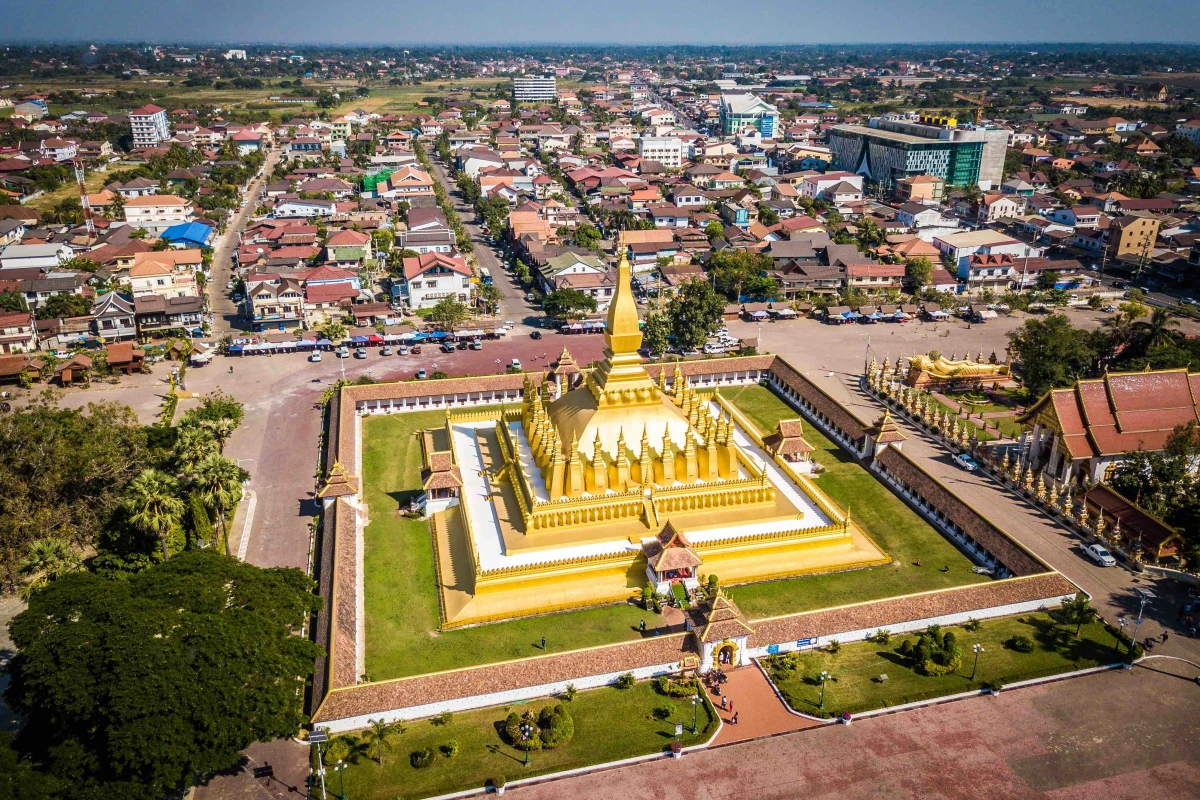
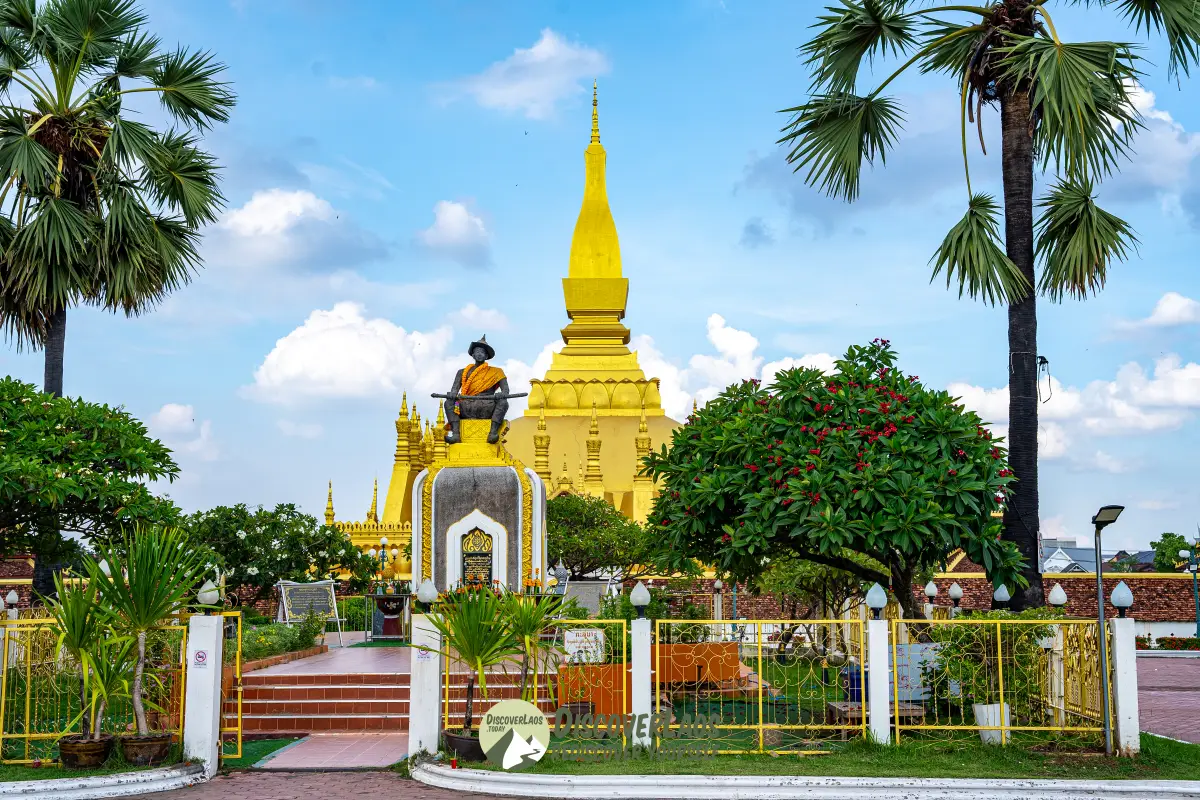
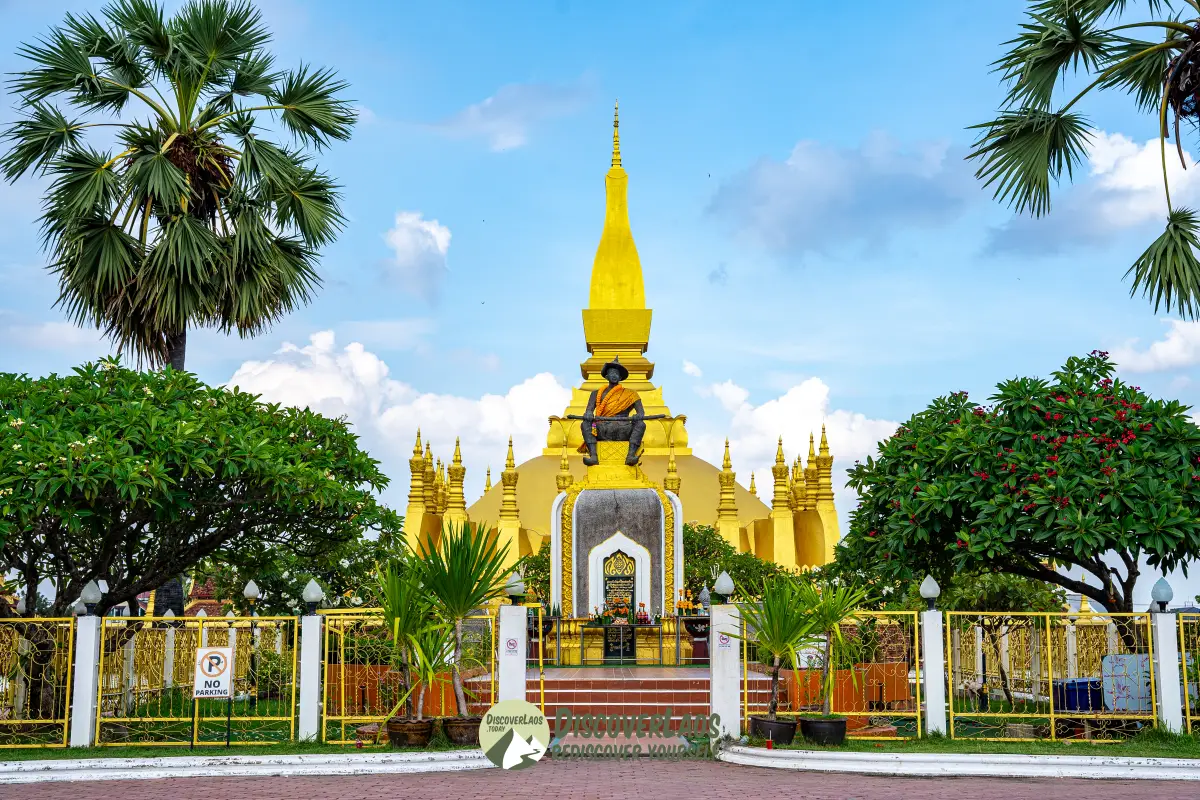
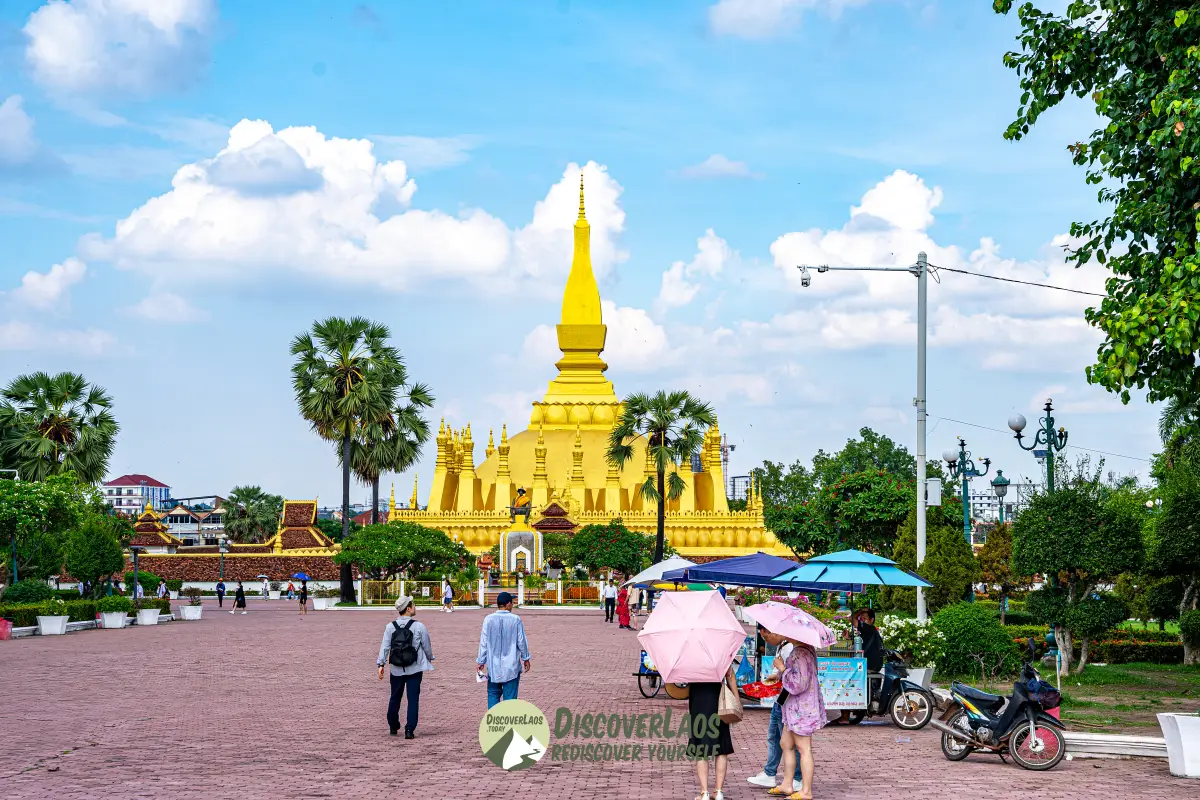
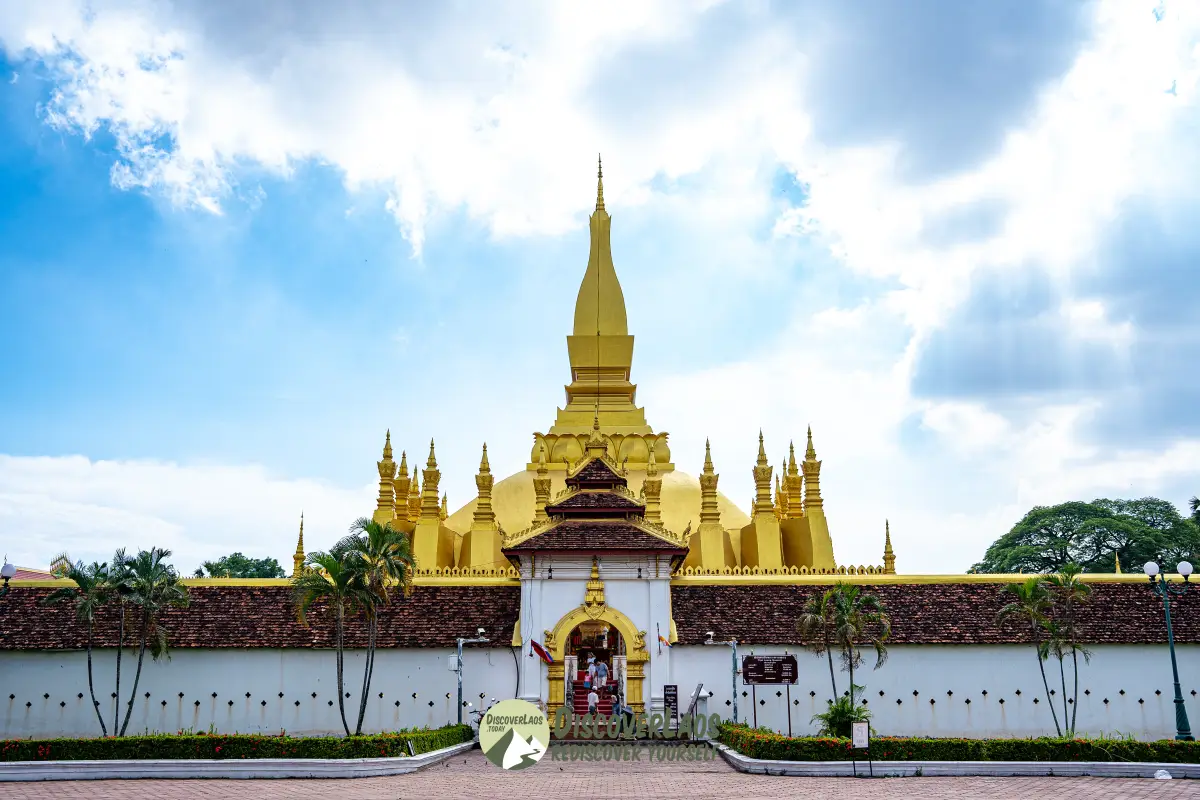
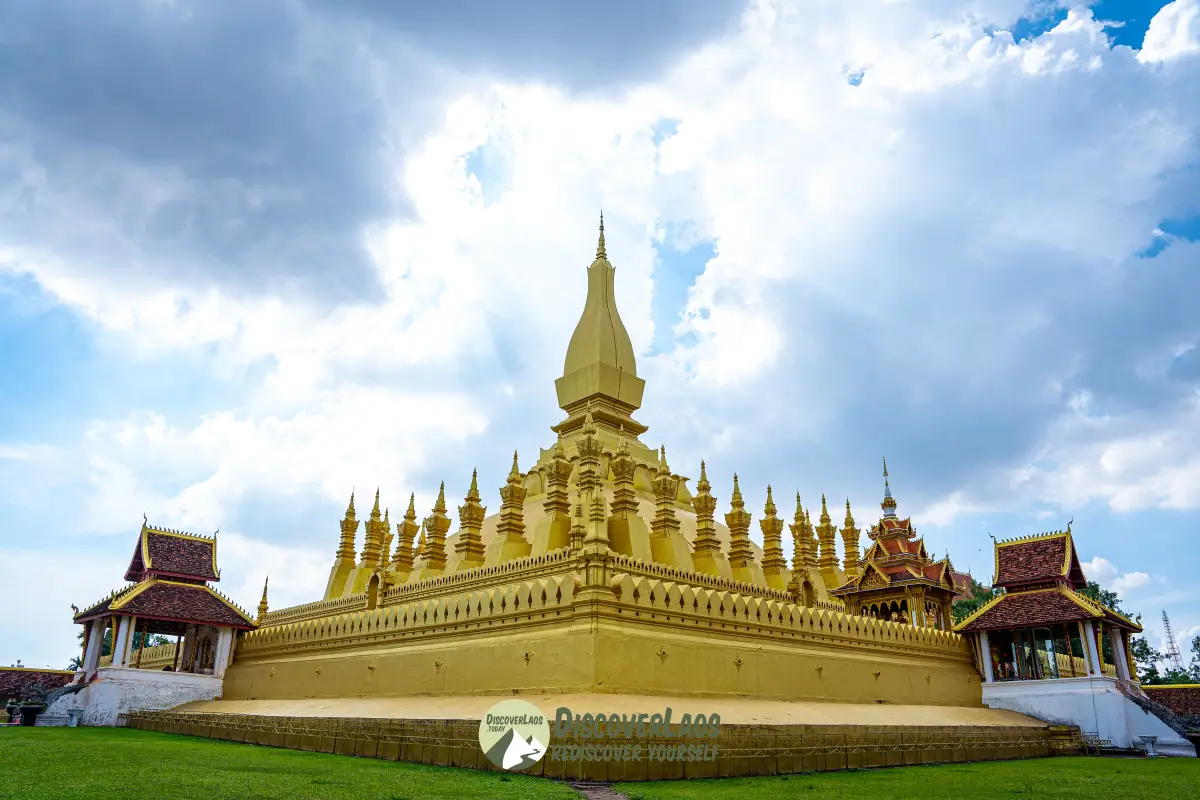
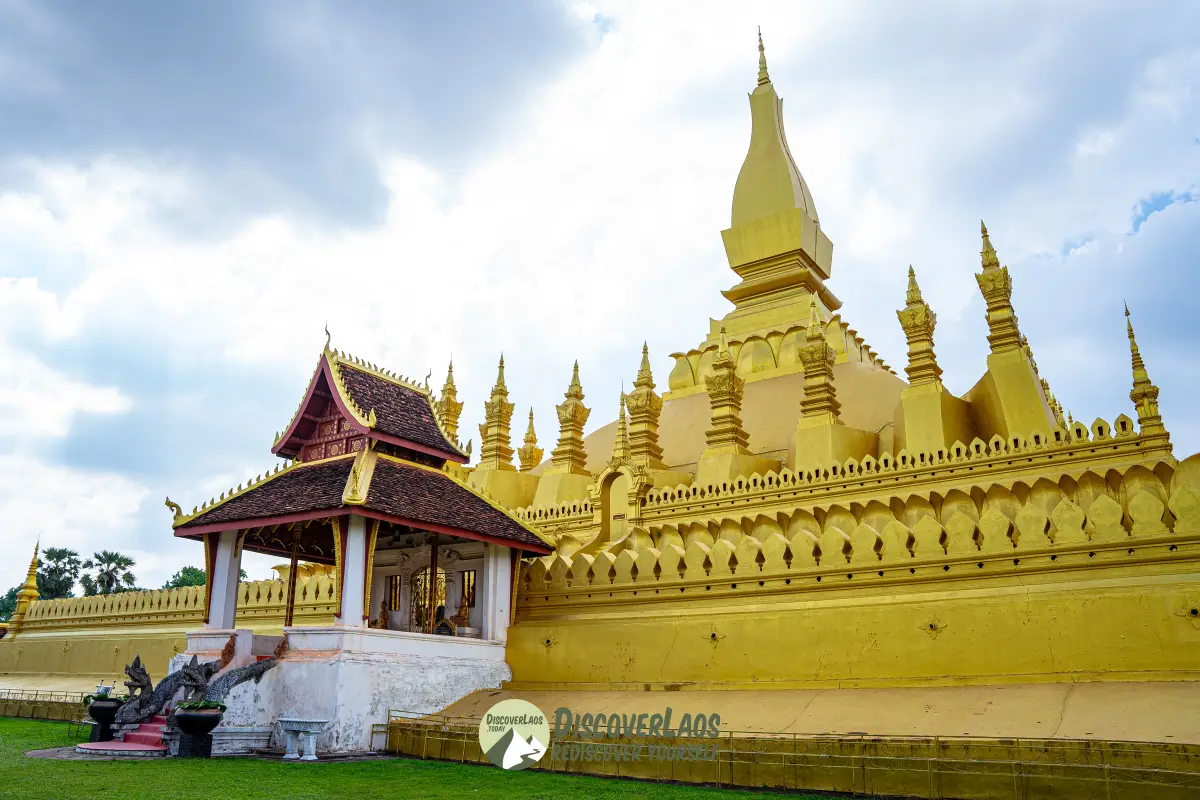
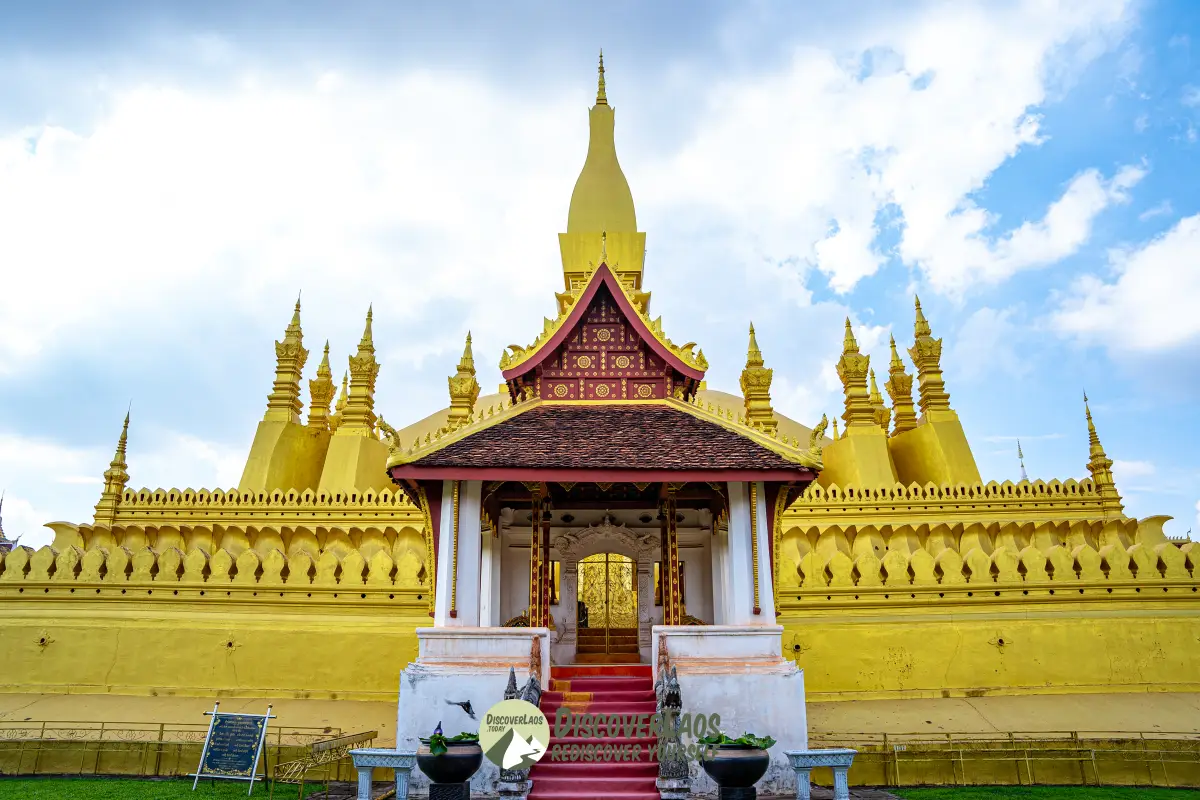
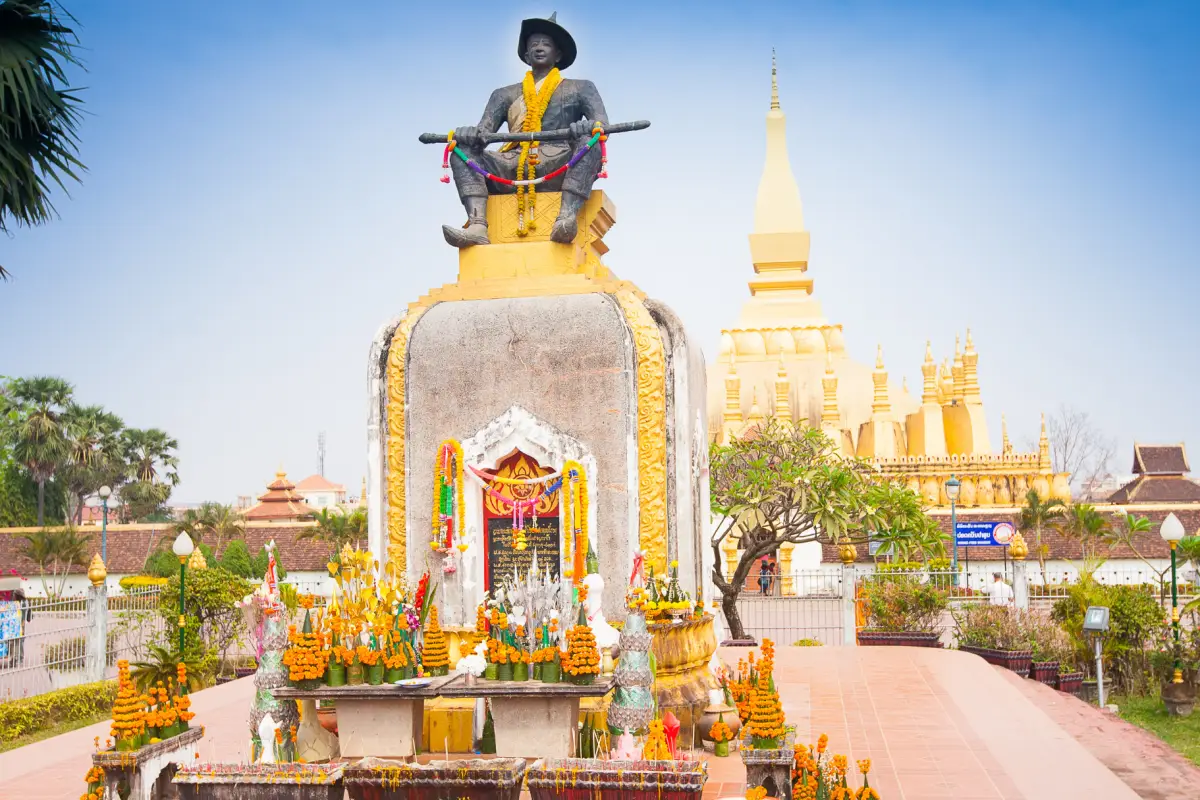
The site was first conceived in 307BC by the first governor of Vientiane, Phaya Chanthabouri Pasitthisack. Also known as “World Previous Sacred Stupa”, a breast bone of Buddha is famously known to be enshrined within itself, erected by Monks from India whom spread Buddhism to Vientiane during the era.
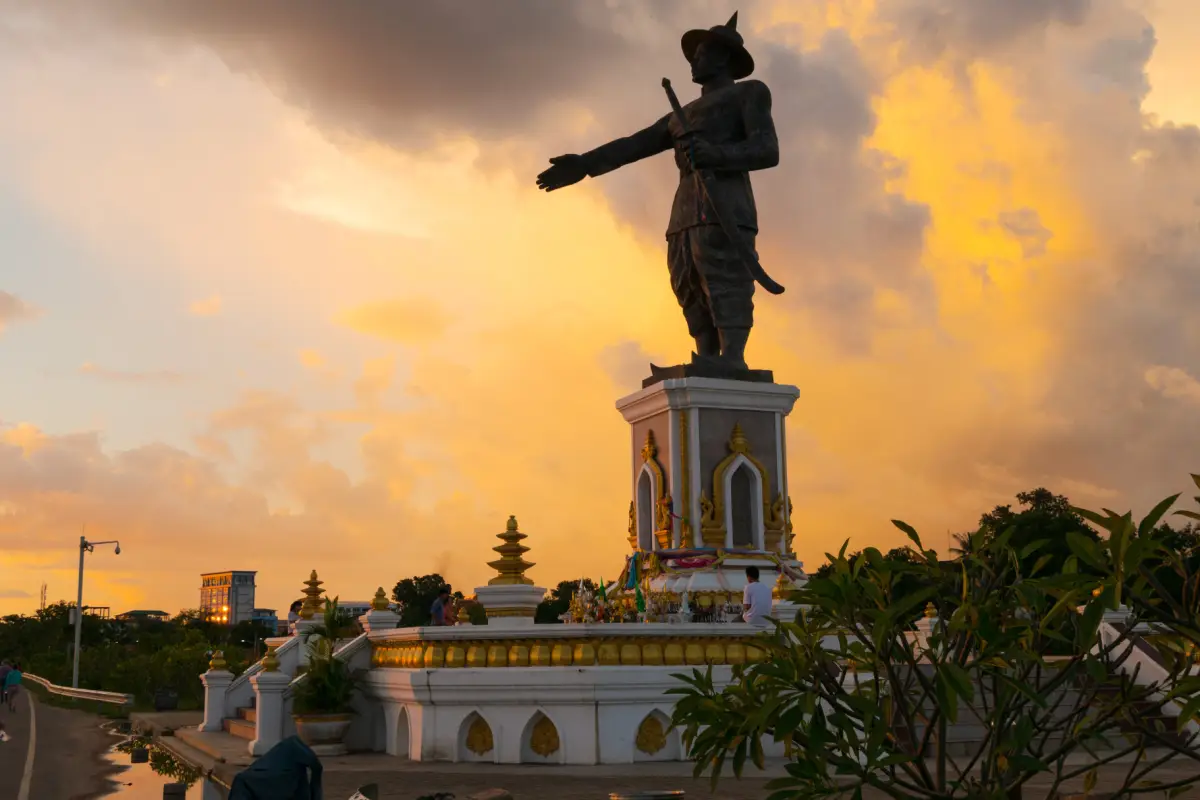
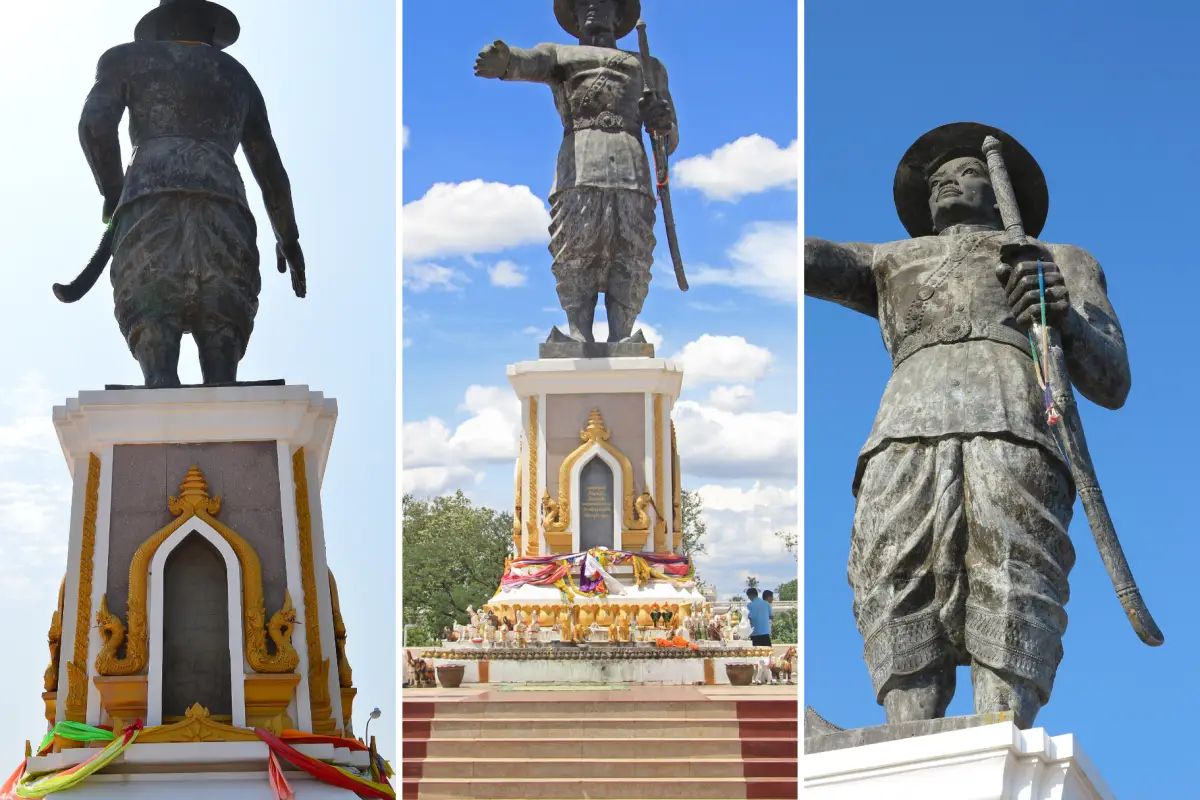
In 1566, King Setthathirath decided to move the capital city of Laos from Luang Prabang to Vientiane (Lan Xang Kingdom) and Pha That Luang was constructed to honor the shift, covering the pagoda in gold leaf.
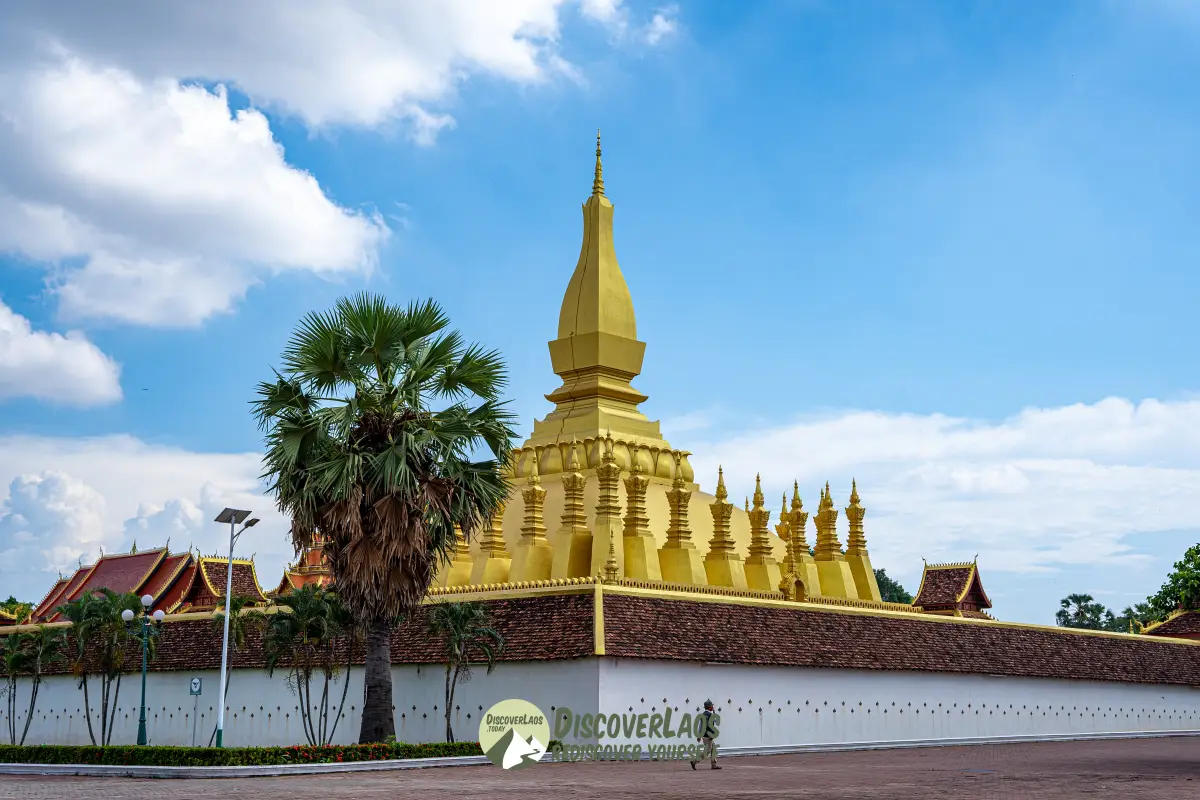
Unfortunately, due to endless wars and looting from Siamese invaders during the 18th century, Pha That Luang suffered heavy damages and was eventually abandoned only to be rebuilt in 1930 by the French colonial to its original design.
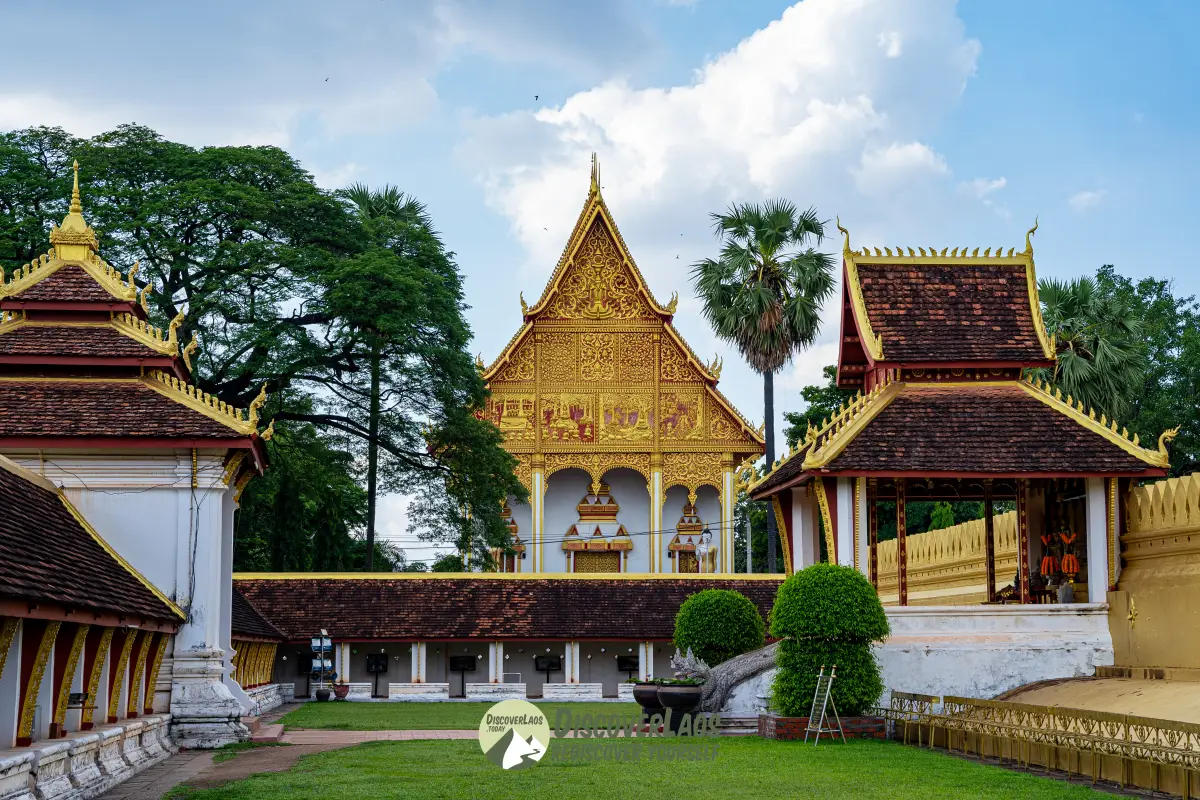
Today many ancient Lao and Khmer artifacts/statues can be found within the cloistered walls with Buddhist inscriptions and sculptures. The most significant are a statue of King Jayavarman VII of the Khmer Empire and right infront of the That Luang Stupa is the statue of King Setthathirat, King of Lan Xang Kingdom. Exploring the grounds, you will find beautiful golden reclining Buddha, bell tower, Bodhi tree and Pavillions with Buddhist art.
Out of the four temples that we were built around the stupa, only 2 remains known as Wat That Luang Tai and Wat That Luang Neua. These elegant structures represent the glory of the Lan Xang Kingdom and Lao’s most prolific history.
Entrance: 5,000 kip to the Golden Stupa and free for surrounding monuments
Opening hours: 8am – 12pm and 1pm – 4pm.
Events
Boun That Luang also known as Pha That Luang Festival is held during the full moon during the 12th lunar month. This is the largest Buddhist festival of its kind in Laos marked by hundreds of stalls selling food, handicraft and textiles. Locals and foreigners flock to the carnival to watch performances, traditional music, fireworks, street food and rides. Followed by 3 days of Buddhist ceremony to pay respects to the Golden Stupa by giving alms to local monks. Devotees will hold incense sticks while walking around the That Luang three time as a yearly rite of passage.
Unbeknown by travellers but frequented by Vientiane locals, the Tha Ngon floating restaurants is a quintessentially Laotian experience that you ought not to miss. Get a personal houseboat that's fully staffed and enjoy a traditional meal - take note that it can be quite spicy. Sing karaoke, sip BeerLao and relax along Mekong river without the horde of tourists. Be warned, though: you have to hire a restaurant by noon, as they are snapped up quickly.
To rent a small floating boat for up to 10 people costs just 100,000 kip (US$12) for a full meal. A larger boat can seat up to 16 people, but it is normal for an entire boat to only be occupied by a handful of people.
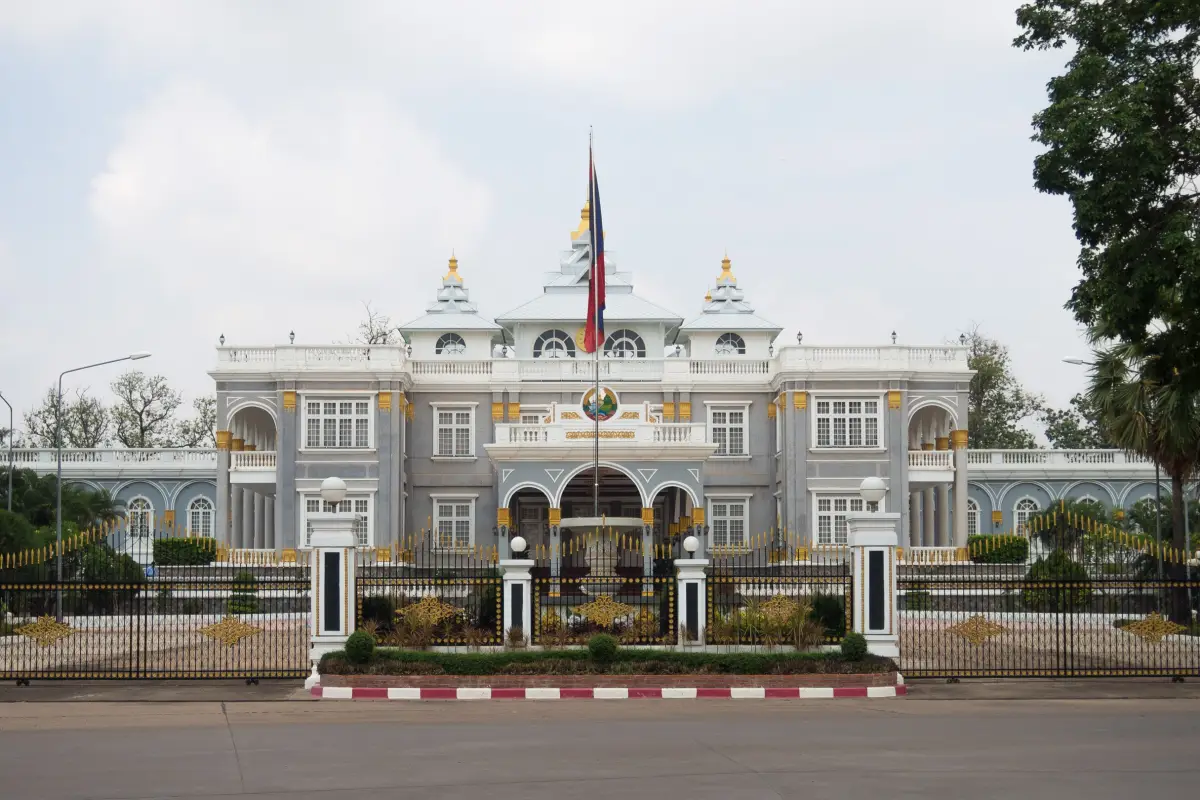
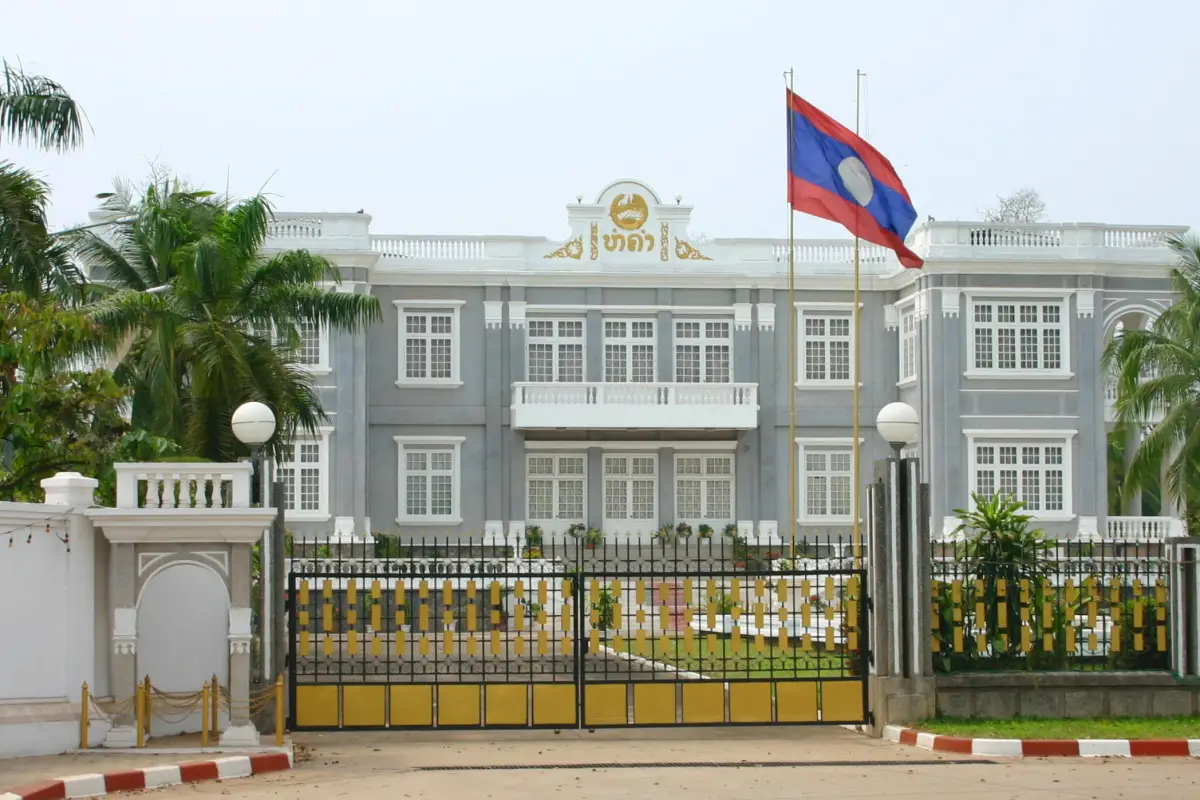
This building, located at the intersection of Lane Xang and Setthathirath Avenues, was built for the French colonial governor and was later used by King Sisavangvong as his secondary residence to the royal palace in Luang Prabang. It is now used to host official guests of the Lao PDR.
Not open to the public
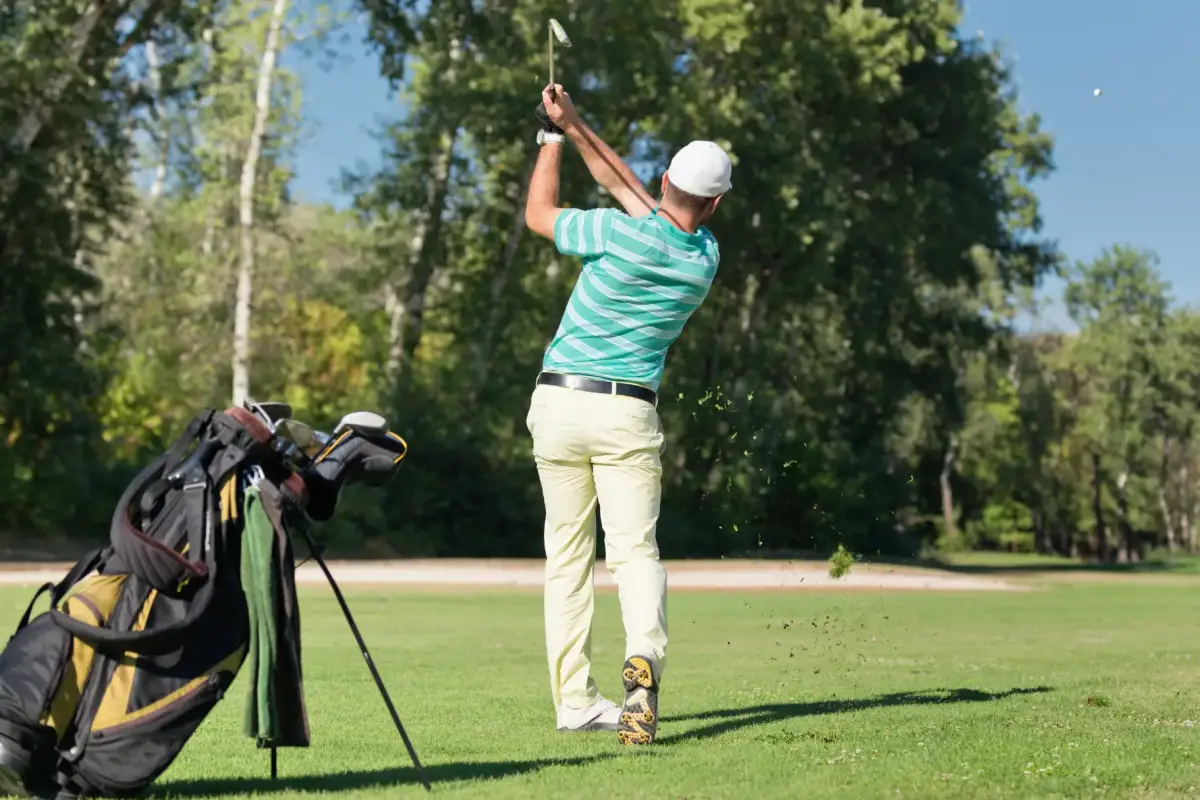
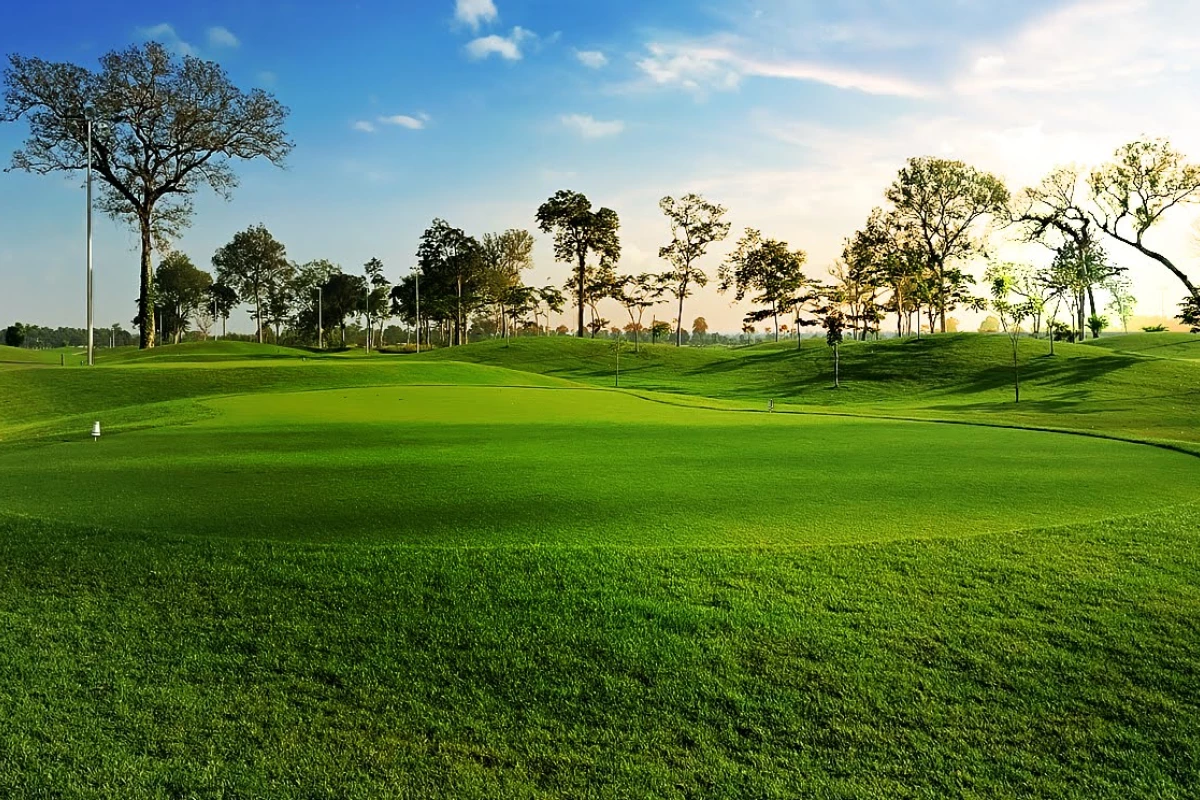
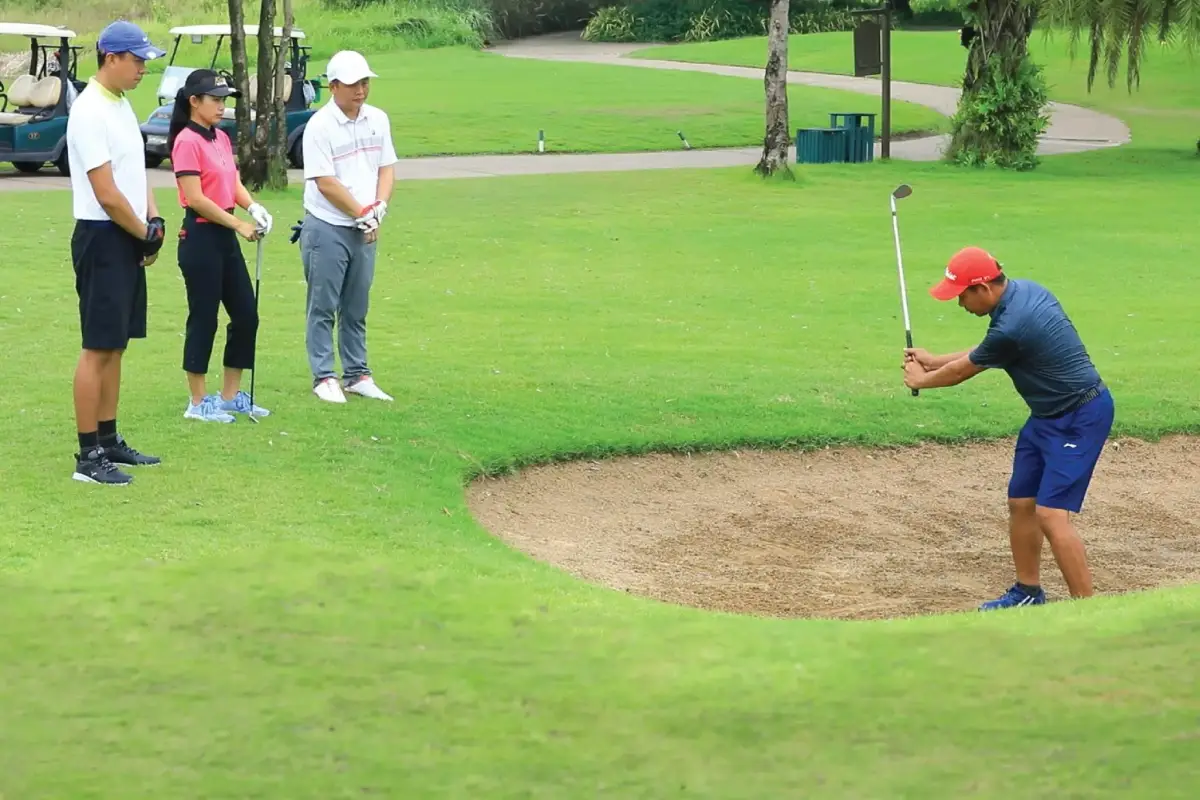
For golfing enthusiasts, there are three courses in Vientiane that are worth trying out.
Long Vien Golf Club. The 18 holes and 7,538 yards fairways make up a 72 par international-standard course. Blessed with a beautiful natural view and developed based on its terrain, the gold course is arguably the most professional in Laos. There are computer-controlled water spraying and lighting systems, driving ranges, caddies, and buggies.
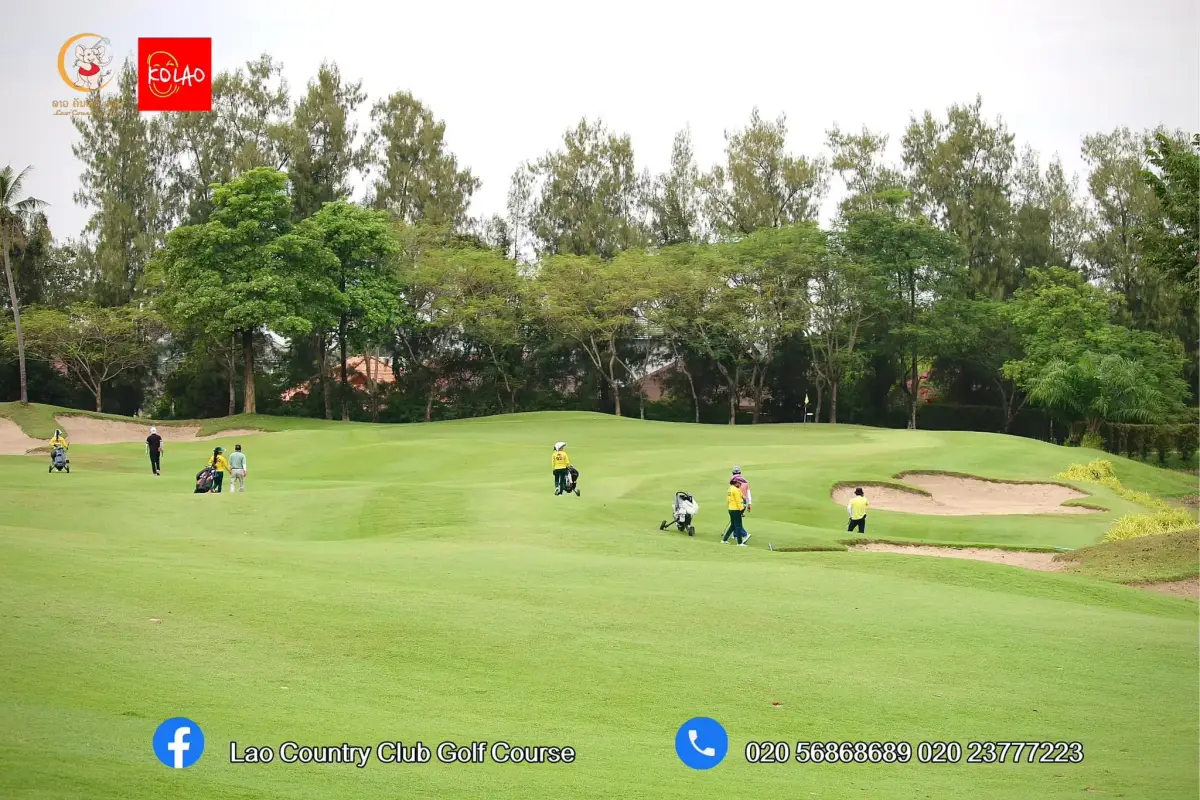
Lao Country Club. Stretching over 6,000 yards, the 71 par course is in tip-top condition, as the former Youth Garden Golf Course was recently upgraded to resort standards. Here, the gentle yet undulating terrain is challenging yet walkable. Decorative water features are everywhere, so caution and discipline are necessary. Caddies can be hired.
Lakeview Golf Club. The 72 par course is 7,153 yards long and designed cleverly by Nelson and Haworth, with clever mounding and earthworks to transform a once-flat field into a curious course. Man-made water bodies work in tandem with steep bunker complexes to add an extra challenge. The golf course is well-maintained and uses Paspalum grass, so the surface is constant all year round. Caddies and buggies are available, and there is also a driving range.
Nam Pien Yorla Pa adventure tour is a branch of Nam Kat Yorla Pa located at XiengLae thar village, ParkNgeum district, Vientiane capital (PhuKaoKuay mountain)
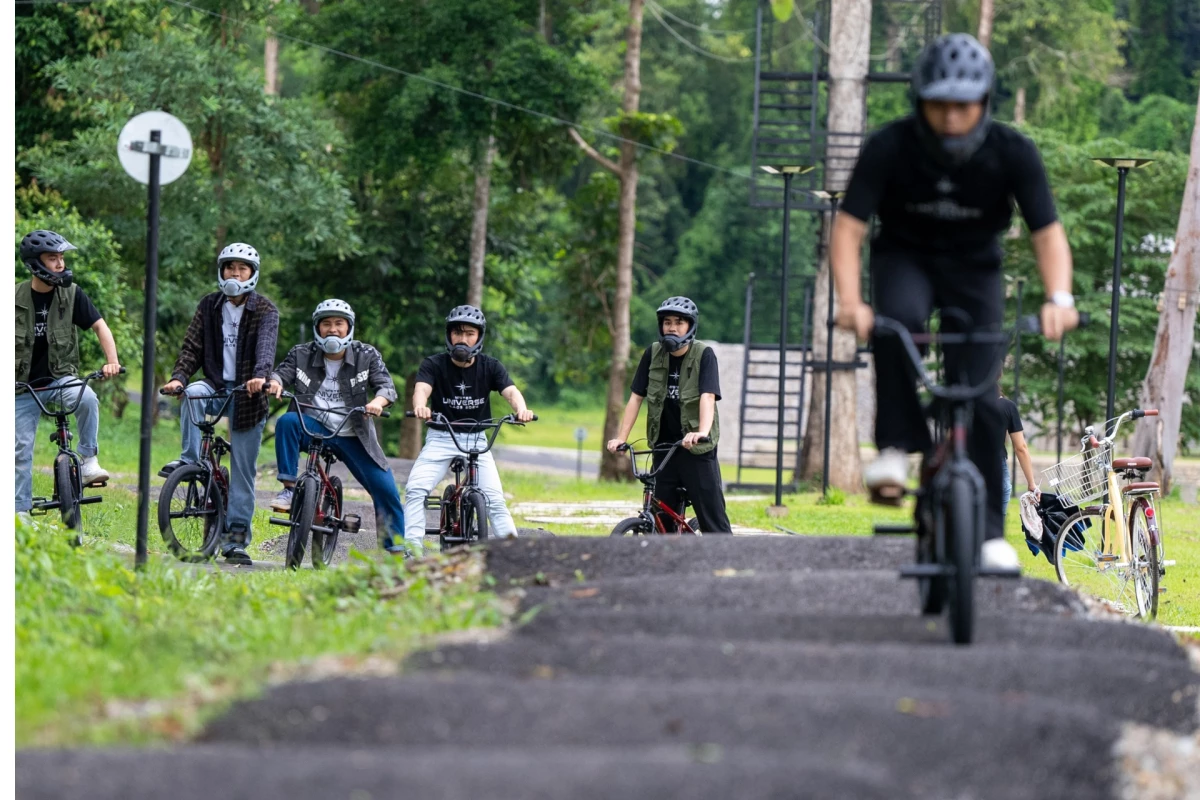
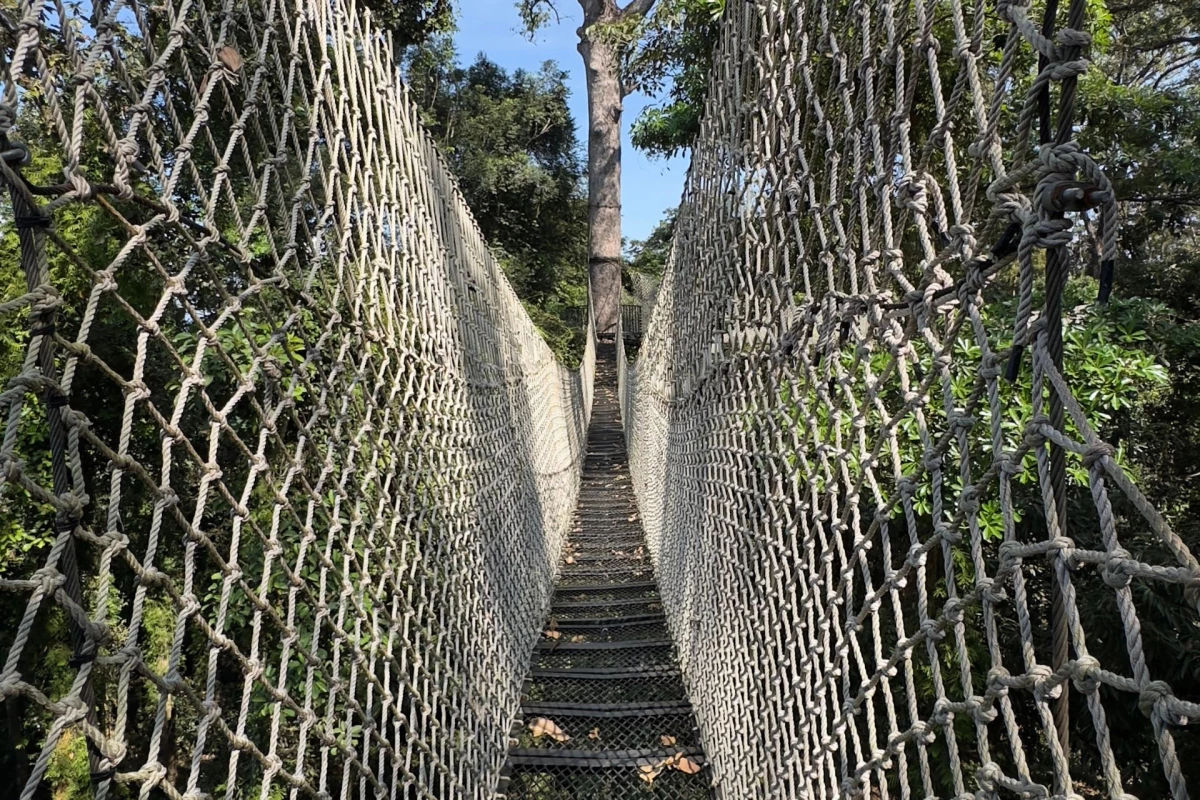
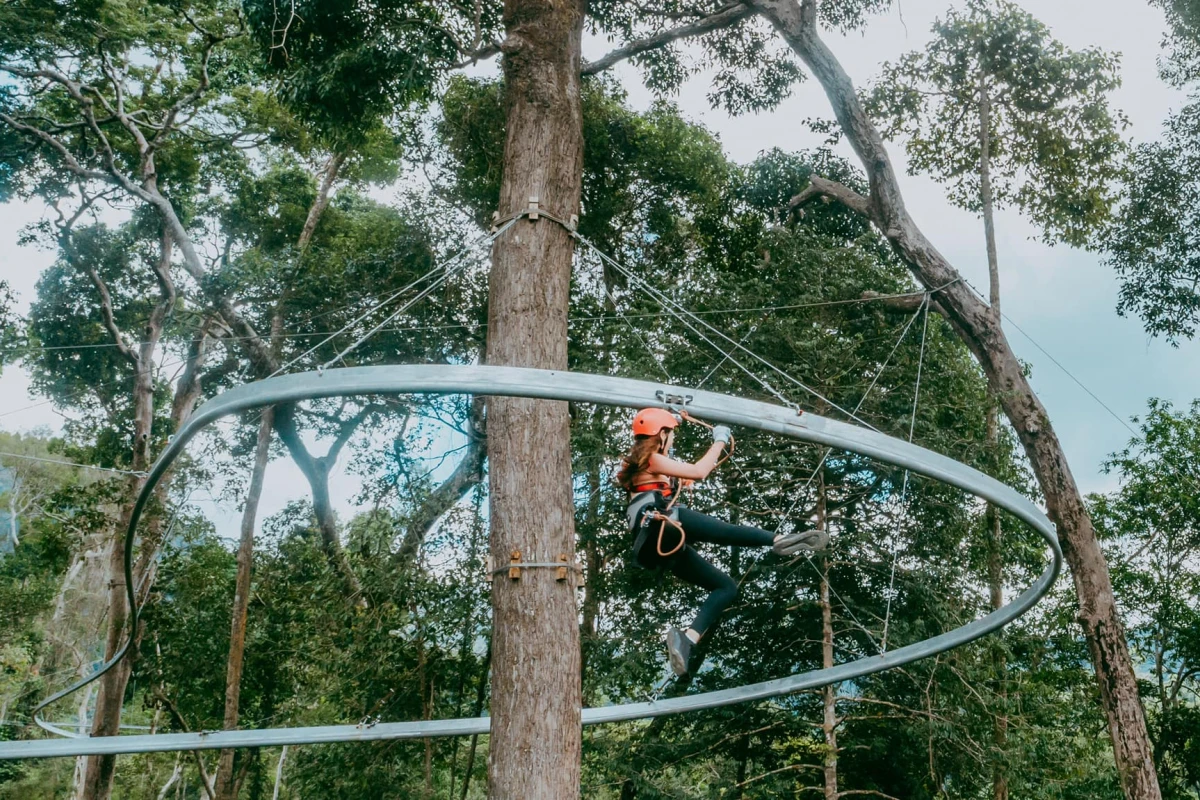
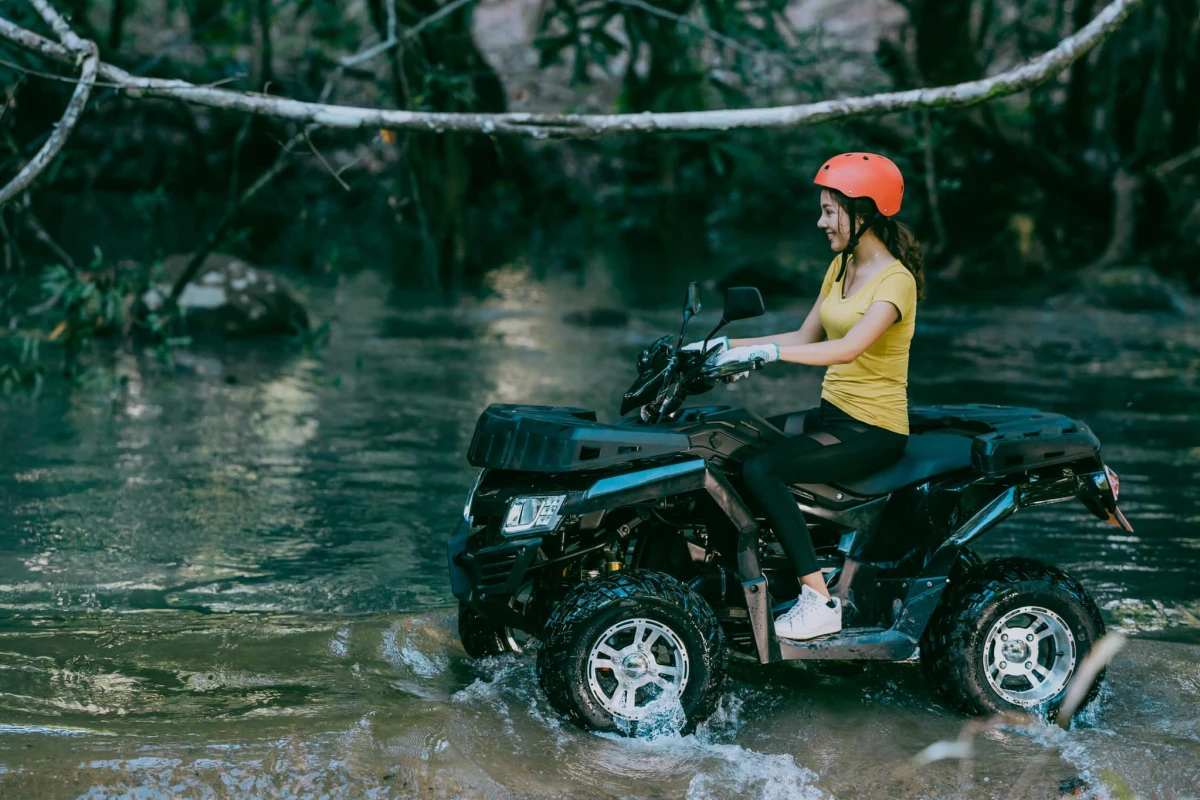
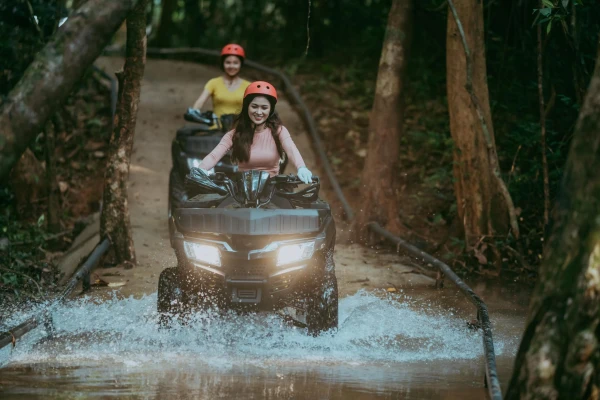
Spread over 140 hectares, the Nam Pien area has eight main adventure activities at the new tourism site. They include quad bike riding, sightseeing in the protected forest area, and enjoying the spider web net above the river. Tourists can also enjoy natural views, especially a waterfall, a staff member of Nam Pien Yorla Pa
Nam Pien Yorla Pa is a branch of the FACET, which operates in the protected forestry area along the Nam Kat River. Situated in Oudomxay province in the North of Laos, this area is truly scenic and a popular eco-tourism destination in Laos and South East Asia. The Forestry Area Conservation Ecological Tourism Company provides sustainable tourism services in the Nam Kat Yola Pa protected area. If you want to experience the wonder and the exotic beauty, the thrill of adventure and the natural serenity - visit Nam Pien Yorla Pa. There are many memories you will take back from Nam Pien Yorla Pa.
The opening of the new tourism site offers visitors more options to experience diverse leisure activities in Laos, which boasts thousands of attractions with many lively activities available for tourists to make their holidays a memorable one.
Direction to Nam Pien Yolapa from Vientiane Capital
If you leave Vientiane, there are two roads that lead to Ban Xieng Lae, Pak Ngum District - Via Route 13 South and Route 10. Both routes are similar in distance, but we recommend that you take Route 13 South as it is large and convenient, taking just 1.5 Hours. From Nong Bon Road, you will reach the roundabout and stay on Route 13 South to travel to Xieng Lae Tha village which is where the national park is. Have fun!
Nam Pien Yor Lapa- Launching a New Tourist Attraction for thrill seekers: Book in advance - Click here
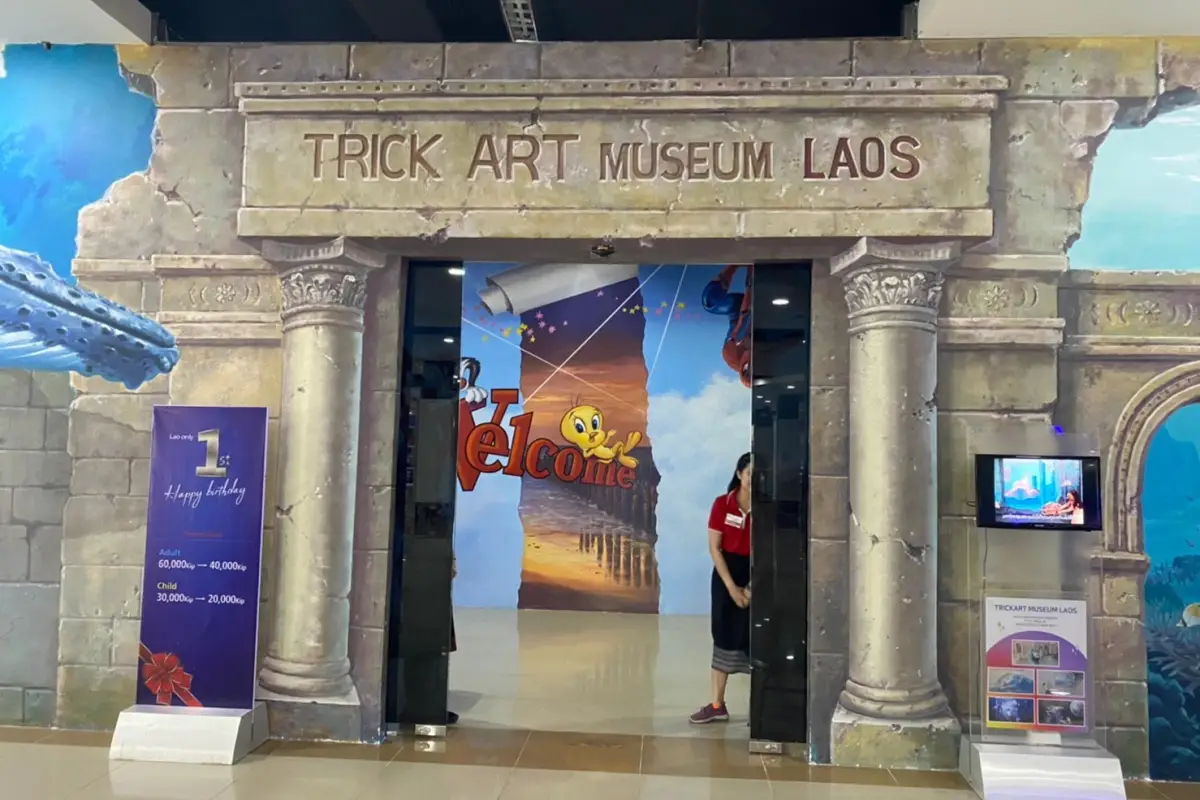
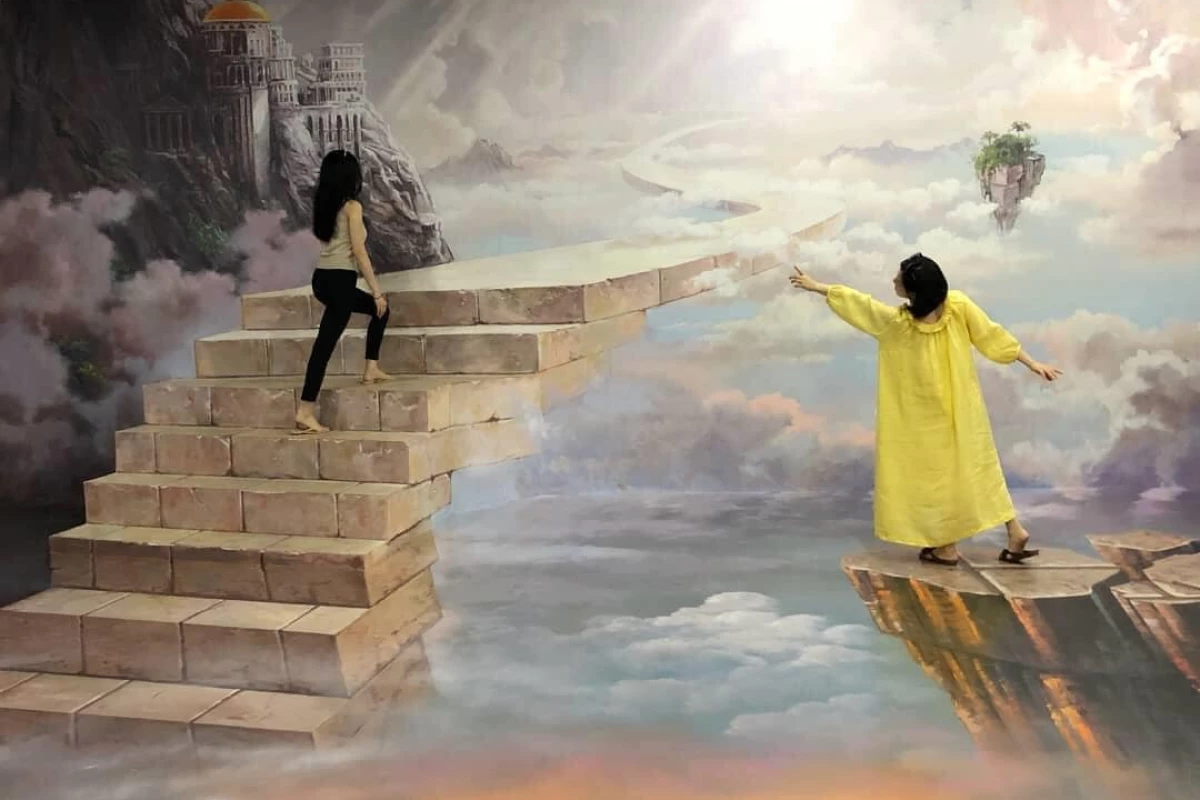
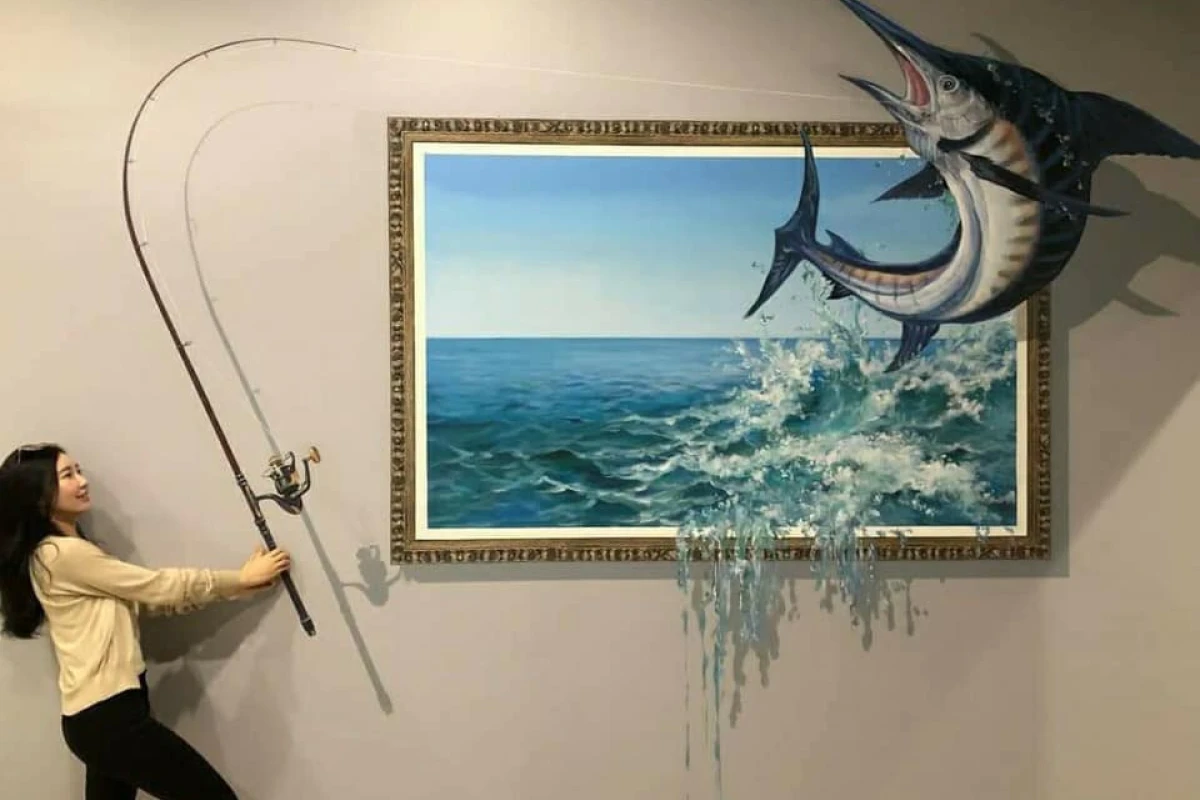
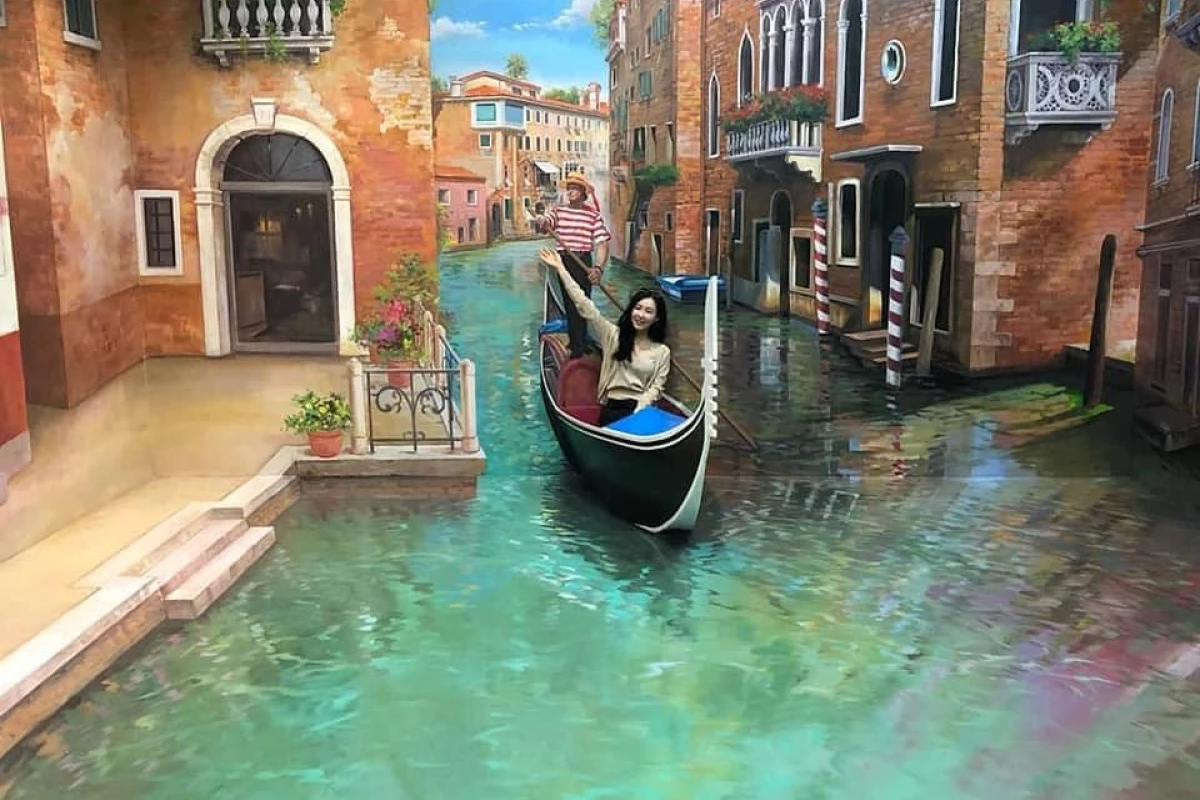
The first 3D Trick Art Museum in Laos!! Creates beautiful and precious memories with our 3D backgrounds of various themes hand-painted by famous artists
Price is: Adult 40,000 kip
Child 20,000 kip
Special: if you come to 10 more people we just get price is 20,000 kip (Just 10 Adults)
Open Hours: 9:00 AM - 9:00 PM, from Monday - Friday!
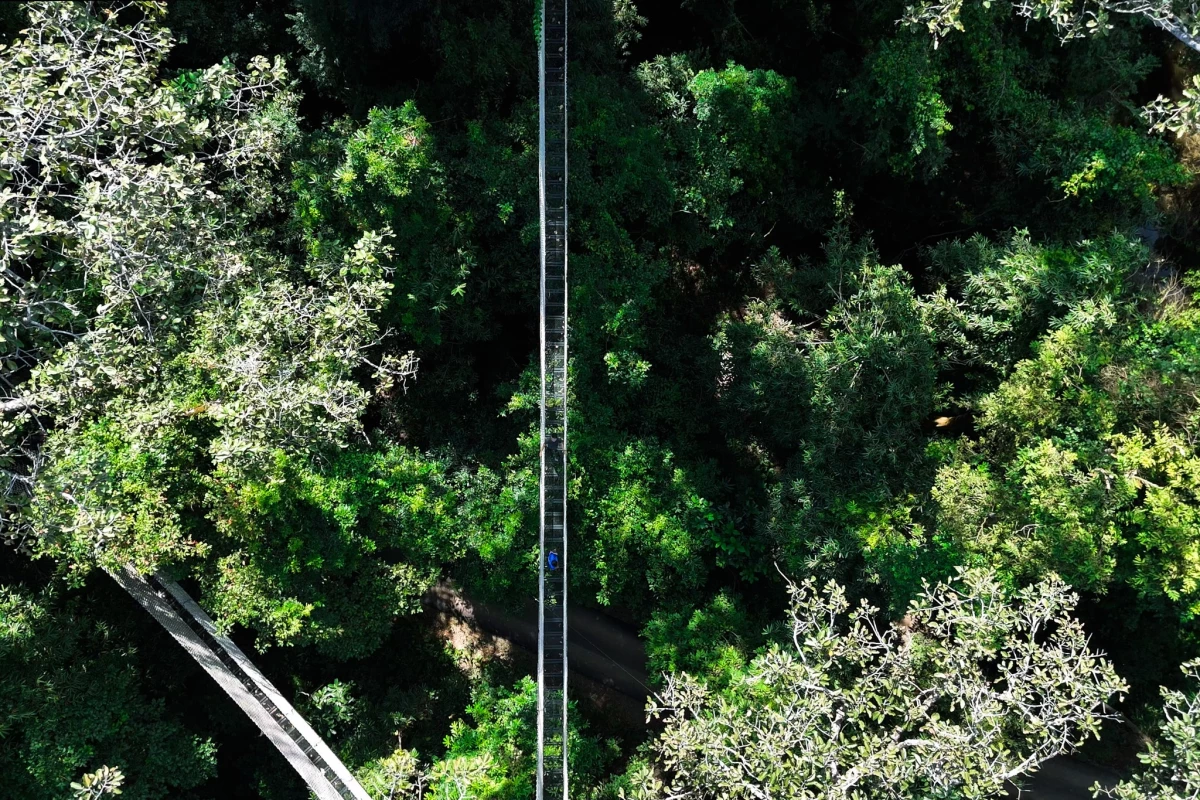
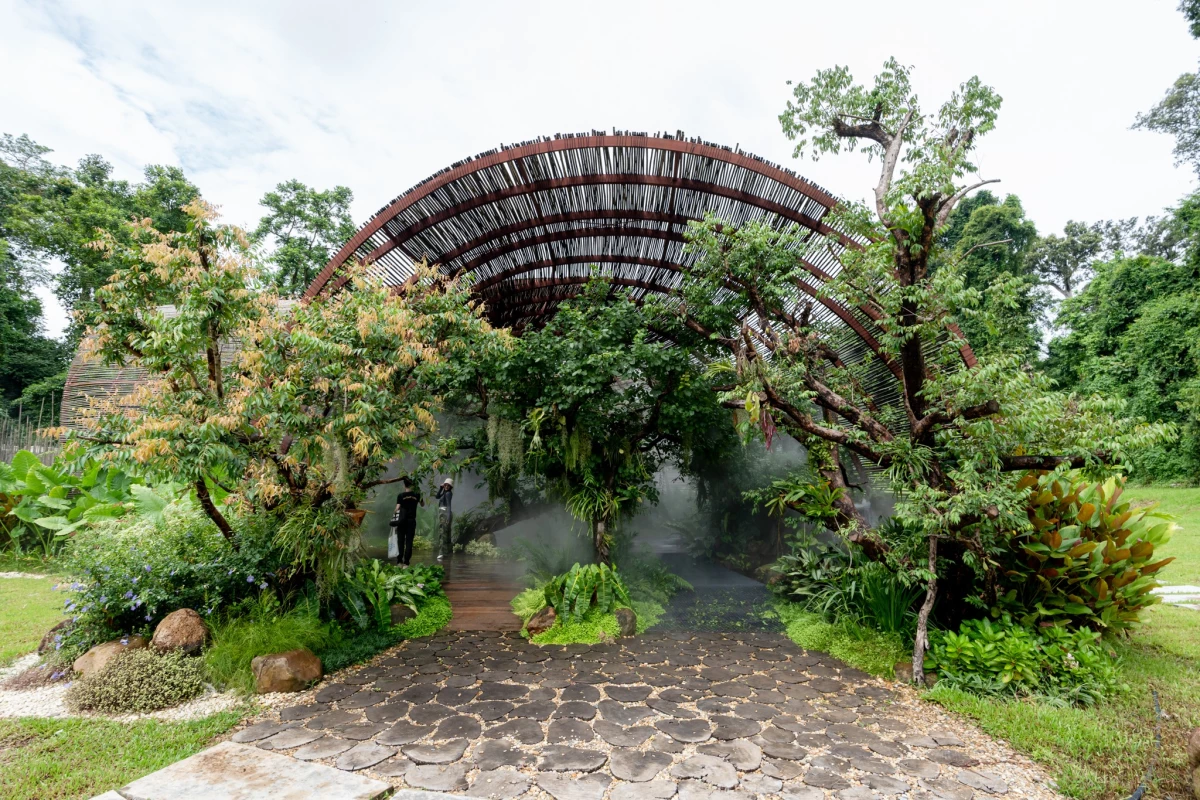
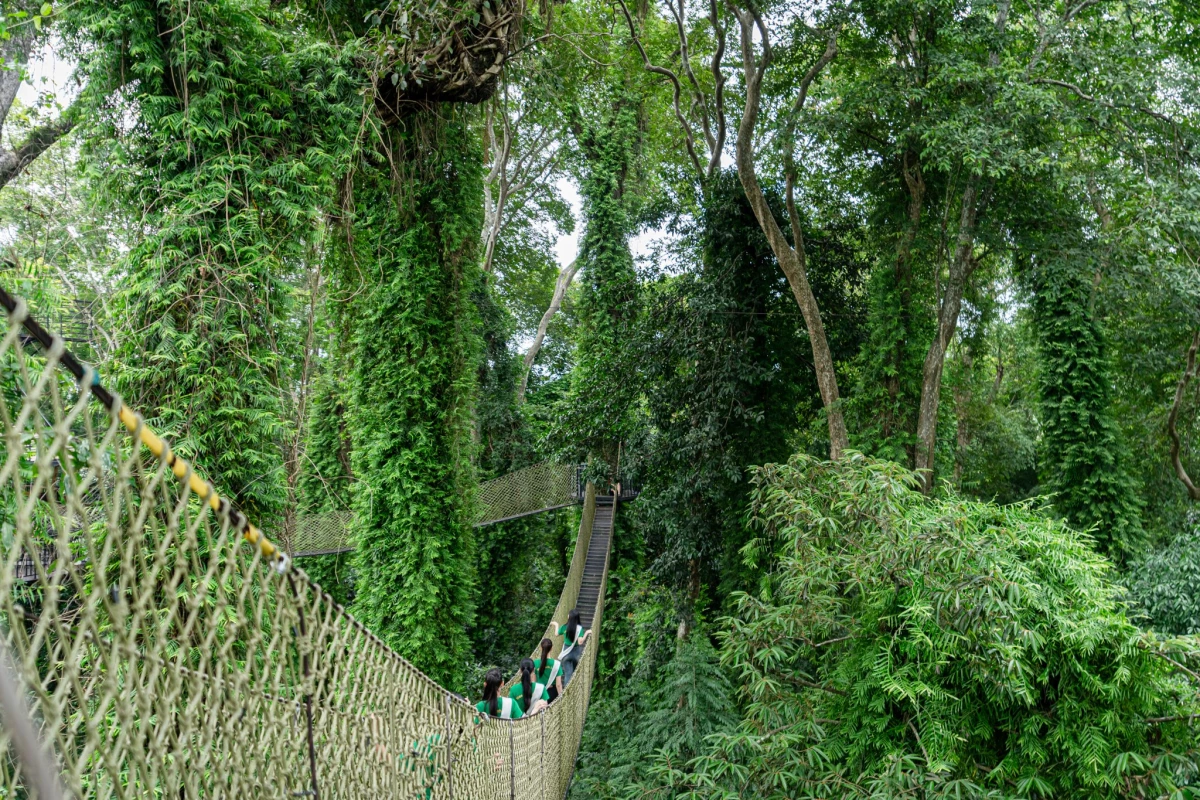
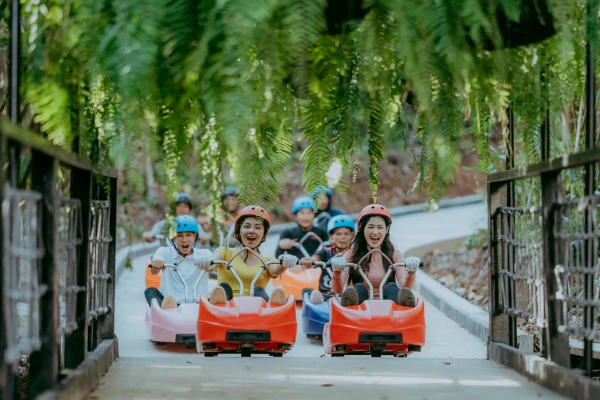
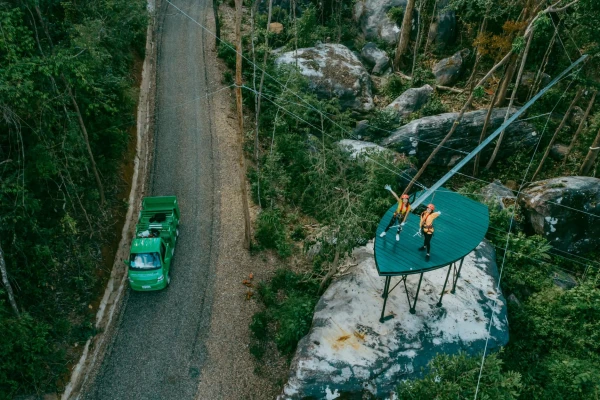
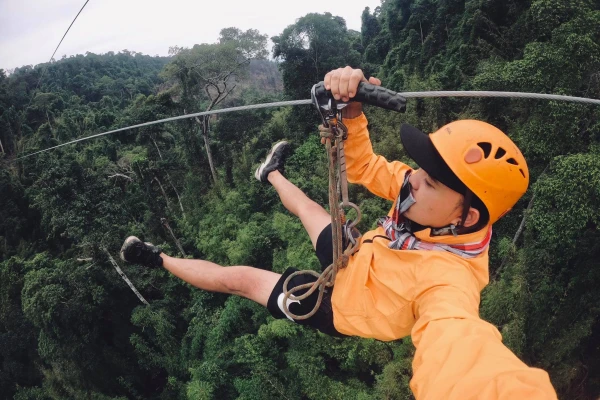
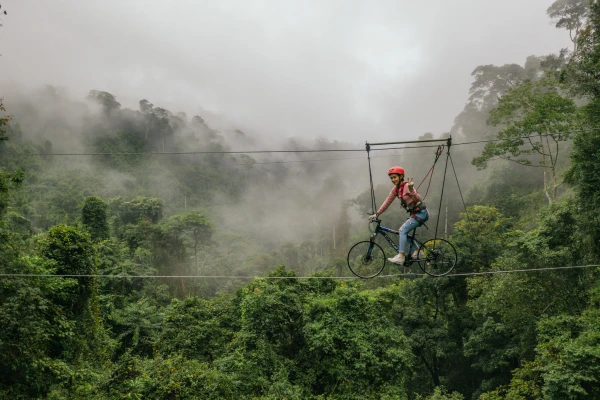
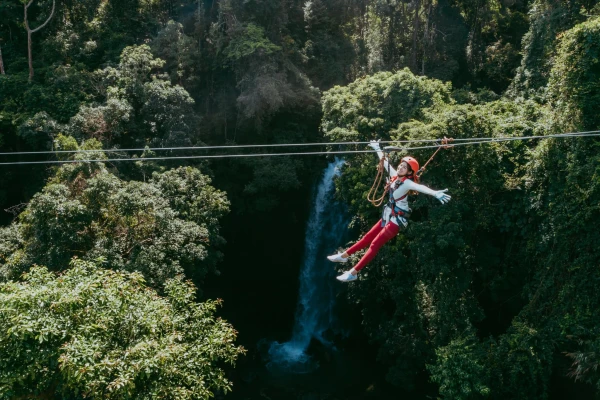
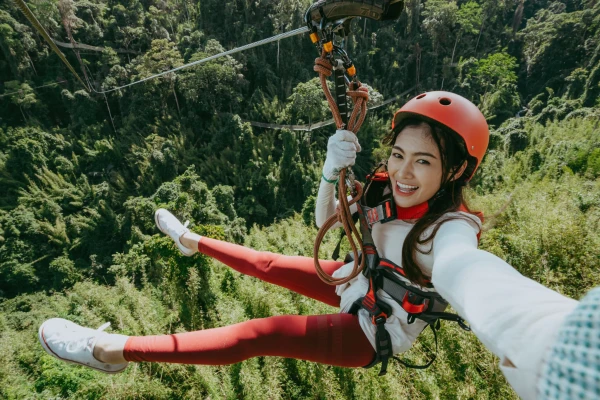
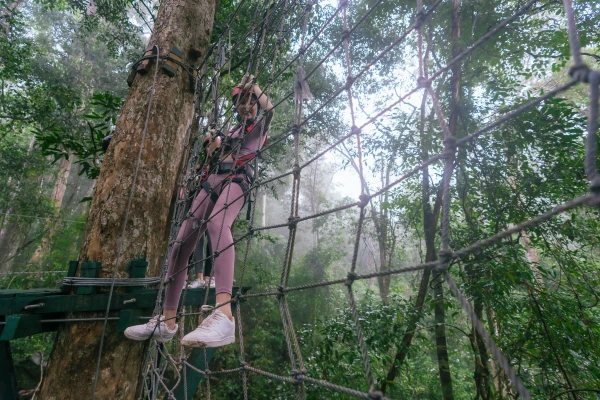
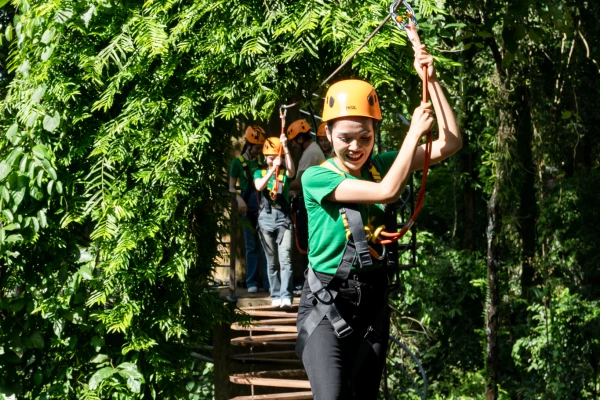
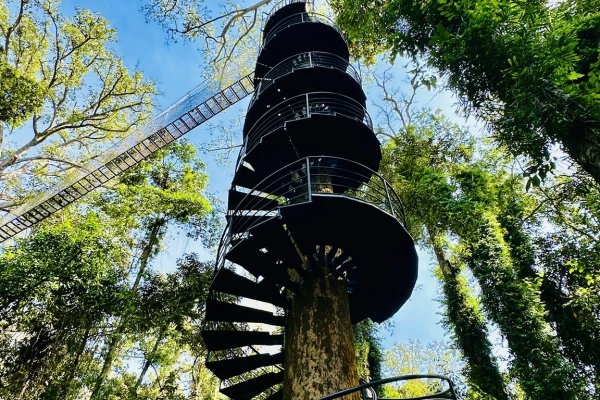
La Forêt is an ideal destination for nature enthusiasts and adventure seekers alike. Nestled within lush forests, it provides a perfect escape from the hustle and bustle of everyday life. Whether you're looking to challenge yourself with thrilling zipline courses or relax in the tranquil setting of the Treehouse Café high above the forest floor, La Forêt offers something for everyone.
For corporate groups, La Forêt’s unique combination of outdoor activities and serene surroundings fosters team bonding and rejuvenation, creating the perfect setting for productive retreats. After a day of exploration, guests can unwind with a delightful lunch at the renowned Khop Chai Deu, savoring local flavors while surrounded by nature’s beauty.
With a focus on well-being and connection to the natural environment, La Forêt’s experiences go beyond simple adventure they offer rejuvenation for both body and mind. From peaceful forest walks to exhilarating rope courses, visitors will leave feeling refreshed, inspired, and more connected to nature.
Explore this destination with an electric vehicle: Electric Car Rental in Vientiane.
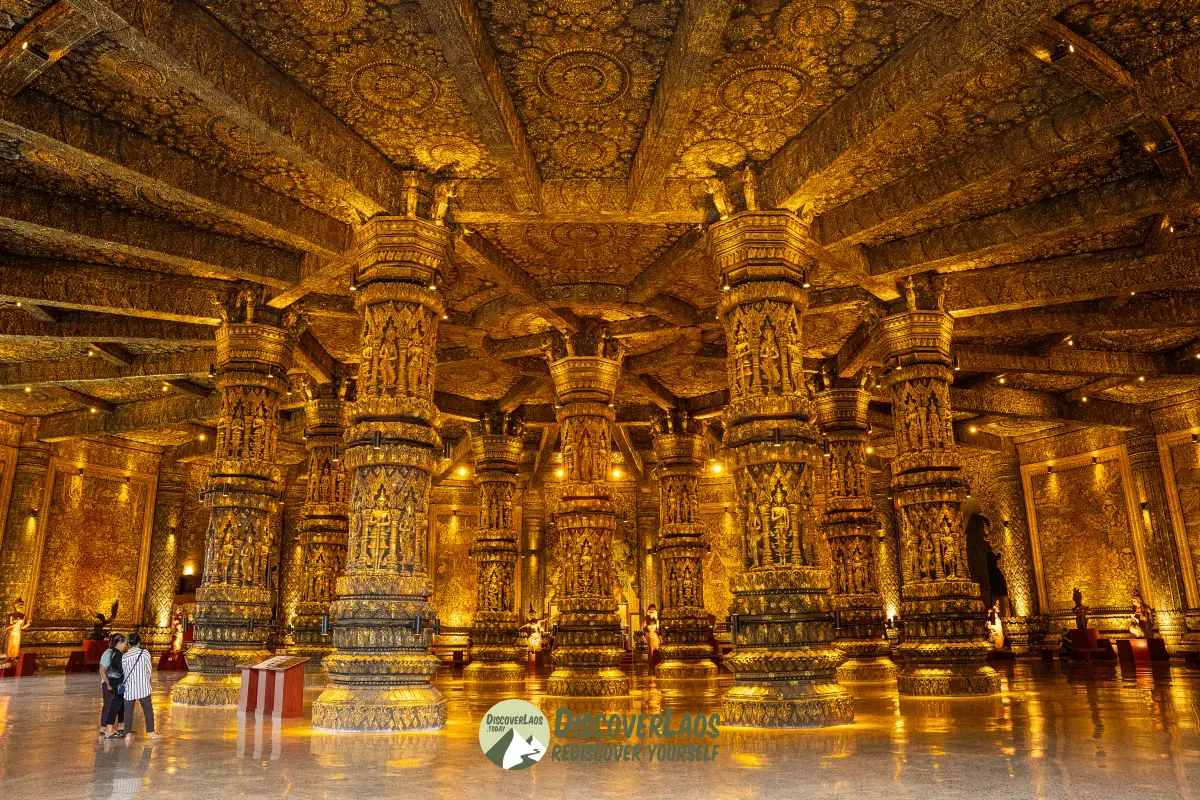
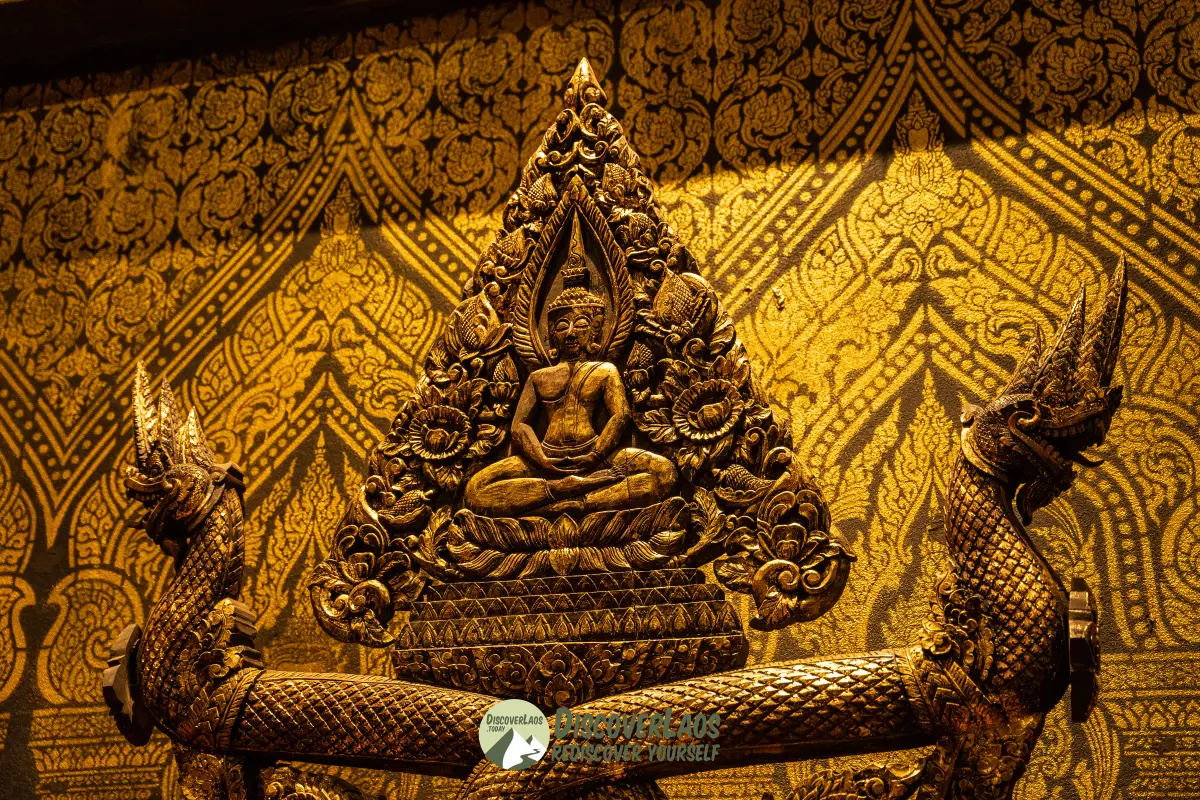
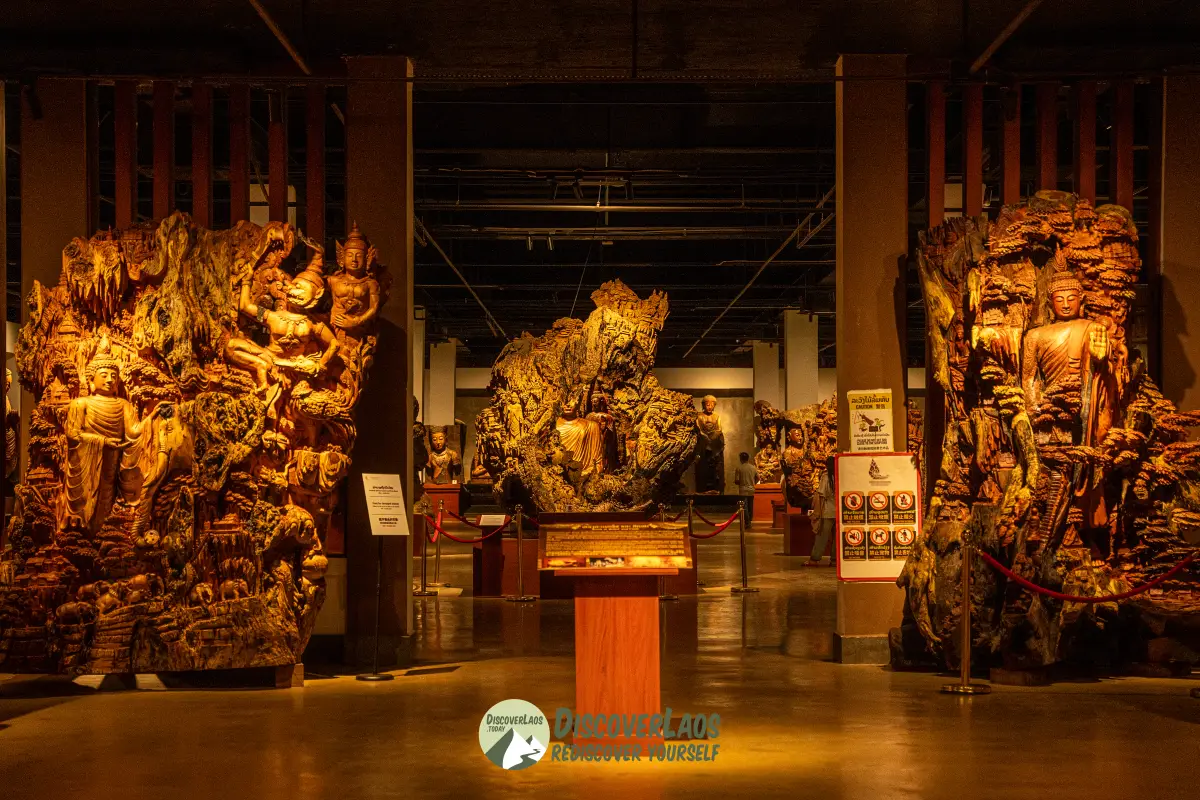
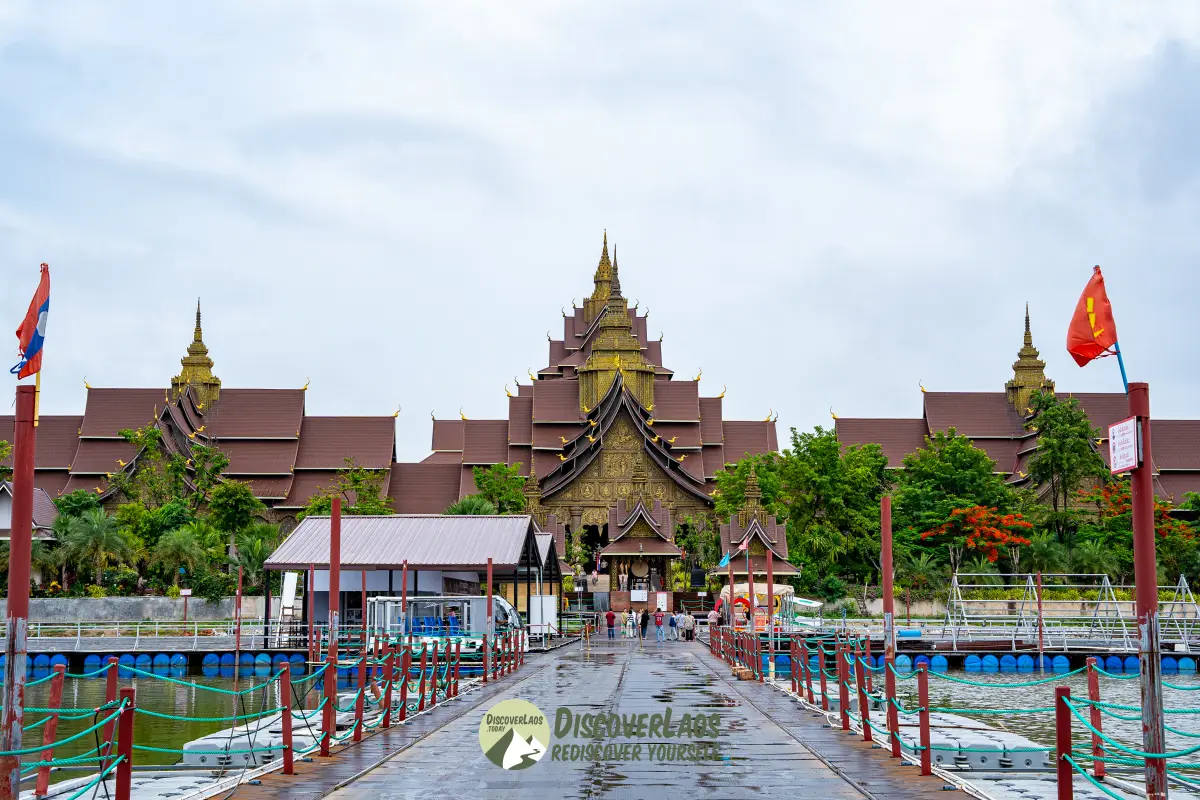
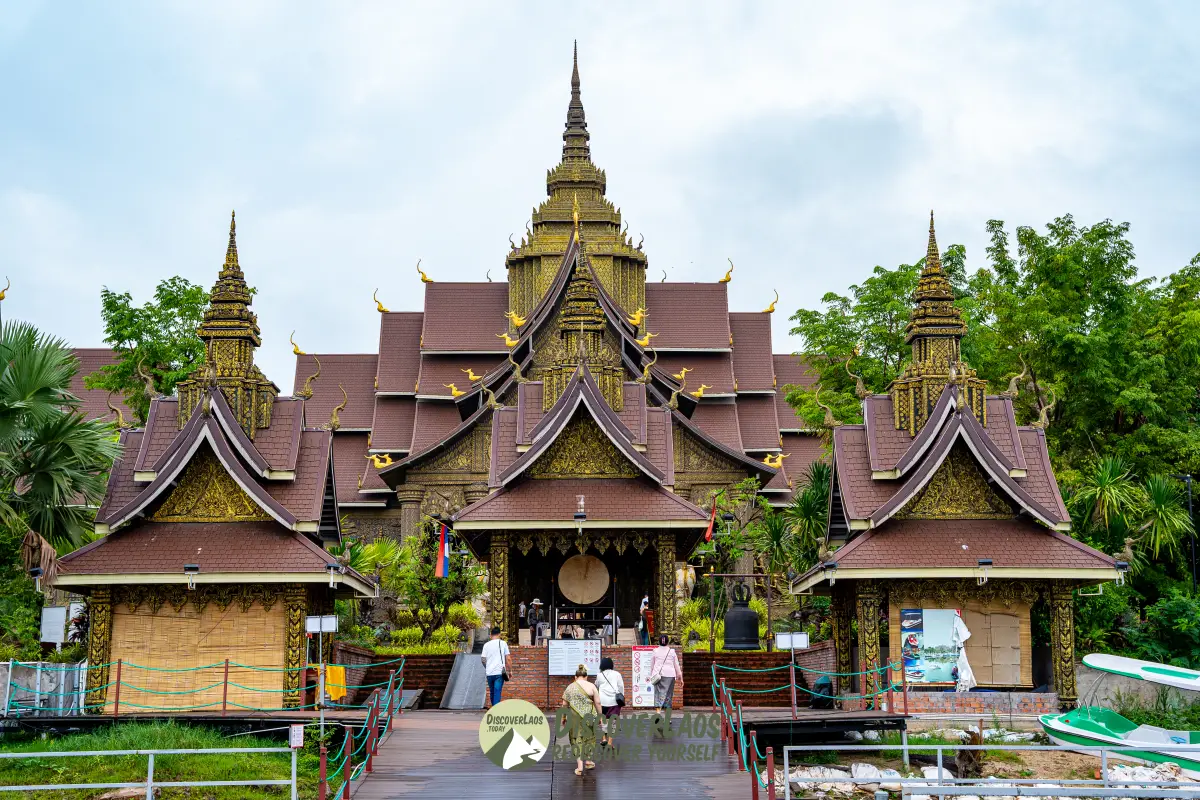
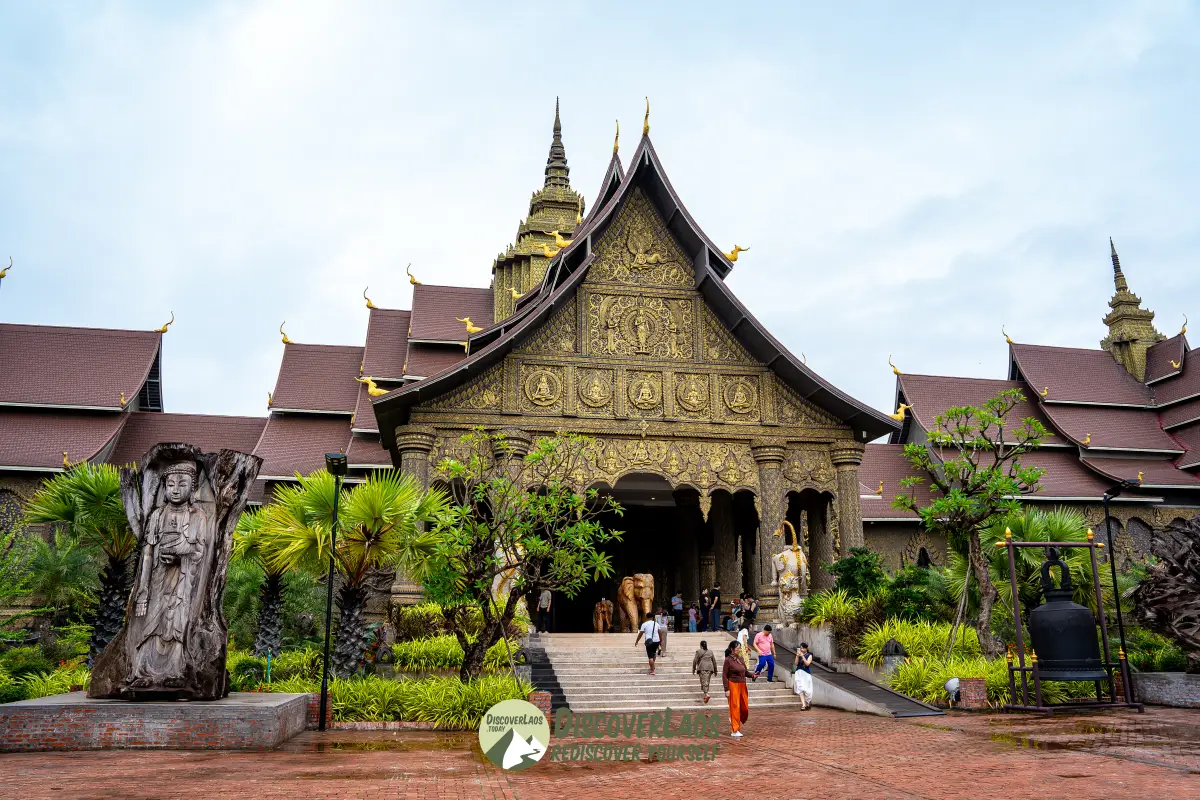
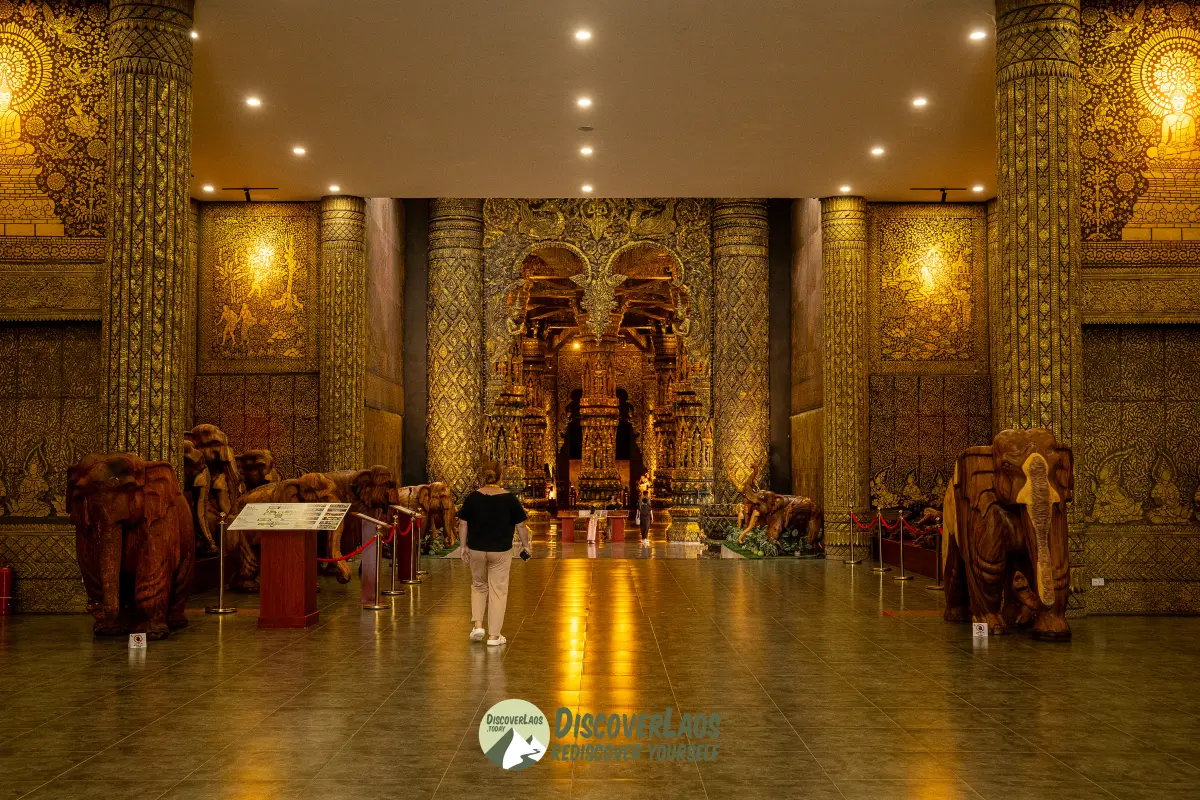
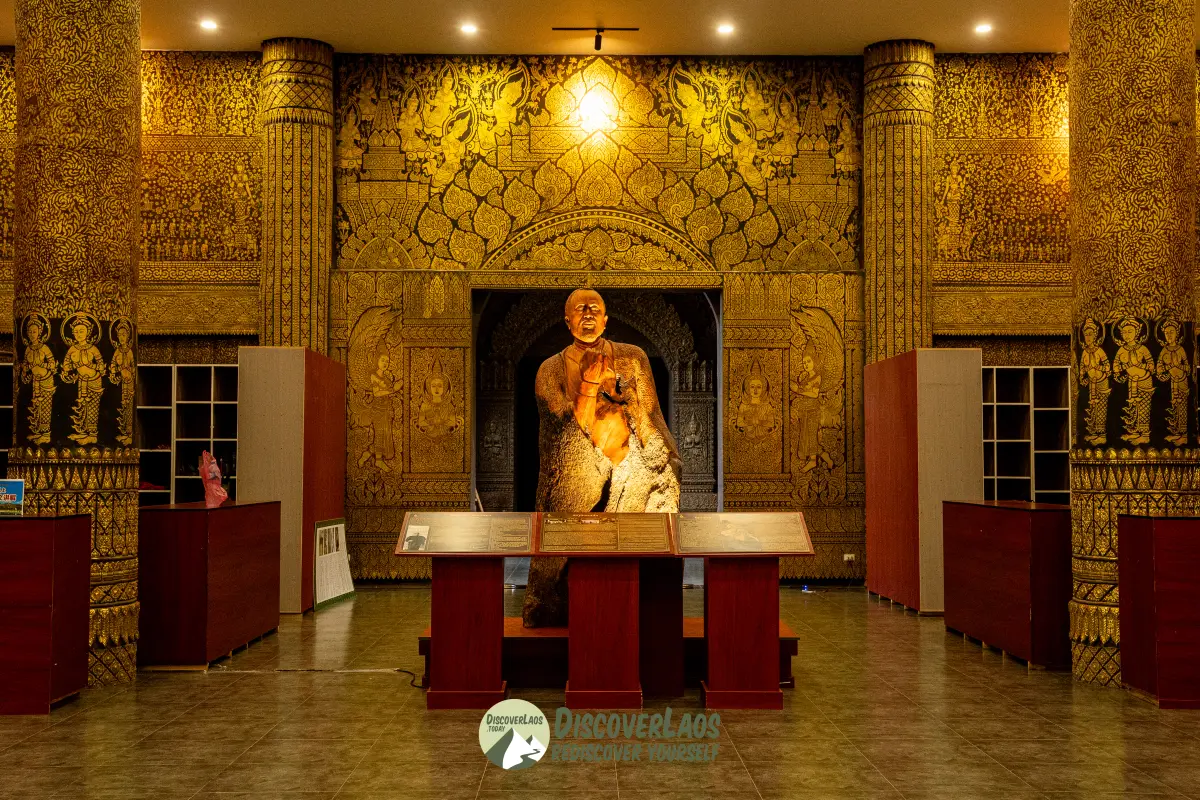
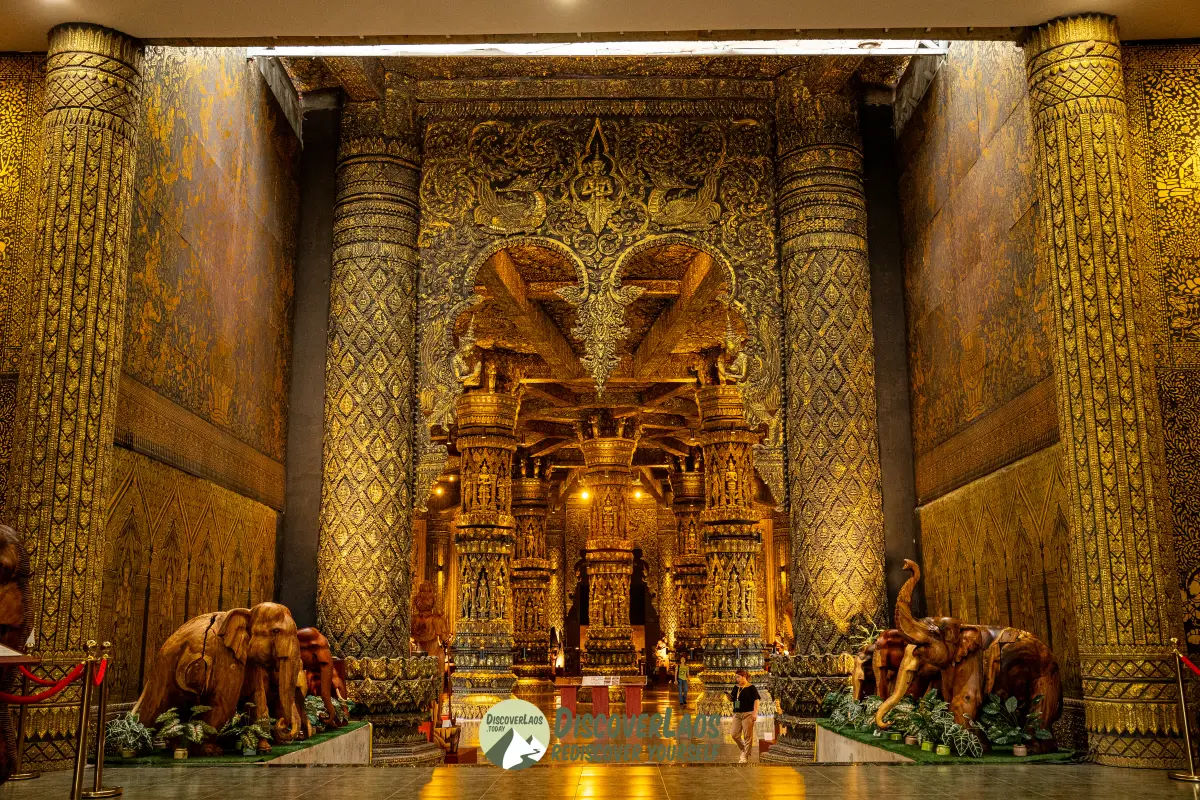
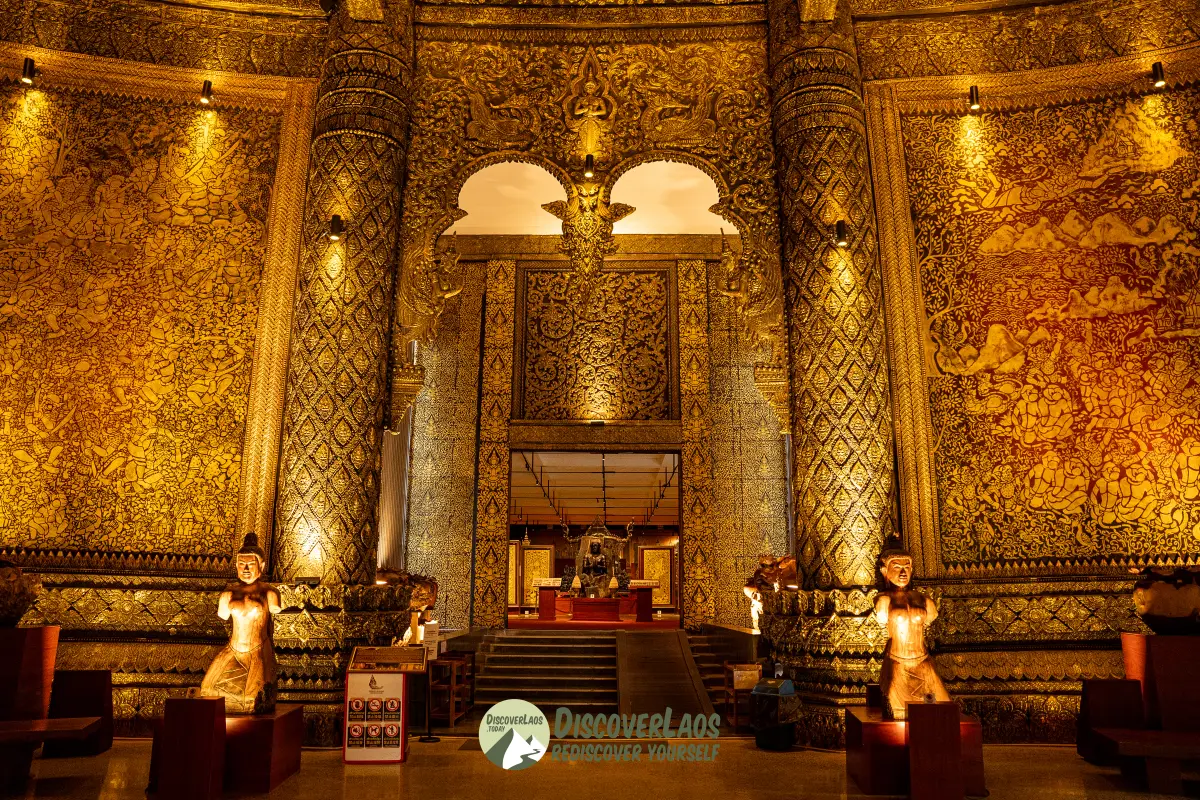
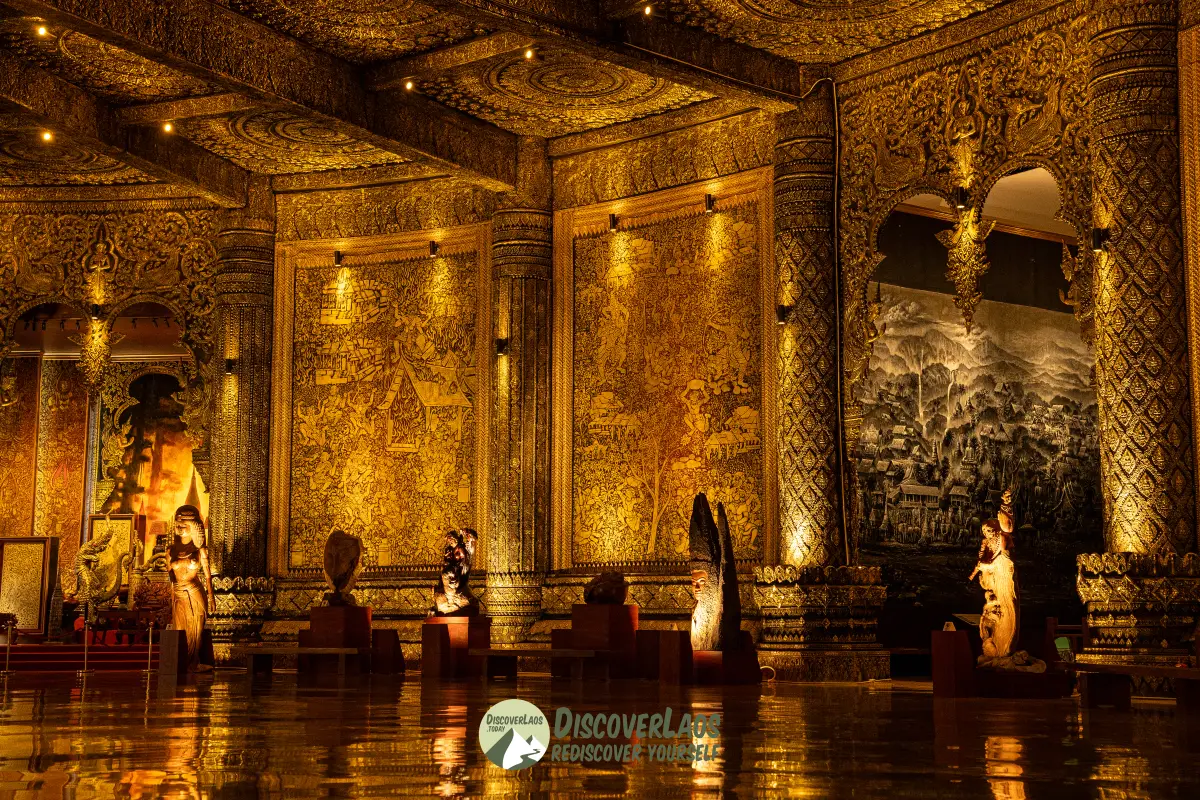
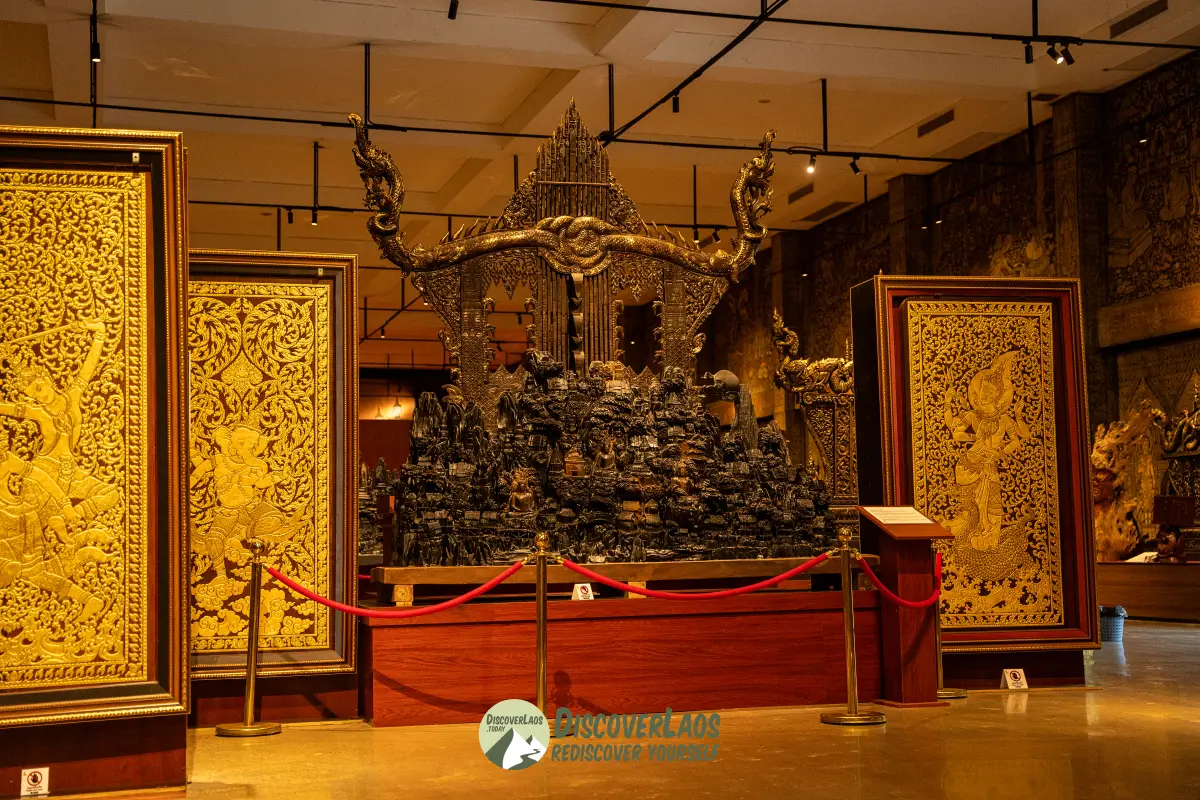
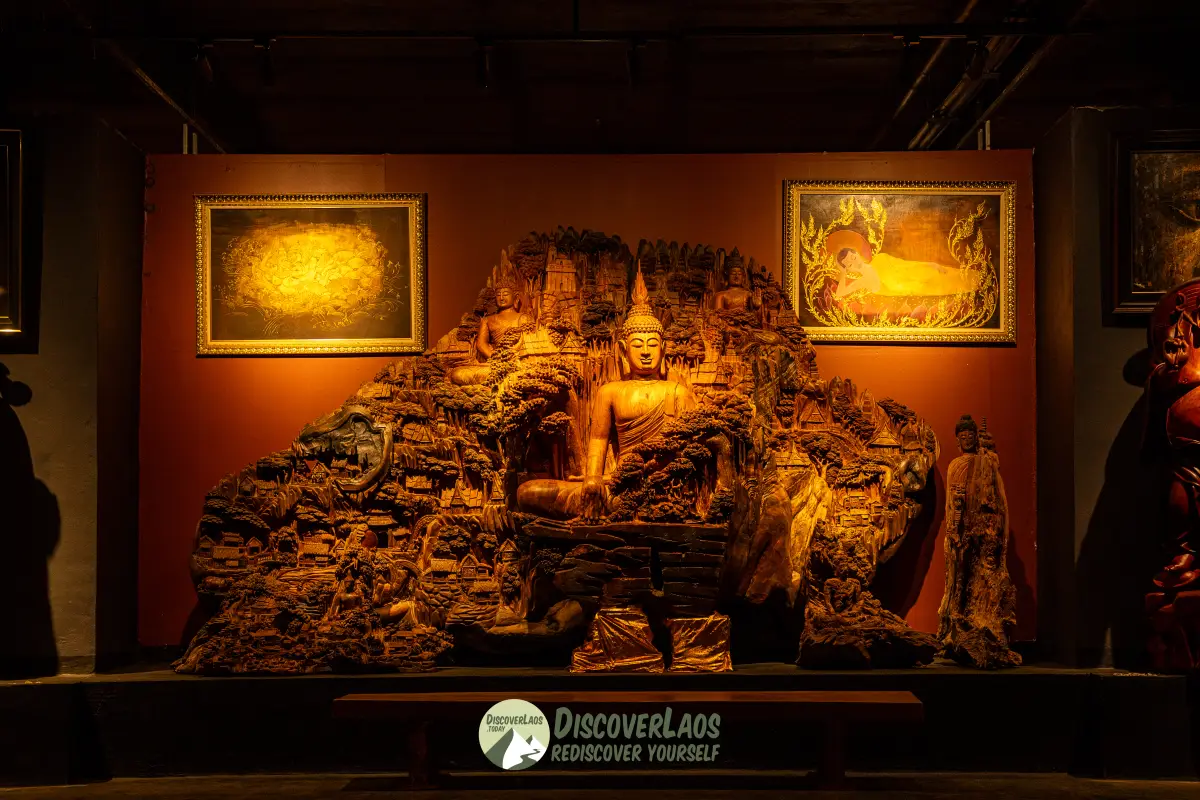
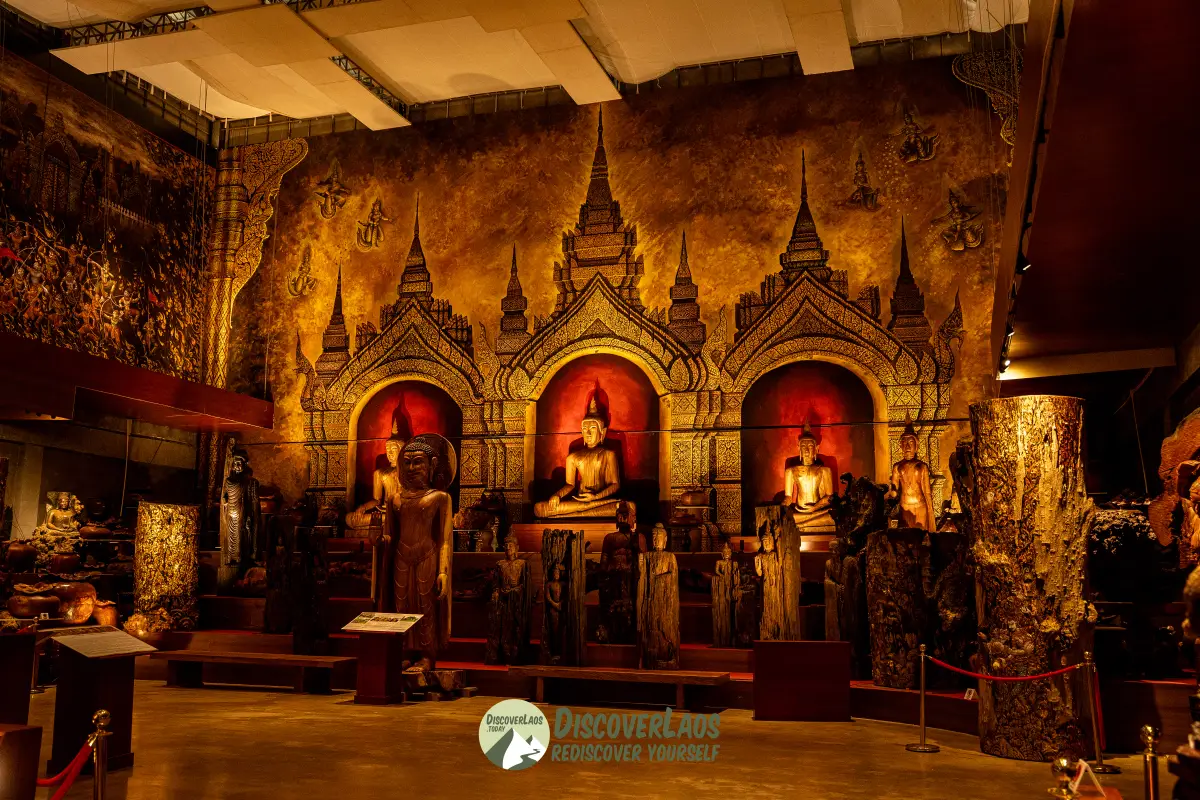
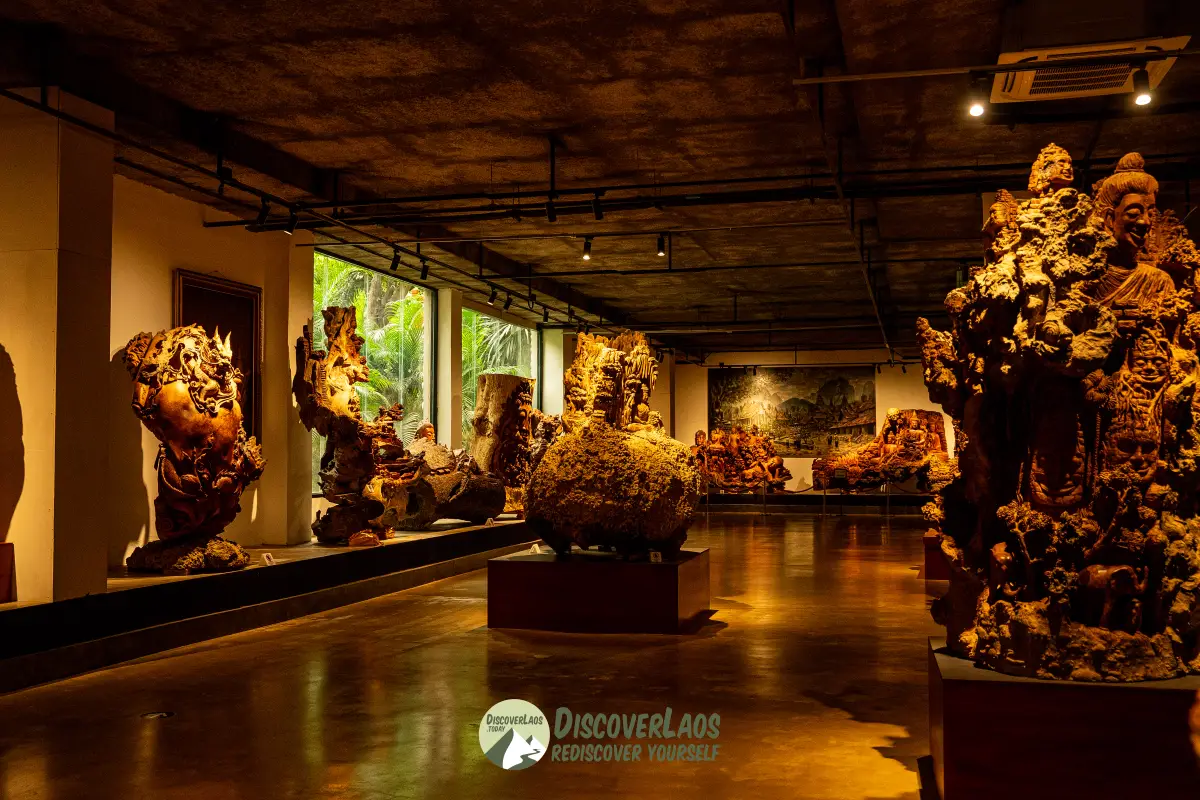
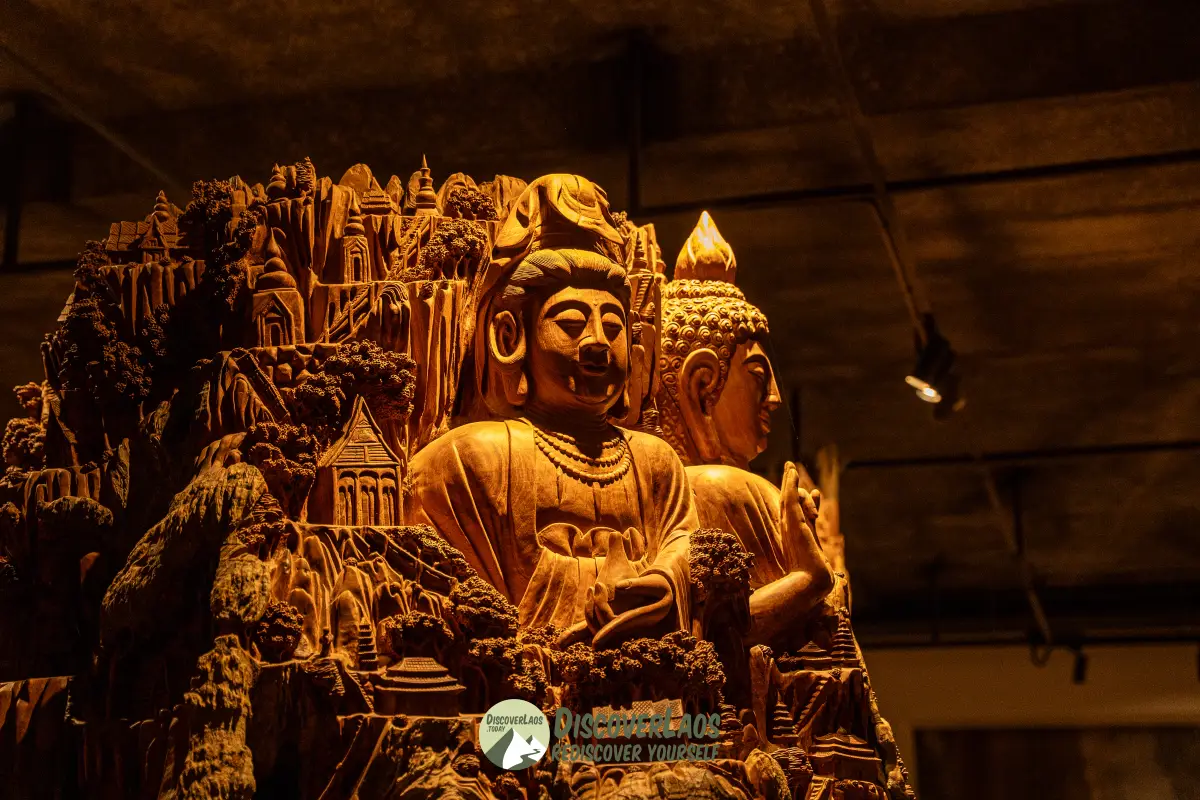
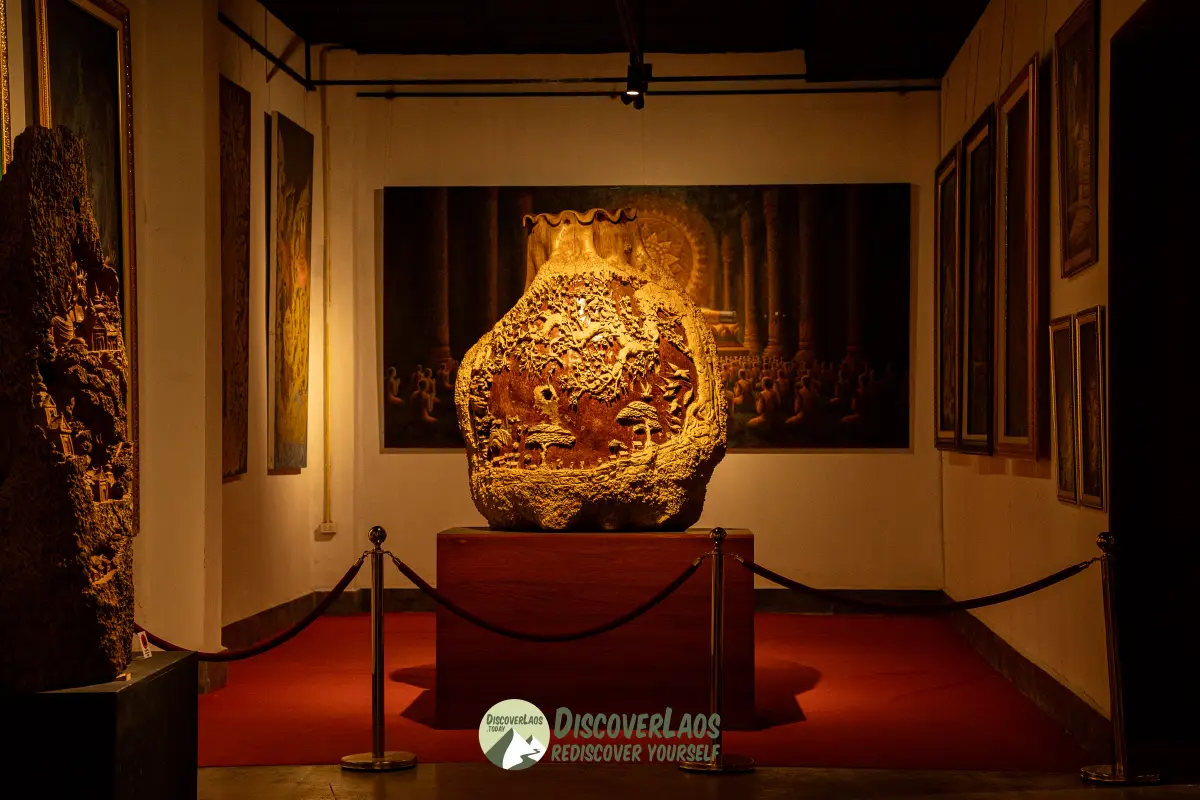
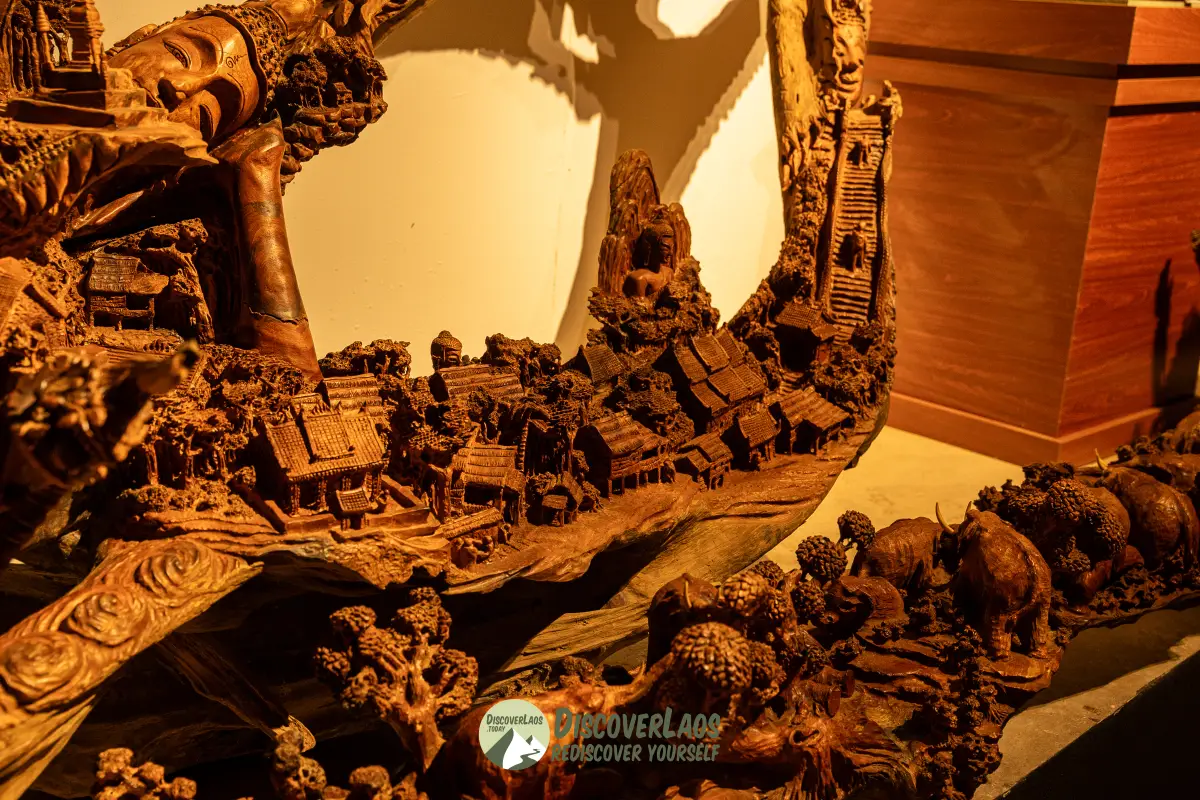
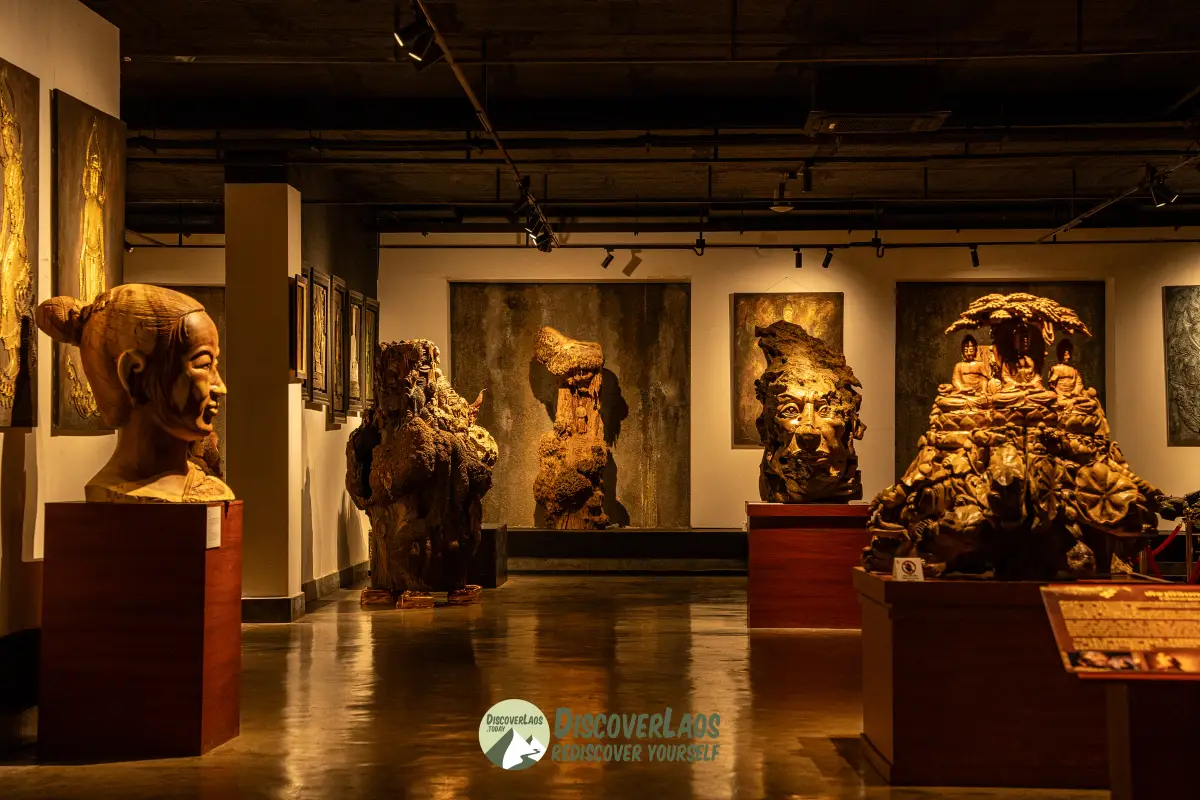
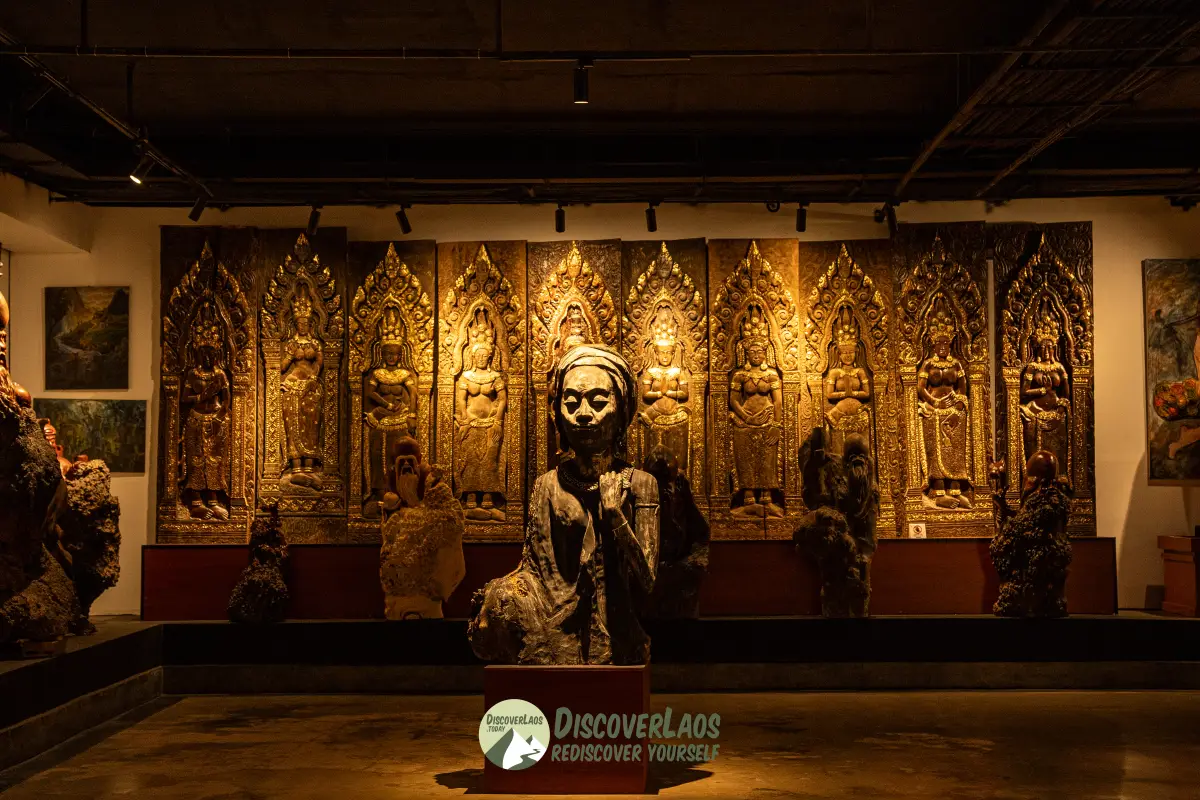
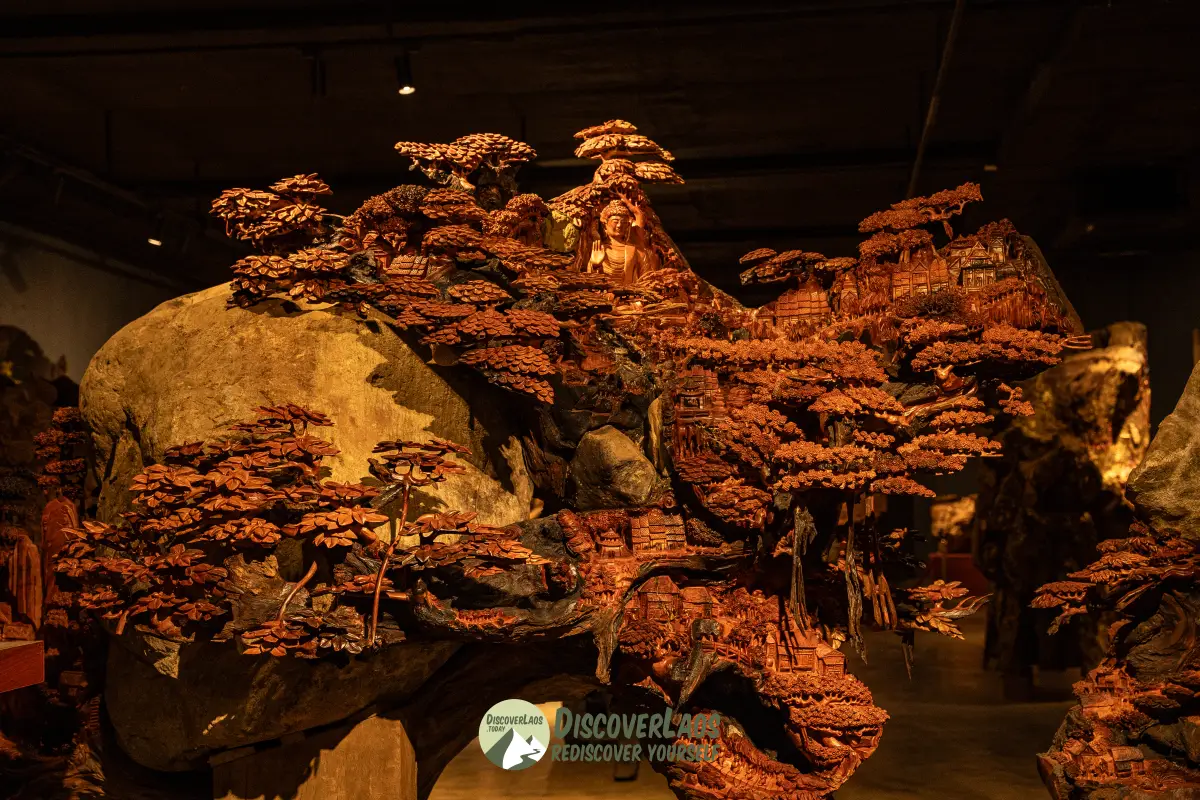
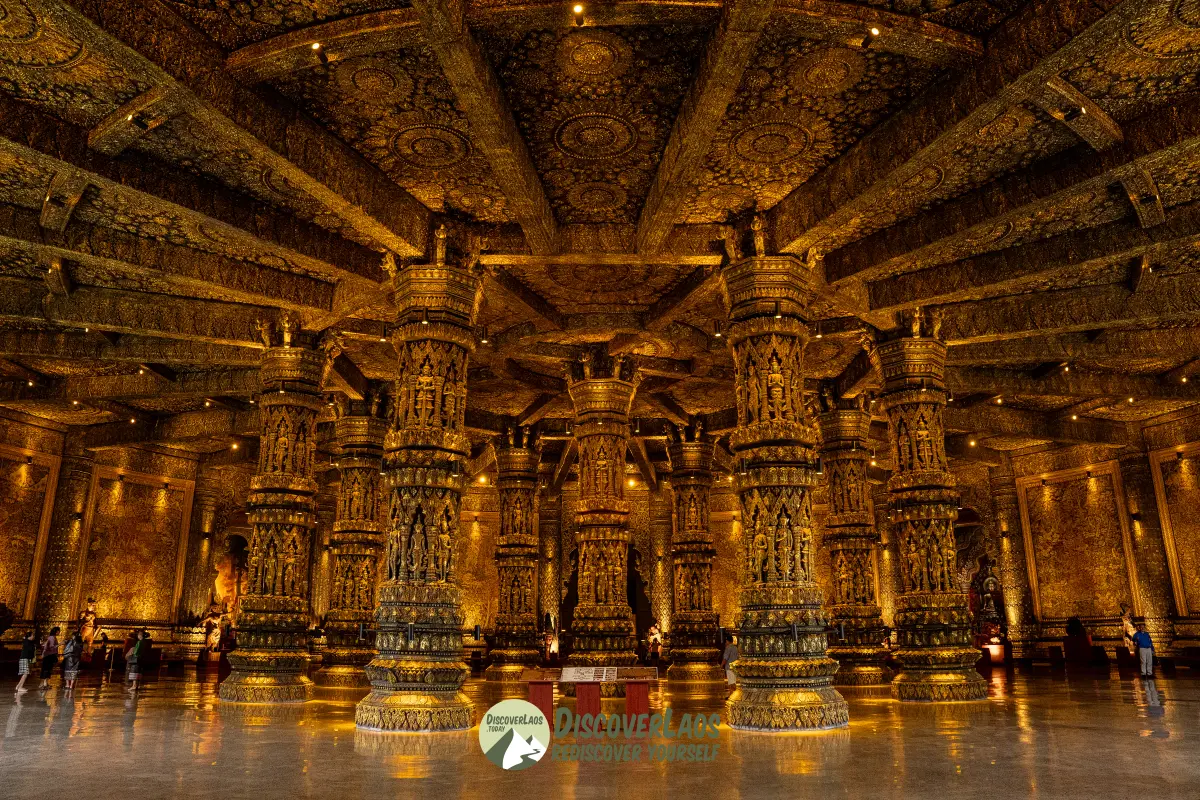
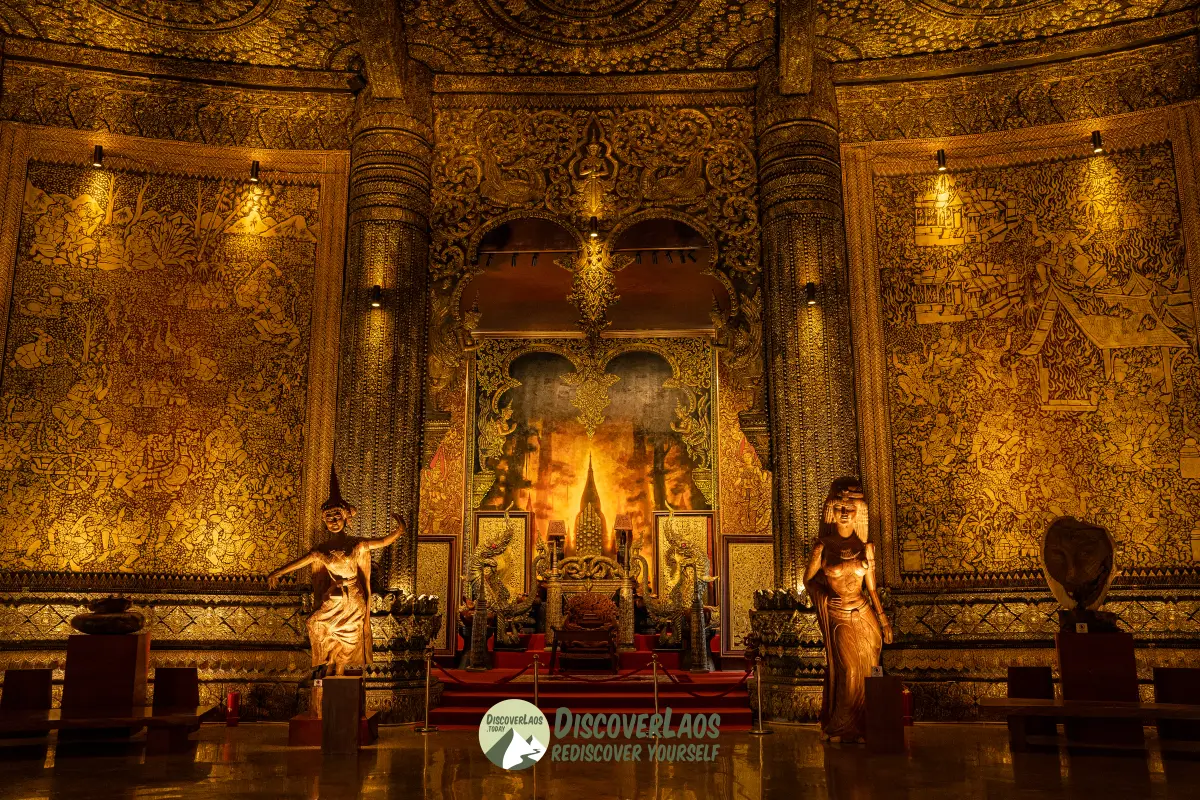
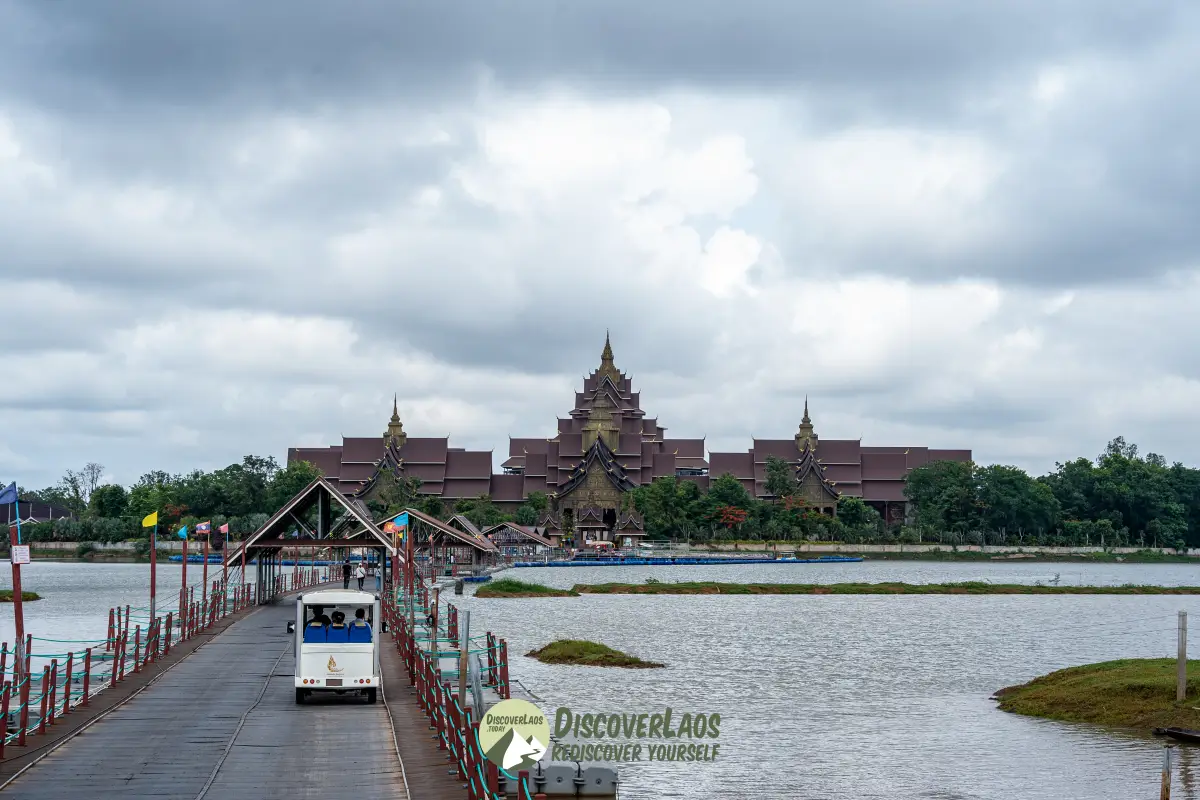
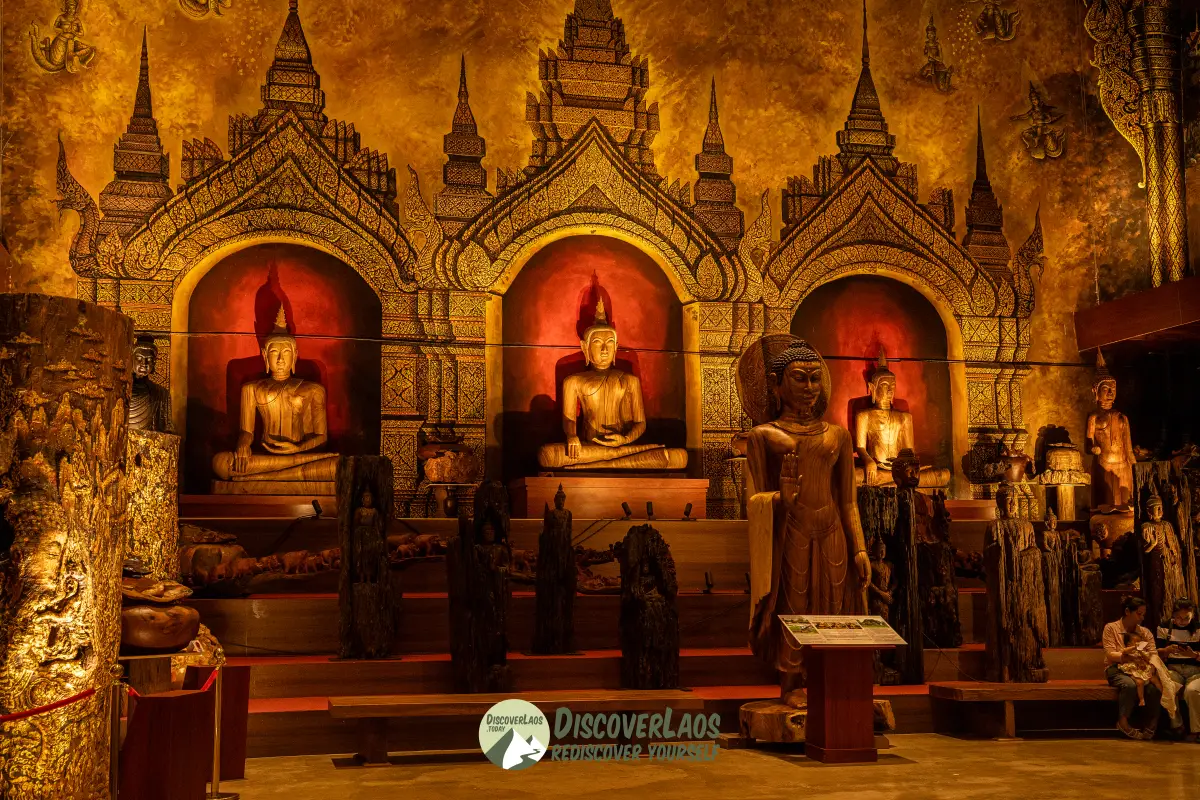
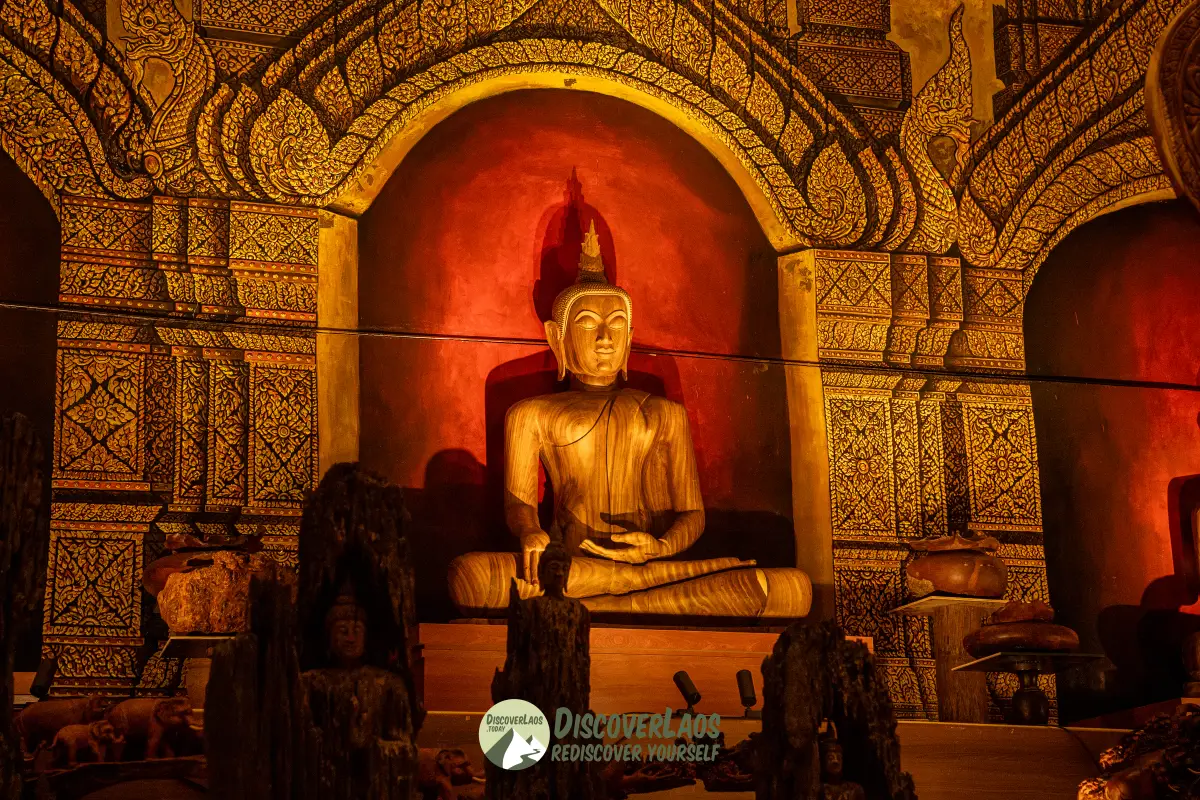
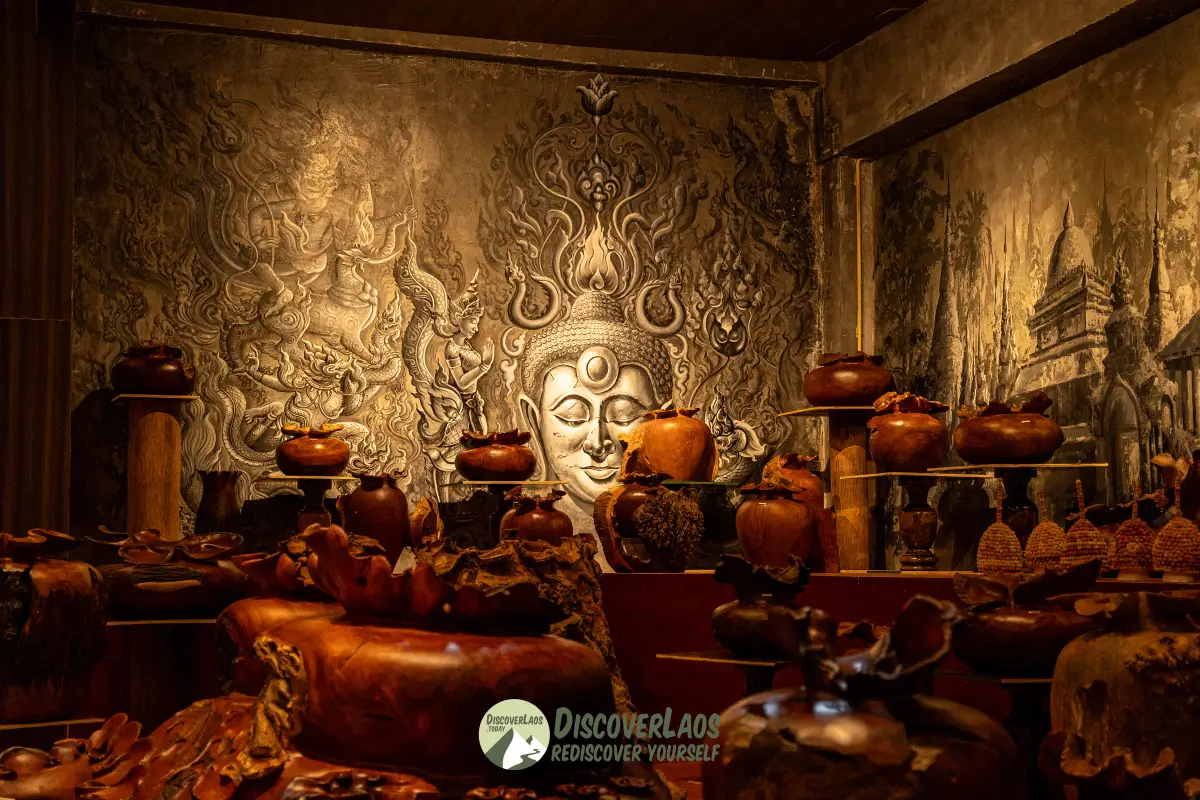
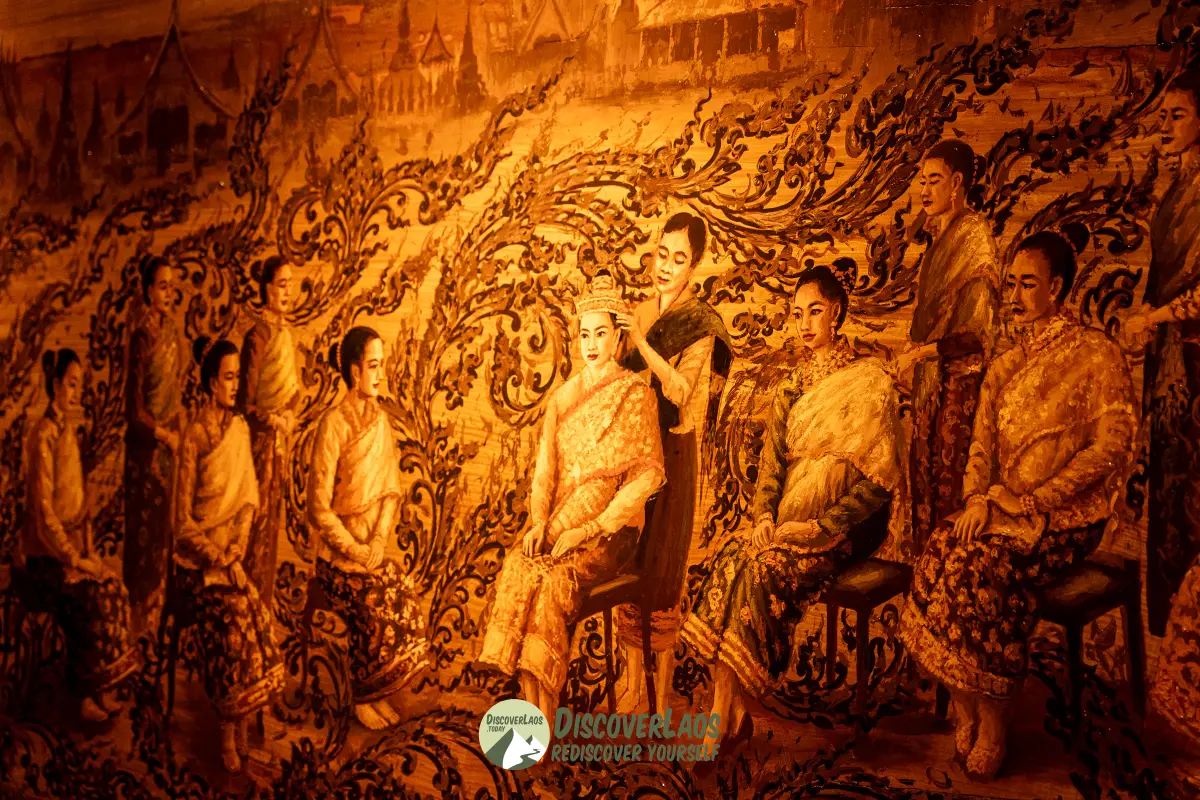
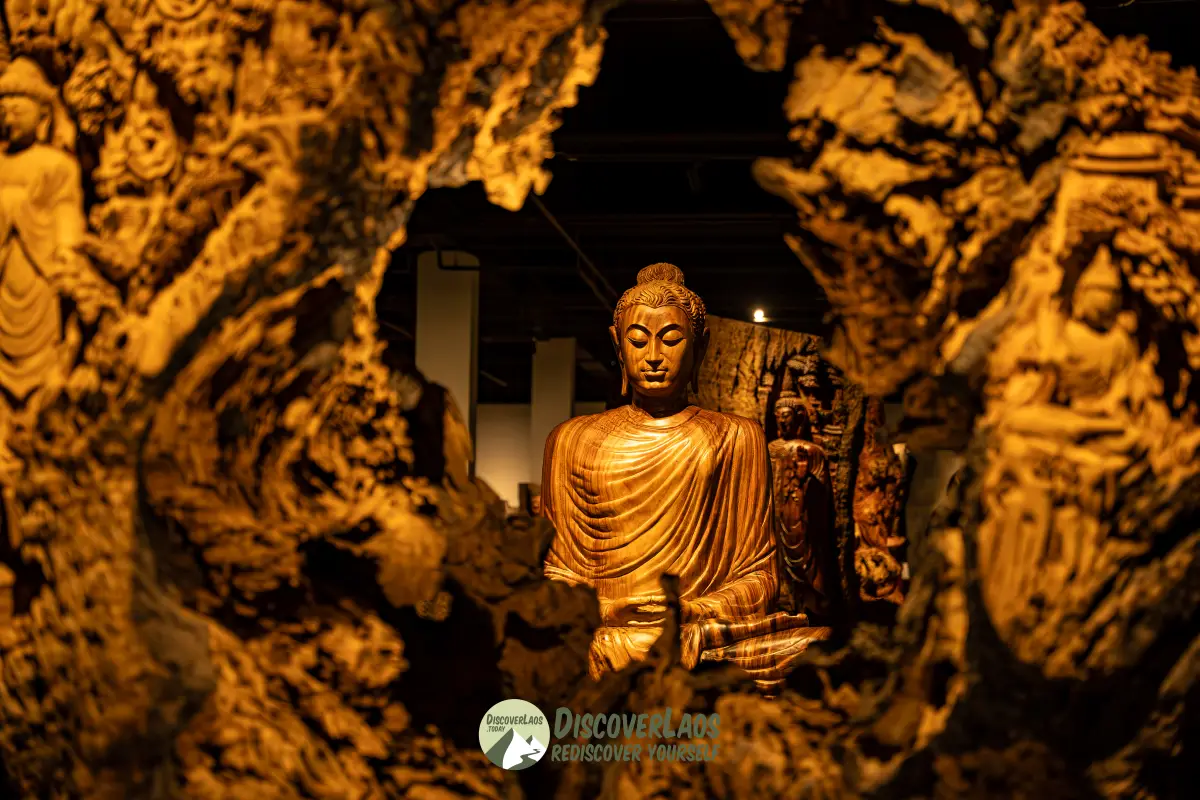
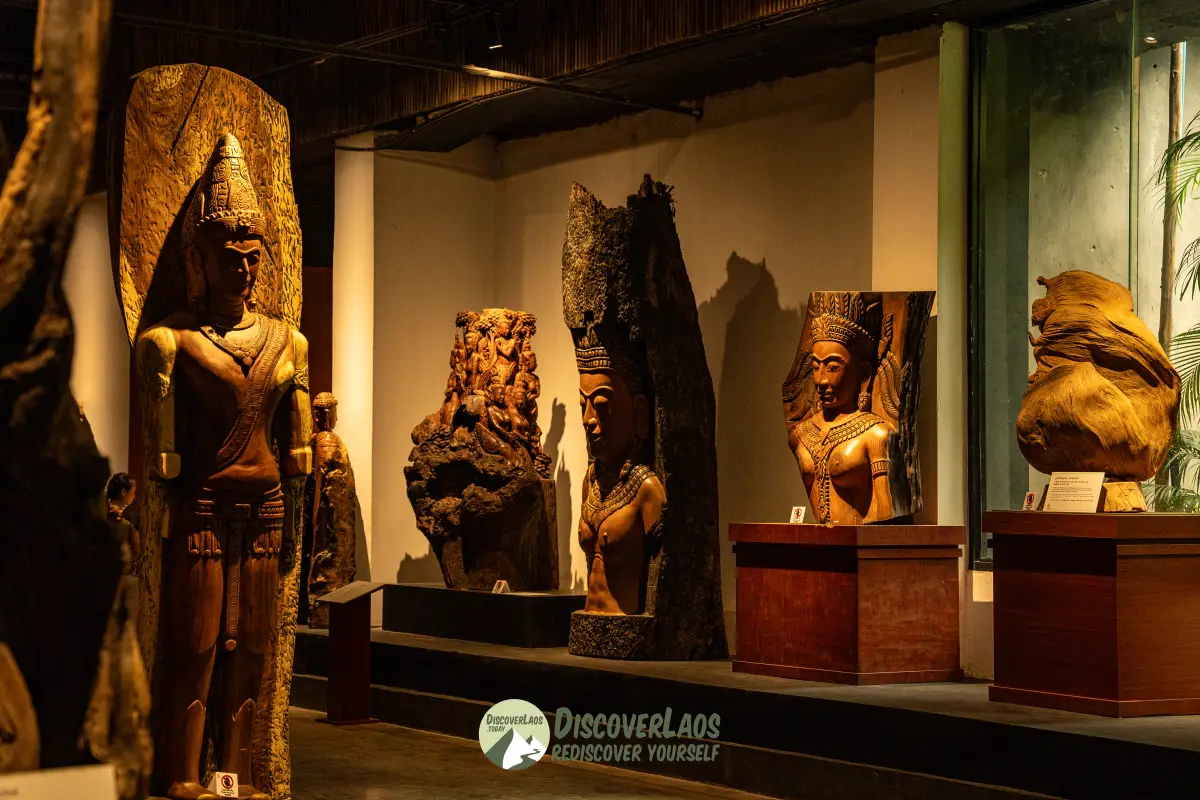
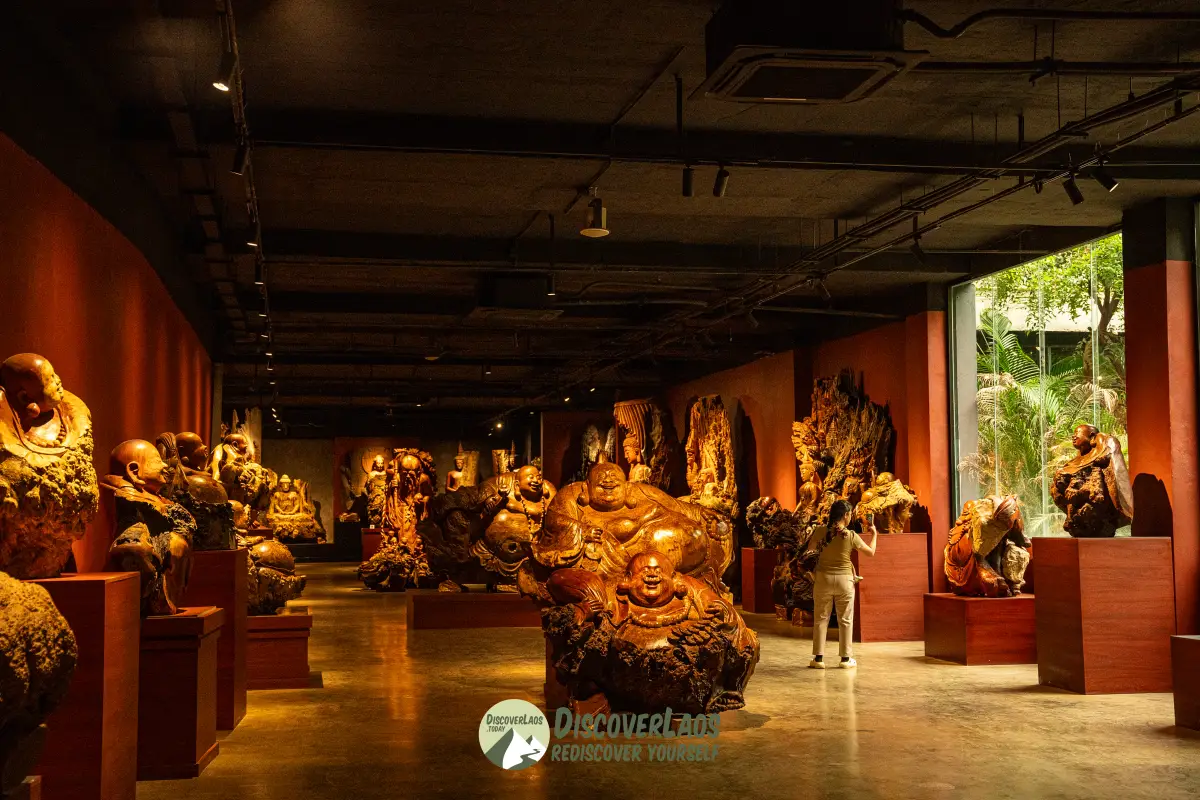
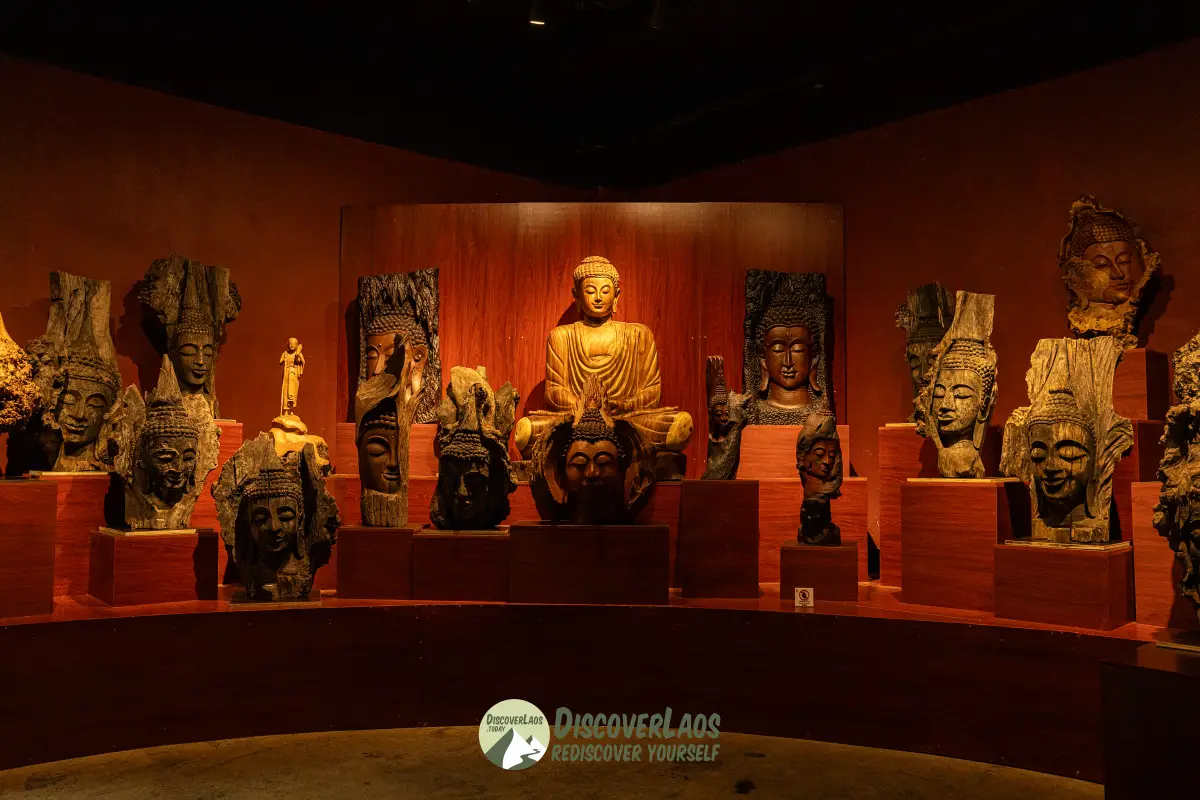
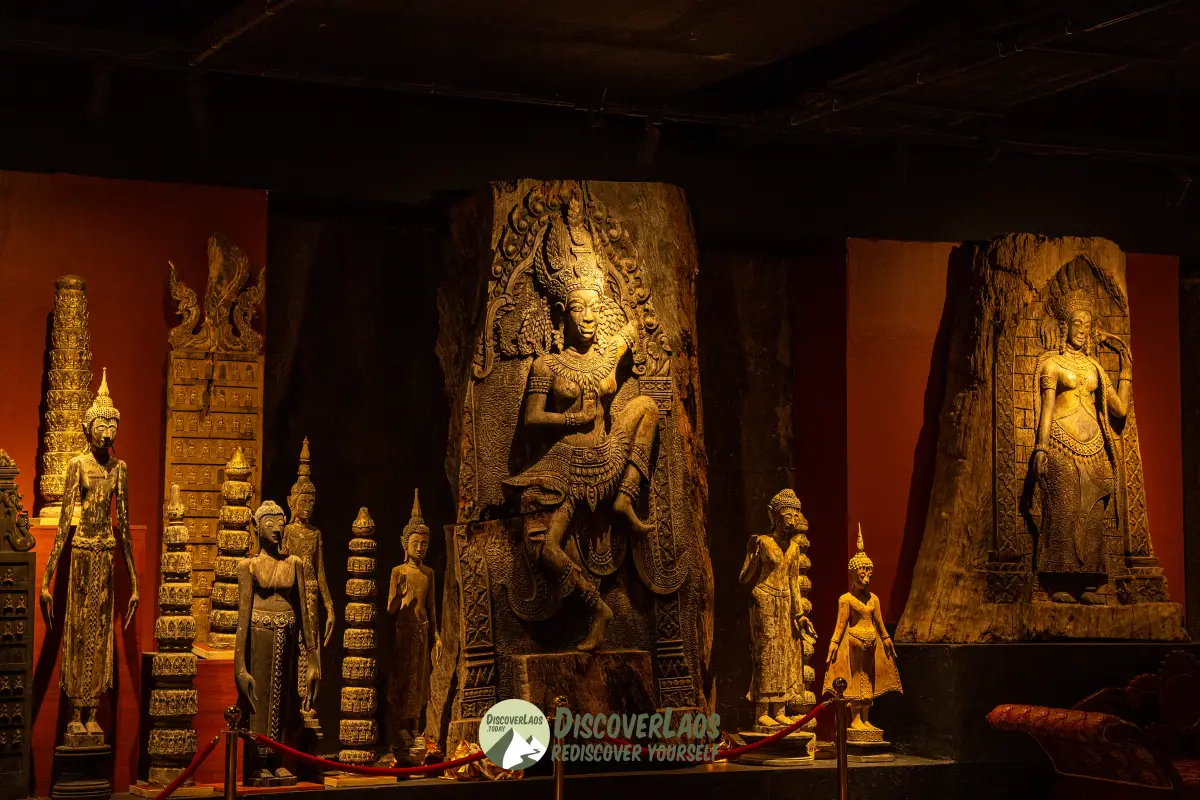
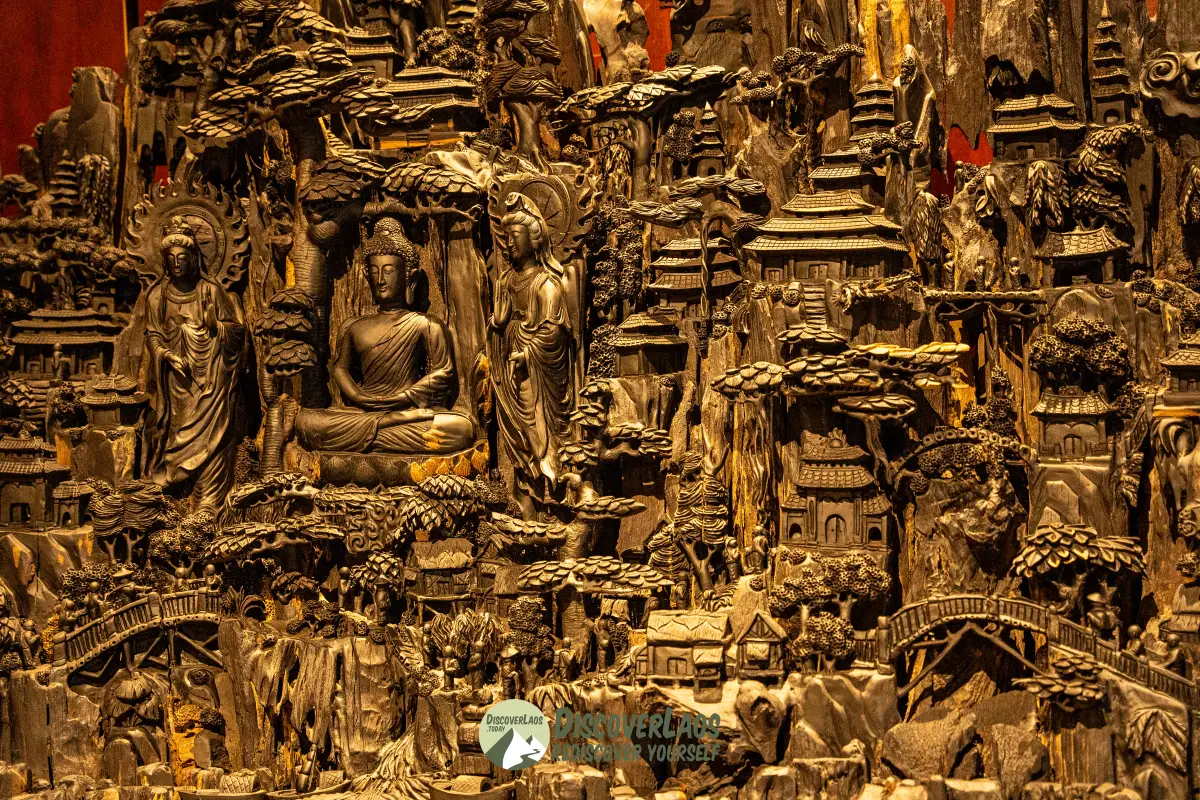
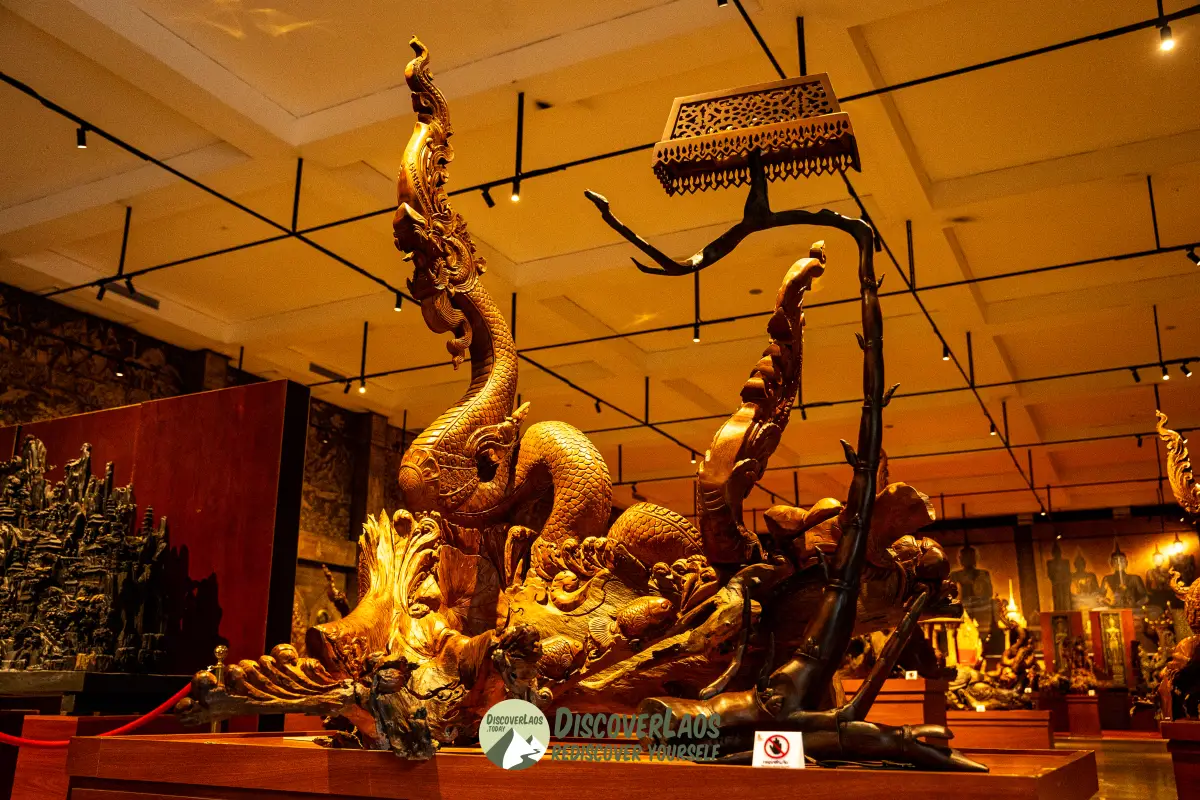
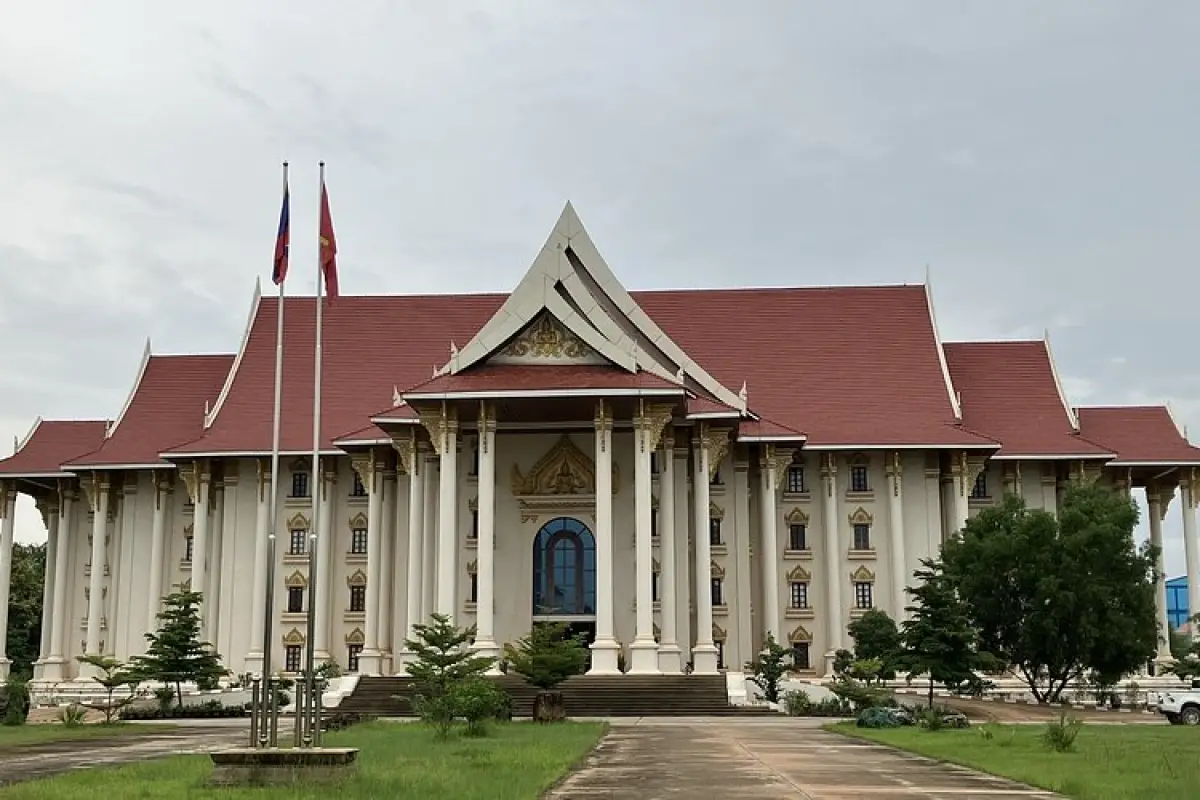
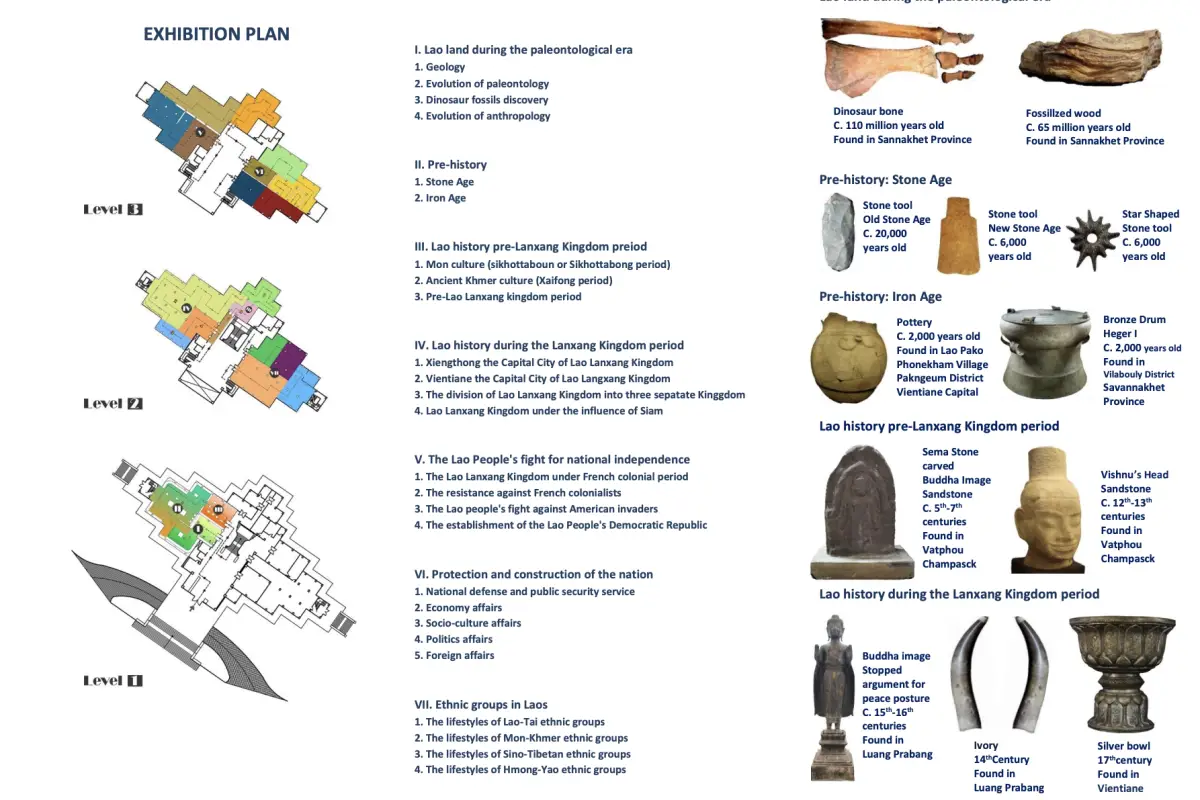
The Lao Art Museum in Vientiane is a newly established landmark dedicated to celebrating and preserving the rich artistic and cultural heritage of Laos. Designed to be more than just a traditional museum, this vibrant space offers visitors an immersive experience where they can explore exquisite wood carvings, traditional paintings, and uniquely crafted Lao products. The museum serves as a hub for both art appreciation and cultural education, making it an ideal stop for history enthusiasts, artists, and travelers alike.
Housed within an impressive exhibition building, the museum showcases a diverse collection of handcrafted artworks, sculptures, and traditional textiles, reflecting the deep artistic roots of Lao culture. Visitors can learn about the techniques and history behind these creations while gaining insight into the country’s evolving art scene.
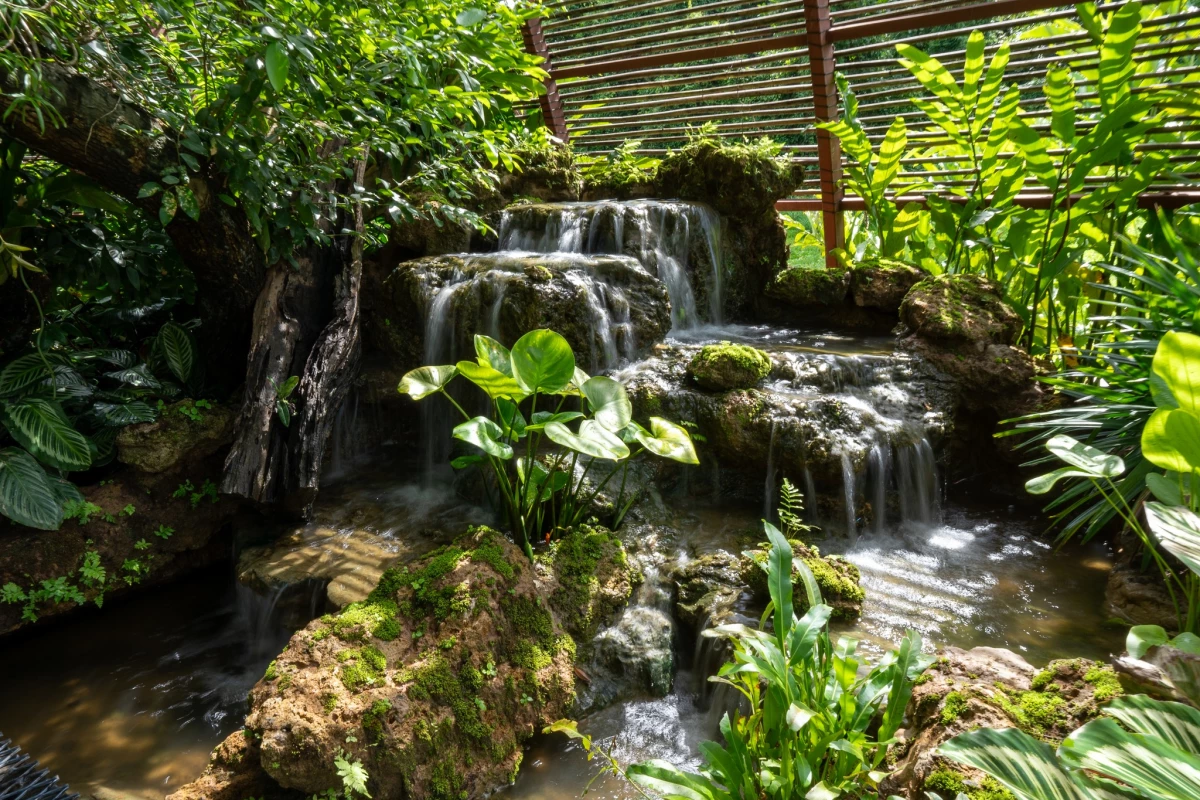
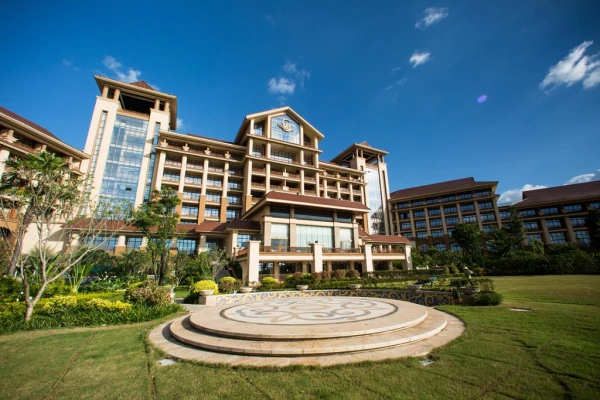
Beyond its exhibitions, the Lao Art Museum provides a complete cultural and leisure experience. Guests can shop for locally made souvenirs, enjoy a meal at the on-site restaurant and beverage outlets, or even stay at the museum’s hotel and resort, making it a unique destination where art, hospitality, and relaxation come together. One of the museum’s standout features is an artificial waterfall, adding a serene and picturesque element to the surroundings, along with other attractions that enhance the visitor experience.
As a new and rapidly growing cultural destination, the Lao Art Museum aims to be a major tourist attraction while fostering a deeper appreciation for Lao art, traditions, and craftsmanship. It also serves as an important space for art conservation and education, ensuring that future generations can continue to celebrate and preserve Laos' rich artistic legacy. Whether you’re an art lover, a cultural explorer, or simply looking for a unique experience in Vientiane, the Lao Art Museum offers something for everyone.
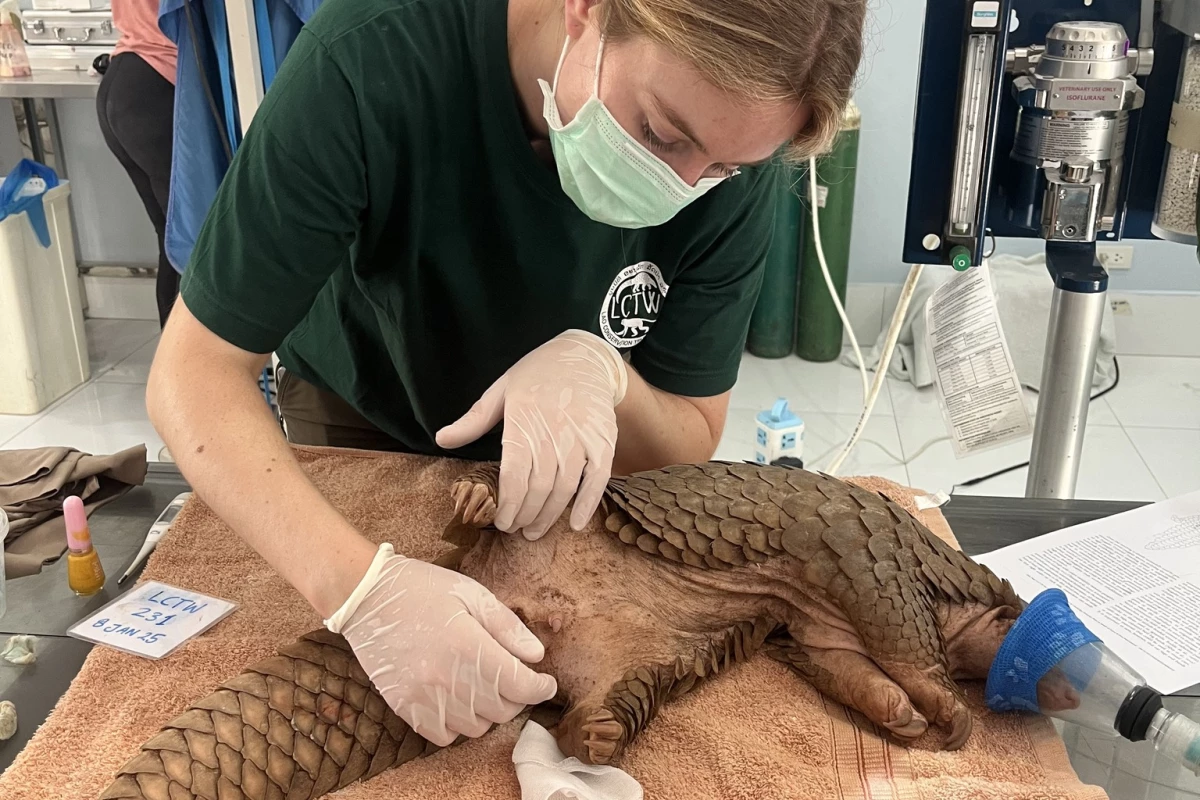
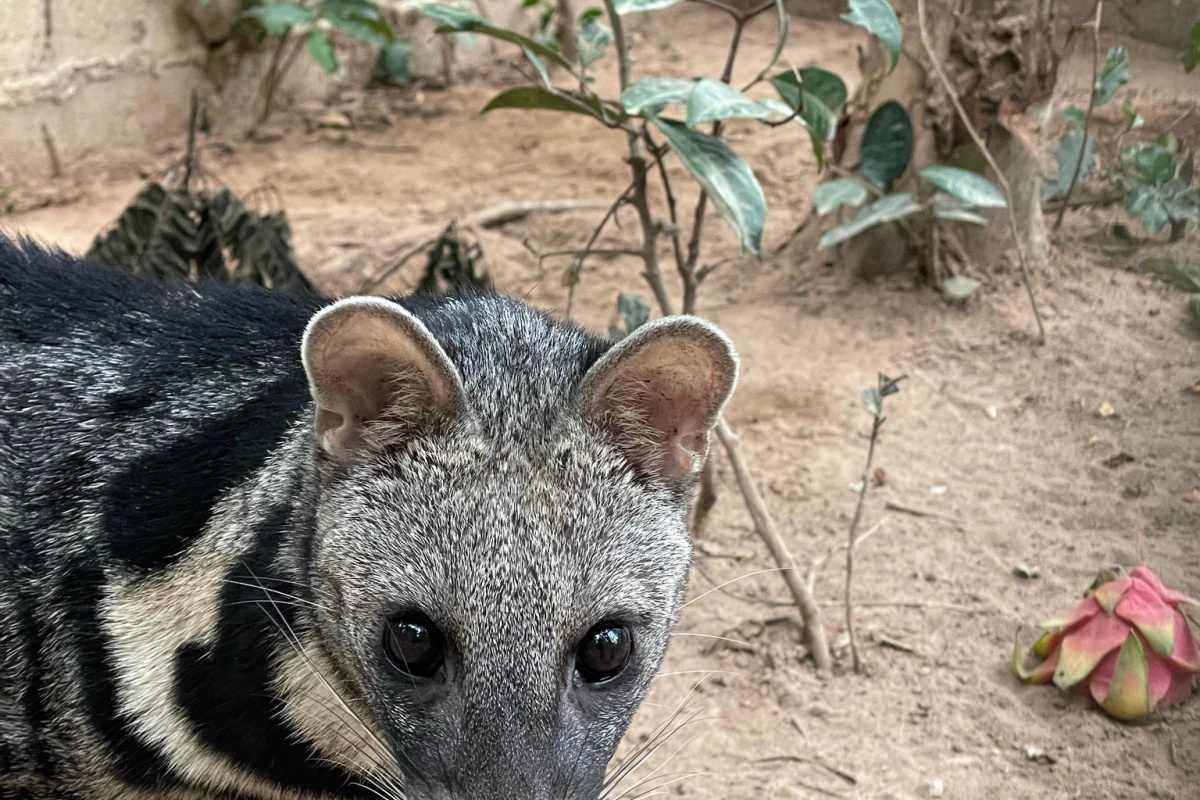
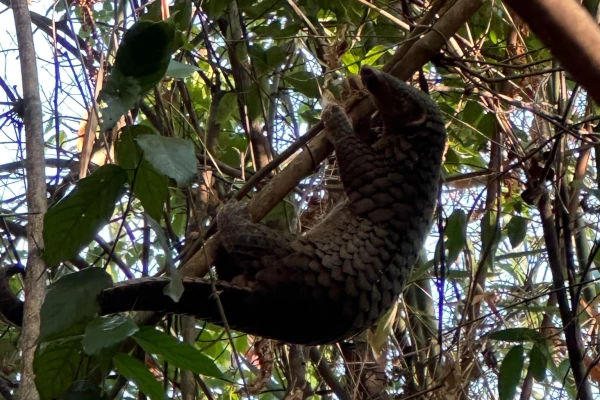
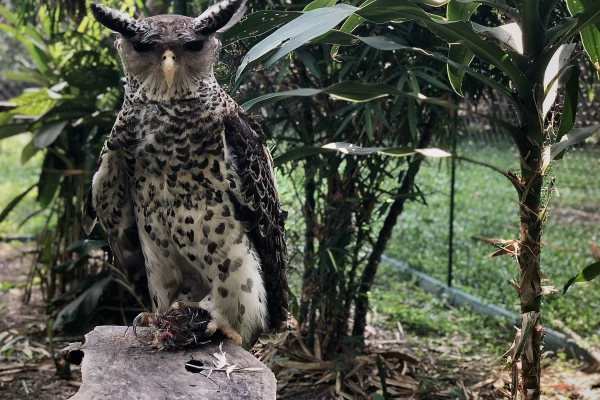
Located just an hour outside of Vientiane, the Lao Conservation Trust for Wildlife (LCTW) is a must-visit for animal lovers and responsible travelers looking to make a meaningful connection with nature. Set within the grounds of the Lao Zoo in Ban Keun, this conservation center has evolved from humble beginnings into one of the most impactful wildlife rescue and rehabilitation organizations in Southeast Asia.
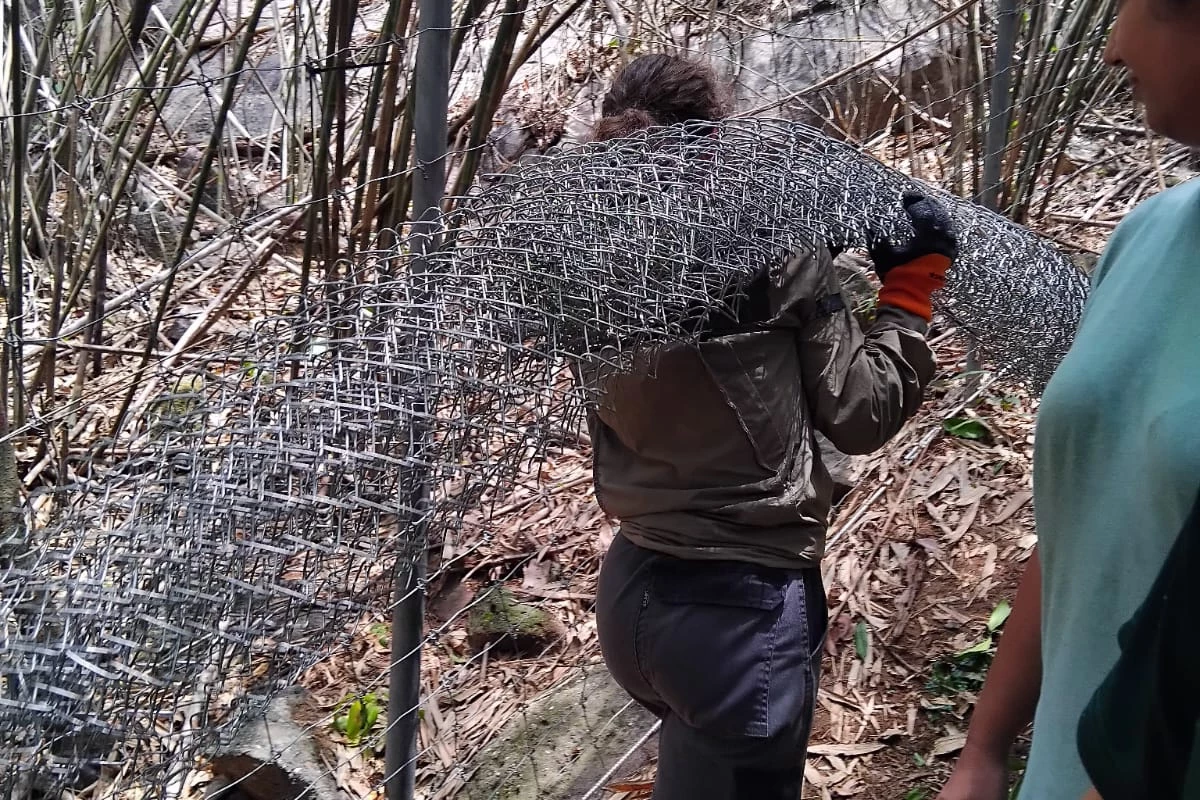
LCTW was founded in 2015 by a group of passionate conservationists who recognized the urgent need to protect Laos' native wildlife from the threats of illegal trade, habitat loss, and human conflict. Originally operating within the Lao Zoo’s facilities, the organization quickly expanded, transforming outdated enclosures into safe, enriched environments for rescued animals and developing professional care and veterinary standards. Today, LCTW is a fully licensed rescue and release center, working in partnership with the Lao government and international conservation networks.
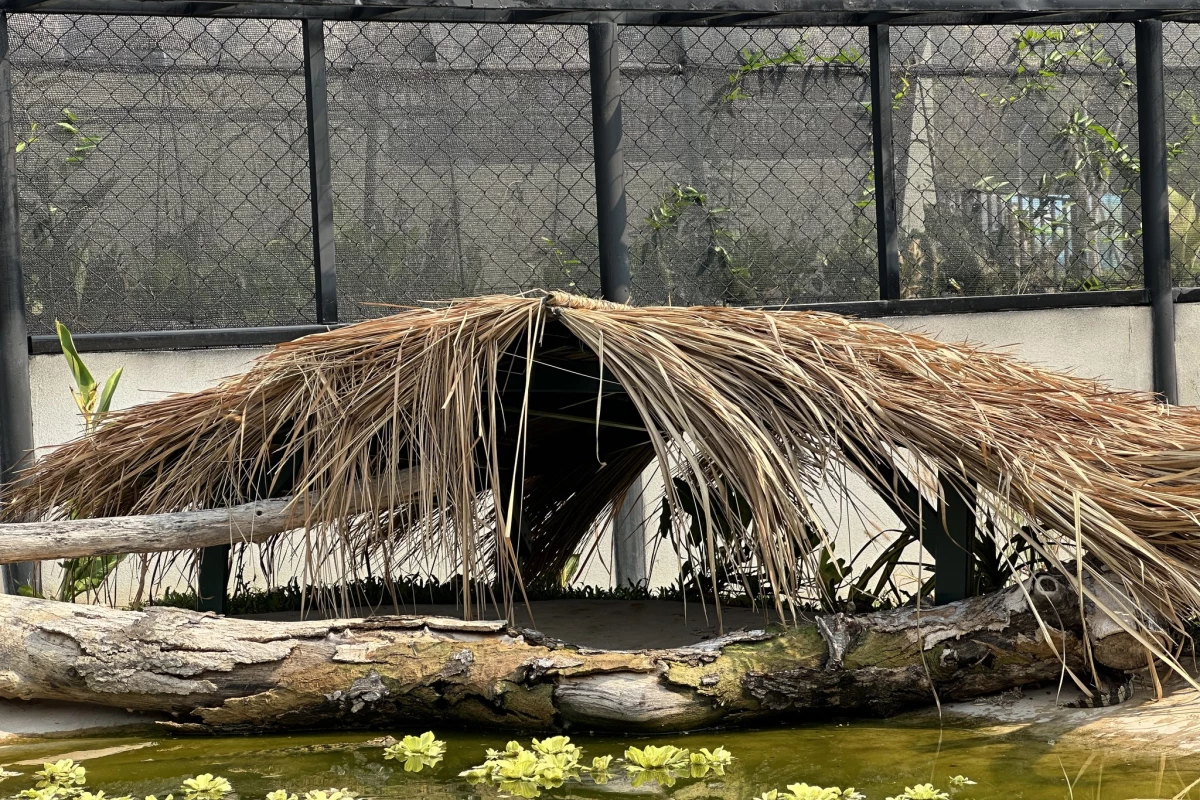
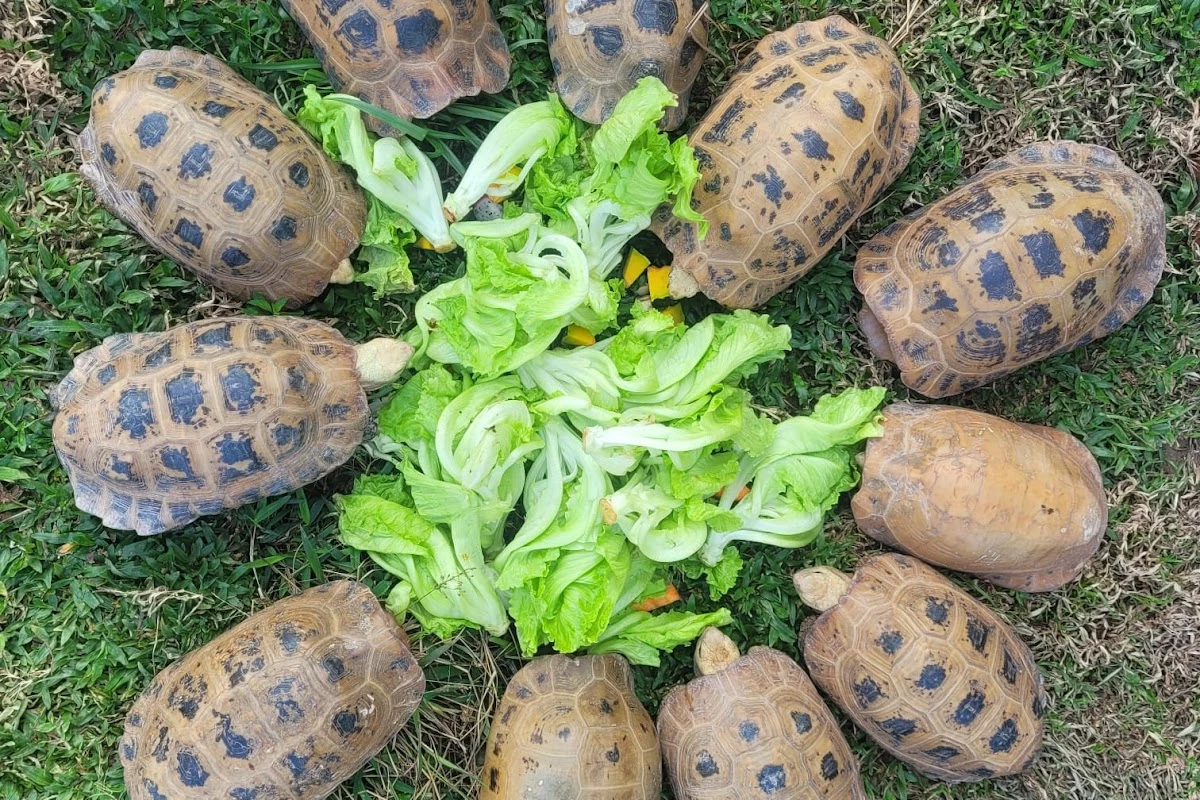
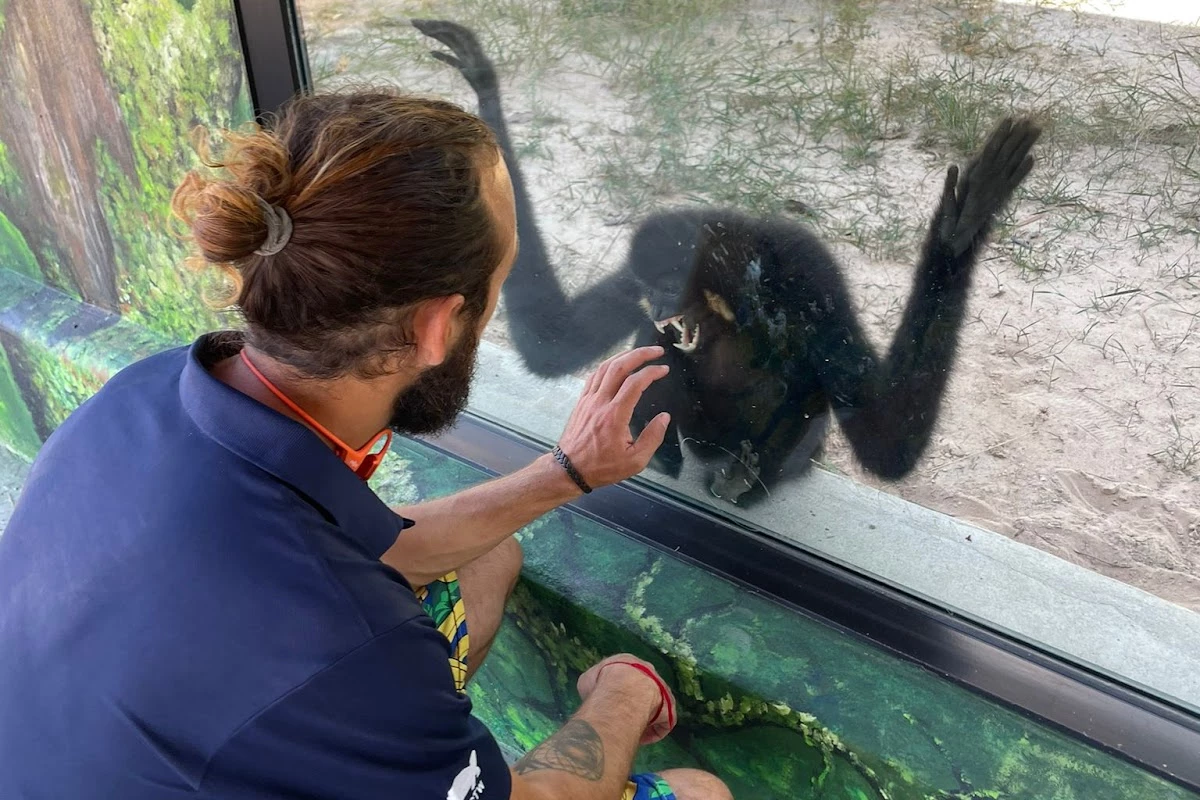
Visitors to LCTW can join guided educational tours that take them through beautifully forested enclosures where rescued animals—including bears, gibbons, langurs, sambar deer, muntjac, and more—are rehabilitated and cared for. The experience also provides insight into the center’s breeding programs for critically endangered species and their efforts to reintroduce animals into protected natural habitats.
Beyond being a fascinating and educational experience, a visit to LCTW directly supports their ongoing rescue, rehabilitation, and conservation work. Whether you’re traveling solo, as a family, or with a group, this is one of the most rewarding and ethical things to do during your time in or near Vientiane.