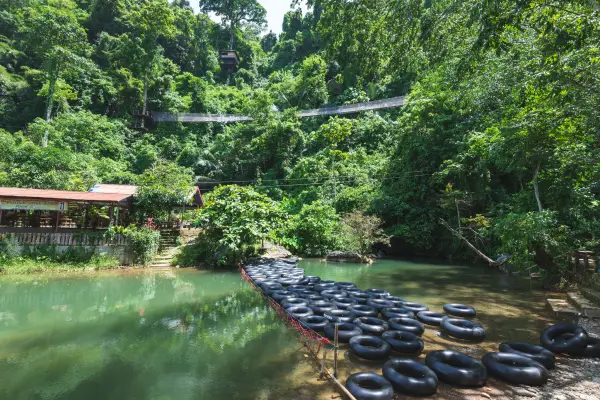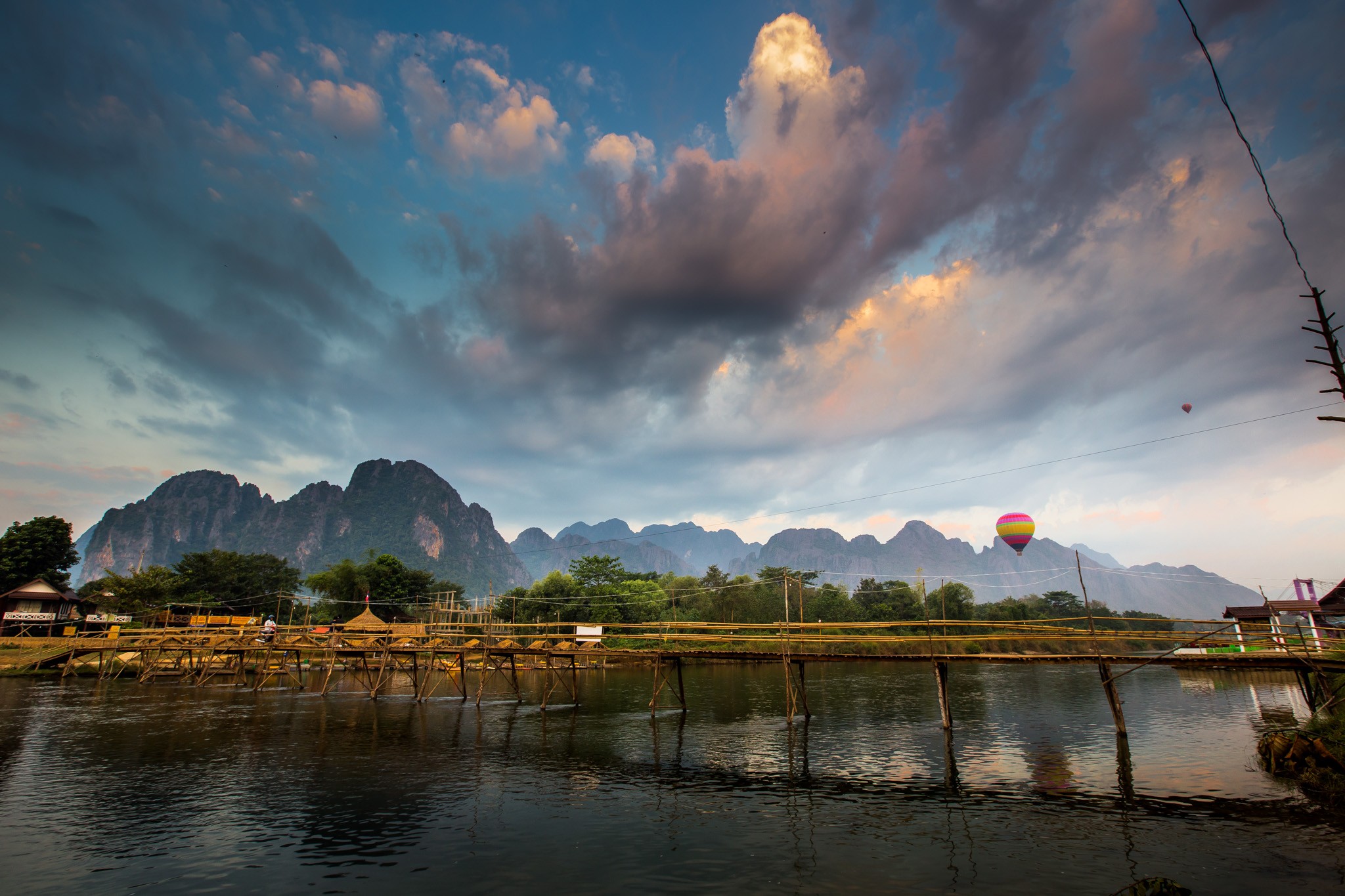
Bamboo bridge at Vang Vieng
Vang Vieng

Destinations

Vang Vieng

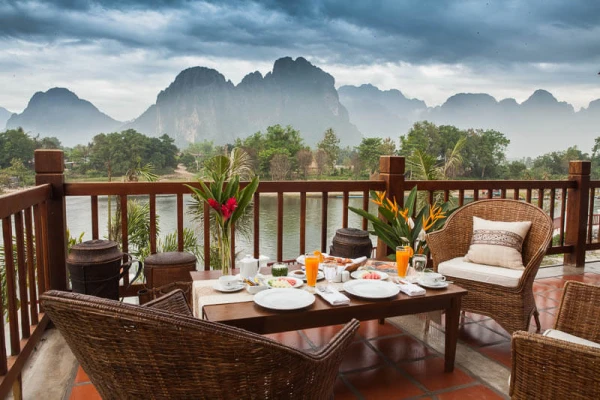
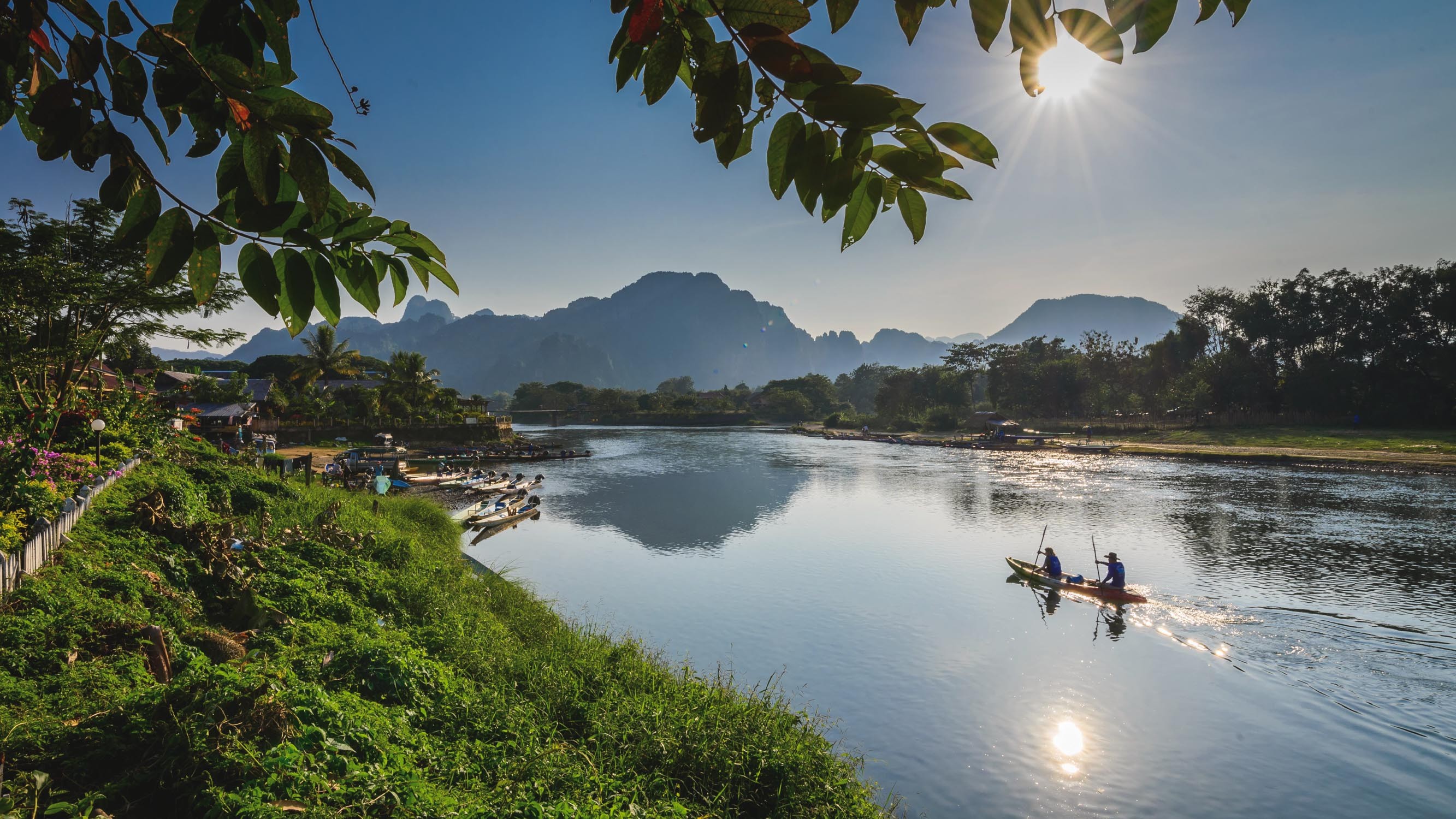
Vang Vieng is one of Laos’ most spectacular adventure and nature destinations, located approximately 150 kilometers north of Vientiane. Surrounded by dramatic limestone karst mountains, lush rice fields, caves, and the picturesque Nam Song River, Vang Vieng has transformed from a quiet agricultural town into one of the country’s most popular tourism hubs.

Historically, Vang Vieng was a small settlement inhabited primarily by farming communities who relied on the fertile river valley for agriculture. The area gained international recognition during the late 1990s and early 2000s as backpackers discovered its stunning scenery and unique outdoor activities. While the town became famous for river tubing and adventure tourism, it has since evolved into a more sustainable destination that balances adventure, eco-tourism, and cultural experiences.

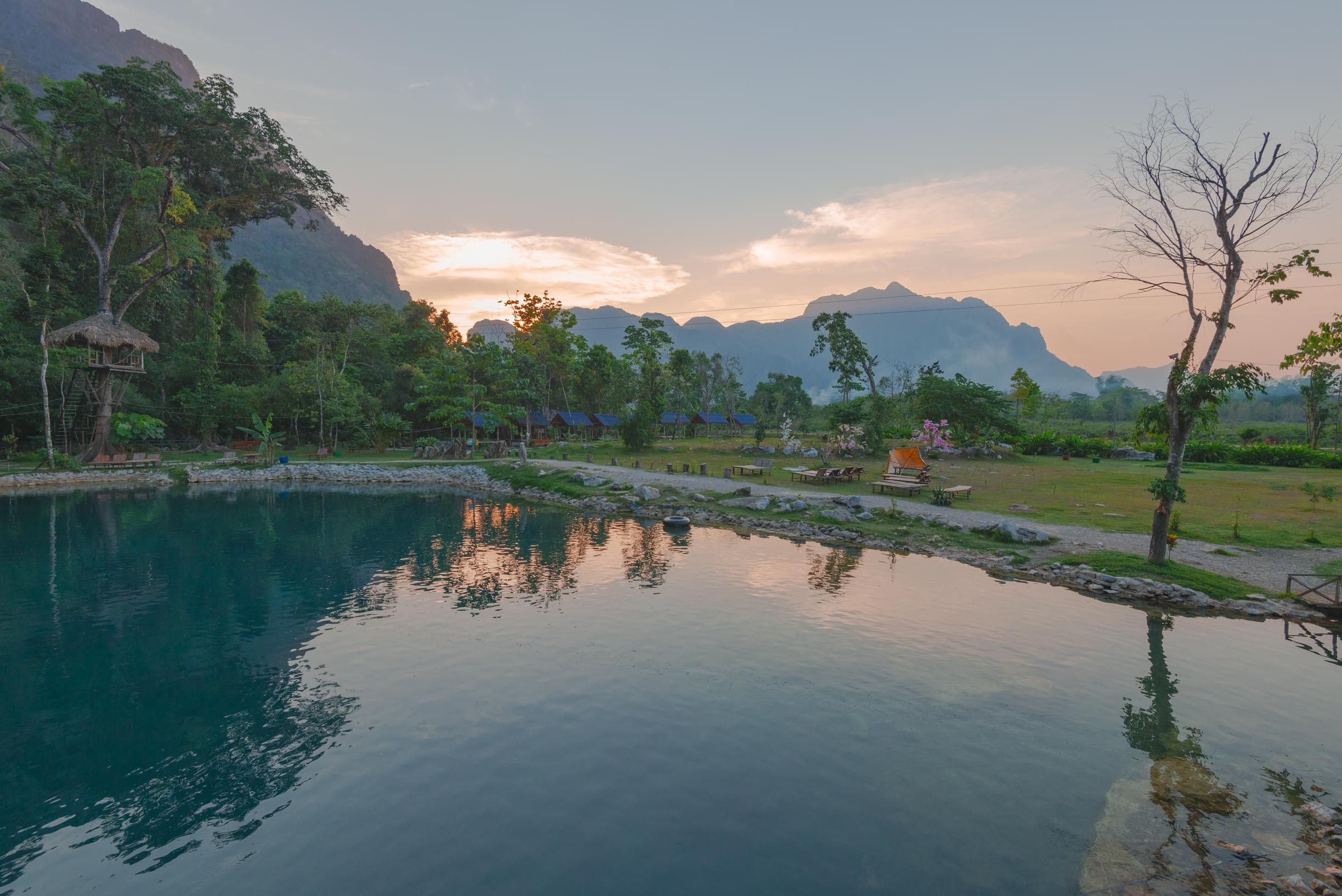
Today, Vang Vieng attracts visitors from around the world with its remarkable natural beauty. The region is home to numerous caves, including Tham Chang, Tham Nam, and Tham Pou Kham, as well as the famous Blue Lagoons with their crystal-clear waters. Spectacular viewpoints such as Nam Xay Viewpoint and Pha Ngeun Viewpoint offer panoramic vistas of the surrounding mountains and valleys.

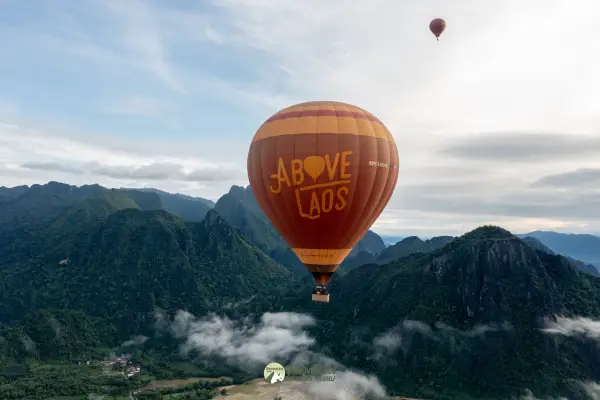
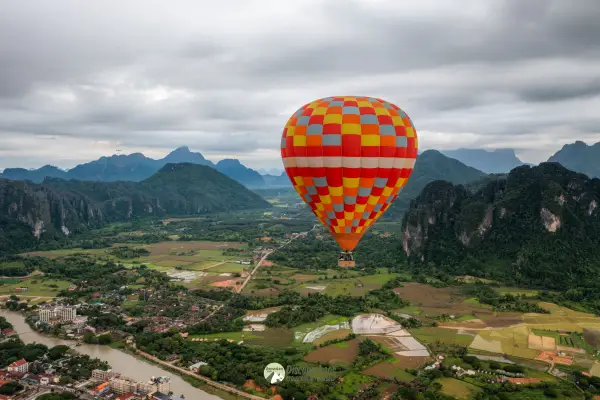
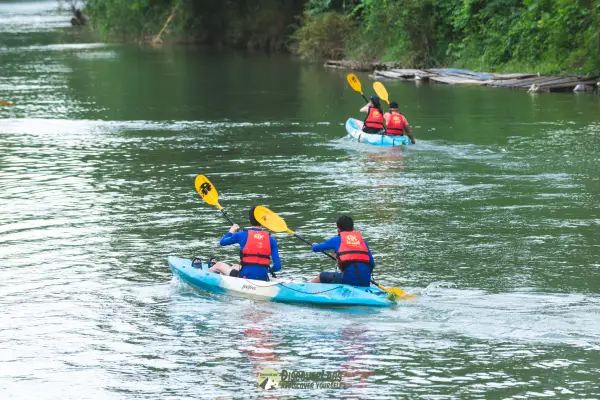
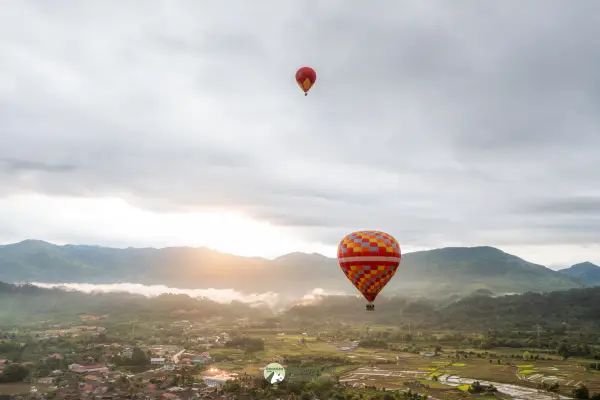
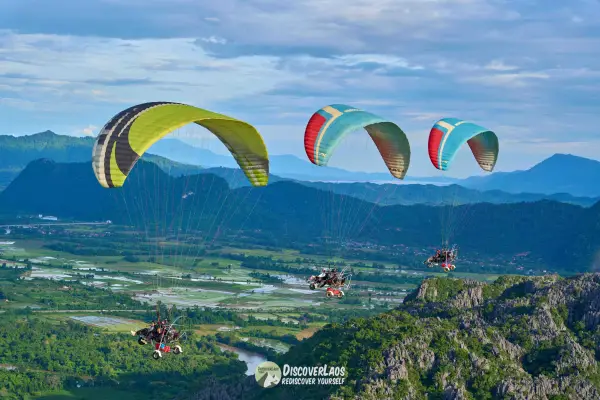
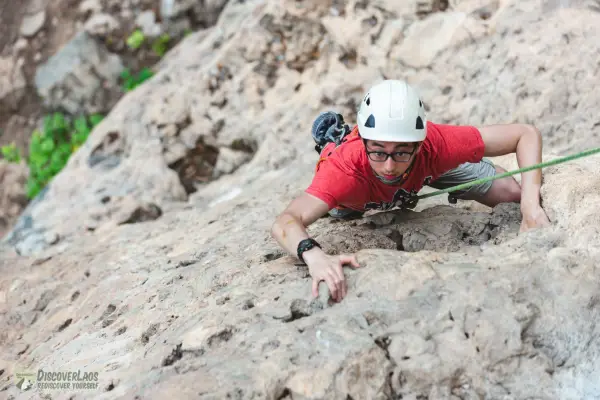
The Nam Song River remains the heart of local tourism, providing opportunities for kayaking, tubing, swimming, and sunset cruises. Visitors can also enjoy hot air balloon rides, ziplining, rock climbing, cycling, hiking, and exploring traditional Lao villages.

With its combination of adventure, natural wonders, and relaxed atmosphere, Vang Vieng has become one of Laos’ premier destinations for travelers seeking both excitement and breathtaking landscapes.


Destinations

Ban Nadung Village

Fleeing from the Ho (Haw) invasions of Xam Neua in northern Laos, Tai Maen and Tai Pua ethnic groups settled in Ban Meuang Song and Ban Viengkeo in what is now known as Vang Vieng. From hunting trips up the Nam Lao stream, Pho Phaxai, a descendant of the people who had settled in the Vang Vieng area, found the Nam Lao valley, a bountiful hunting ground. They then moved in 1873 to establish a village of 18 households.

Disease forced them to vacate in 1906, and again in 1910, when the village divided into three villages. These three villages then amalgamated into one village in 1937, and was named Na Luang (“Na” meaning fieldand “Luang” meaning large; indicating the size of the combined villages, as well as it being the gateway village for others further up the valley). This was renamed to the similar sounding Naduang because villagers thought that the new name sounded more pleasant.

Ban Naduang is currently a village of about 750 people, comprising a mix of about 60% Kmhmu (who moved into the area from Luang Prabang), and 40% Tai. The village economy is overwhelmingly based on rice-farming, and some families practice textile weaving. Villagers work together to use the Kaeng Nyui waterfall as an additional source of income through Community-based Tourism as a means of providing incentive to conserve the environment, as well as raising funds to develop irrigation and other initiatives for their village.

Destinations

Travelling to Vang Viang

Vang Vieng lies right along Route 13, with a major bus station just 2km north of the town.  As such, you can get to the bus station near Vang Vieng from Luang Prabang, Vientiane, and Phonsavan using buses or minivans, and into Vang Vieng proper by tuk tuks.  Sometimes, minivans and buses may drop you off at the abandoned airstrip a few hundred metres from the heart of town, or even at your accommodation (if you offer them a tip).  Tickets can be bought at almost every guesthouse and should have pick-up services from your accommodation.

From Luang Prabang,

- Minibuses take 7 hours and depart at 09:00 and 14:00

- Express air-con buses take 8 hours and depart at 10:00

- VIP buses take 8 hours and depart at 12:00, 20:00 and 21:00

From Vientiane,

- Minibuses take 3 hours and depart at 09:00 and 13:30

- Express air-con buses take 4 hours and depart at 10:30 and 13:30

- VIP buses take 4 hours and depart at 10:00 and 13:30

- Local buses take 5 hours and depart at 05:30, 06:00, 06:30, 07:00, 12:30 and 14:30

- Songthaews, a passenger vehicle converted from a pick-up truck, depart frequently depending on demand

From Phonsavan, 

- Minibuses take 7 hours and depart at 09:30

For those who wish to travel to Vang Vieng independently, there is also the option of renting a car or scooter, but check that you can bring your vehicle of choice out of town.  Take note that the road leading to Vang Vieng is more accessible from the South (i.e. Vientiane) than from the North (i.e. Luang Prabang and Phonsavan), although the latter boasts better views.

Destinations

Travelling within Vang Vieng

Getting Around: Self-guided adventures to Vang Vieng’s attractions are easy with a wide choice of transportation available, while guided tours also present a range of ways of getting around.

By Foot: Stroll around Vang Vieng Town and see its temples,enjoy a meal, or cross a suspended river bridge to a relaxinghammock on the Nam Song River. Many of the outlying attractions require a short hike or climb after a vehicle ride, though longer treks are available from local tour companies.

By Bicycle: Whether you’re looking for a simple cycle to pedal around town or a rugged mountain bike to battle over rougher roads to the caves west of Vang Vieng, loads of shops and guesthouses rent all types of bikes. Be sure to read the description of the attractions you plan to visit, to decide what type of cycle is best for you. Check to ensure the bikes are in good condition.

By Motorcycle: Looking for a faster way to catch more of stunning Vang Vieng? Several shops around town rent everything from scooters to motocross bikes, depending on your needs, and a recently opened company offers off-road quad tours. Be sure to read the description of the attraction to decide on a suitable motor bike. And remember, always wear a helmet and never drink and drive.

By Tuk-tuk: You can find tuk-tuks around town to take you tonearby locations, but if you travel to the outlying areas, it’s best to pay for the driver to wait to ensure a ride back. You can create your own itinerary and negotiate with a tuk-tuk to take you, and plenty of tour companies use tuk-tuks on part of their journeys.