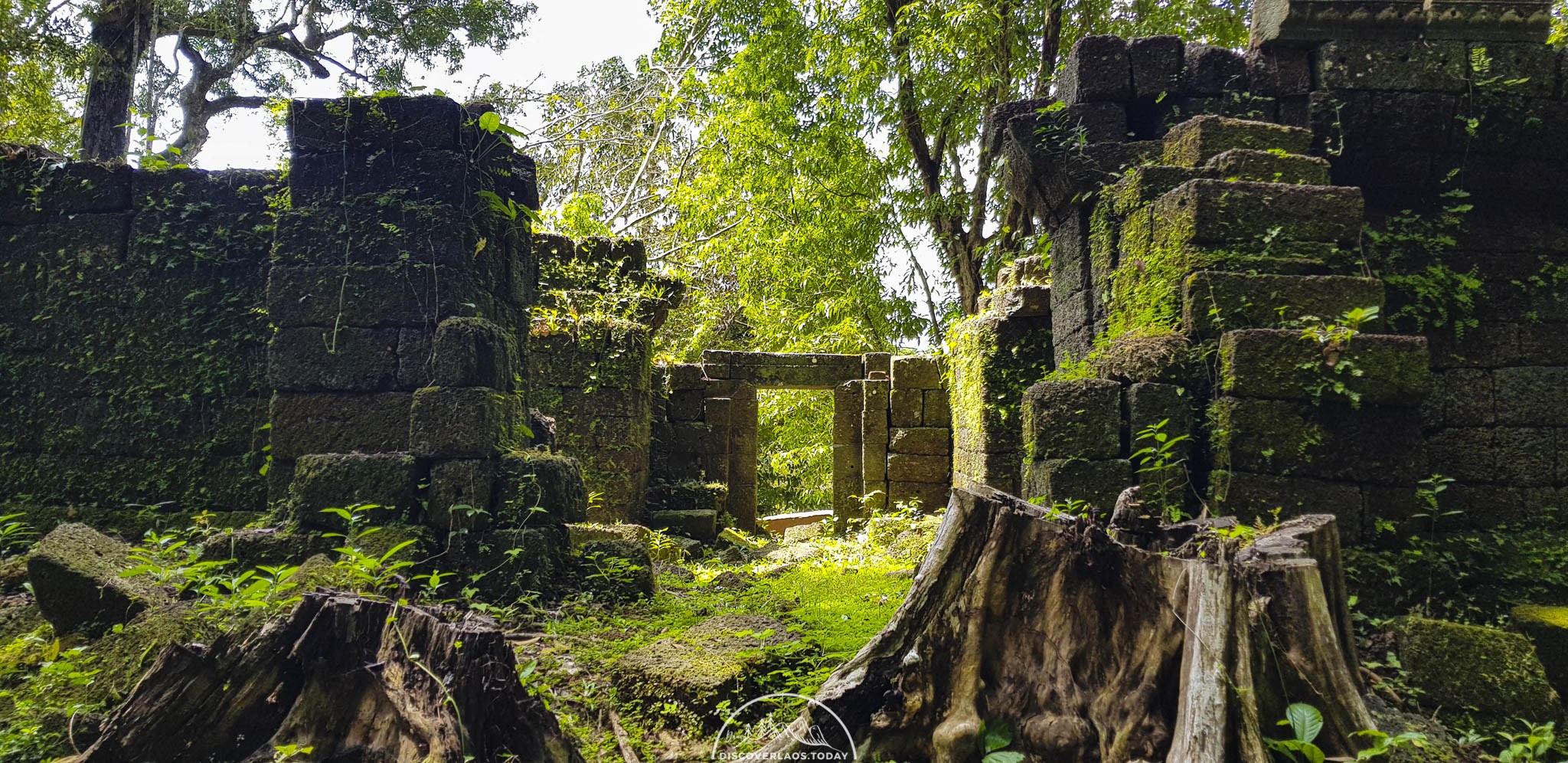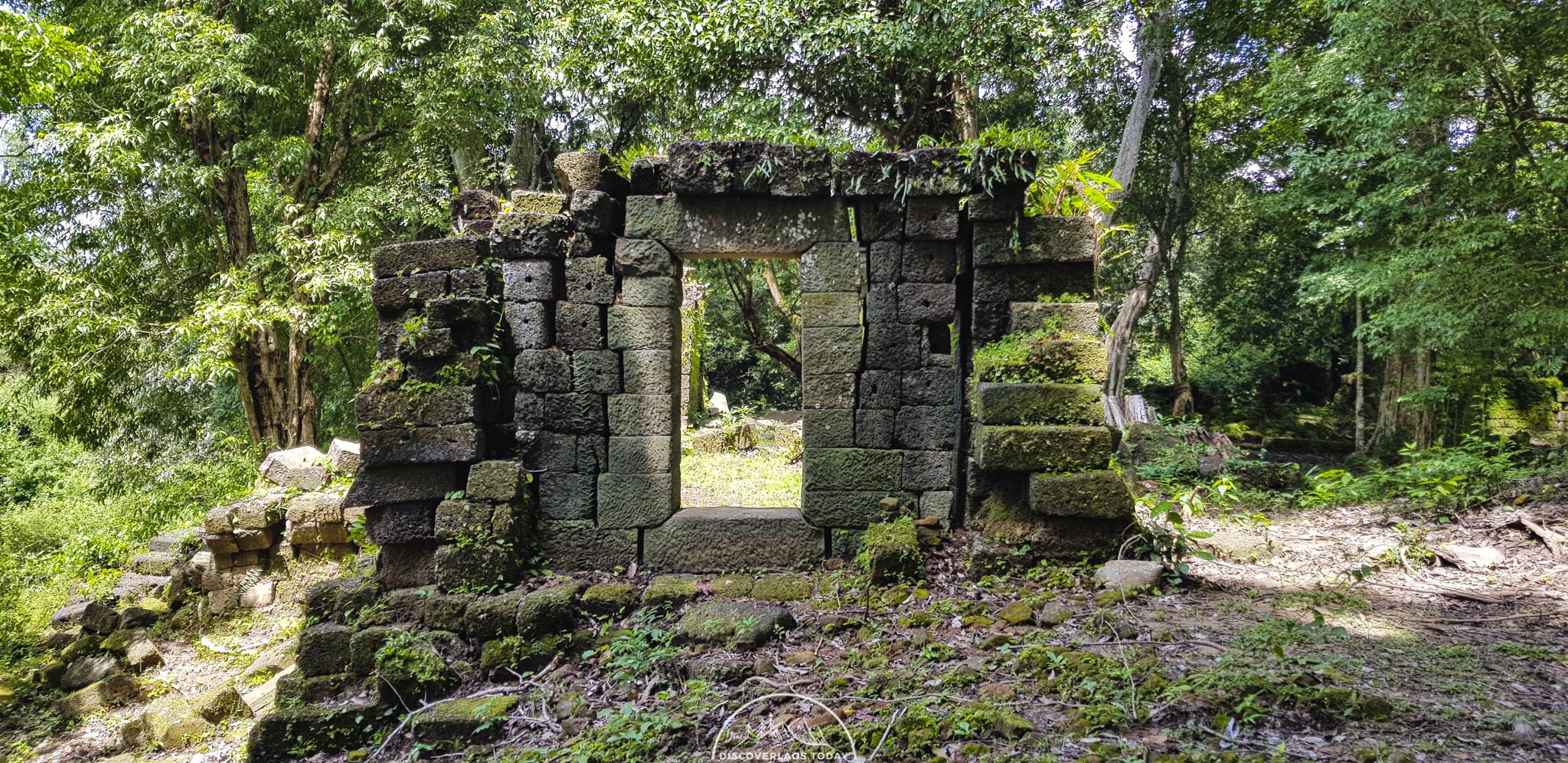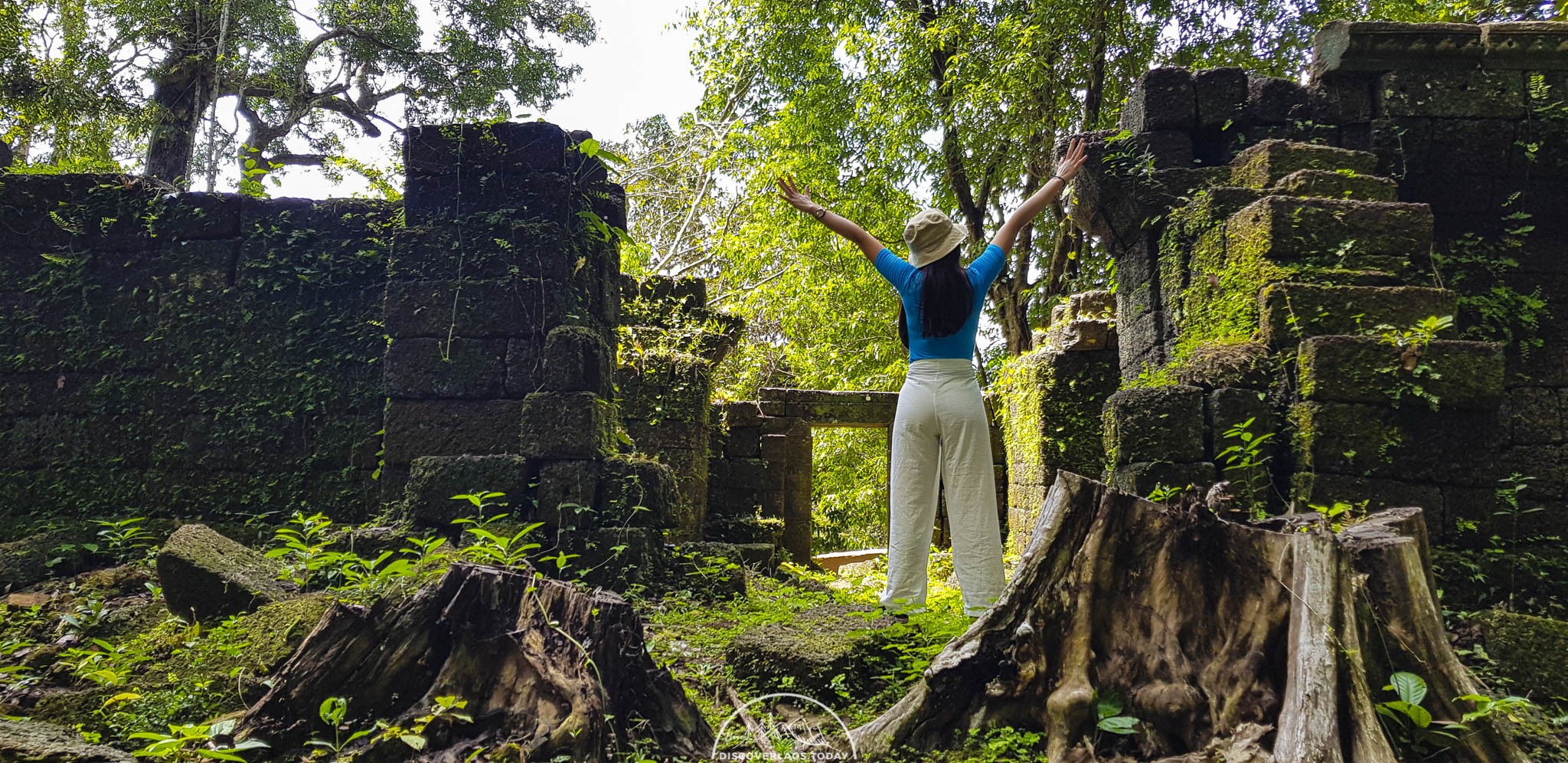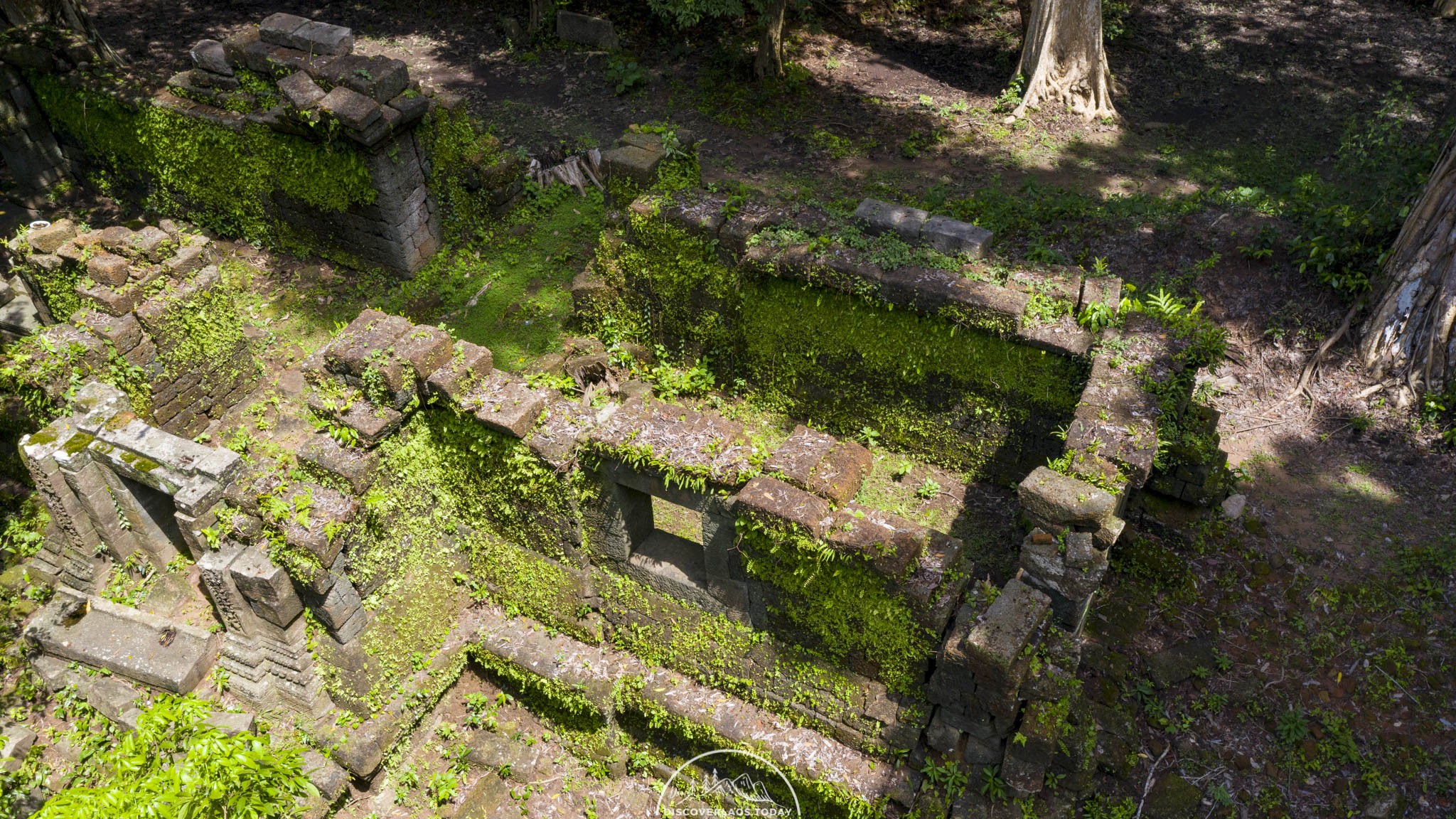
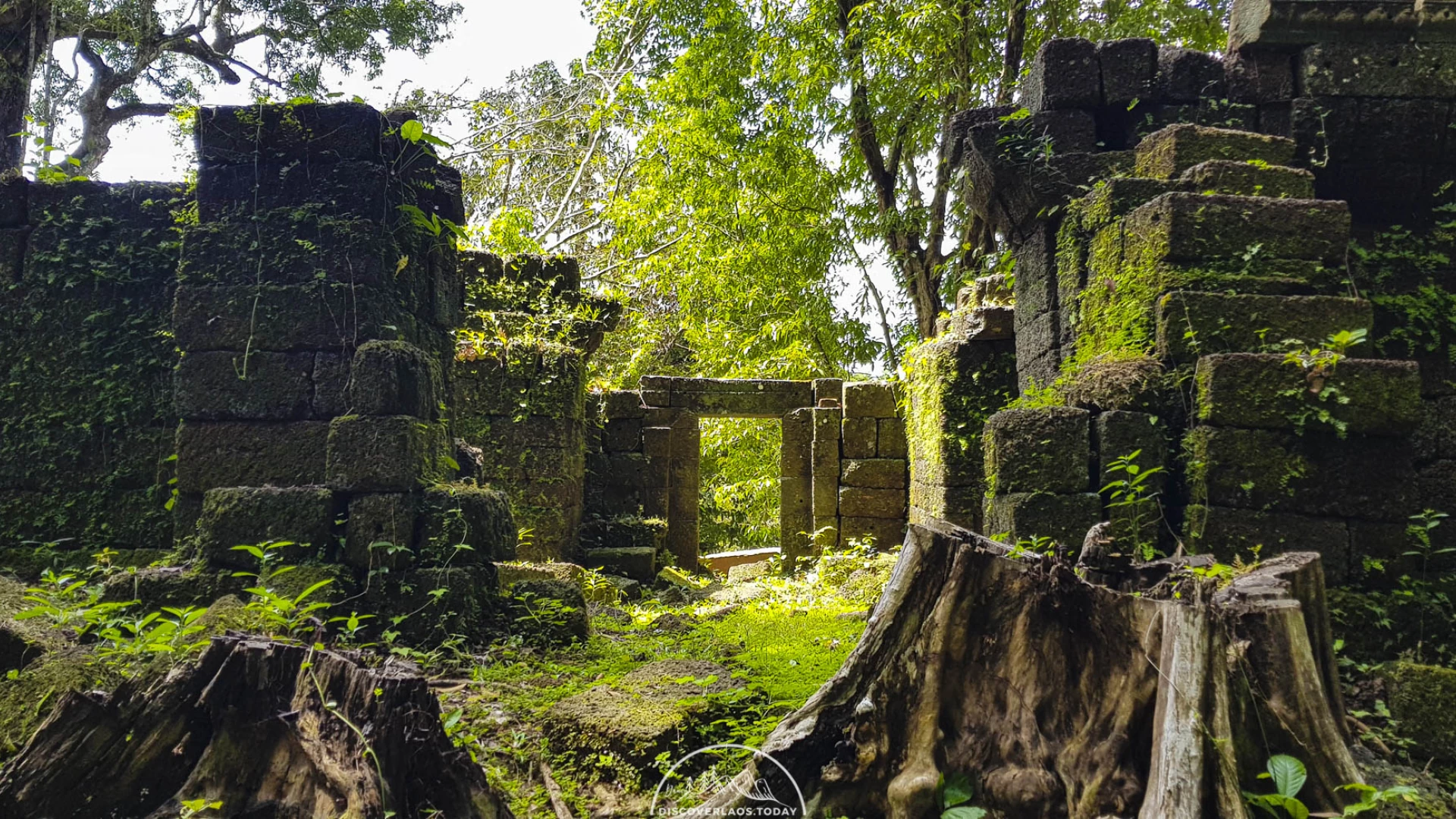
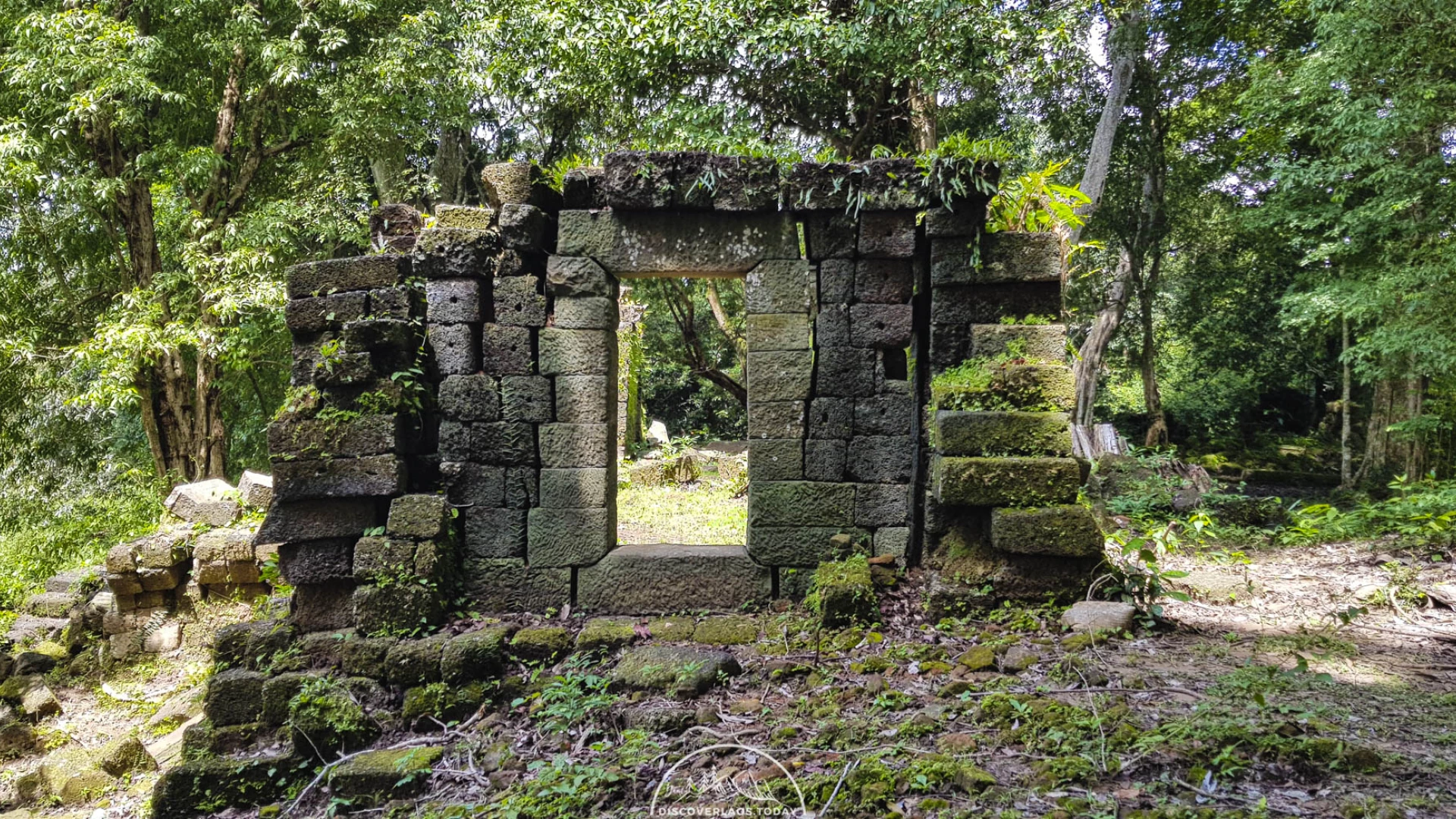
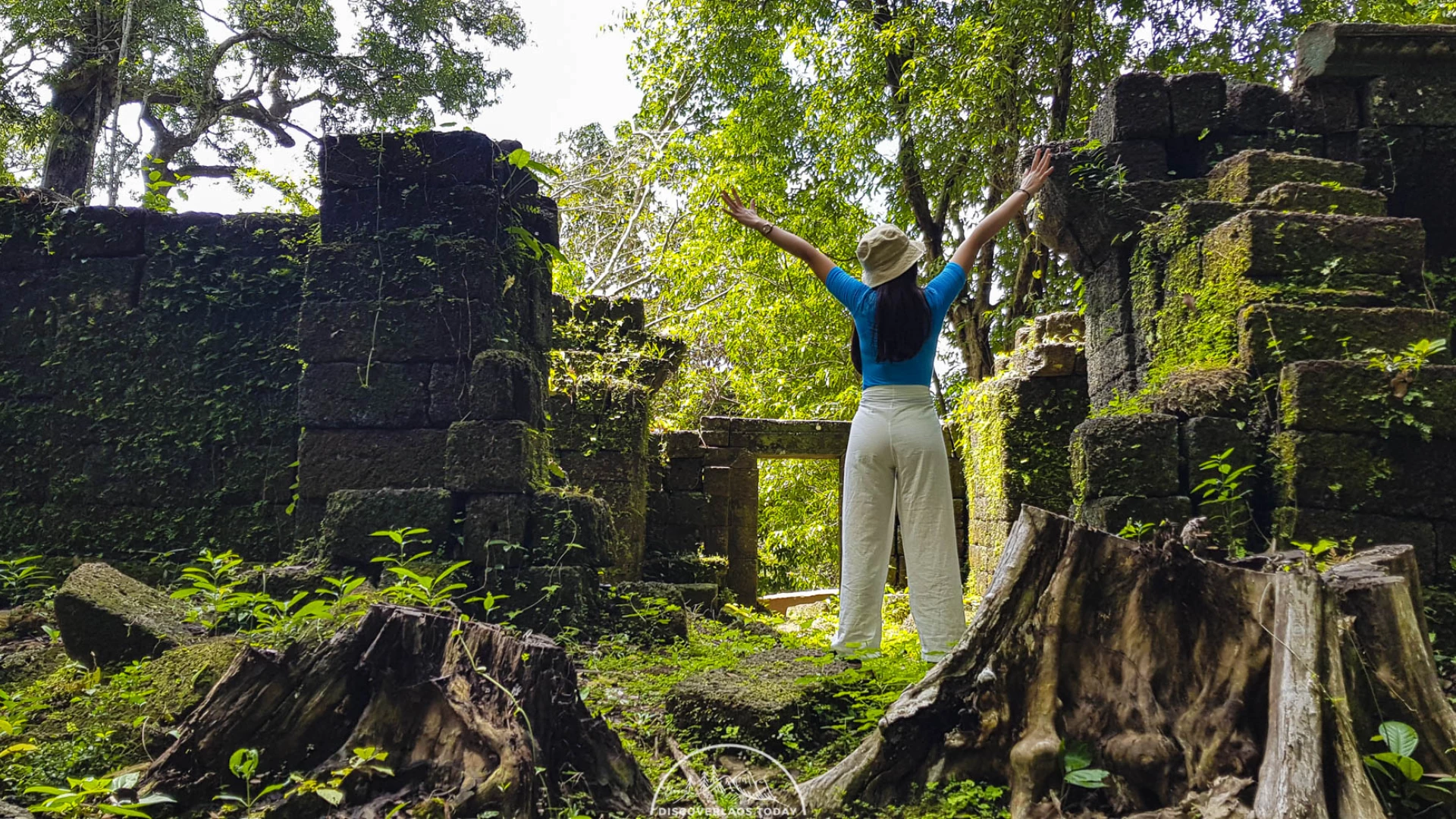
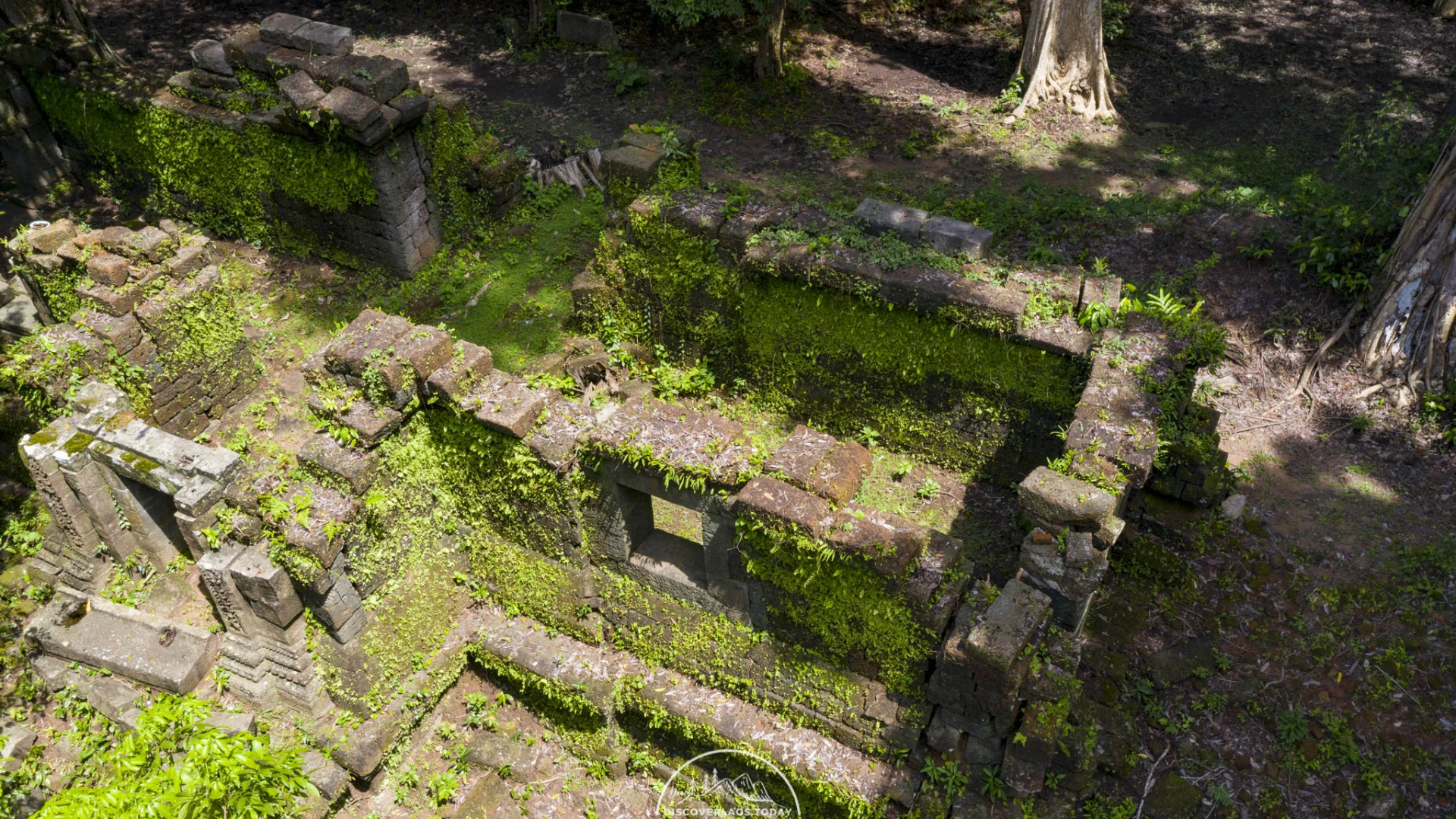
Wat Tomo, also known as Oum Moung Temple, is one of the lesser-known yet historically significant ancient temple sites in Champasak Province, southern Laos. Situated near the famous Vat Phou UNESCO World Heritage Site, Wat Tomo is believed to have been constructed during the Khmer Empire between the 9th and 12th centuries. The temple served as an important religious sanctuary connected to the broader Vat Phou cultural landscape.
Nestled within a peaceful forested area near the Mekong River, Wat Tomo offers visitors a unique opportunity to explore ancient Khmer architecture away from the larger tourist crowds. The name "Oum Moung" translates roughly as "hidden tunnel" or "hidden chamber," referring to the mysterious stone structures and enclosed passages associated with the site.
The temple was originally dedicated to Hindu worship, particularly the worship of Shiva, before later incorporating Buddhist influences as the region's religious traditions evolved. Although smaller than Vat Phou, Wat Tomo features many characteristic elements of Khmer temple design, including sandstone carvings, laterite walls, ancient doorways, and decorative architectural details that reflect the artistic achievements of the Khmer civilization.
One of the most fascinating aspects of Wat Tomo is its tranquil setting. Surrounded by dense vegetation and rural landscapes, the site provides a peaceful atmosphere for visitors interested in archaeology, history, photography, and cultural exploration. The temple's partially restored structures offer valuable insight into the religious and architectural development of the Champasak region during the height of Khmer influence.
The temple is often included in heritage tours that explore the wider Vat Phou archaeological complex and surrounding historical sites. Visitors can observe remnants of ancient stonework, ceremonial spaces, and sacred structures while learning about the role the temple played in regional religious practices centuries ago.
Beyond its historical significance, Wat Tomo also serves as a reminder of the deep cultural connections that once linked present-day Laos with the Khmer Empire. Its secluded location and authentic atmosphere make it particularly appealing to travelers seeking off-the-beaten-path historical attractions.
Today, Wat Tomo remains one of southern Laos' hidden archaeological treasures, offering a rewarding experience for those interested in ancient civilizations, religious history, and cultural heritage.
Opening Hours
- Daily: 08:00 AM – 05:00 PM
- Best time to visit:
- Early morning for cooler temperatures.
- November to February for comfortable sightseeing.
- Dry season for easier access and photography.
Highlights
- Ancient Khmer-era temple complex.
- Part of the greater Vat Phou cultural landscape.
- Historic Hindu and Buddhist influences.
- Peaceful forest setting.
- Ancient sandstone and laterite architecture.
- Less crowded than major heritage sites.
- Excellent for history and archaeology enthusiasts.
- Authentic cultural experience in Champasak.
Visitor Tips
- Combine your visit with Vat Phou and Champasak town.
- Wear comfortable walking shoes.
- Bring water and sun protection.
- Respect the historical and religious significance of the site.
- Consider hiring a local guide for deeper historical insights.