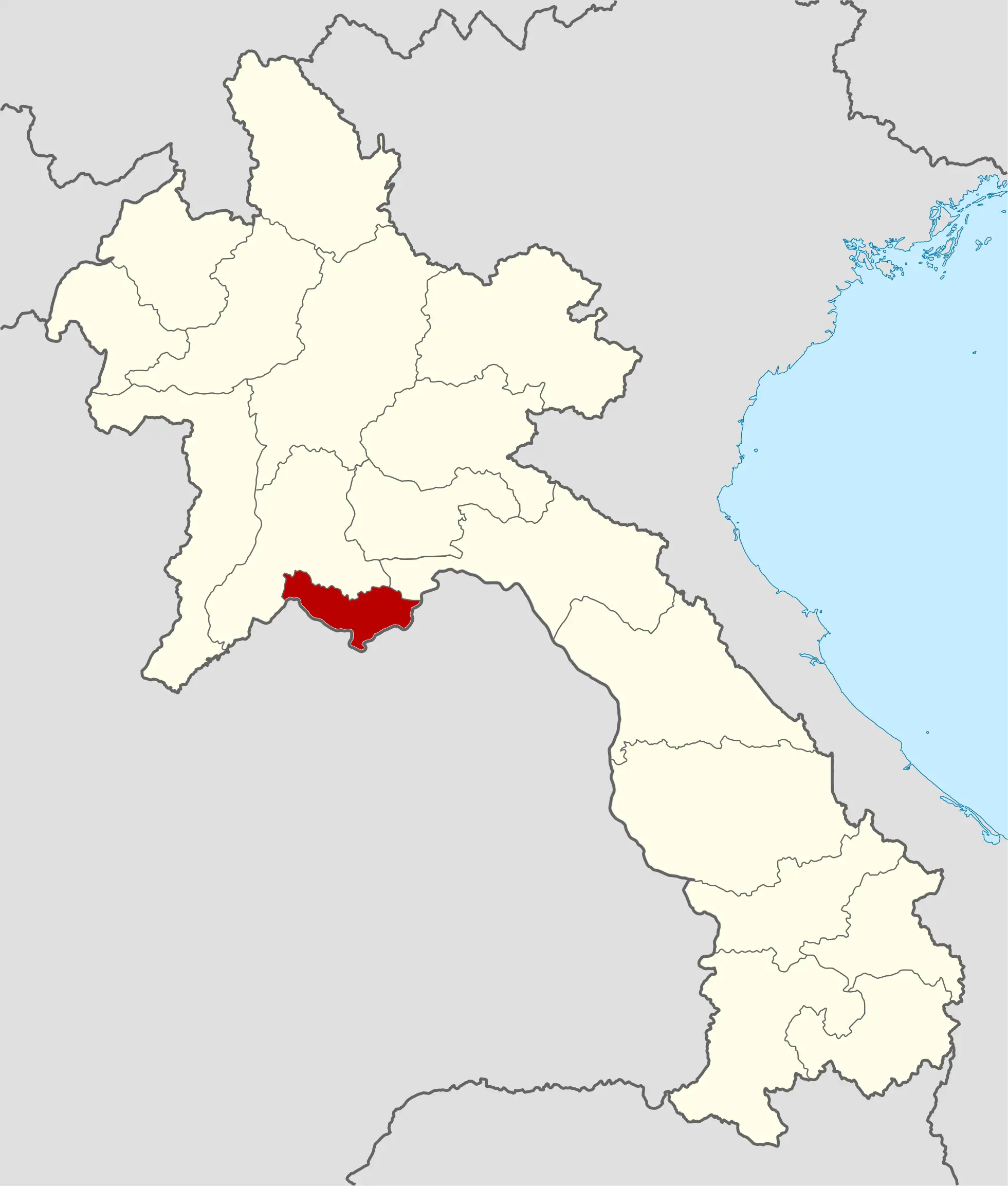
Vientiane is the capital and largest city of Laos, situated on the banks of the Mekong River along the border with Thailand. Known for its relaxed atmosphere, rich cultural heritage, and blend of traditional Lao and French colonial influences, Vientiane serves as the political, economic, and cultural heart of the country. Unlike many bustling Southeast Asian capitals, Vientiane offers a charming and laid-back environment where historic temples, tree-lined boulevards, and modern developments coexist harmoniously.
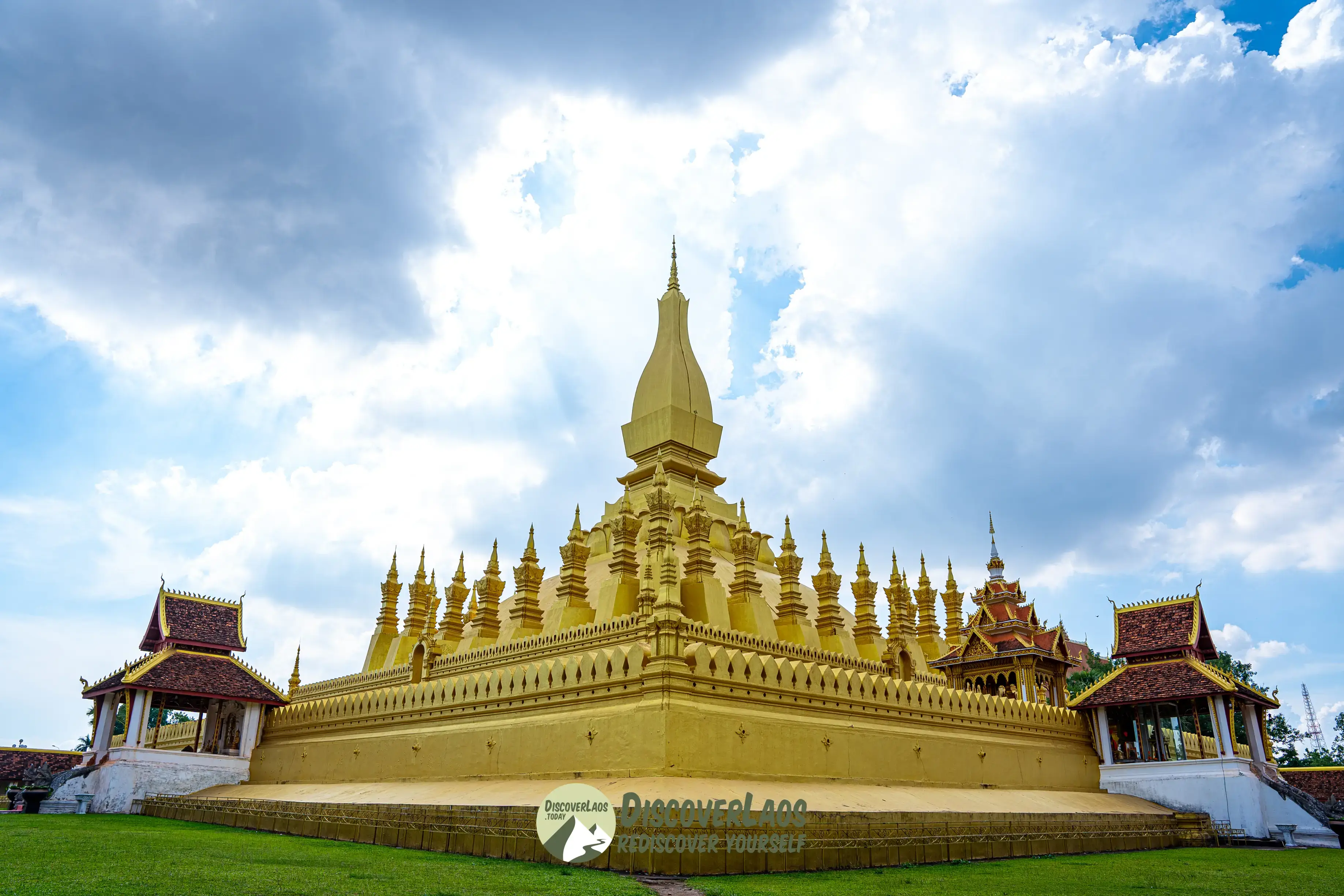
The history of Vientiane dates back more than a thousand years. The city rose to prominence in the 16th century when King Setthathirath moved the capital of the Lan Xang Kingdom from Luang Prabang to Vientiane in 1563. During this period, many of the city's most important landmarks, including the sacred Pha That Luang, were constructed. Throughout its history, Vientiane experienced periods of prosperity, regional conflicts, Siamese invasions, and French colonial influence, all of which have shaped the city's unique character. During the French colonial era, many European-style buildings, villas, and administrative structures were built, many of which still stand today.
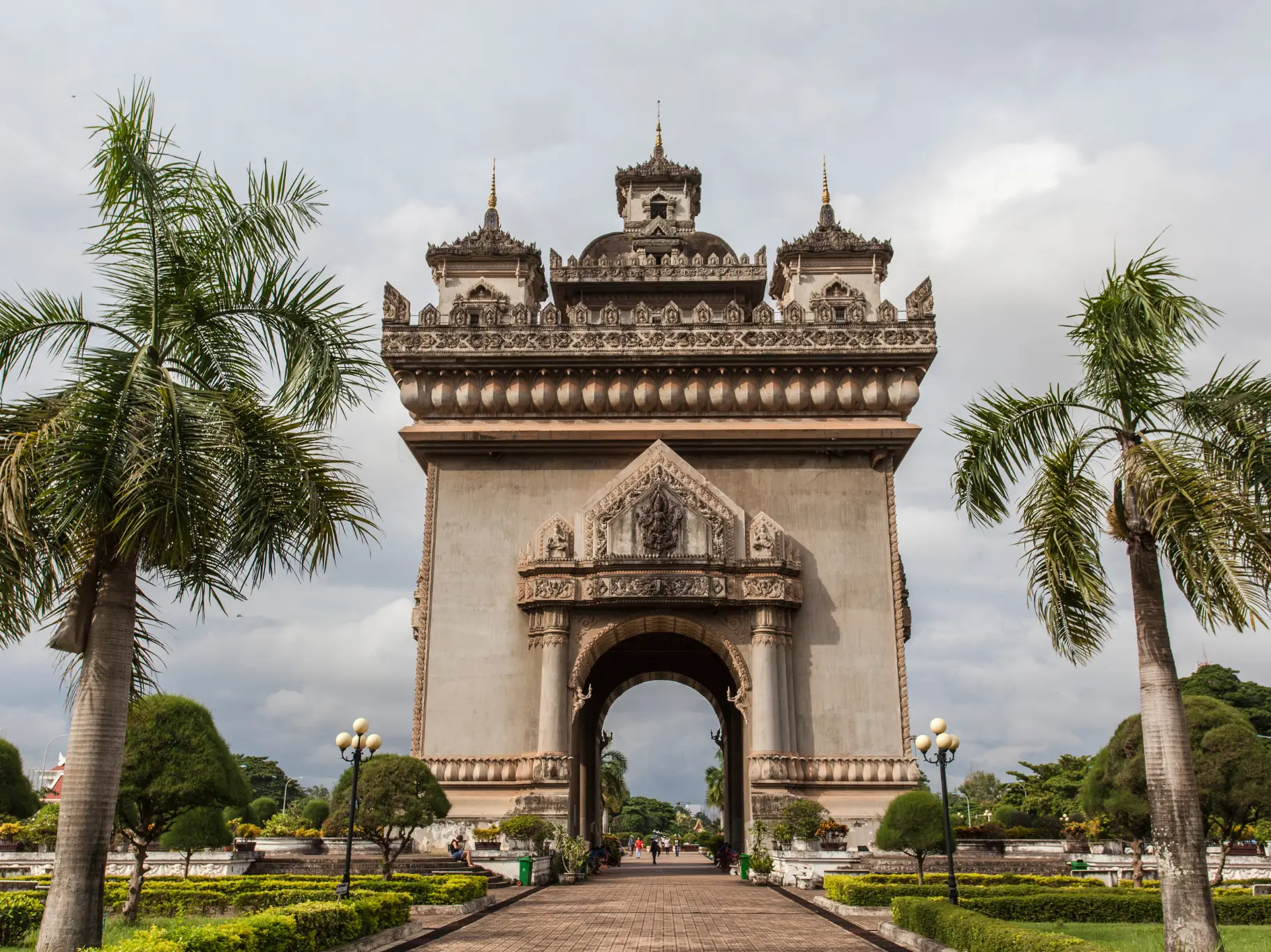
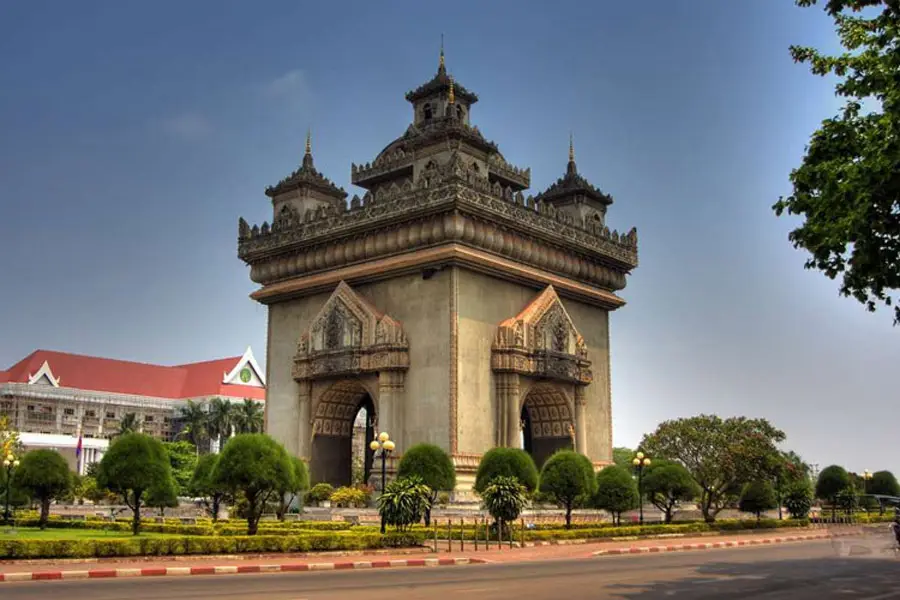
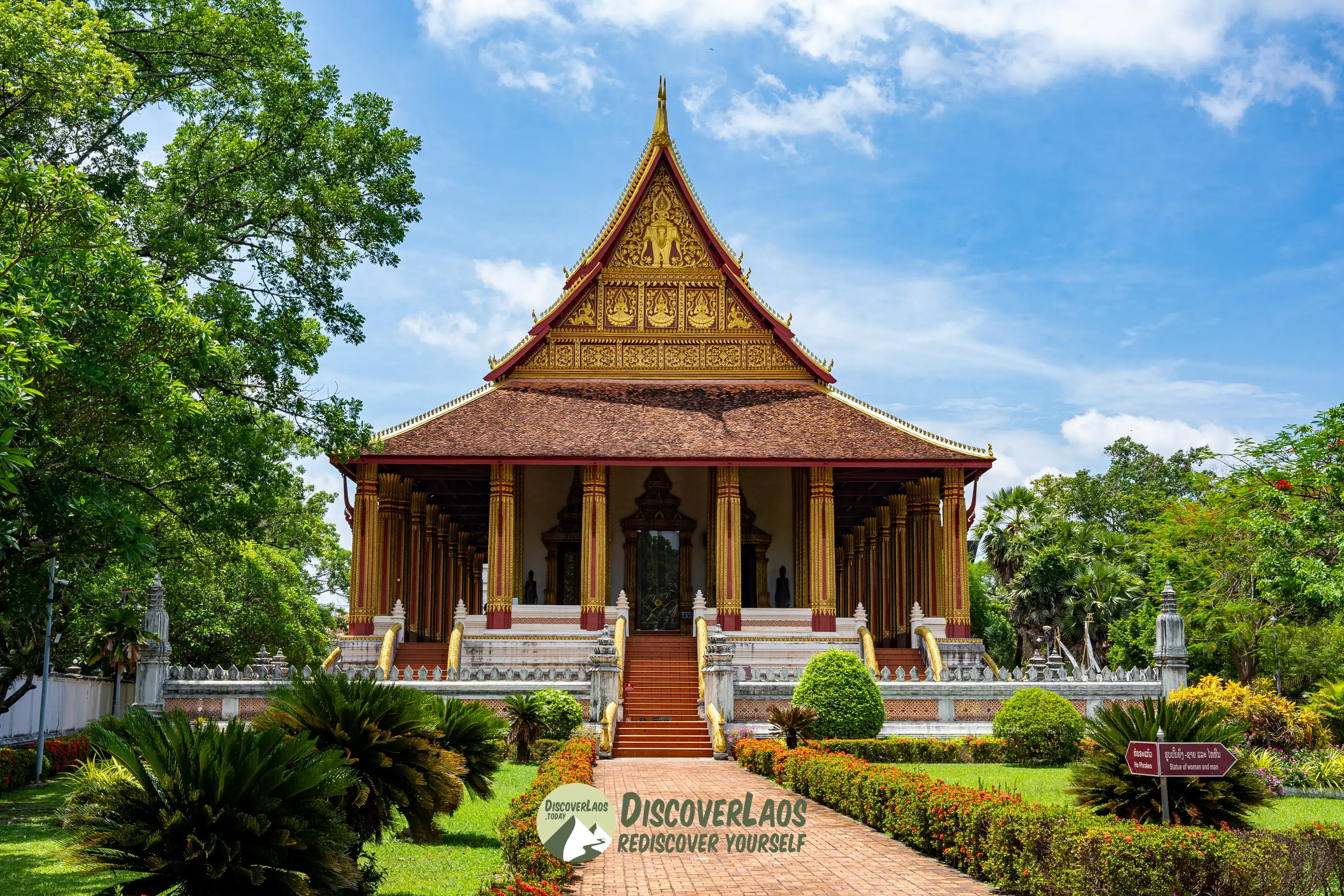
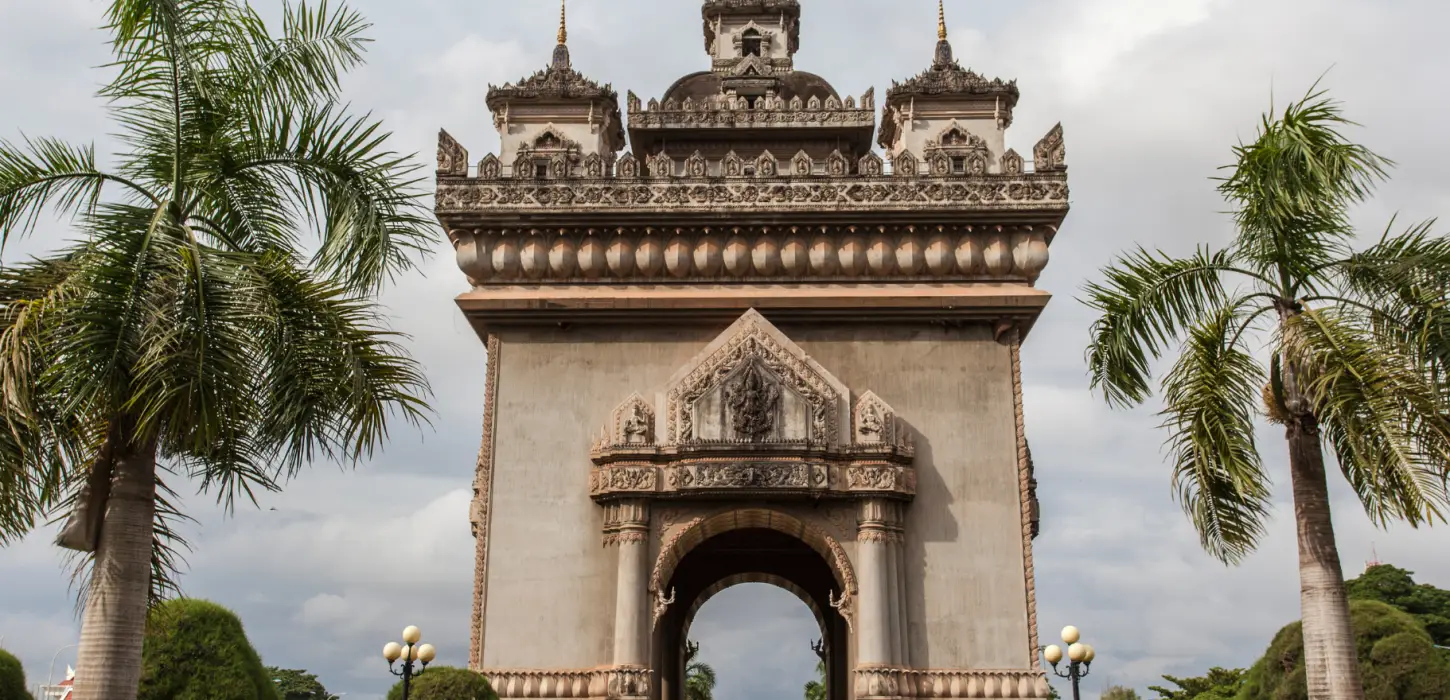
Today, Vientiane is home to some of Laos' most iconic attractions, including Pha That Luang, Patuxai Monument, Wat Sisaket, Wat Ho Phra Keo, and the Buddha Park. The city also offers vibrant night markets, riverside dining, cultural museums, and a growing café scene. Visitors can enjoy a mix of history, spirituality, local cuisine, and modern comforts while exploring the capital.
With its fascinating heritage, welcoming atmosphere, and convenient location, Vientiane serves as the perfect introduction to Laos and remains one of the country's most visited destinations.