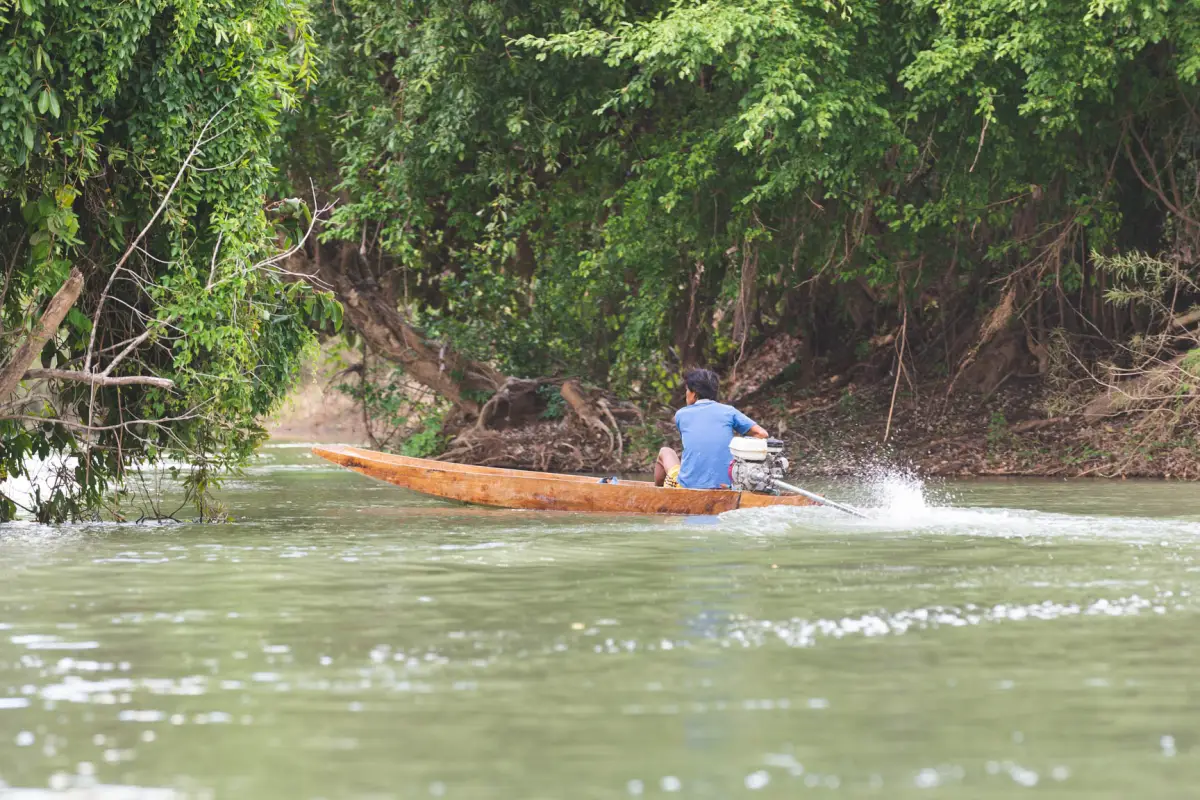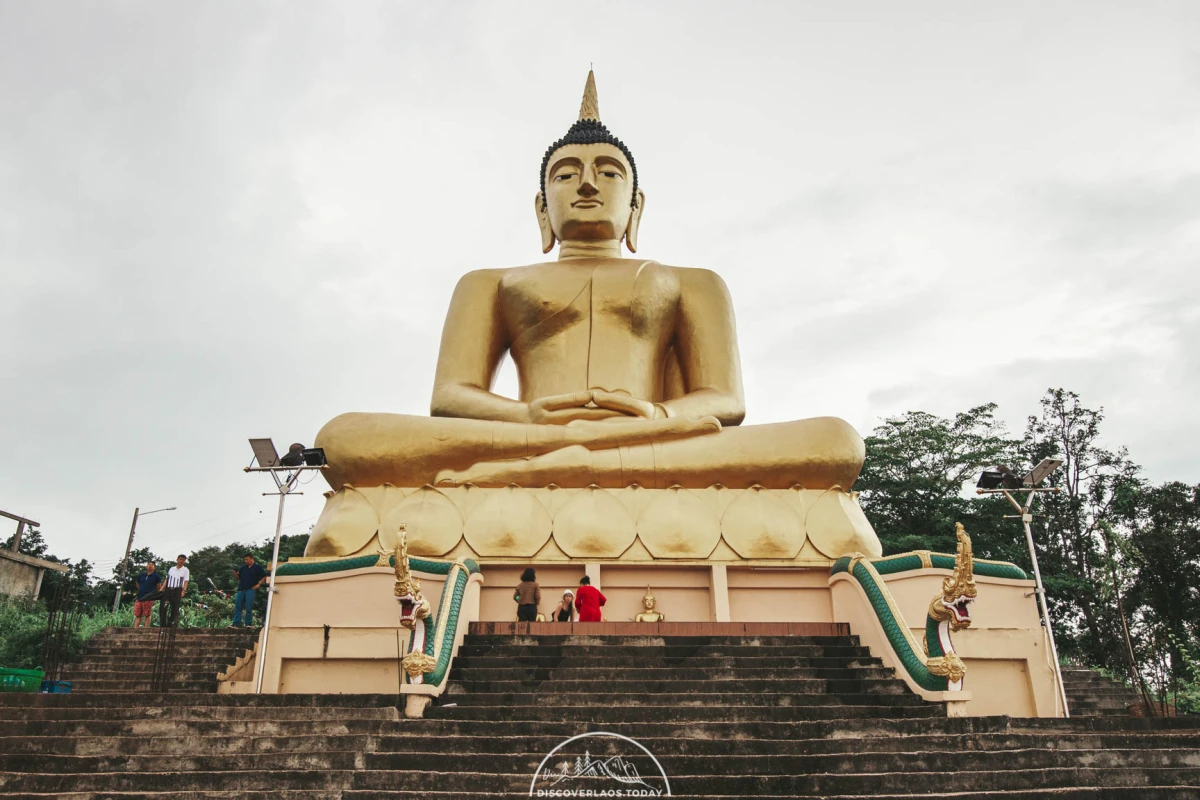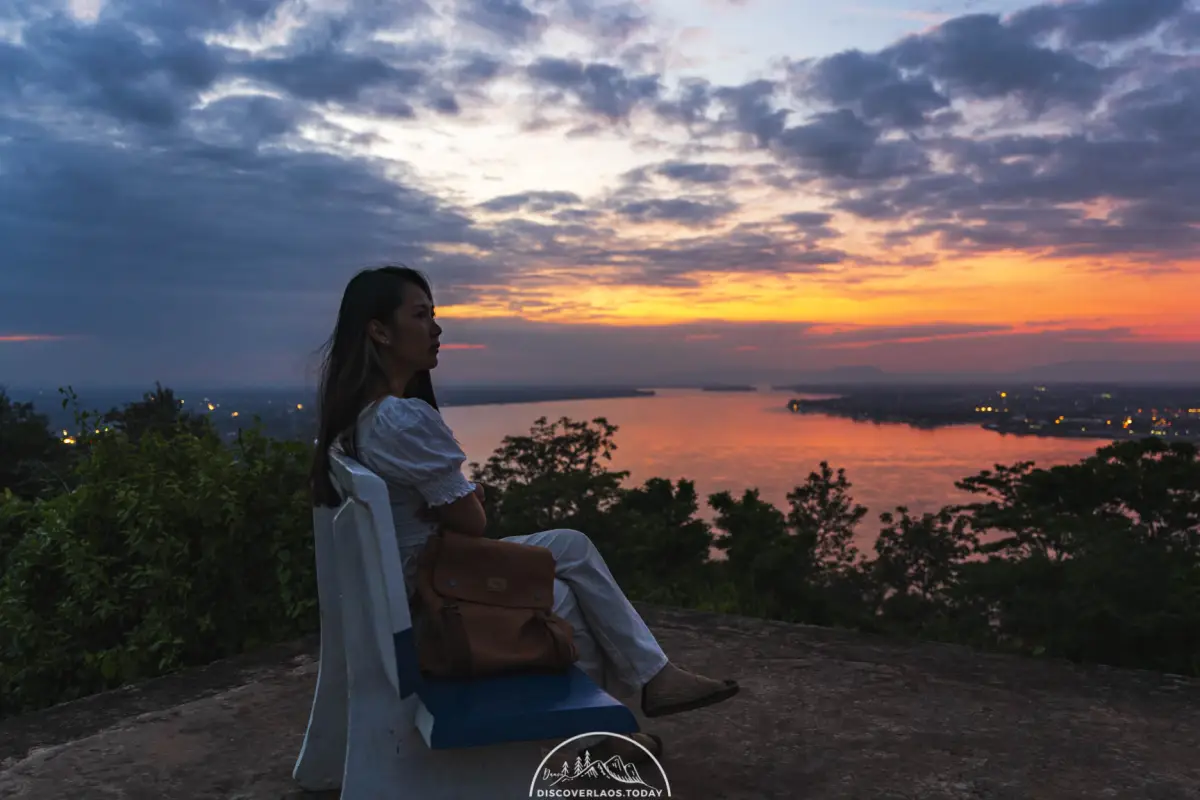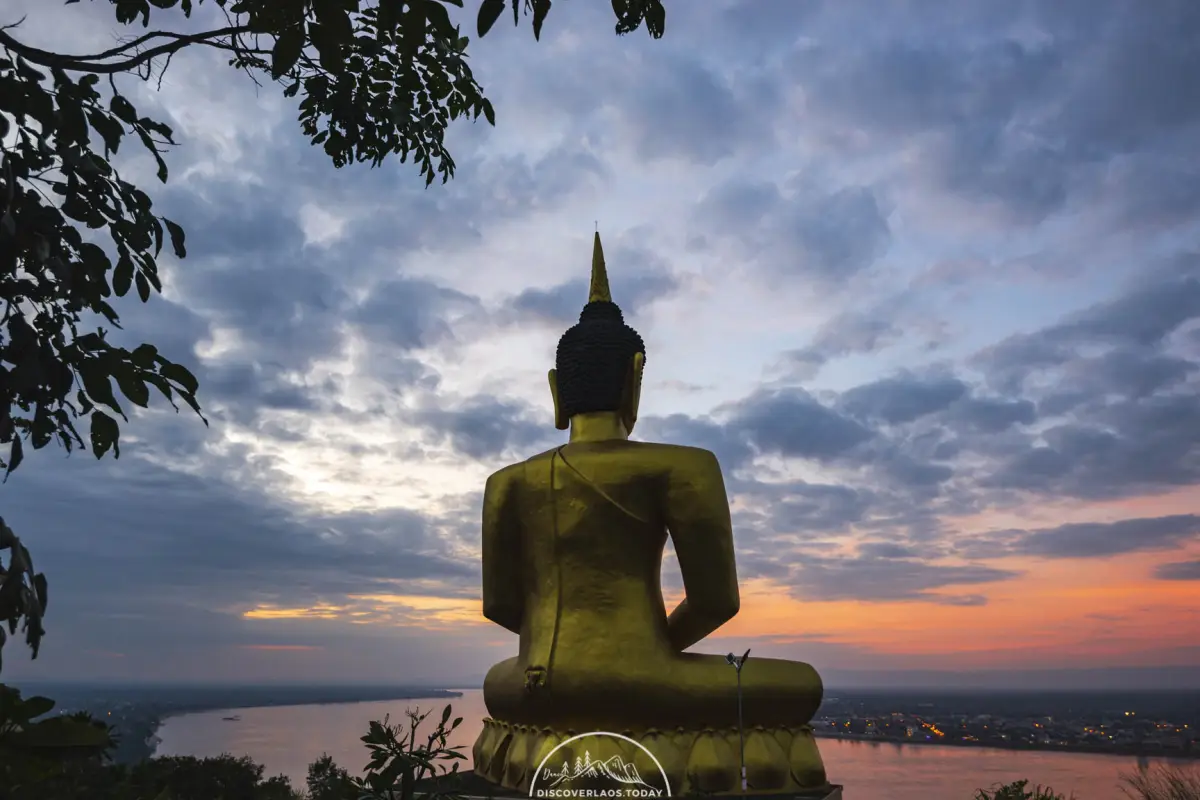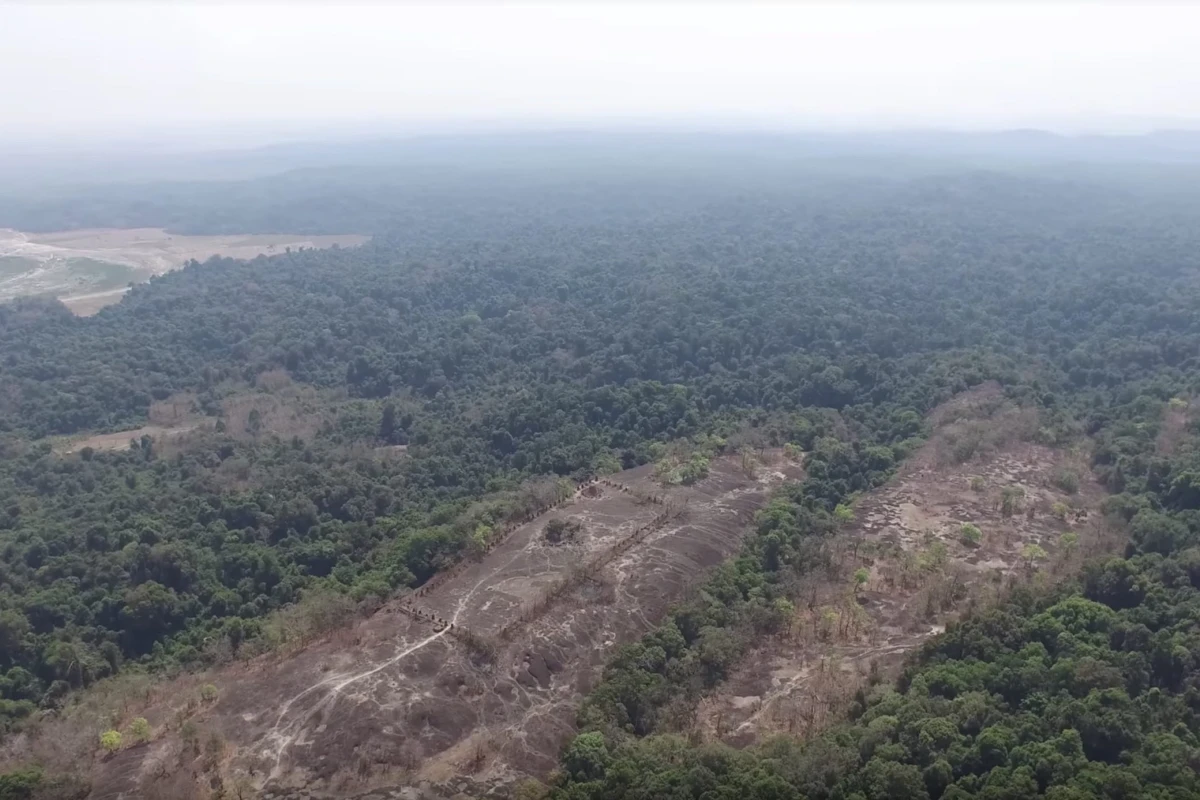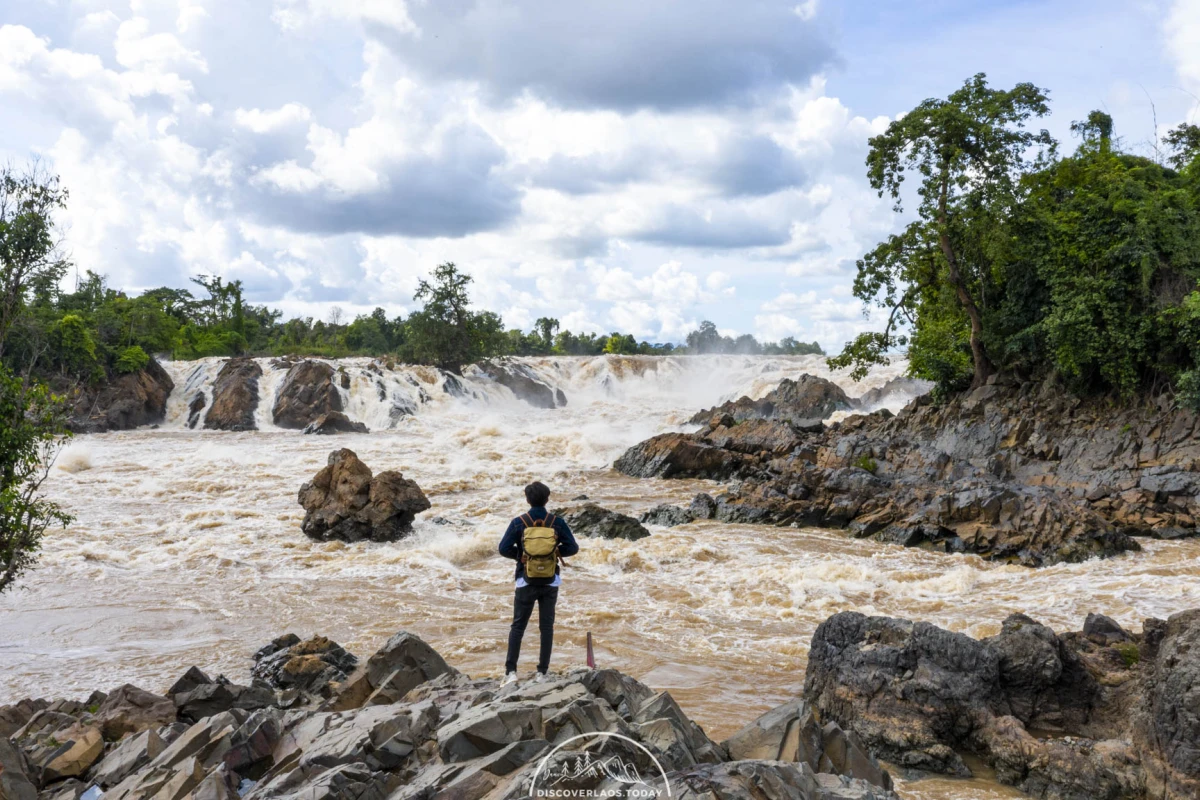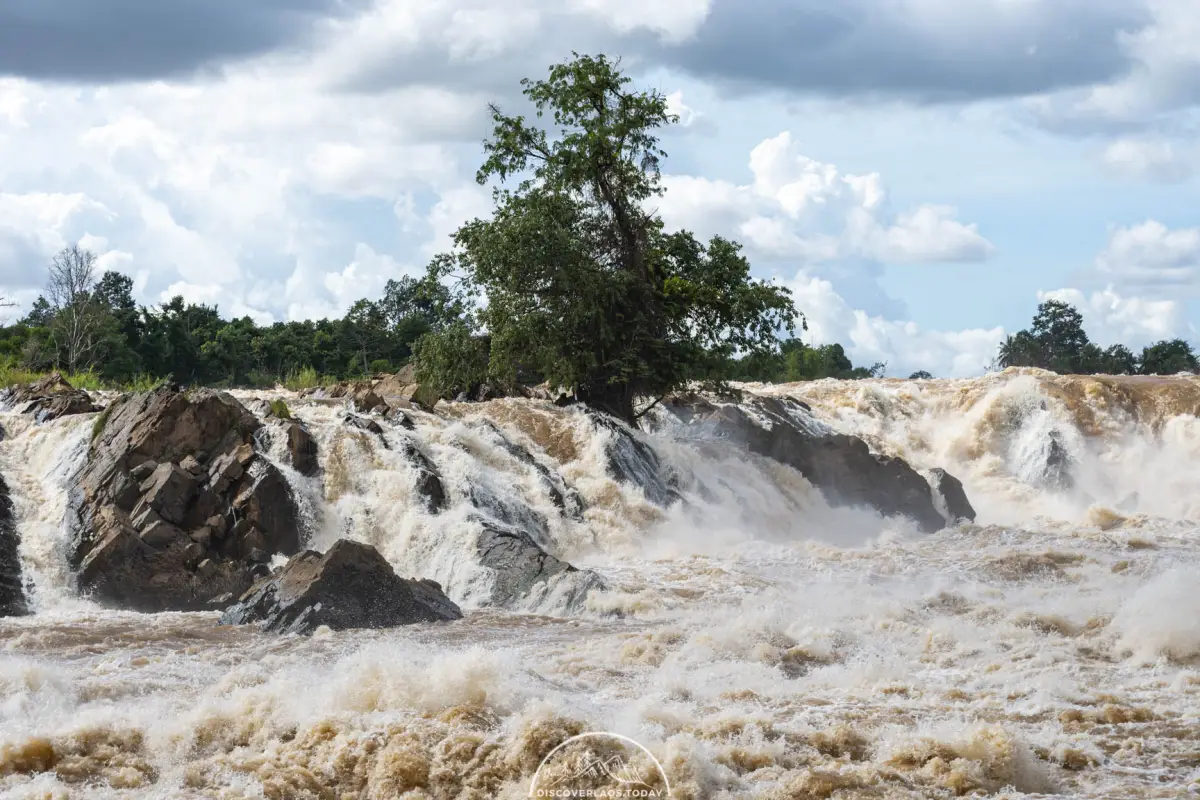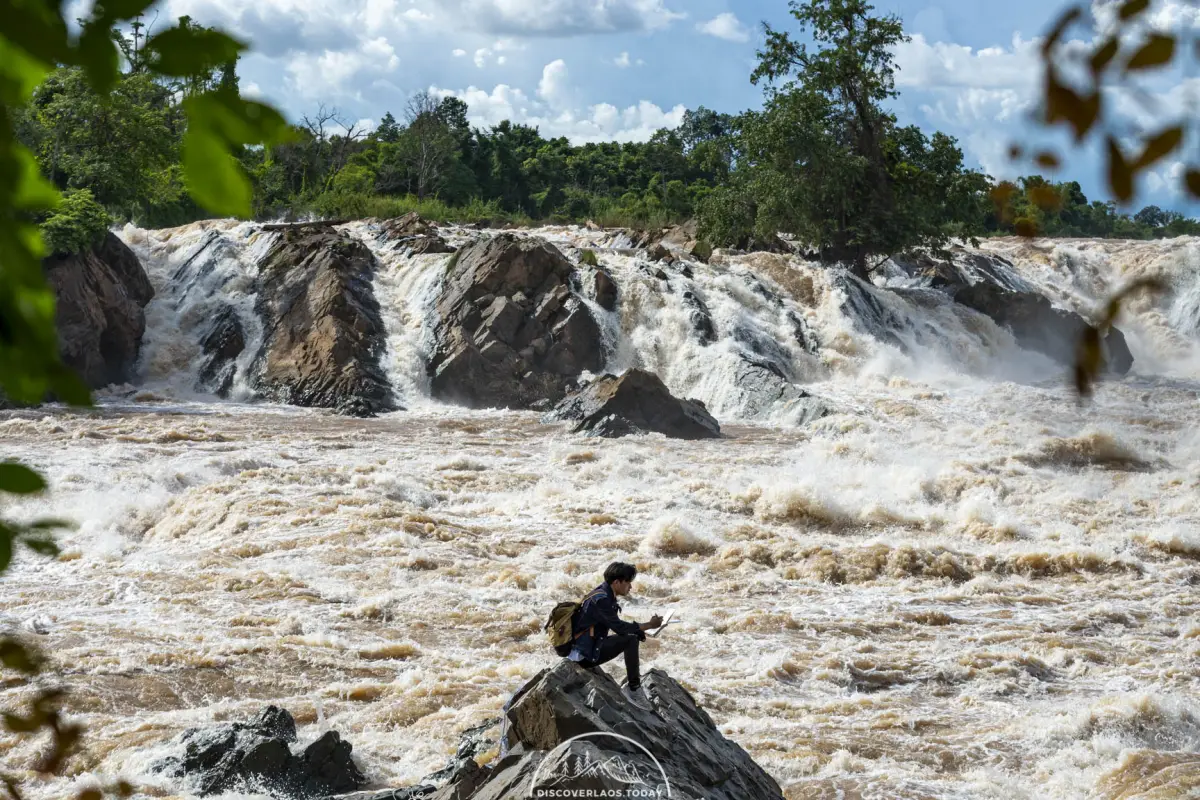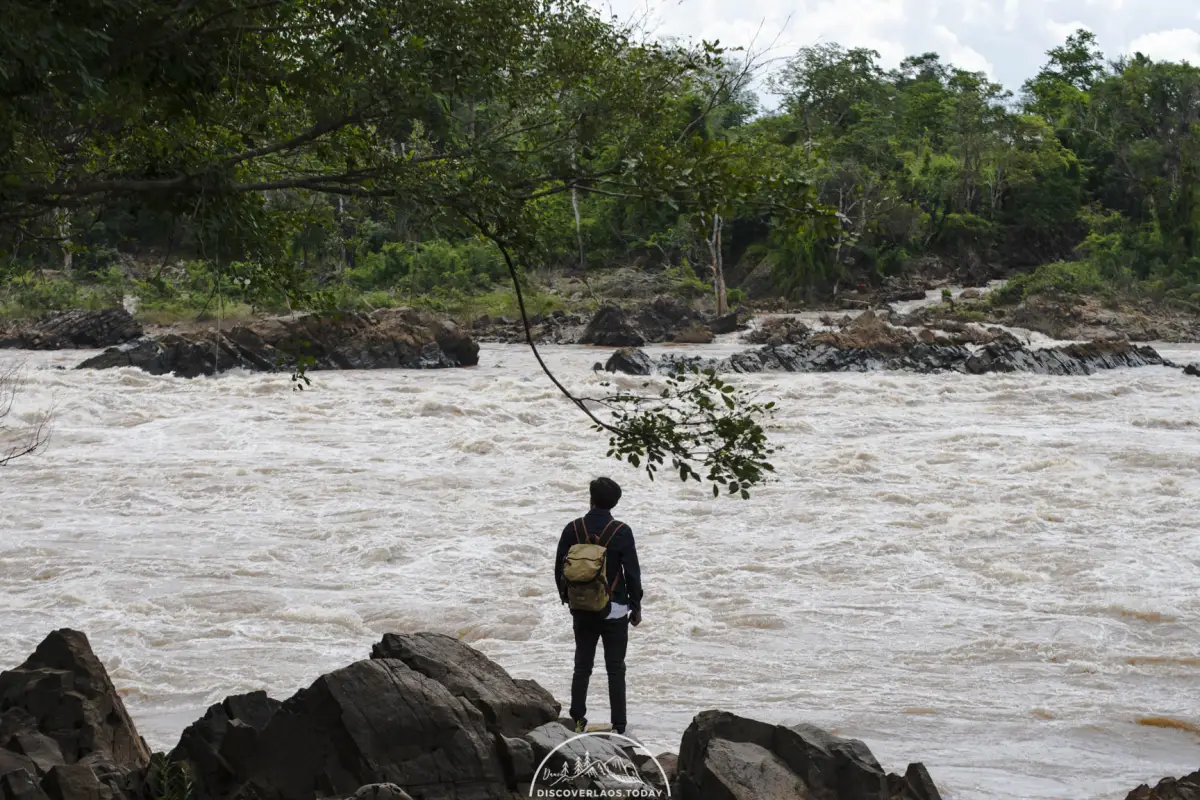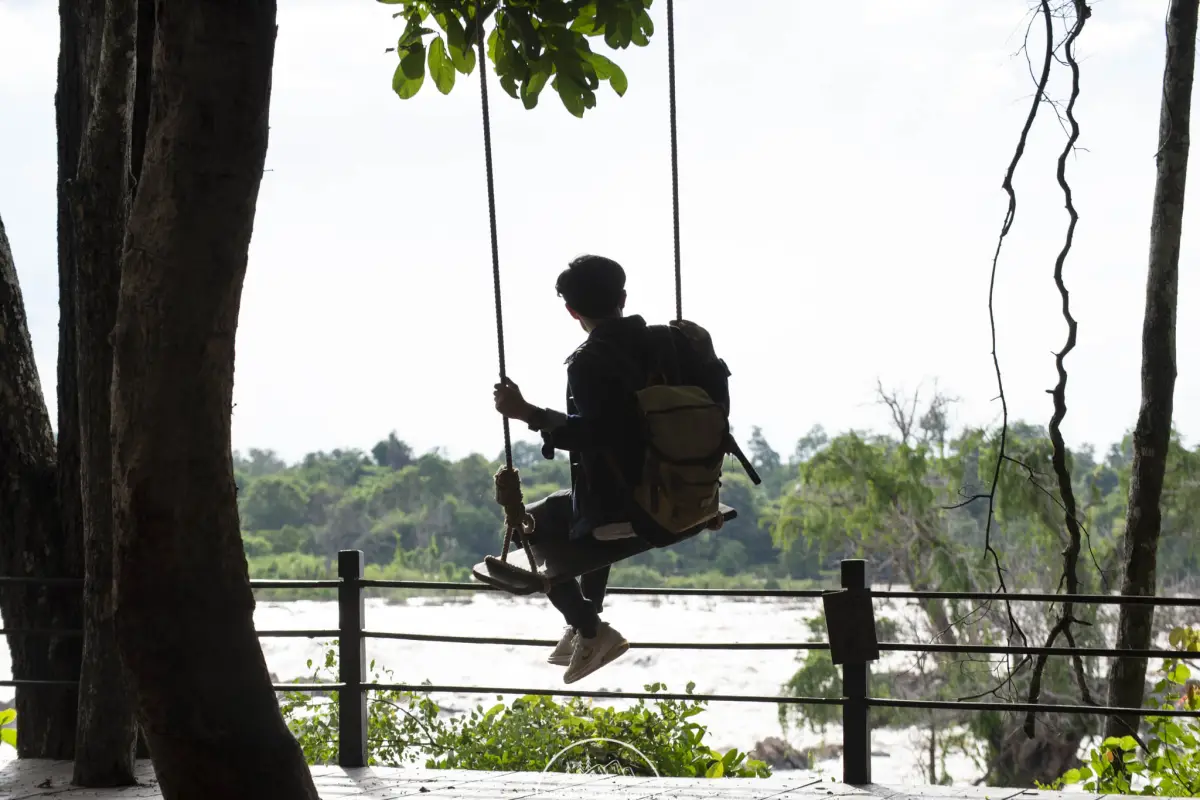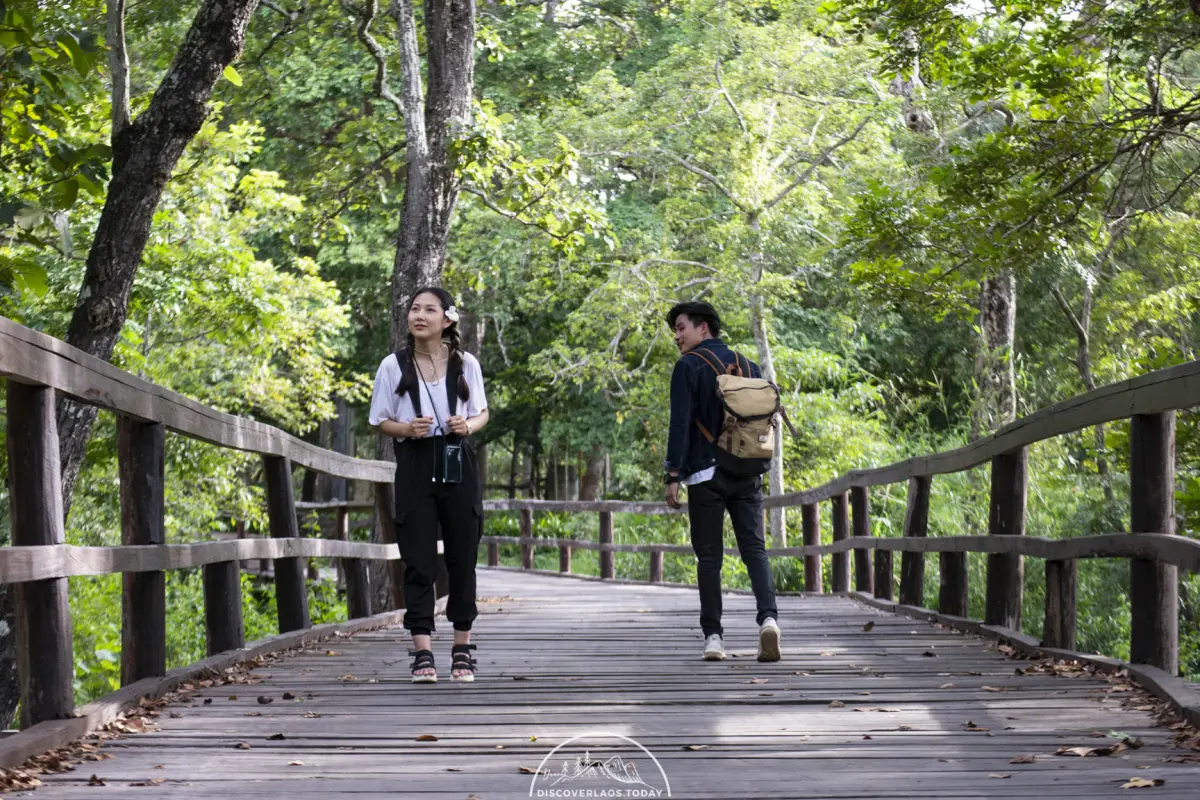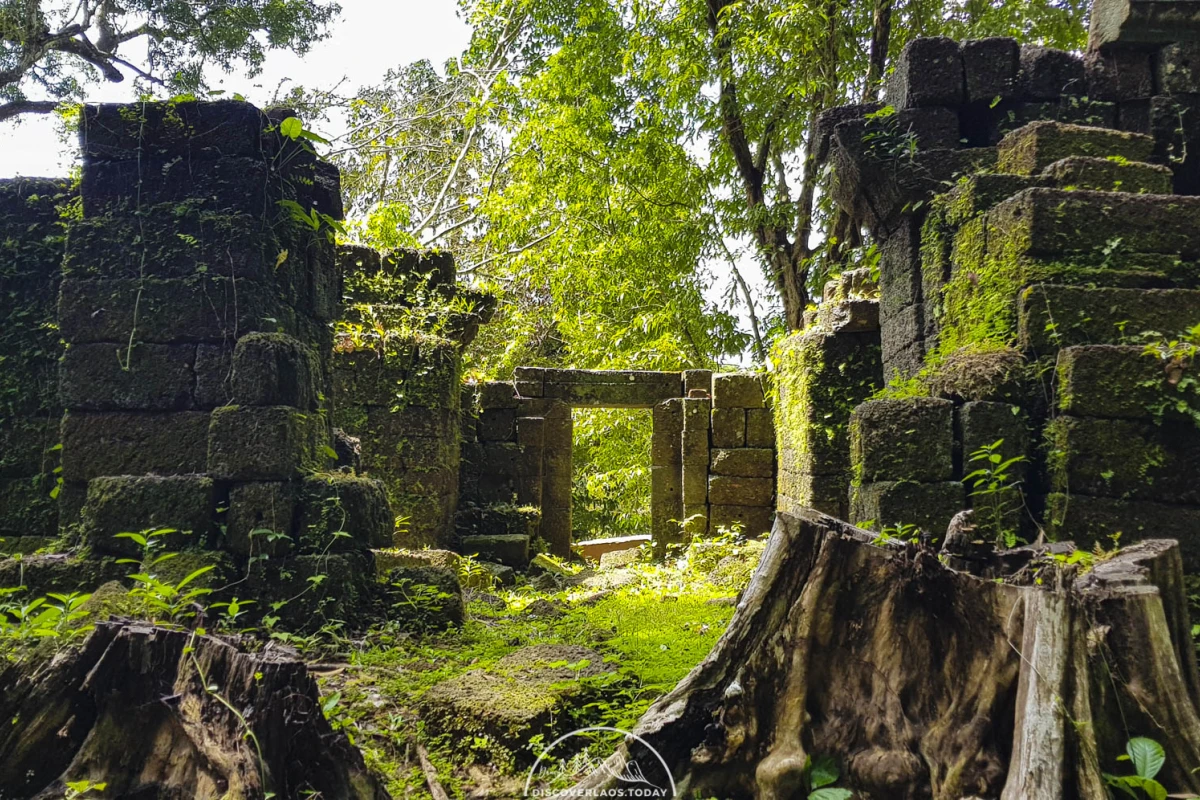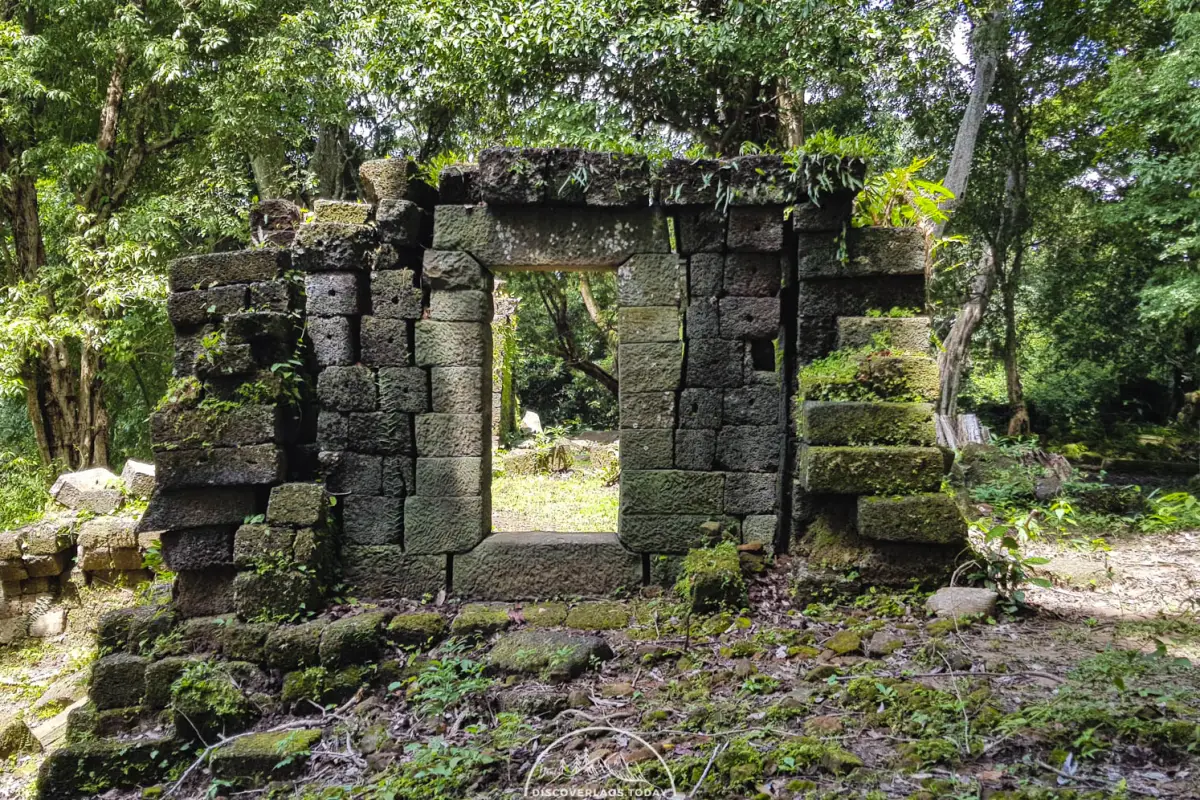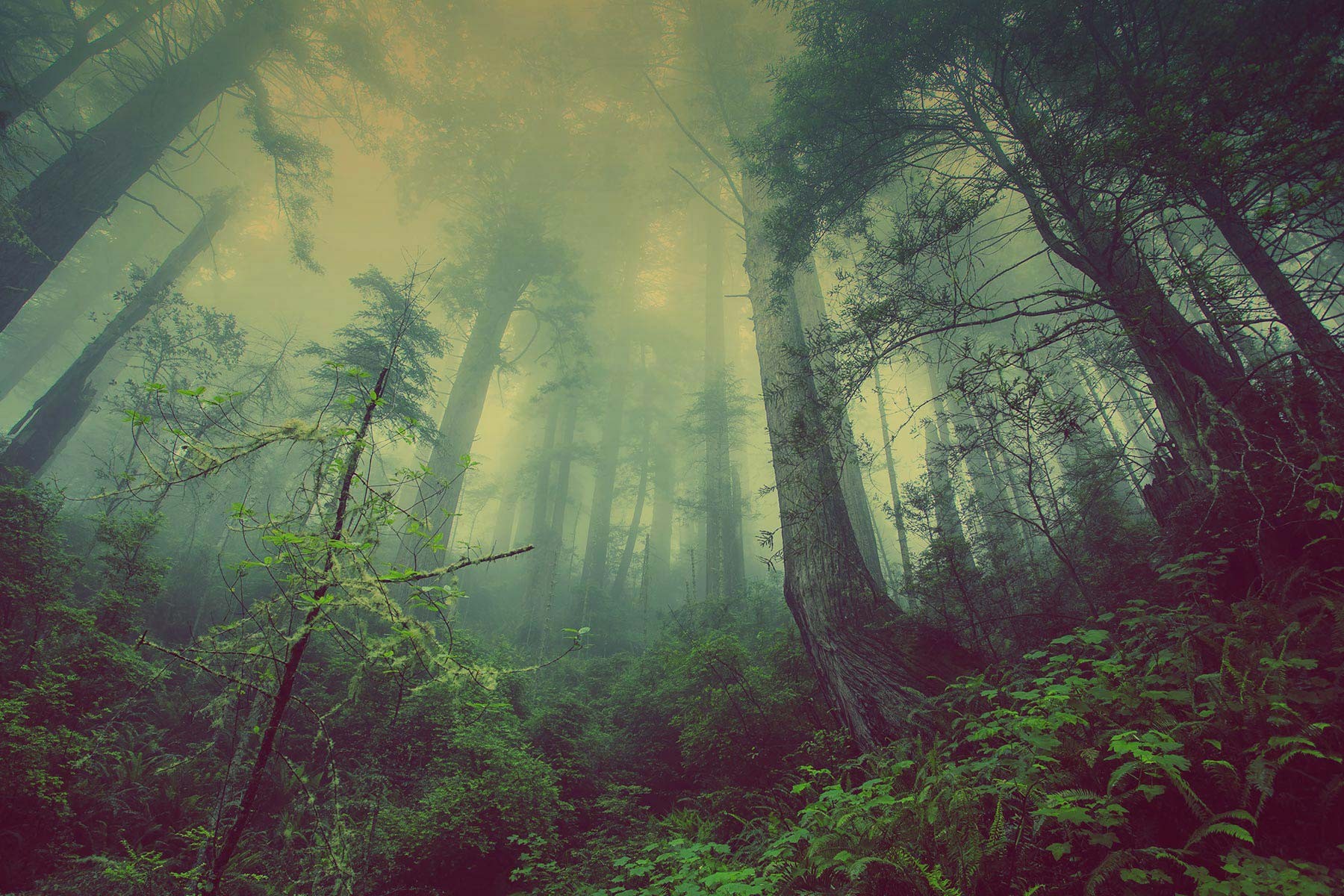

Phou Xieng Thong National Protected Area is one of the most remote and ecologically significant conservation areas in southern Laos. Covering approximately 1,200 square kilometers across Champasak and Attapeu Provinces, the protected area was established in 1993 as part of Laos' national conservation network. Known for its rugged mountains, dense forests, waterfalls, and rich biodiversity, the reserve remains one of the country's least-visited yet most rewarding destinations for eco-tourism and nature exploration.
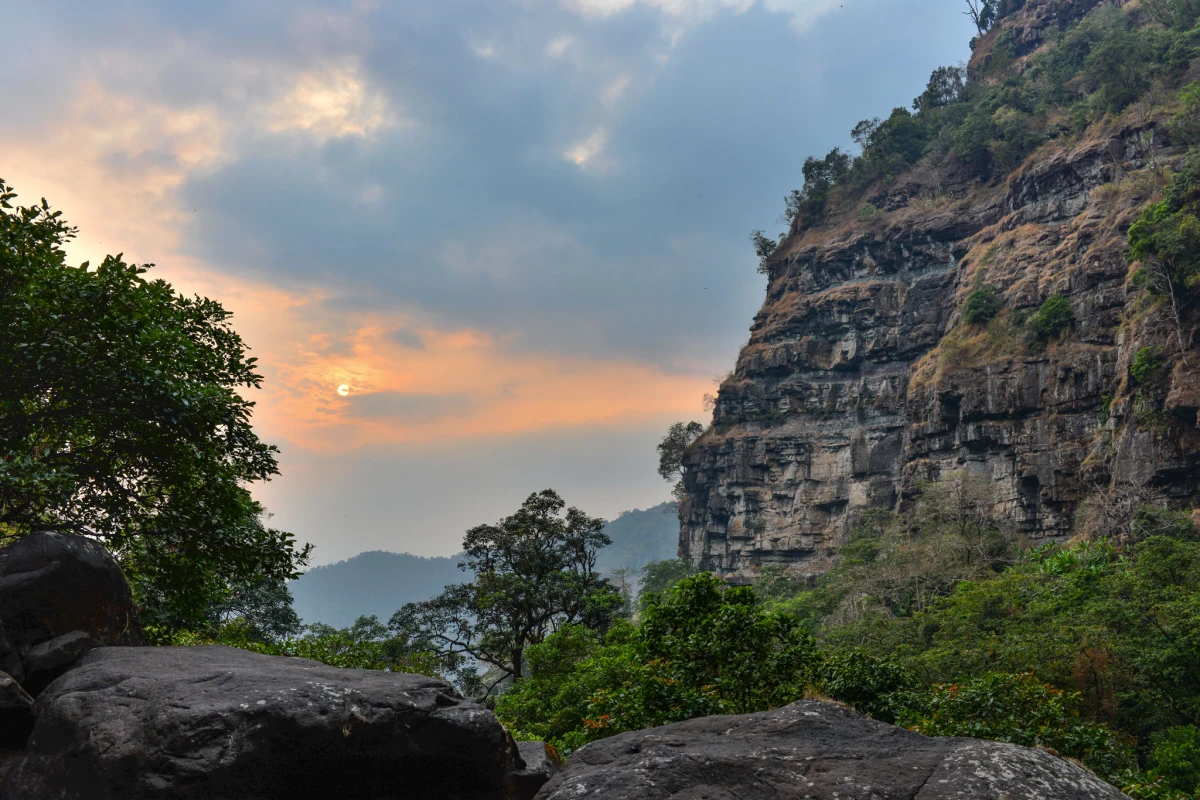
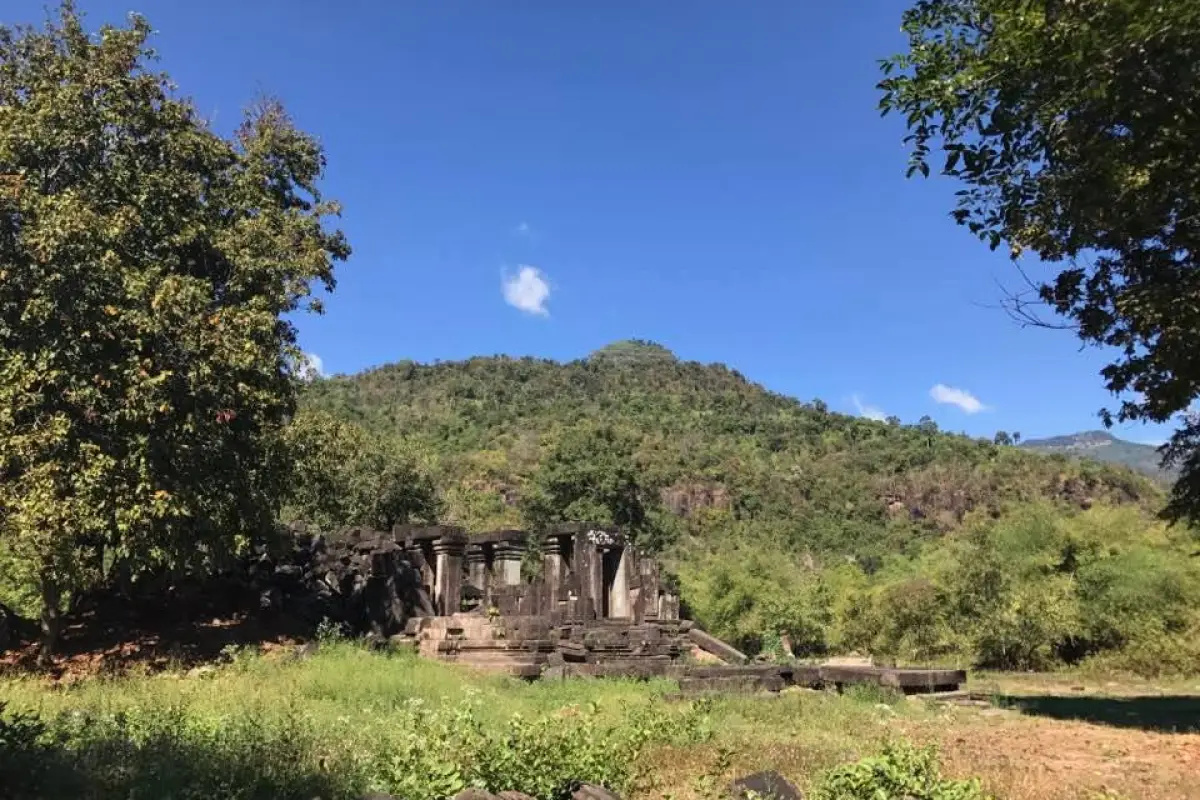
At the heart of the protected area lies Kong Mountain (Phou Kong), one of the highest peaks in southern Laos, rising to approximately 1,893 meters above sea level. The mountain dominates the landscape and serves as an important watershed for numerous rivers and streams that flow through the region. Its elevated forests, mist-covered ridges, and dramatic viewpoints create a striking contrast to the lowland plains of southern Laos.
The protected area contains a variety of ecosystems, including evergreen forests, montane forests, bamboo forests, and river valleys. These habitats support a remarkable diversity of wildlife. Although sightings are uncommon due to the area's remoteness, species recorded in the reserve include Asian elephants, gaur, sun bears, clouded leopards, civets, macaques, hornbills, and numerous bird species. The area is particularly important for conservation because it provides one of the largest continuous forest habitats remaining in southern Laos.
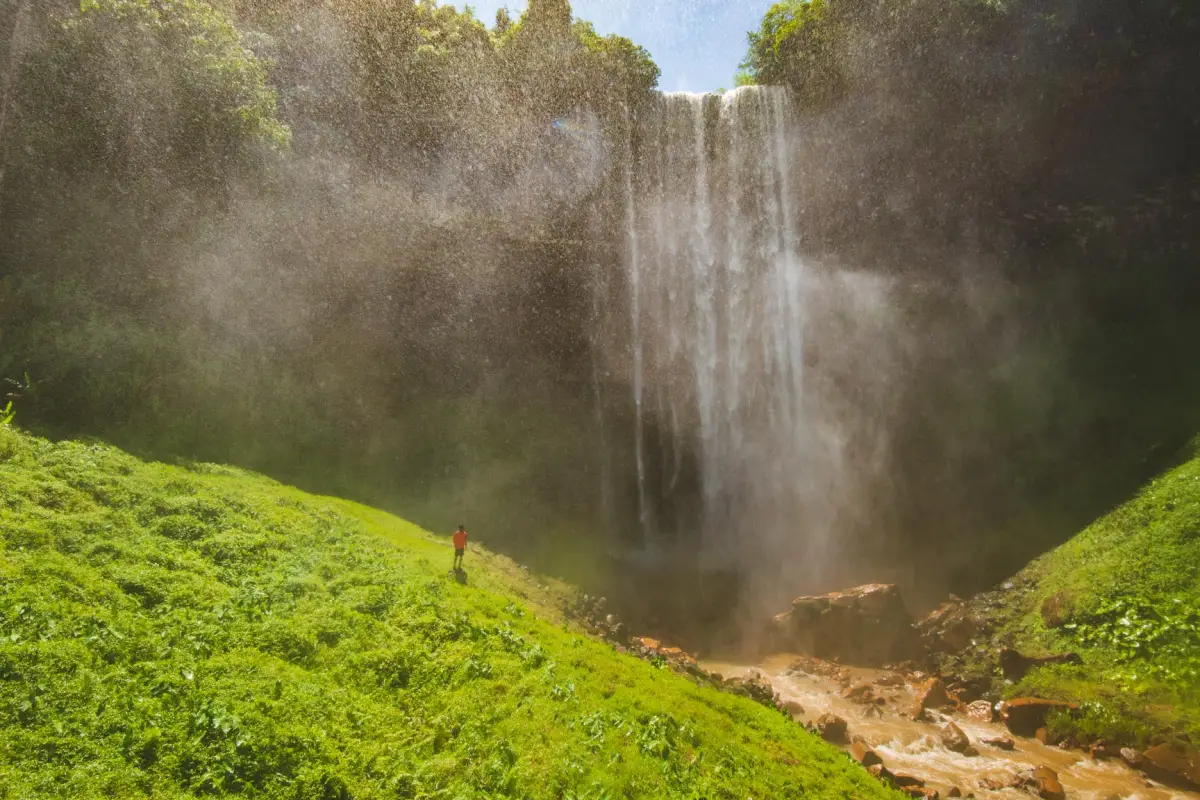
Adventure travelers are drawn to Phou Xieng Thong for its trekking opportunities. Guided expeditions through the protected area allow visitors to explore remote forests, mountain ridges, waterfalls, and traditional villages. Treks range from day hikes to multi-day expeditions that involve camping in the wilderness and learning about local ecosystems from experienced guides.
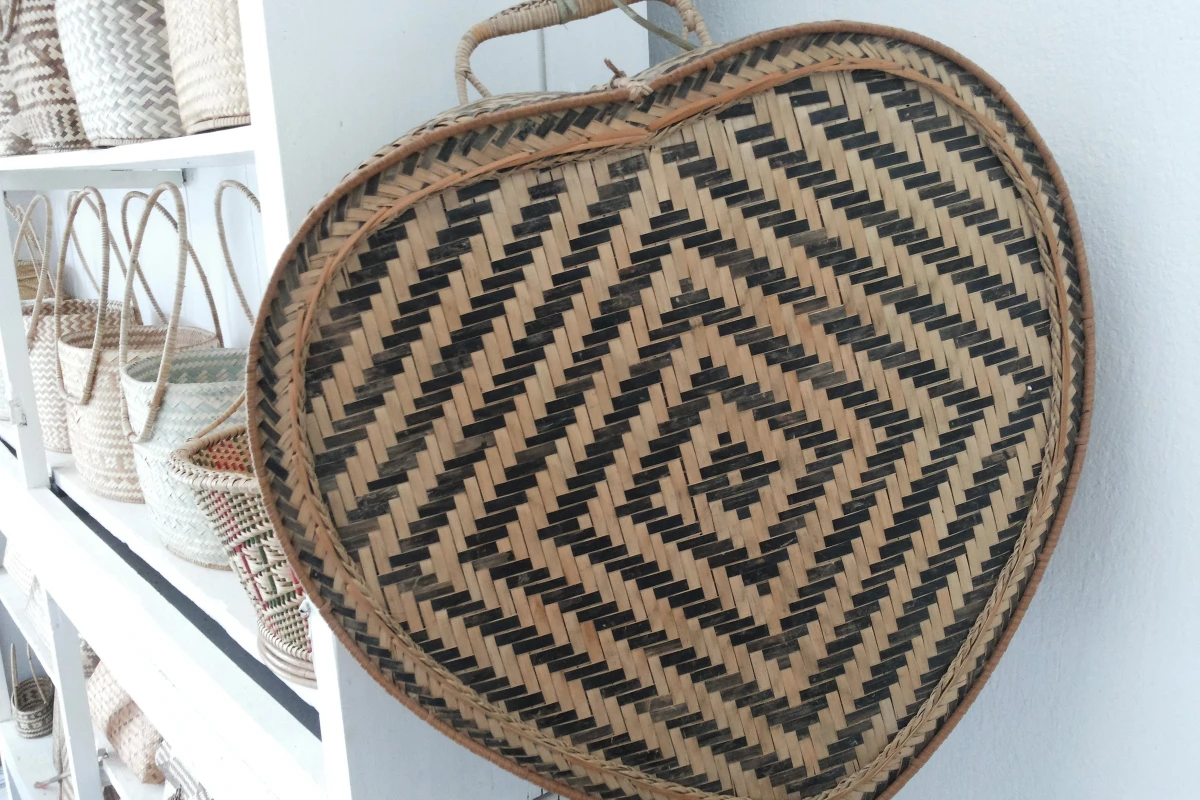
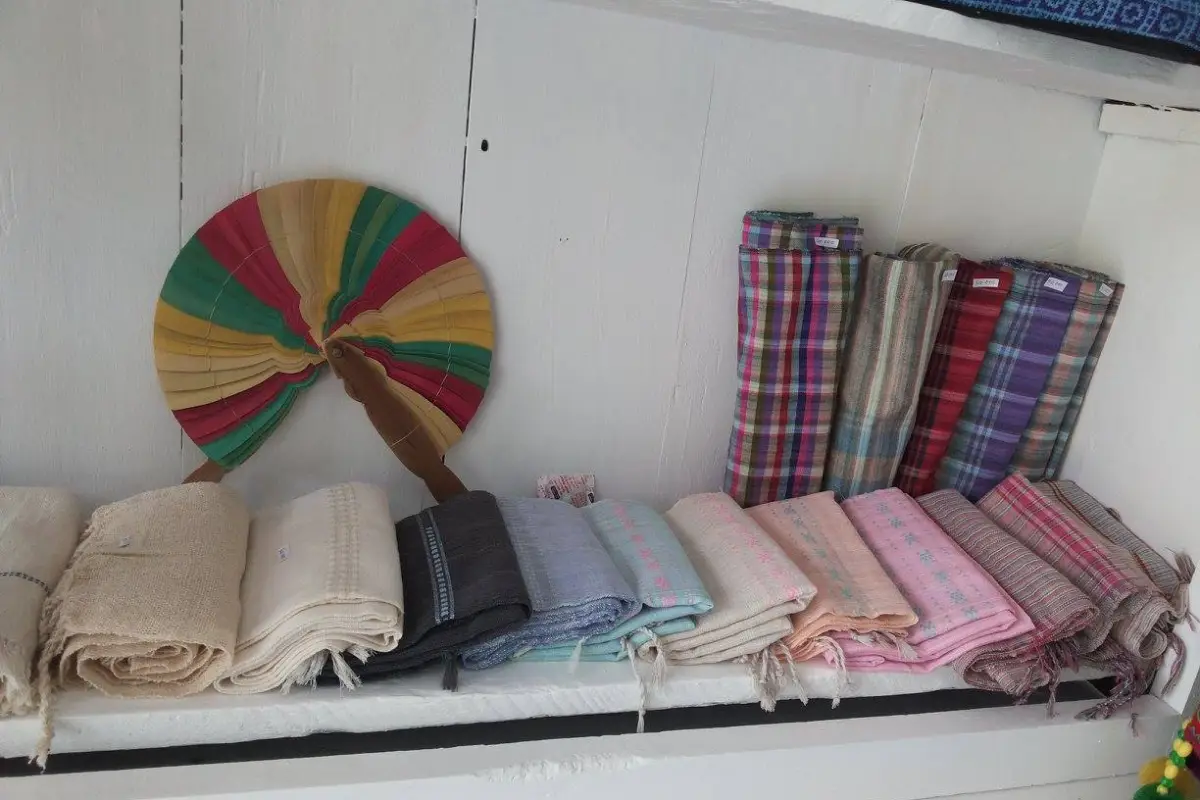
The region is also home to several ethnic communities whose traditional lifestyles remain closely connected to the surrounding environment. Community-based tourism initiatives provide visitors with opportunities to experience local culture, traditional agriculture, handicrafts, and sustainable forest management practices.
Kong Mountain itself is considered one of the premier trekking destinations in southern Laos. The ascent rewards hikers with panoramic views over vast forest landscapes stretching toward Cambodia and Thailand. During the cooler months, mist and clouds often blanket the mountain slopes, creating spectacular scenery for photographers and nature enthusiasts.
Because of its remote location and relatively untouched environment, Phou Xieng Thong National Protected Area offers an authentic wilderness experience that differs significantly from more developed tourist destinations in Laos. It is particularly suited to eco-tourists, birdwatchers, researchers, photographers, and adventure travelers seeking to explore one of the country's most pristine natural areas.
Opening Hours
- Protected area: Accessible year-round
- Guided tours and trekking programs typically operate:
- 08:00 AM – 05:00 PM
- Multi-day treks require advance arrangements and local guides.
- Best time to visit:
- November to February for cooler temperatures and trekking.
- Early dry season for the clearest mountain views.
Highlights
- One of southern Laos' most important protected areas.
- Home to Kong Mountain, one of the region's highest peaks.
- Extensive evergreen and montane forests.
- Rich biodiversity and wildlife habitats.
- Excellent trekking and adventure opportunities.
- Scenic mountain viewpoints and wilderness landscapes.
- Community-based tourism experiences.
- Ideal destination for eco-tourism and nature photography.
Visitor Tips
- Arrange treks through experienced local guides.
- Bring sturdy hiking boots and appropriate outdoor gear.
- Carry sufficient water and insect repellent.
- Consider multi-day expeditions for a deeper experience.
- Respect wildlife and local communities.
- Best suited for active travelers and nature enthusiasts.